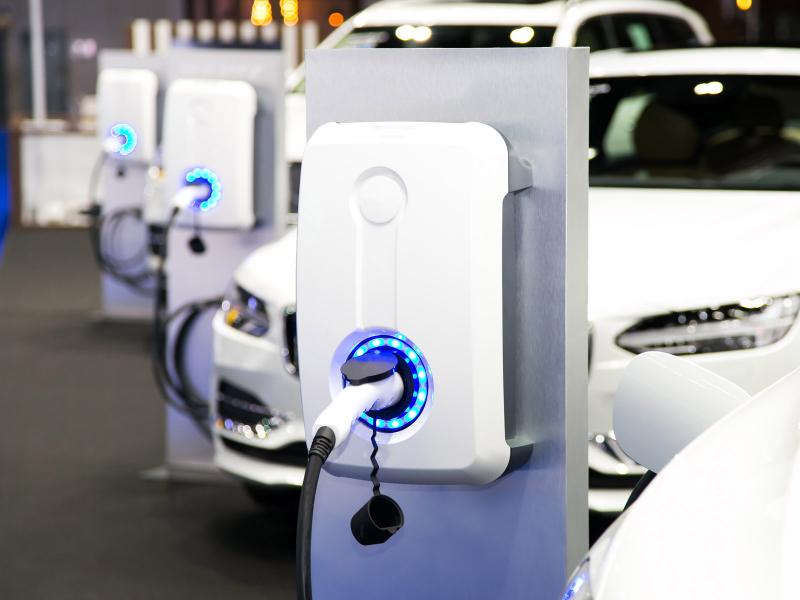
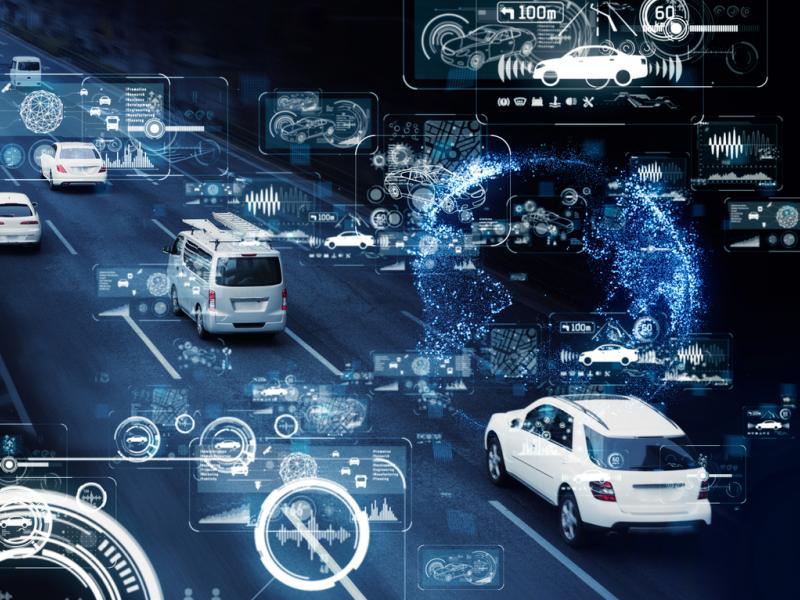
A new PNNL report says the western U.S. power system can handle large-scale vehicle electrification up to 24 million vehicles through 2028, but more than that and cities could start feeling the squeeze.
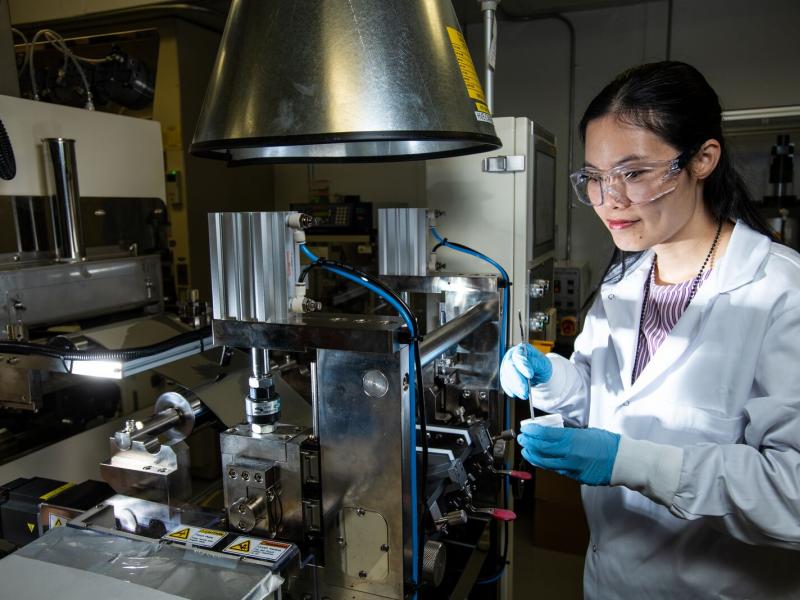
Researchers at PNNL have developed a software tool that helps universities, small business, and corporate developers to design better batteries with new materials that hold more energy.
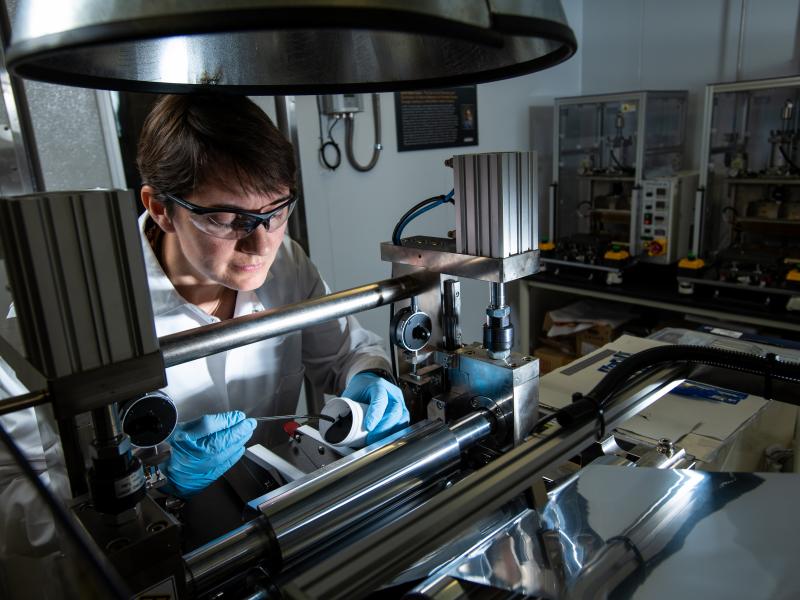
PNNL and WSU researchers have improved the performance and life cycle of sodium-ion battery technology to narrow the gap with some lithium-ion batteries.
PNNL data scientists Maria Glenski and Svitlana Volkova have contributed a chapter to a book titled Disinformation, Misinformation, and Fake News in Social Media: Emerging Research Challenges and Opportunities.
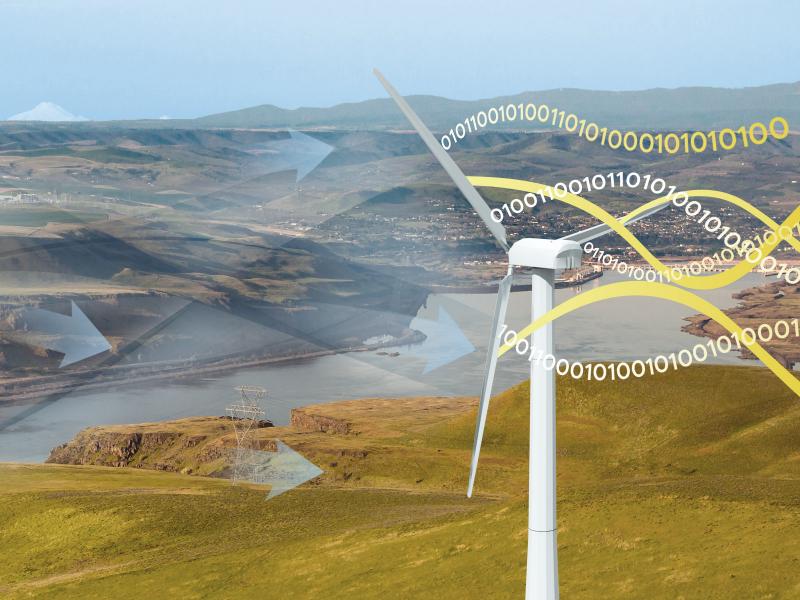
PNNL is managing the Data Archive and Portal, which provides the wind research community with secure, timely, easy, and open access to all data brought in from research under DOE’s Atmosphere to Electrons program.
Two PNNL team members, Courtney Corley, a data scientist, and Kyle Bingman, an advisor on assured artificial intelligence (AI), were featured on a recent episode of the U.S. Department of Energy Direct Currents podcast.
Ten staff members from PNNL were invited to attend and lead the various breakout sessions at the Department of Energy Office of Science 5G Enabled Energy Innovation Workshop (5GEEIW), which was held in early March.
Two PNNL researchers are helping define the future of transparency and accountability for public and private use of autonomous and intelligent systems.
Researchers at PNNL have come up with a novel way to use silicon as an energy storage ingredient, replacing the graphite in electrodes. Silicon can hold 10 times the electrical charge per gram, but it comes with problems of its own.
Verizon recently announced a partnership that will make Pacific Northwest National Laboratory the U.S. Department of Energy’s first national laboratory with Verizon 5G ultra wideband wireless technology.
Combining its strength in biological sciences and data analytics, researchers at the Department of Energy's PNNL are working to enable a quick response to a biological incident — whether intentional, accidental or natural.
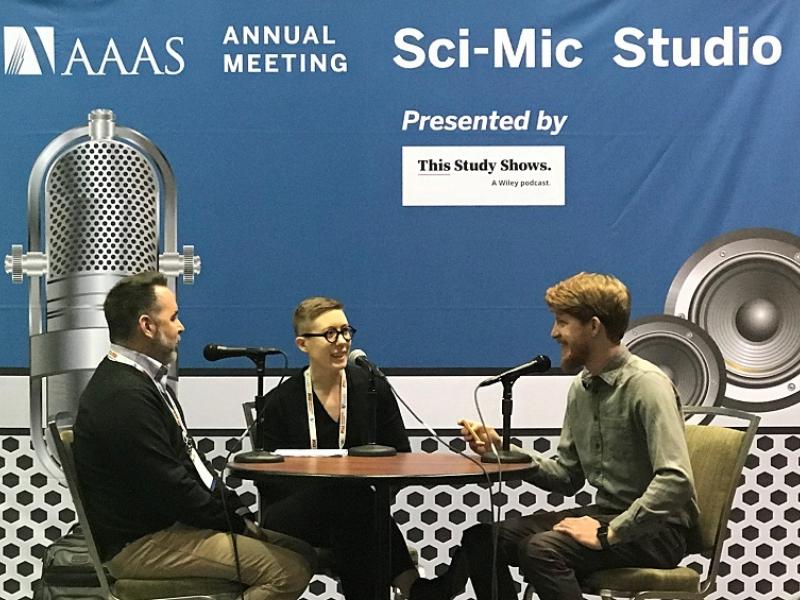
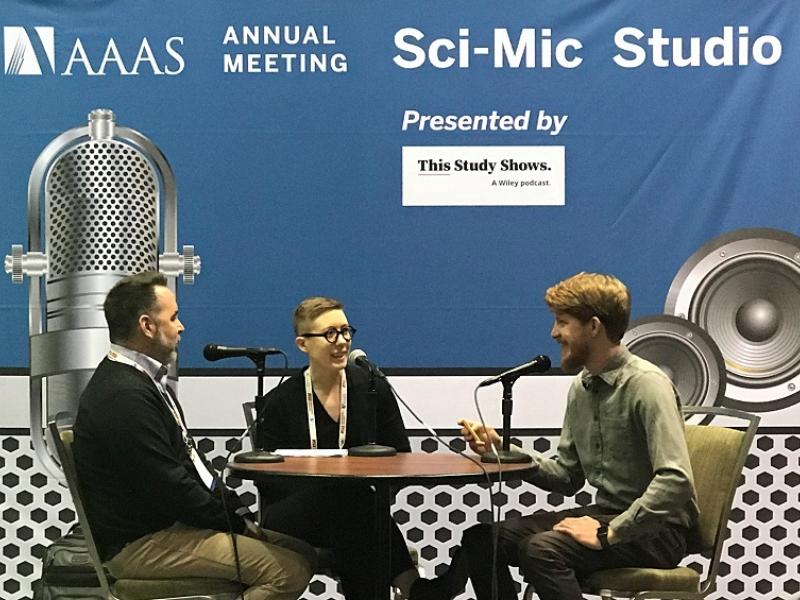
PNNL researchers and professional staff led discussions ranging from biothreats and climate change to science careers at the 2020 annual meeting of the American Association for the Advancement of Science, held this year in Seattle.
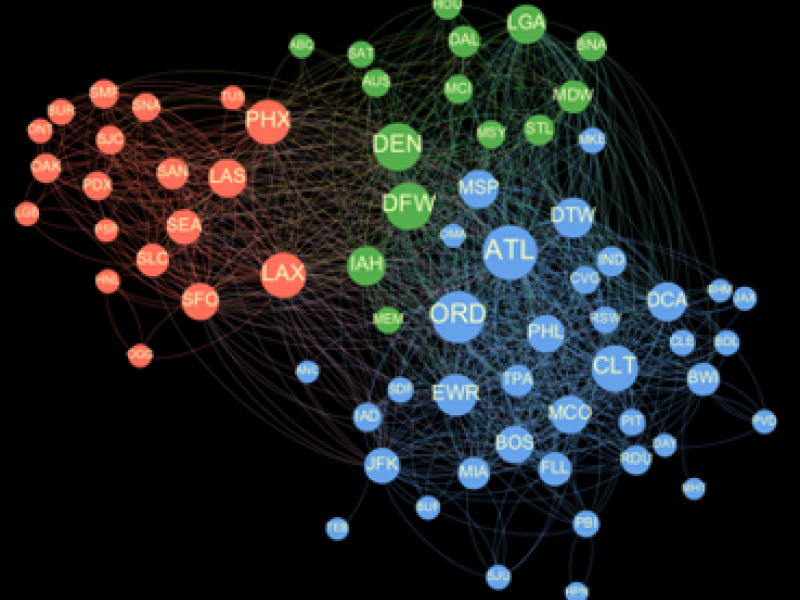
First-of-its-kind network analysis on a supercomputer can speed real-time applications for cybersecurity, transportation, and infectious disease tracking
Bill Cannon, senior scientist and biophysicist in the Computational Mathematics Group, was a co-author of a recent article published in Nature Partner Journals-Digital Medicine.
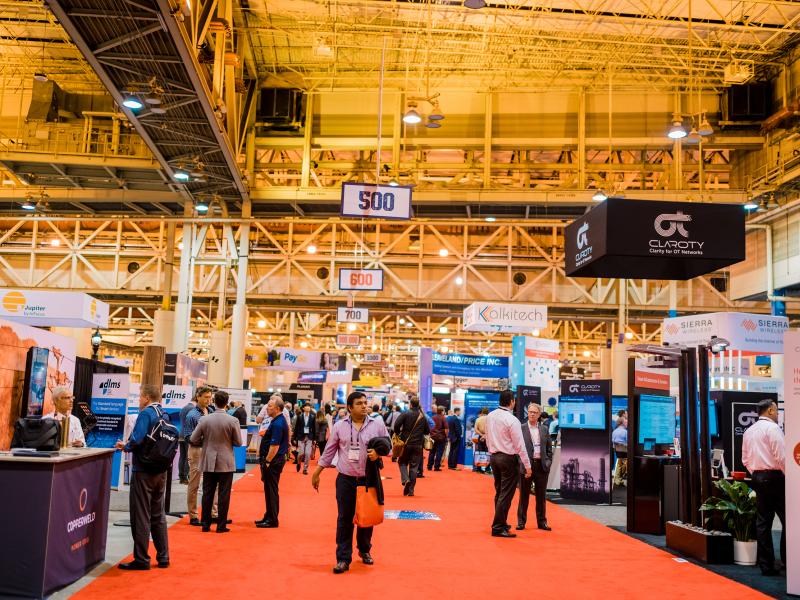
PNNL and the 13 other national laboratories of the Grid Modernization Laboratory Consortium (GMLC) will be sharing their R&D work and technologies for grid modernization at DistribuTECH International in San Antonio Jan. 28-30.
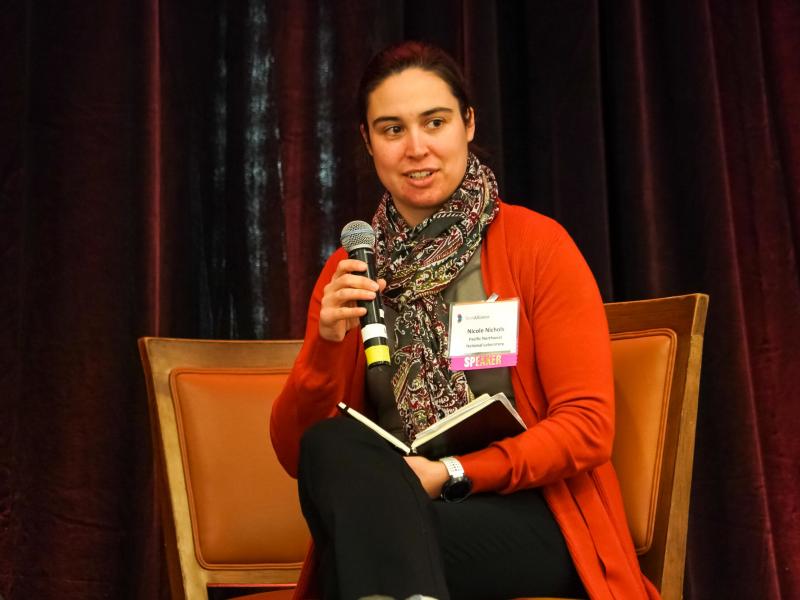
Nicole Nichols, a senior researcher at PNNL, spoke during the AI: Policy Matters Summit in Seattle, Washington on December 12. The summit, hosted by TechAlliance, brought together more than 200 leaders from across Washington State.