A modeling study shows that adding batteries to a dam could decrease the wear and tear on hydropower turbines and open up new opportunities for dam operators to earn revenue.
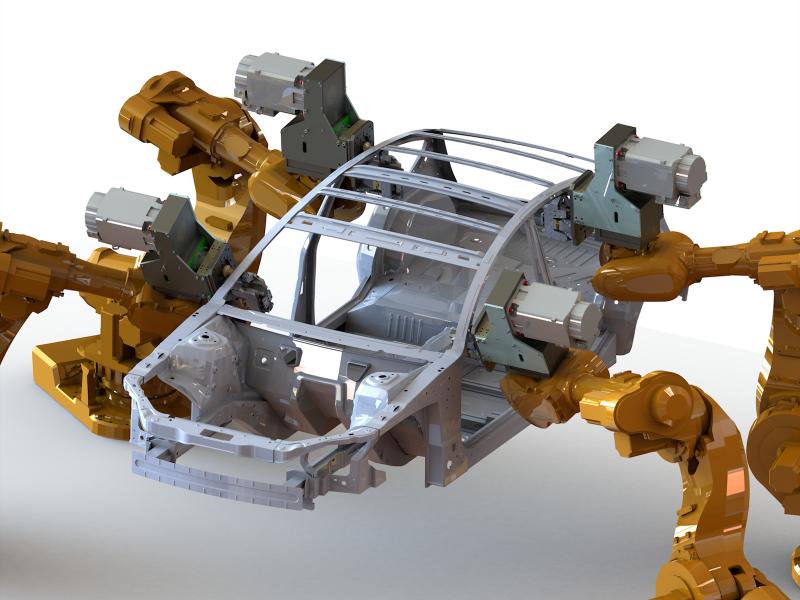
A breakthrough at PNNL could free friction stir from current constraints—and open the door for increased use of the advanced manufacturing technique on commercial assembly lines.
This summer, PNNL hosted the inaugural “As Conductive As Copper” (AC2.0) workshop, fostering a collaborative conversation on the future of the U.S. copper supply chain.
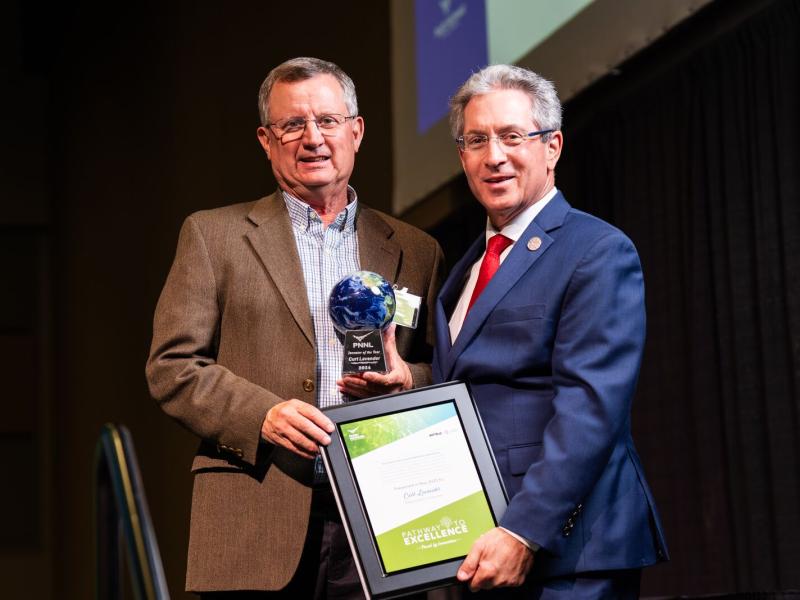
From vehicles and airplanes to solid-phase processing of metals—how Curt Lavender and his team at PNNL solve industry problems with practical ingenuity.
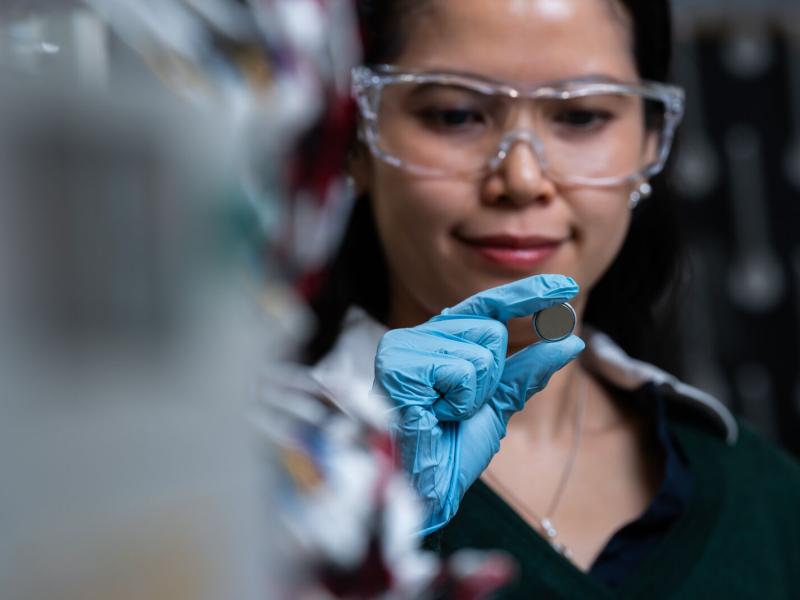
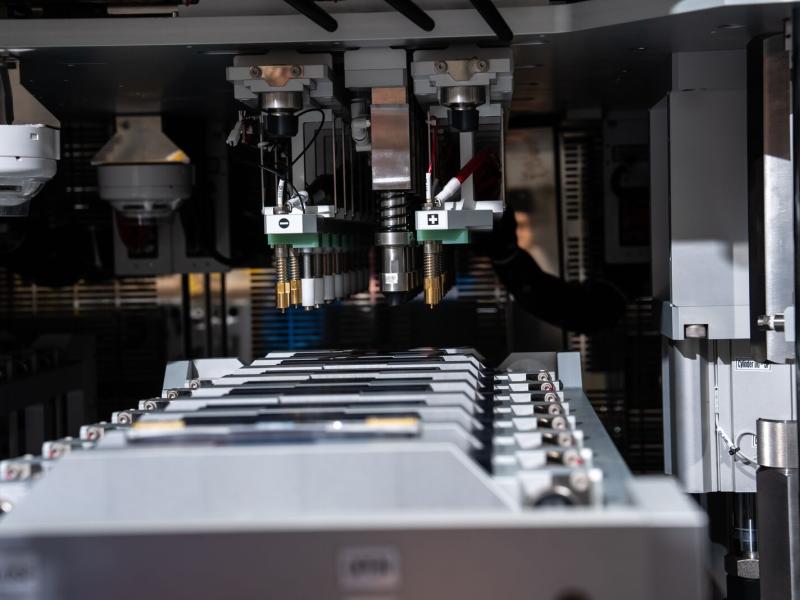
The Low-cost Earth-abundant Na-ion Storage consortium is a major effort to create superior, no-compromise batteries that replace lithium with inexpensive, domestically abundant sodium and use few—if any—critical materials.
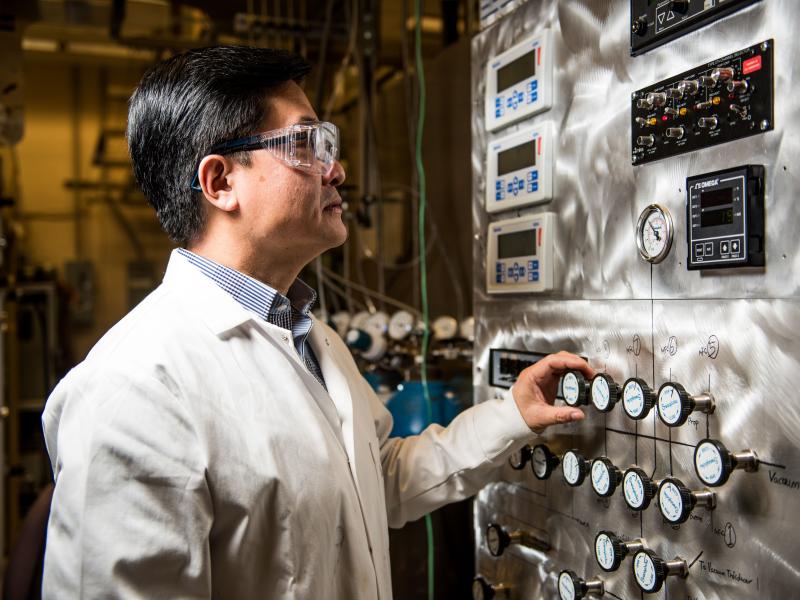
Zhiqun (Daniel) Deng, Lab Fellow at PNNL, has been named a fellow of the American Society of Mechanical Engineers, an honor that recognizes outstanding engineering achievements.
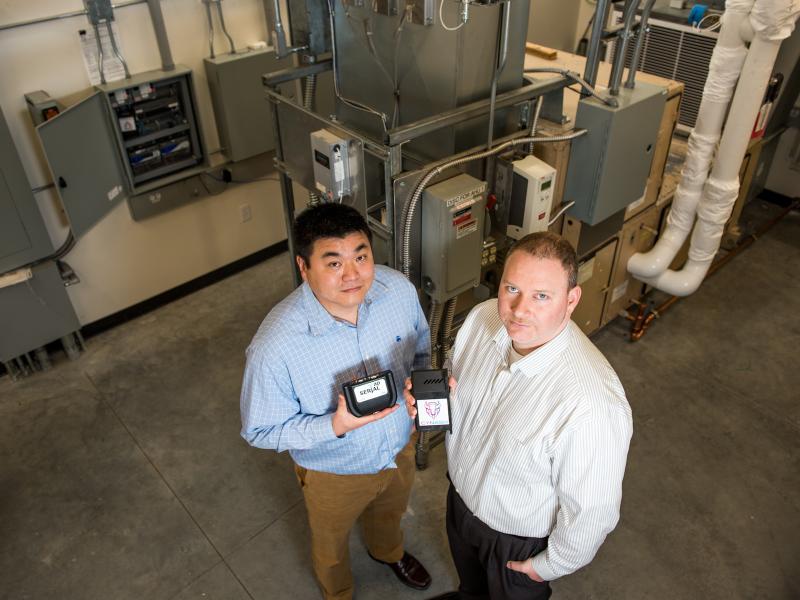
PNNL’s science and technology helps hydropower operators detect, prevent and recover from cyberattacks while protecting a source of electricity that enhances grid reliability and resilience.
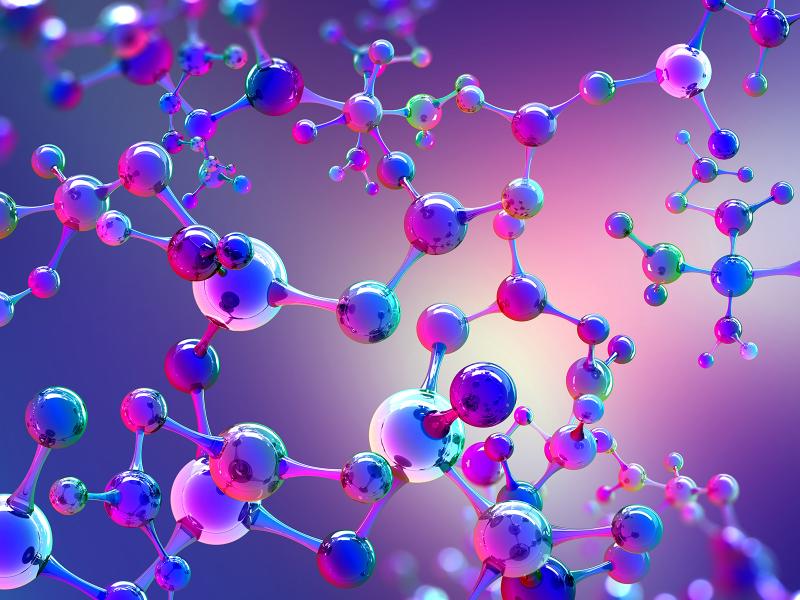
PNNL researchers have published their paper, “Introducing Molecular Hypernetworks for Discovery in Multidimensional Metabolomics Data,” in the Journal of Proteome Research.
The Center for Continuum Computing at PNNL aims to integrate cloud platforms, high-performance computing, and edge devices into a seamless ecosystem that accelerates scientific discovery.
Ampcera has an exclusive licensing agreement with PNNL to commercially develop and license a new battery material for applications such as vehicles and personal electronics.
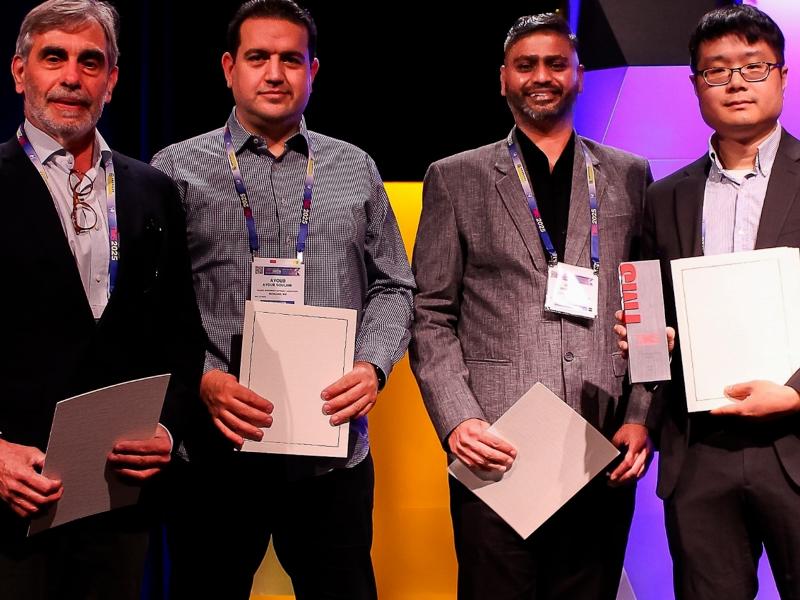
Sergei Kalinin, a joint appointee at the University of Tennessee, Knoxville and PNNL, and Ji-Guang (Jason) Zhang, a PNNL Lab Fellow, are part of the 2024 class of National Academy of Inventors Fellows.