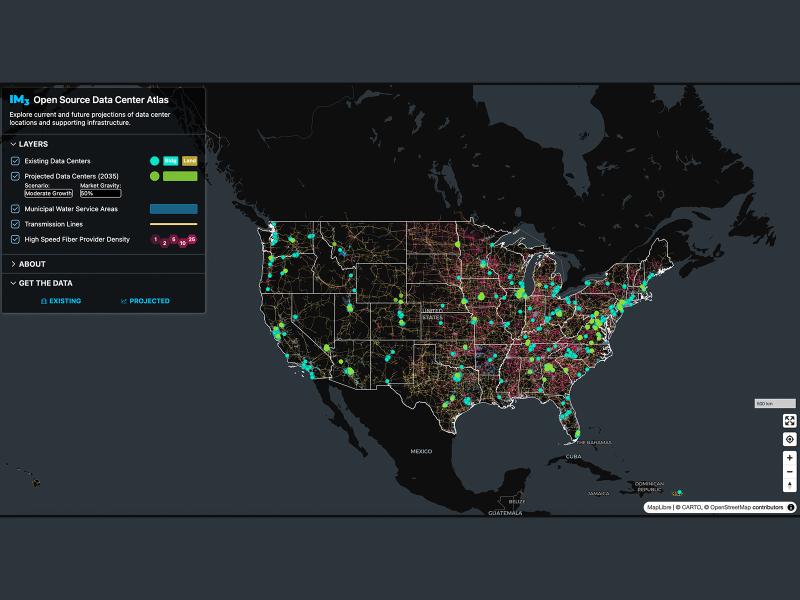
Now, anyone can easily explore and access data from a nationwide map of data centers, the infrastructure that powers them, and projections of future data center locations.
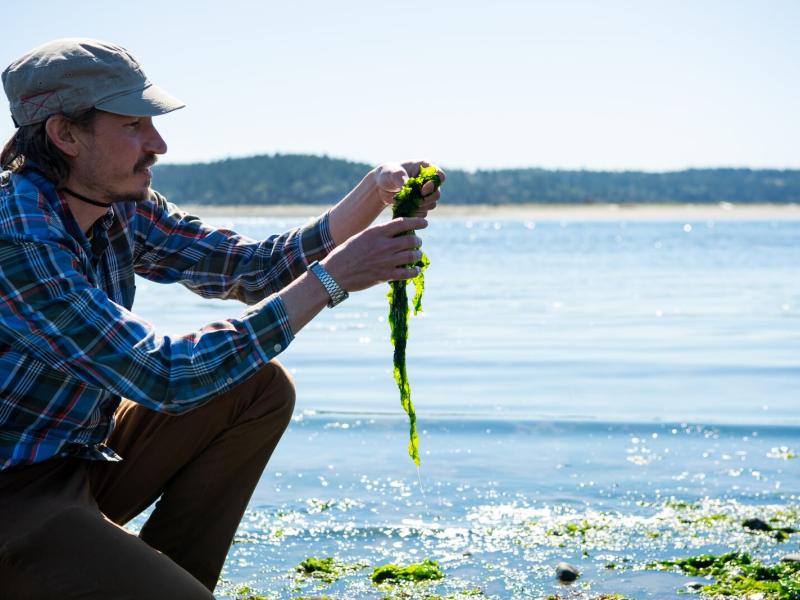
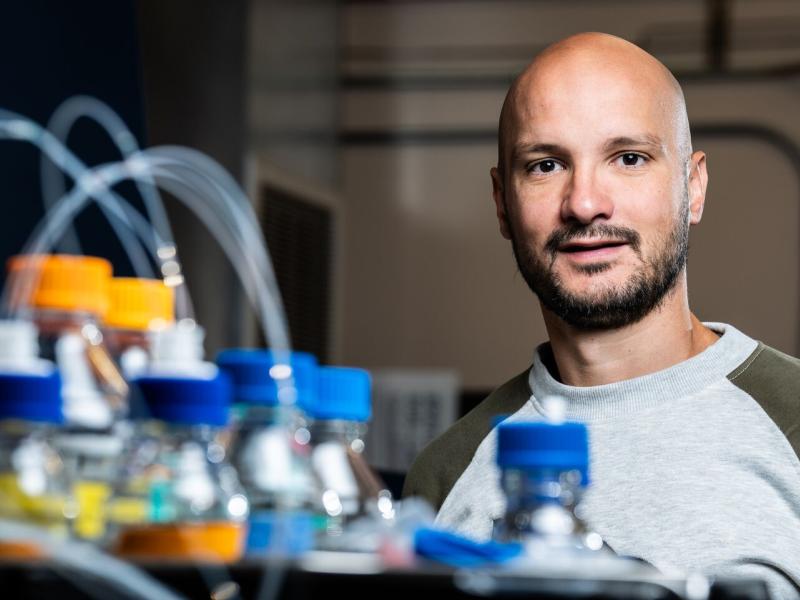
Dušan Veličković, a PNNL mass spectrometry imaging scientist received a $2.1 million grant to develop techniques to understand how changes in carbohydrate structure affect human health.
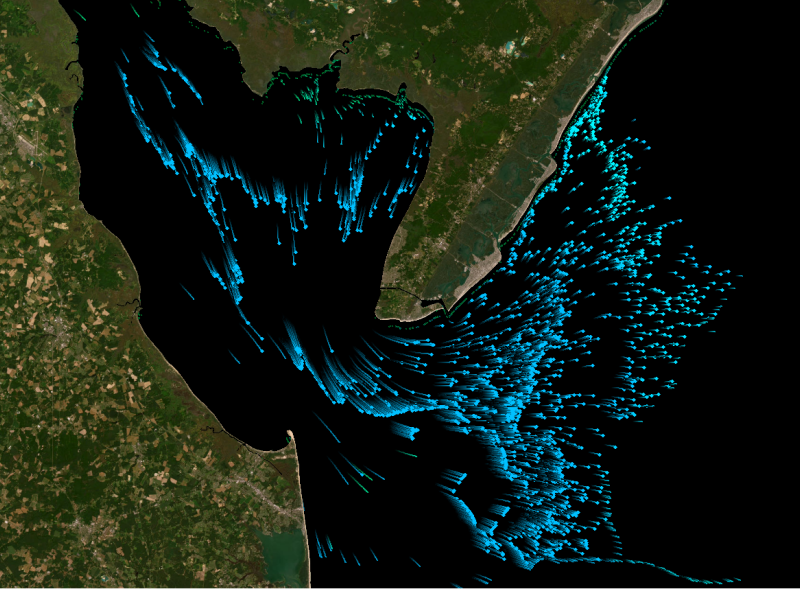
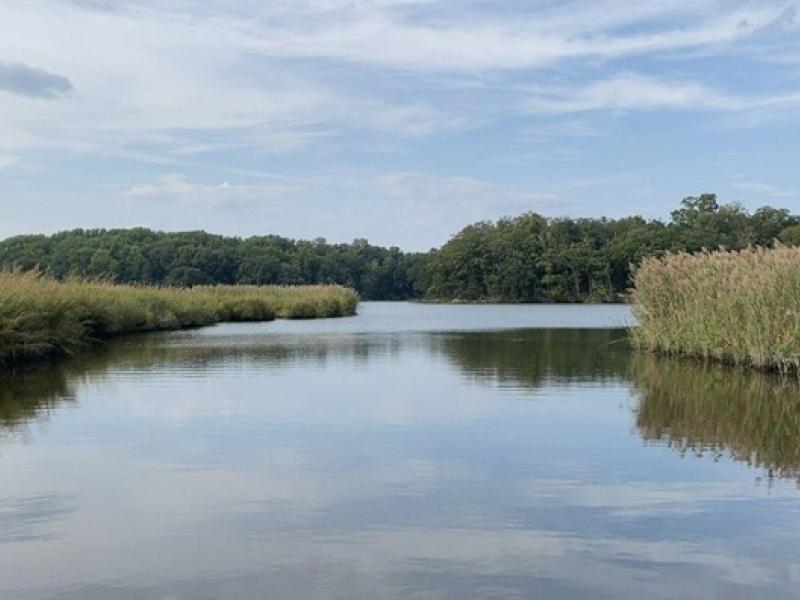
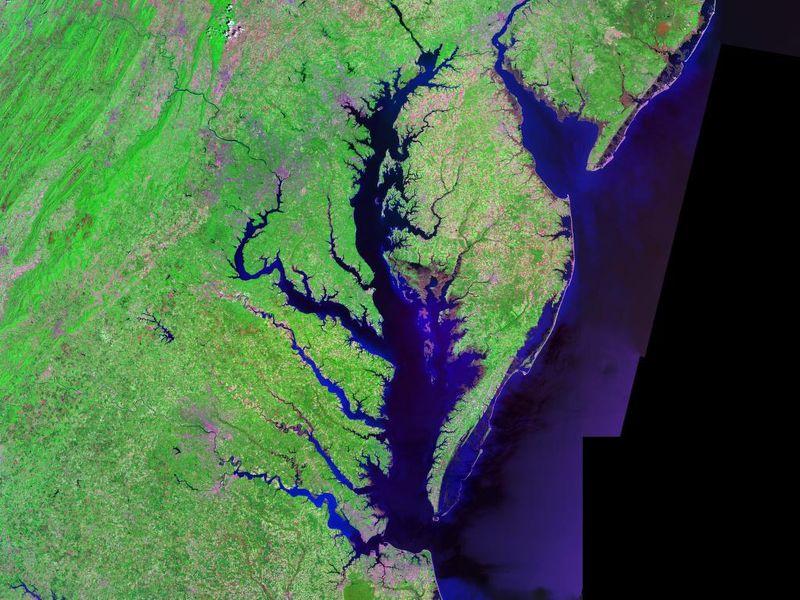
The Coastal Observations, Mechanisms, and Predictions Across Systems and Scales: Field, Measurements, and Experiments project established a network of observational field sites across Chesapeake Bay and western Lake Erie.
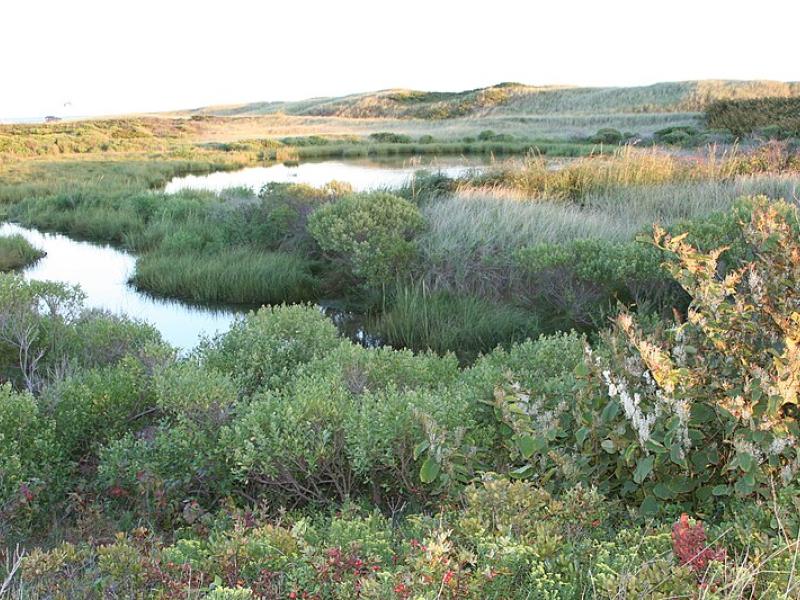
Due to their inherent variability and complexity over space and time, scientists are challenged to understand the complex interactions among soil, vegetation, and water along coastal terrestrial-aquatic interfaces.
This study characterized above- and below-ground properties to explore the spatial heterogeneity of the terrestrial aquatic interface ecosystem within the Chesapeake Bay area and evaluate the major drivers of soil respiration.
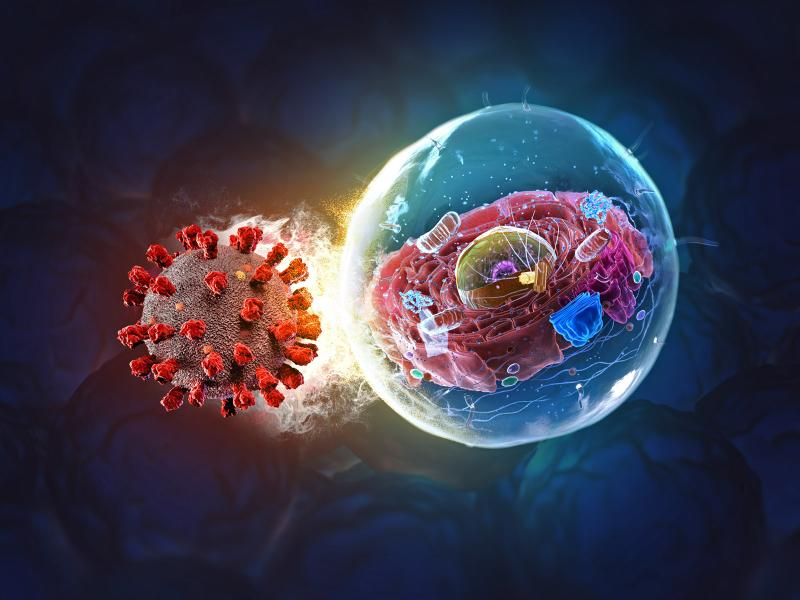
Over the next four years, PNNL and University of Arizona will develop open-source computational tools to better identify and characterize the viruses associated with the human microbiome.
Researchers developed a robust, cost-effective, and easy-to-use cap-based technique for spatial proteome mapping, addressing the lack of accessible proteomics technologies for studying tissue heterogeneity and microenvironments.
New datasets delineating global urban land support scientific research, application, and policy, but they can produce different results when applied to the same problem making it difficult for researchers to decide which to use.
The demand for energy is growing—and so is the technology supporting it. However, future development of power generation technologies could be affected by a key factor: material supply.