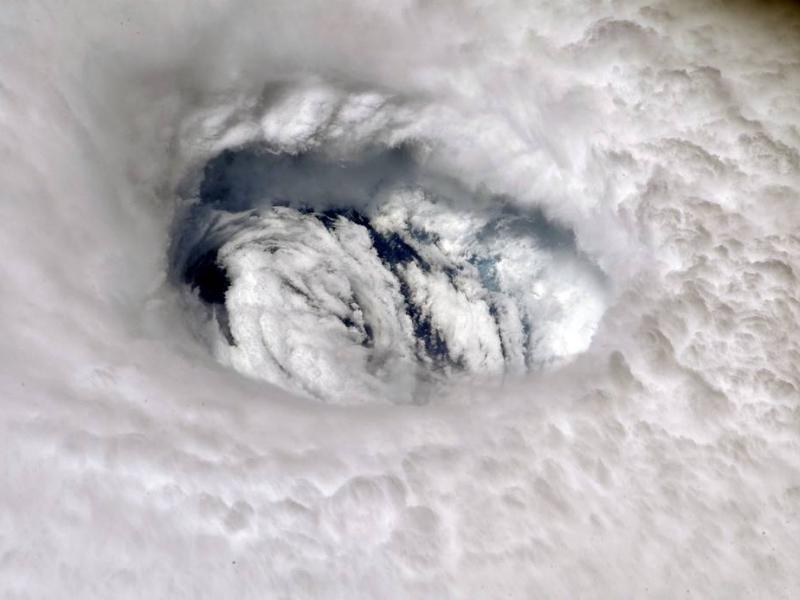
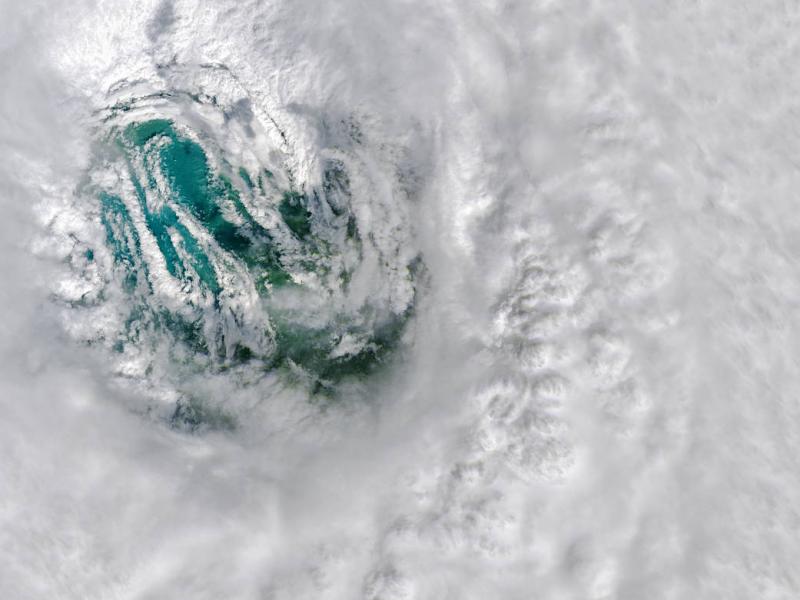
Scientists at PNNL are working to better prepare authorities, emergency responders, communities and the grid in the face of increasingly extreme hurricanes.
Secondary organic aerosol formation from monoterpenes is more strongly influenced by oxidant and monoterpene structure than by nitric oxides and hydroperoxy radical concentrations.
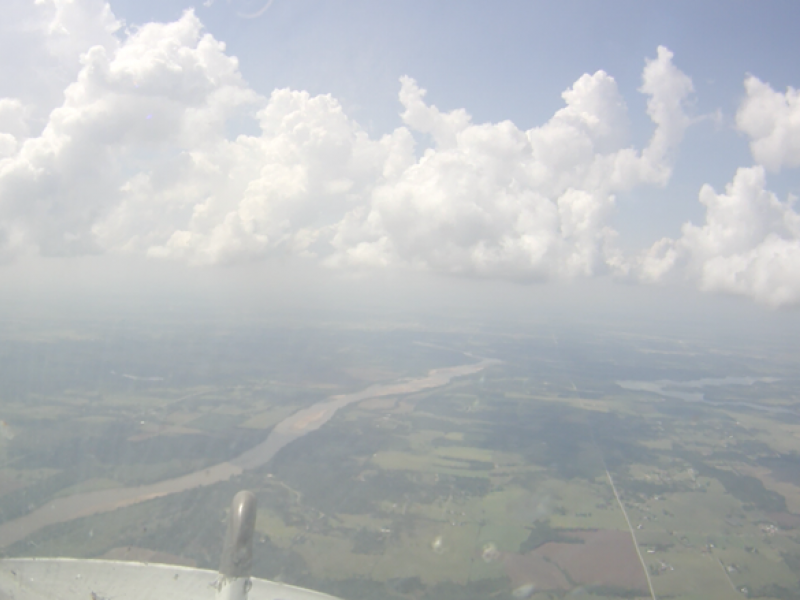
Repeated aircraft measurements over central Oklahoma allow researchers to better understand the spatial variability of aerosol properties that affect cloud evolution.
A new, simple, and efficient flow-based method allows researchers to pull a useful magnesium salt from natural seawater using easily available chemicals.
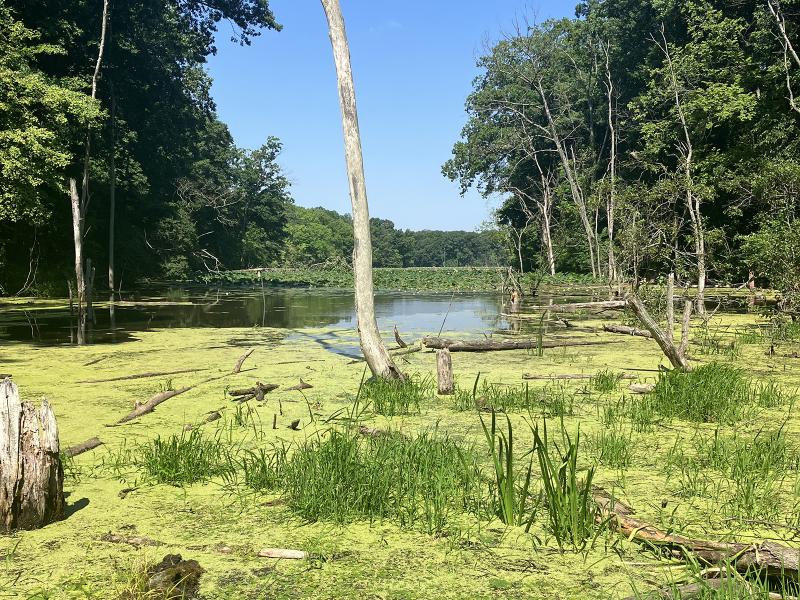
Diefenderfer, Earth scientist who focuses on coastal ecosystems at PNNL, recently published “Ten Years of Gulf Coast Ecosystem Restoration Projects Since the Deepwater Horizon Oil Spill,” a cover article.
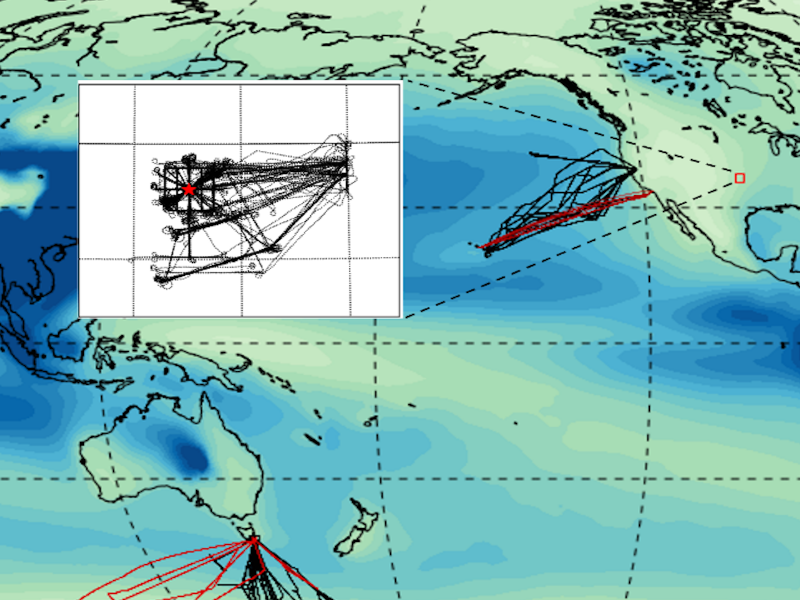
The Earth system model aerosol-cloud diagnostics package version 1 uses aircraft, ship, and surface measurements to evaluate simulated aerosols in an Earth system model.