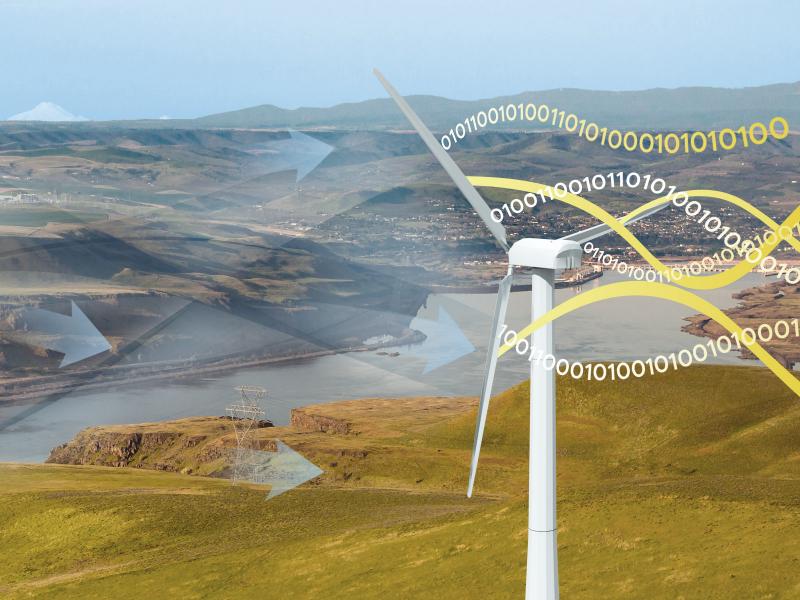
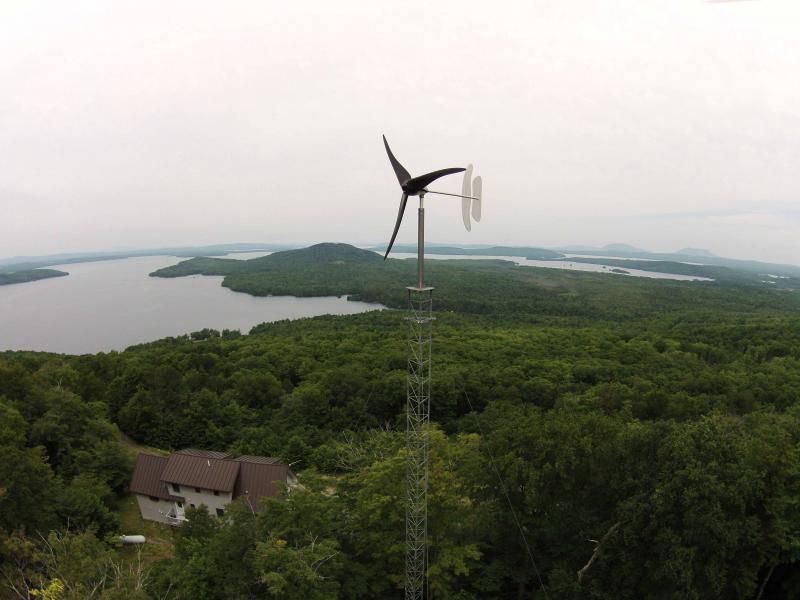
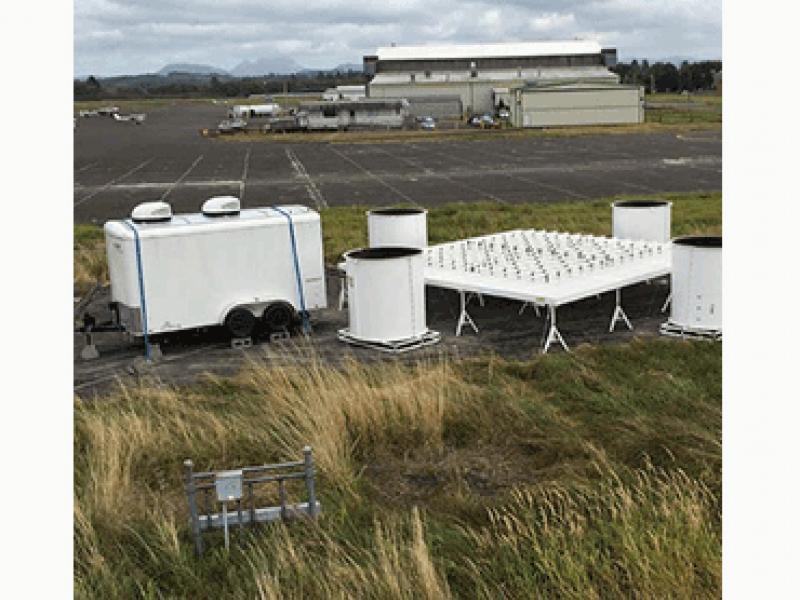
PNNL is managing the Data Archive and Portal, which provides the wind research community with secure, timely, easy, and open access to all data brought in from research under DOE’s Atmosphere to Electrons program.
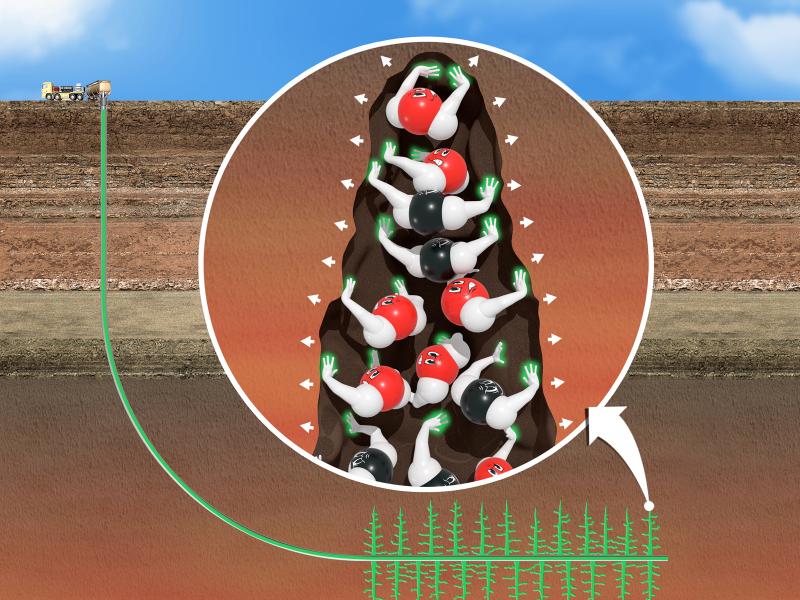
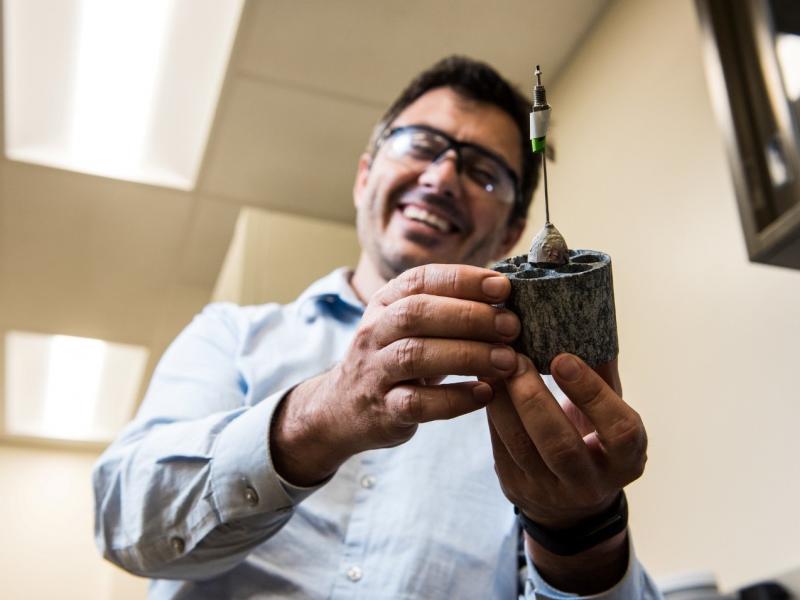
Researchers have identified two processes responsible for fracturing rock at lower pressures for geothermal energy production using PNNL’s fracturing fluid, StimuFrac™.
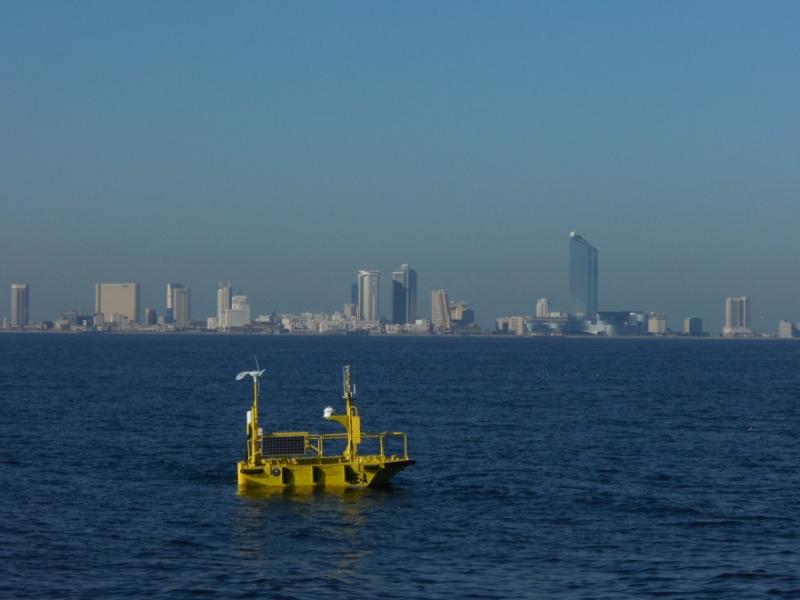
Alicia Gorton, marine scientist and project manager in the PNNL’s Coastal Sciences Division, has joined the editorial board of the Marine Technology Society Journal.
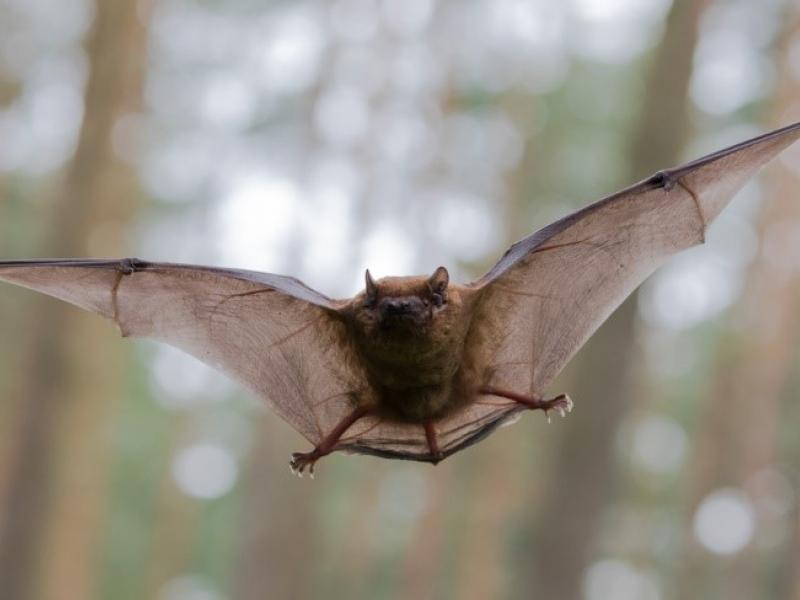
PNNL researchers are developing and evaluating bat tagging and tracking tools that will help design solutions to protect the bat population from wind turbines.
When the weather heats up, so does power demand for air conditioners and refrigerators. But what if you could cool things down by using heat itself instead of electricity?
Mama and calf humpback whales—considered a vulnerable species that might be entangled in underwater equipment—star in a new animation video that depicts the marine mammals’ scale and movements relative to floating offshore wind farms.
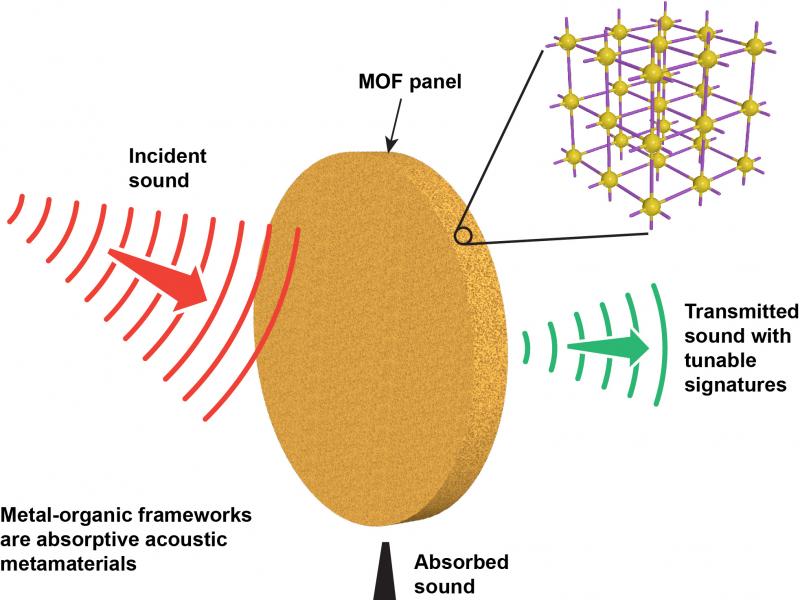
Researchers at PNNL are developing a new class of acoustically active nanomaterials designed to improve the high-resolution tracking of exploratory fluids injected into the subsurface. These could improve subsurface geophysical monitoring.
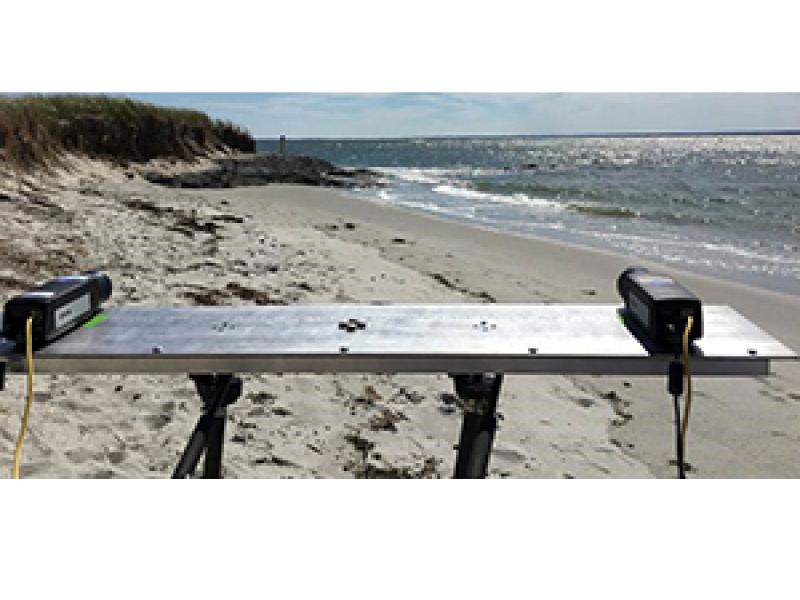
The stereo vision feature in ThermalTracker2 lets researchers see the exact position of birds and bats that could be affected by offshore wind turbines.