Contributions from researchers across Pacific Northwest National Laboratory (PNNL) were recently recognized in the preliminary findings of a Secretary of Energy Advisory Board (SEAB) report.
Joseph Williams, director of the Pacific Northwest National Laboratory Seattle Research Center, has been selected as a guest editor for the IEEE Computer journal.
Biomedical scientist Brian Thrall co-edited the issue published in the journal NanoImpact. Three of the articles in the issue include multiple PNNL authors.
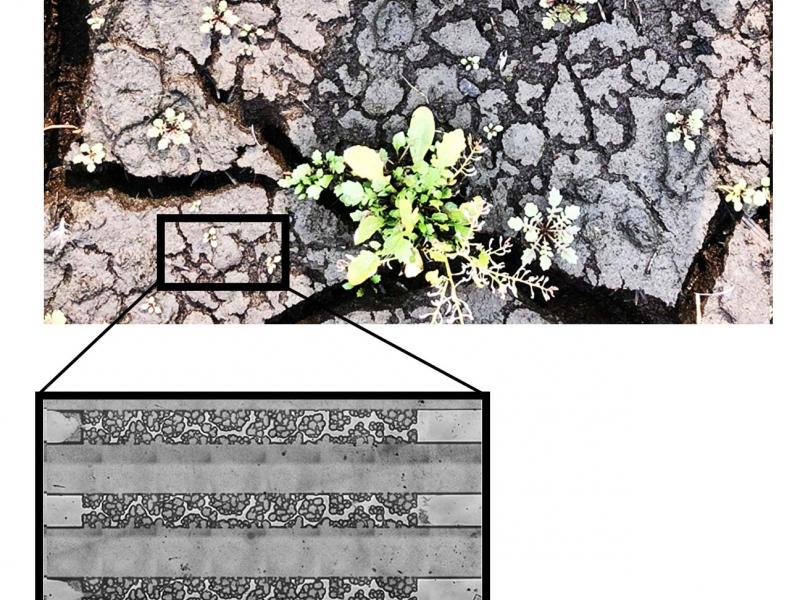
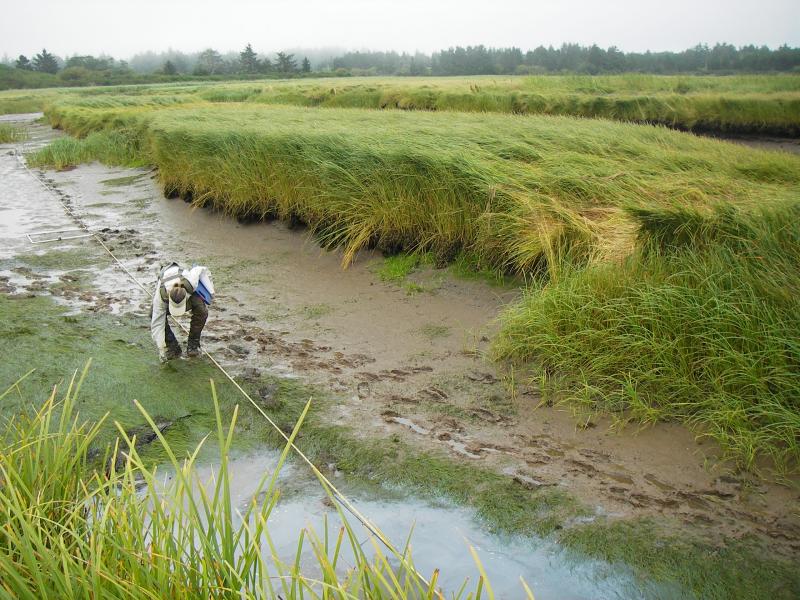
By studying discrete functional components of the soil microbiome at high resolution, researchers obtained a more complete picture of soil diversity compared to analysis of the entire soil community.
As author of her first publication, PNNL bioinformaticist Isabelle O’Bryon developed the first forensic proteomics method to more quickly detect ricin, a toxin often crudely made in home laboratories that can kill in trace amounts.
For the past several years Sam Chatterjee, PNNL data scientist and lead editor, has worked hard to make a book about homeland security risk analysis a reality. And in June, his perseverance paid off.
Two PNNL team members, Courtney Corley, a data scientist, and Kyle Bingman, an advisor on assured artificial intelligence (AI), were featured on a recent episode of the U.S. Department of Energy Direct Currents podcast.
Sam Chatterjee, a senior operations research scientist at PNNL, was recently appointed as associate editor for the specialty section, “Water and the Built Environment” at the peer-reviewed, open access journal Frontiers in Water.
Ten staff members from PNNL were invited to attend and lead the various breakout sessions at the Department of Energy Office of Science 5G Enabled Energy Innovation Workshop (5GEEIW), which was held in early March.
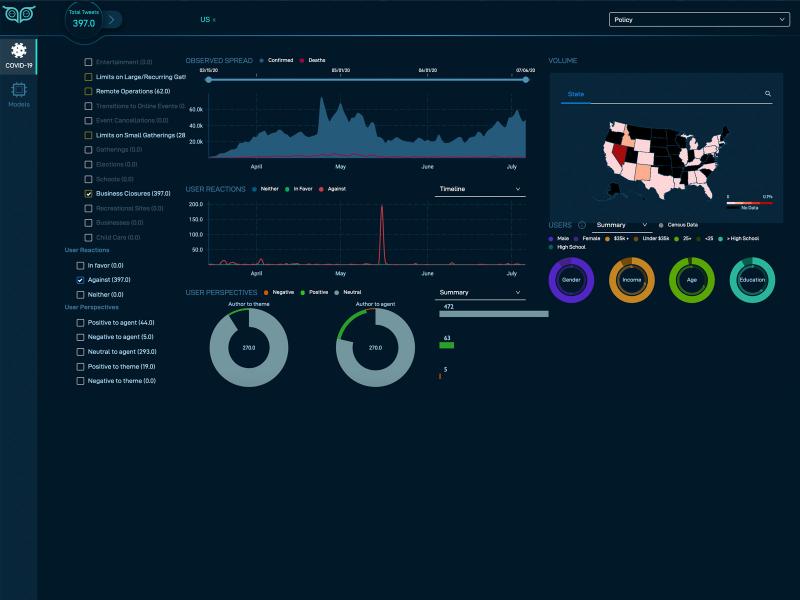
Software vulnerabilities are likely to be discussed on social media before they’re revealed on a government reporting site, a practice that could pose a national security threat, according to computer scientists at PNNL.
Two PNNL researchers are helping define the future of transparency and accountability for public and private use of autonomous and intelligent systems.
Scientists at the U.S. Department of Energy’s Pacific Northwest National Laboratory have developed and continue to maintain a global database of measurements made of soil-to-atmosphere CO2 flows, termed soil respiration.