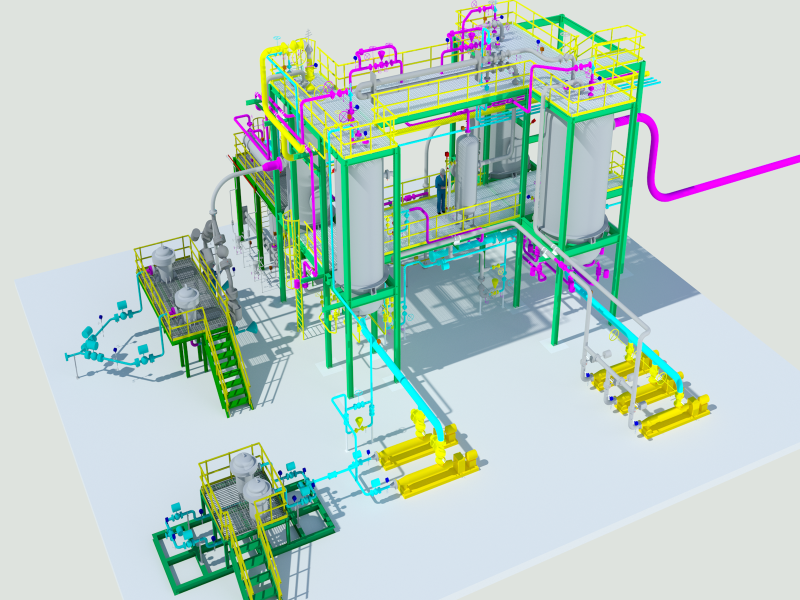
A PNNL innovation uses steam to recover heat from the high-temperature reactor effluent in the HTL process, substantially reducing the propensity for fouling and potentially reducing costs.
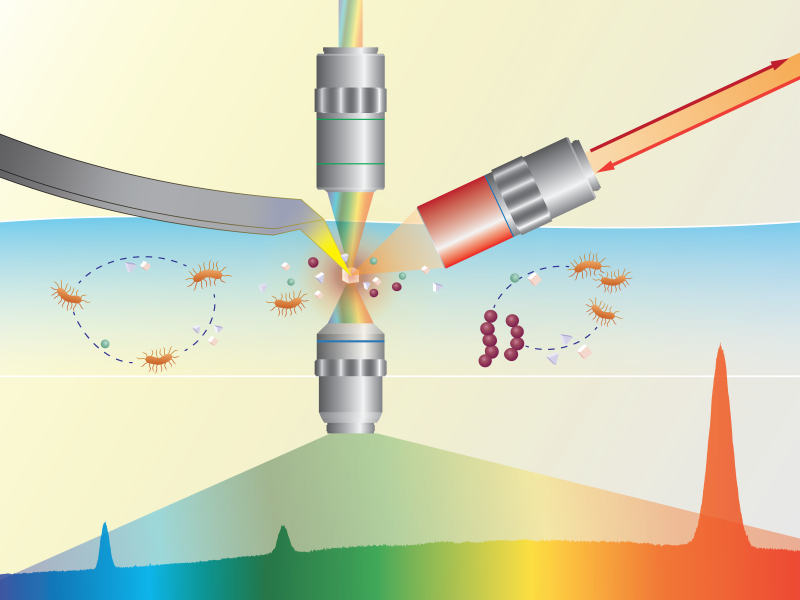
A new nano-optical bioimaging technology in development at PNNL enables researchers to watch climate-bellwether microbes exchange metabolites and other essential signals.
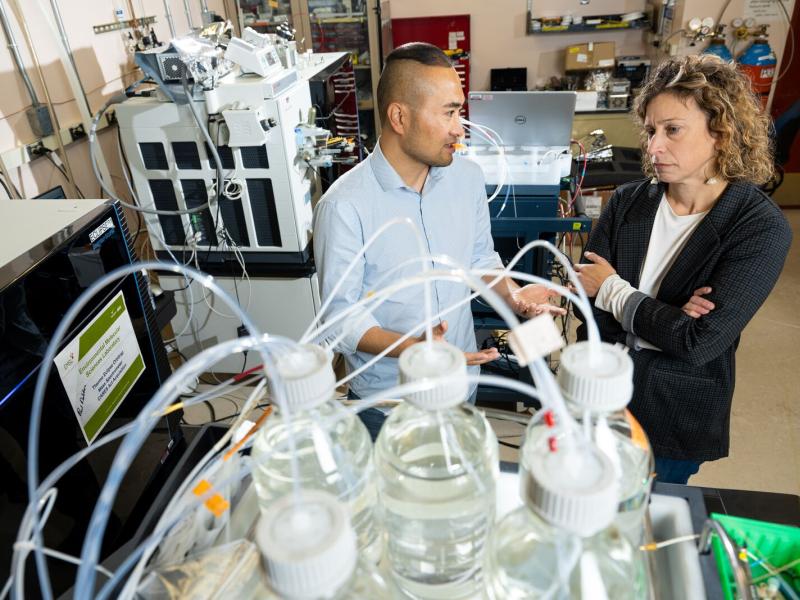
A multi-omics analysis provides the framework for gaining insights into the structure and function of microbial communities across multiple habitats on a planetary scale
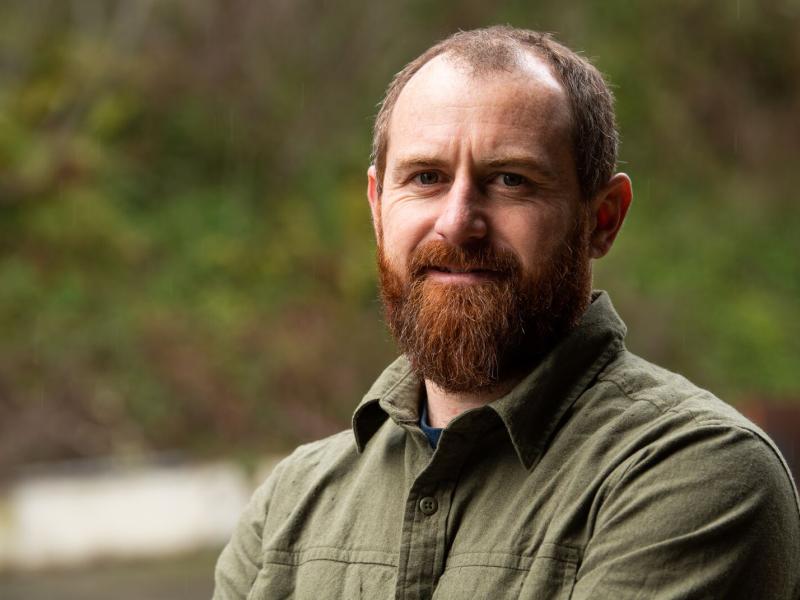
Gosline works to develop computational algorithms that are uniquely targeted for rare disease work by doing foundational research in model system development. This work can be expanded to all model systems in human disease.
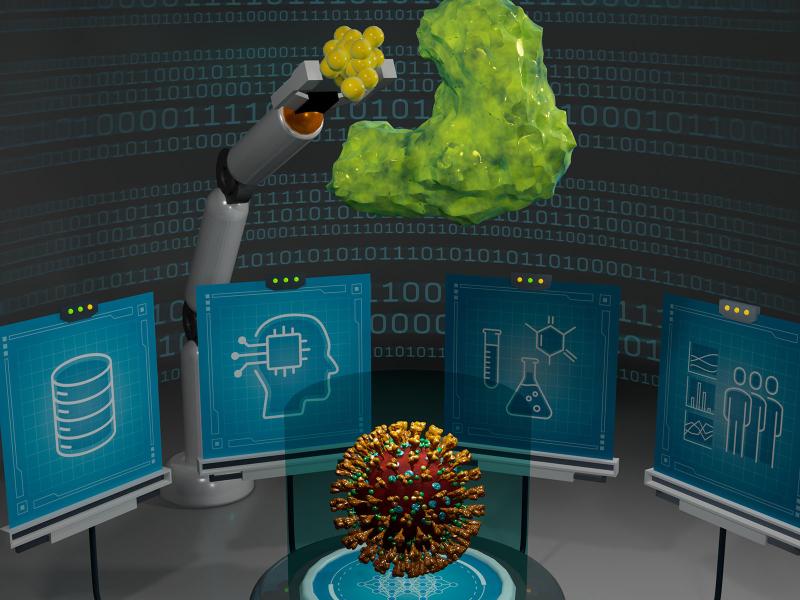
Data-driven autonomous technology to rapidly design and deliver antiviral interventions targeting SARS-CoV-2 to reduce drug discovery timeline and advance bio preparedness capabilities.
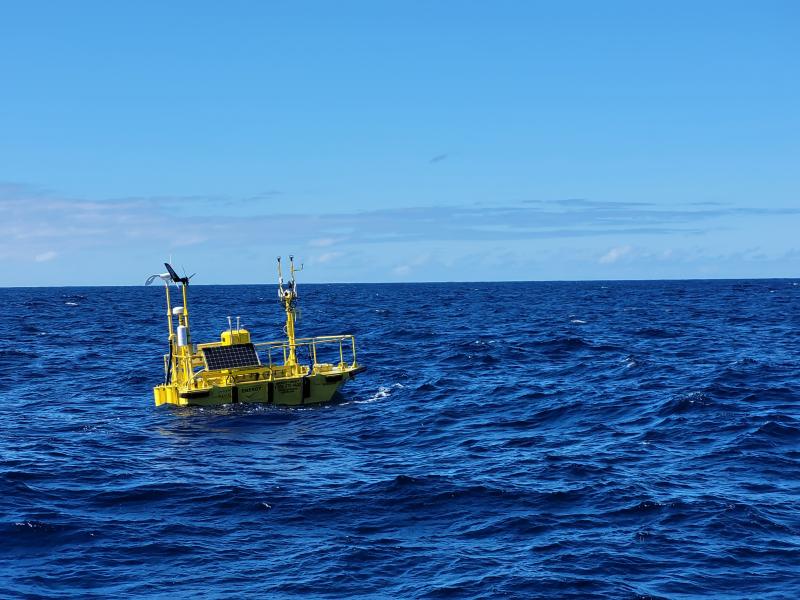
A research buoy managed by PNNL has been deployed in Hawai’ian waters, collecting oceanographic and meteorological measurements off the coast of O’ahu.
A new sodium battery technology shows promise for helping integrate renewable energy into the electric grid. The battery uses Earth-abundant raw materials such as aluminum and sodium.
PNNL Biomedical Scientist Geremy Clair has taken on new roles as an editor for two journals; Frontiers In Cellular And Infection Microbiology and Frontiers In Molecular Biosciences.
PNNL wind energy program manager Alicia Mahon was a guest editor in a special issue about advancements in buoy technology in the Marine Technology Society Journal.
Fish biologist Brenda Pracheil has been named chair of the Low Impact Hydropower Institute focused on reduction of impacts of hydropower dams on the environment.