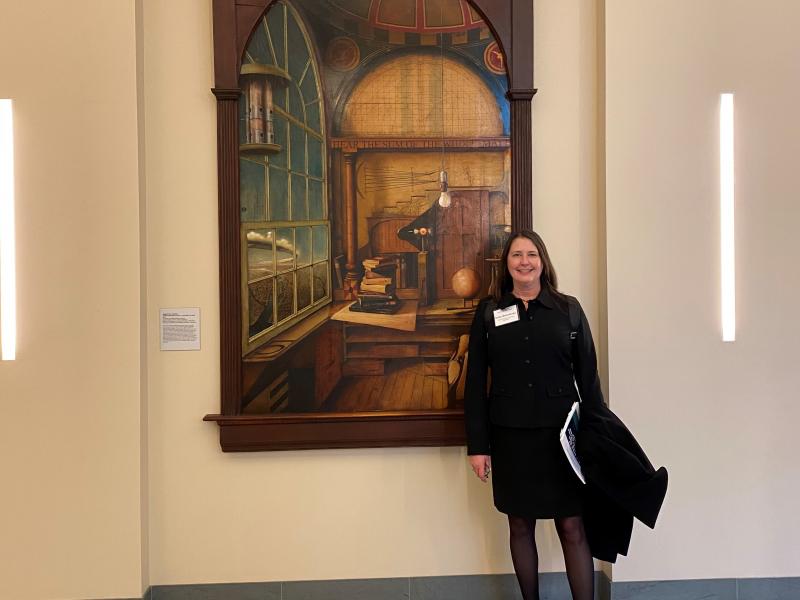
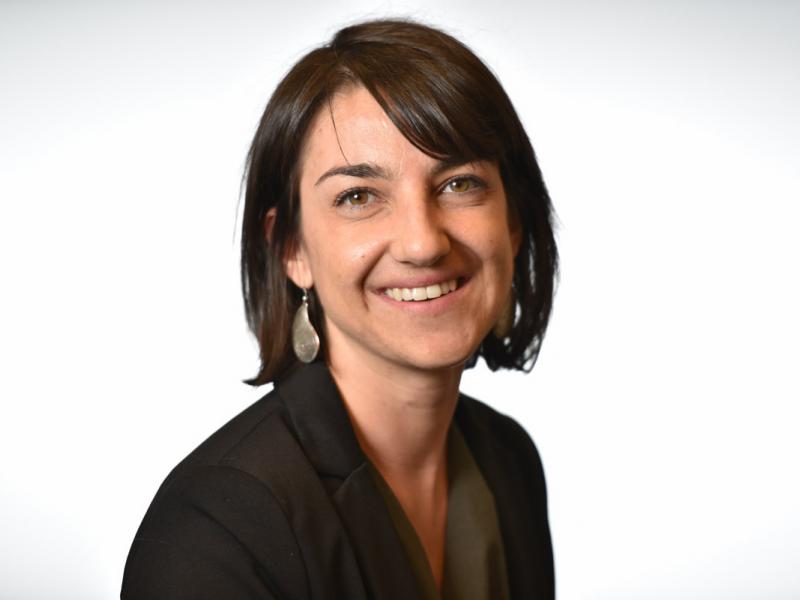
PNNL coastal ecologist Heida Diefenderfer was a featured speaker in February at the National Academies of Sciences, Engineering, and Medicine’s Government-University-Industry Research Roundtable on policy and global affairs.
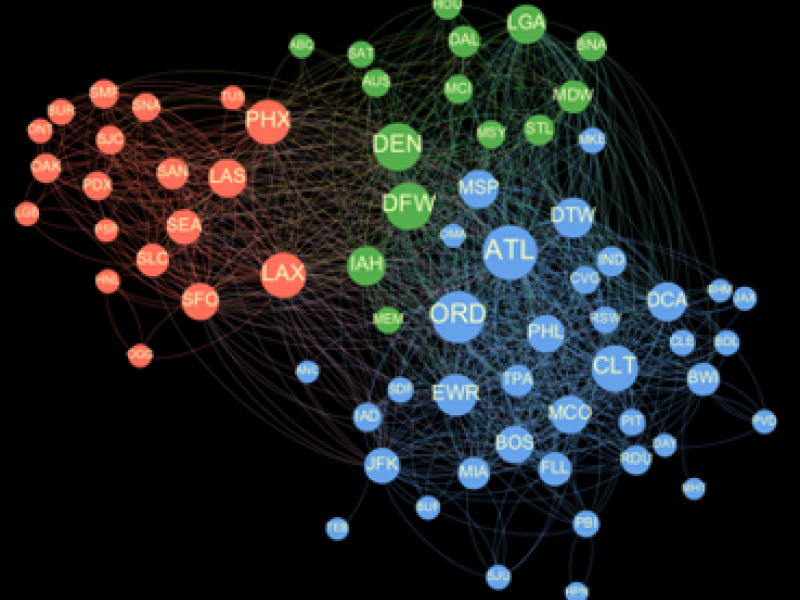
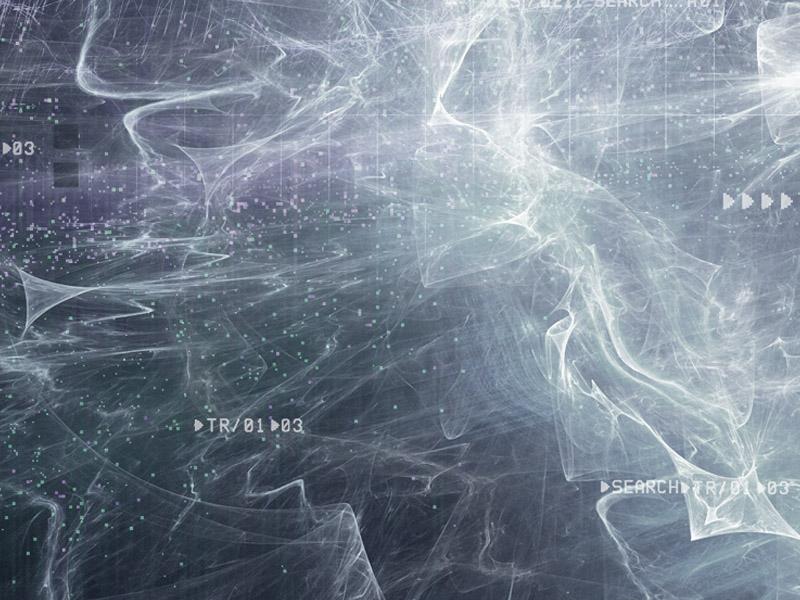
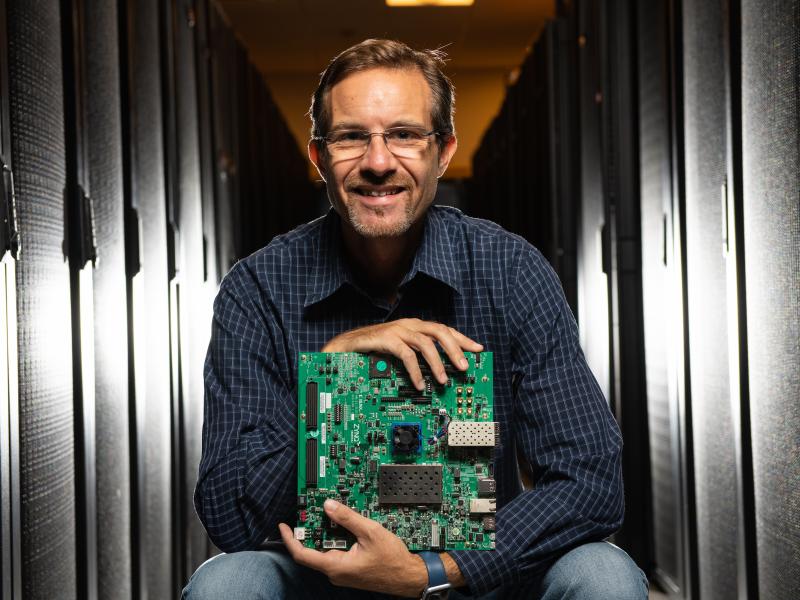
First-of-its-kind network analysis on a supercomputer can speed real-time applications for cybersecurity, transportation, and infectious disease tracking
PNNL’s Juliet Homer was an invited panelist at a California Energy Commission workshop, which highlighted research on water treatment, delivery, and energy.
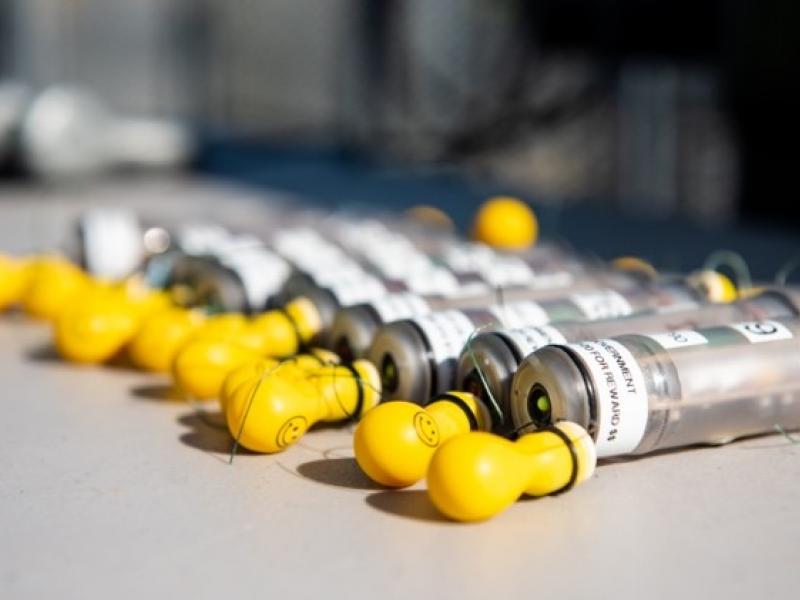
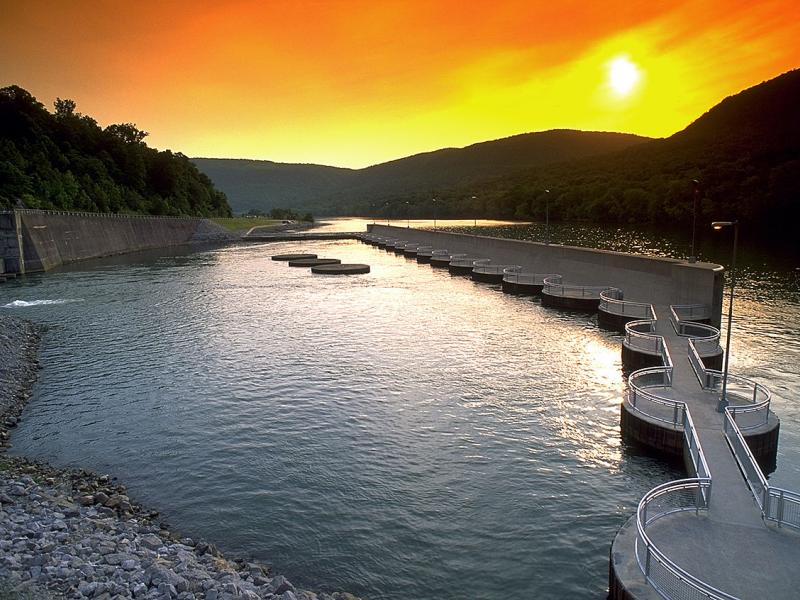
PNNL's Sensor Fish were deployed at Ice Harbor Dam to collect data from a new turbine. The data indicates the design changes are making travel through the dam less arduous for fish.
In a special edition of the Journal of Information Warfare, Pacific Northwest National Laboratory researchers explore the revolution of technologies defending the nation’s critical infrastructure.
PNNL will provide technical support to finalists in the Incubate stage and to Grand Prize Winners following the Pitch contest stage of the Fish Protection Prize competition, which is now accepting submissions.
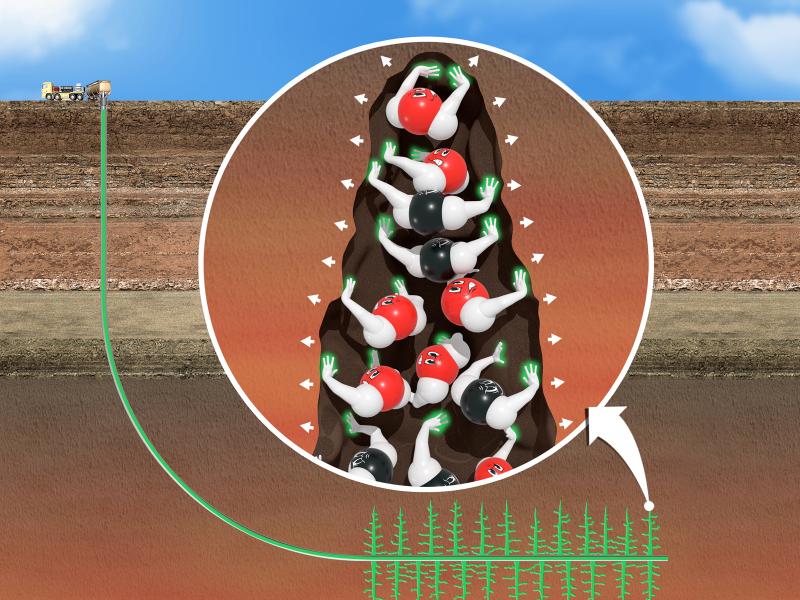
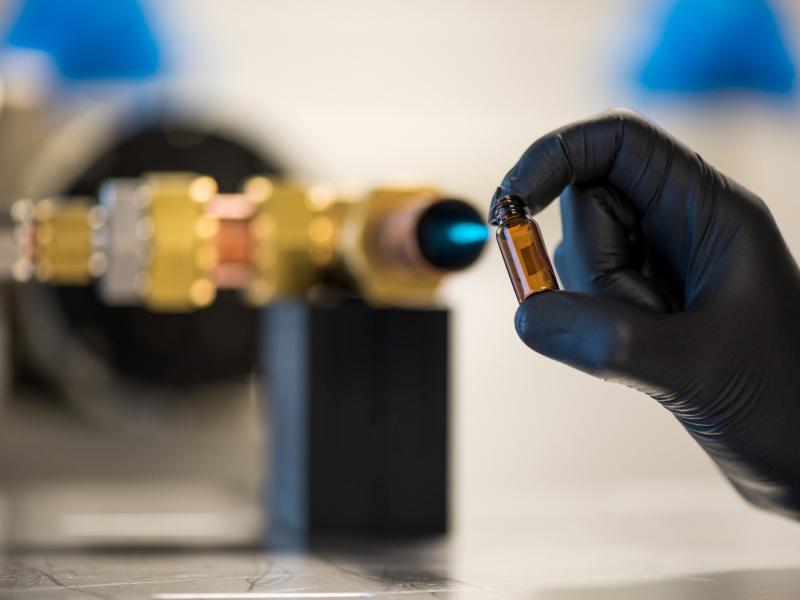
Researchers have identified two processes responsible for fracturing rock at lower pressures for geothermal energy production using PNNL’s fracturing fluid, StimuFrac™.
At a conference featuring the most advanced computing hardware and software, ML in its various guises was on full display and highlighted by Nathan Baker’s featured invited presentation.
Pumped-storage hydropower offers the most cost-effective storage option for shifting large volumes of energy. A PNNL-led team wrote a report comparing cost and performance factors for 10 storage technologies.
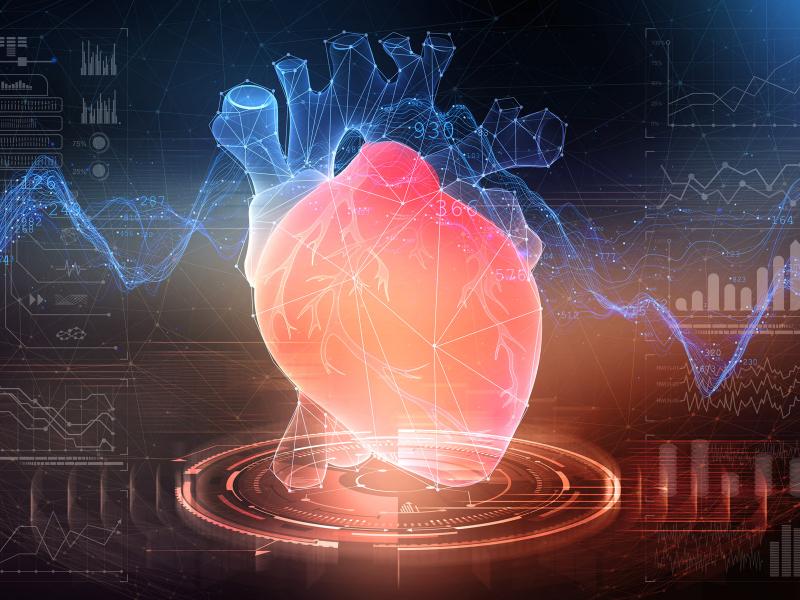
Scientists at PNNL are bringing artificial intelligence into the quest to see whether computers can help humans sift through a sea of experimental data.
In today’s digital age, the rabbit hole of connected information can be not only a time sink, but downright overwhelming. Even for high-performance computers.
Twenty-four analysts from U.S. intelligence organizations met in August for a machine learning activity with PNNL researchers Nicole Nichols, Jeremiah Rounds, Lawrence Phillips, and Brian Kritzstein.
Trouble on the electric grid might start with something relatively small: a downed power line, or a lightning strike at a substation. What happens next?
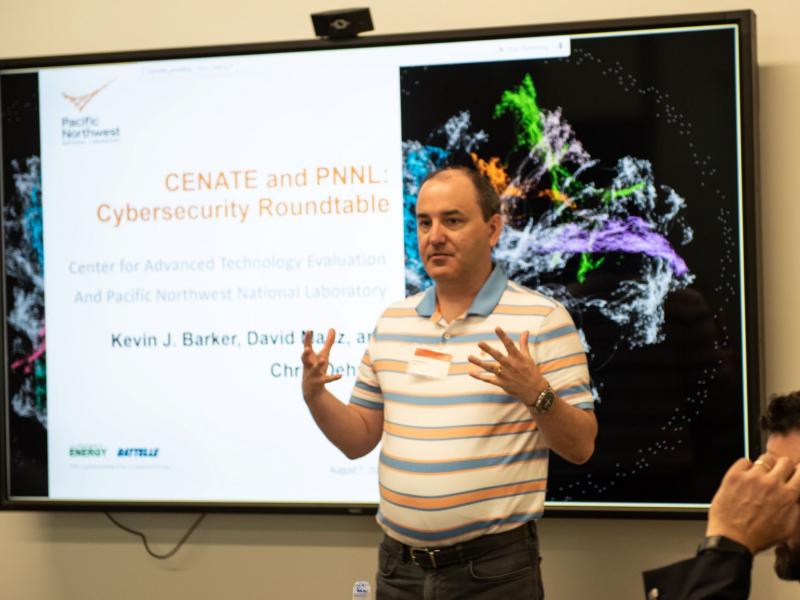
Pacific Northwest National Laboratory is leading efforts to address next-generation computing’s critical role in protecting the nation from cybersecurity threats.