From developing new energy storage materials to revealing patterns of Earth’s complex systems, studies led by PNNL researchers are recognized for their innovation and influence.
PNNL's E-COMP initiative is helping unleash American energy innovation with advanced theories, models, and software tools to better operate power systems that rely heavily on high-speed power electronic control.
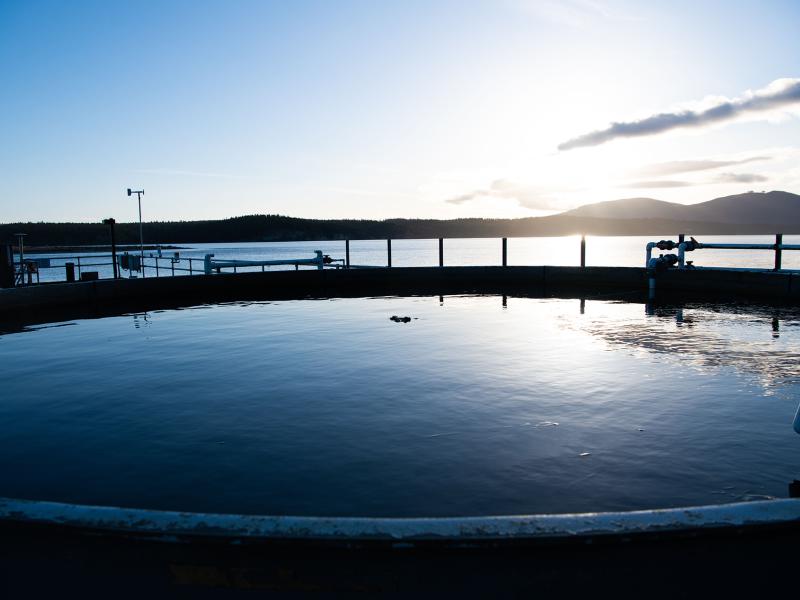
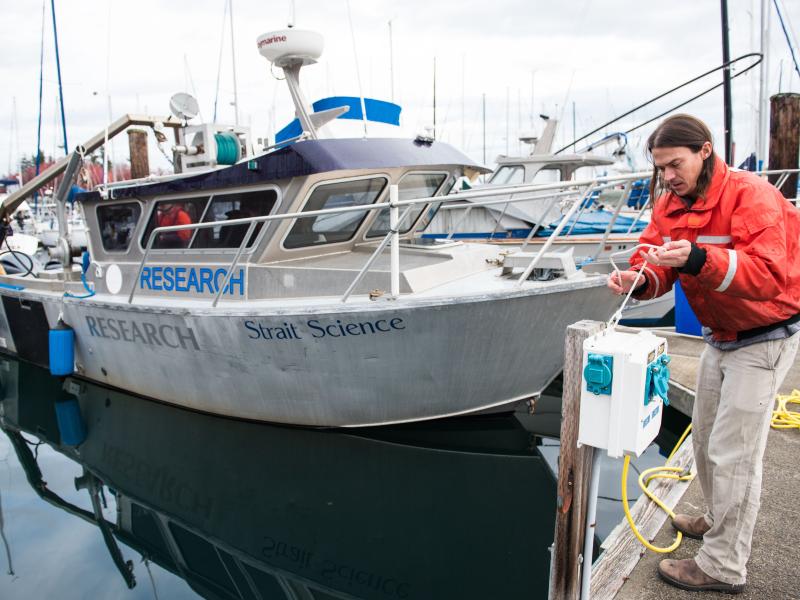
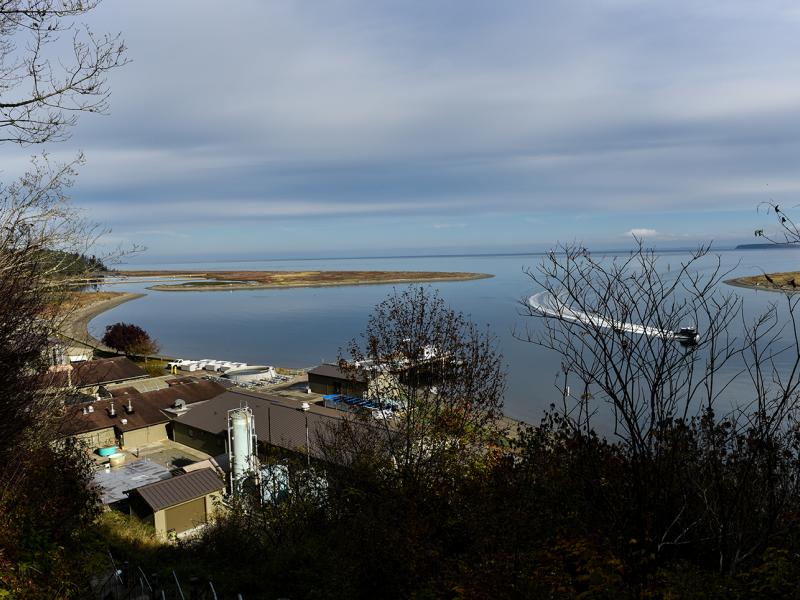
PNNL-Sequim scientists will spend the next year testing a new technology that could allow the ocean to soak up more carbon dioxide without contributing to ocean acidification.
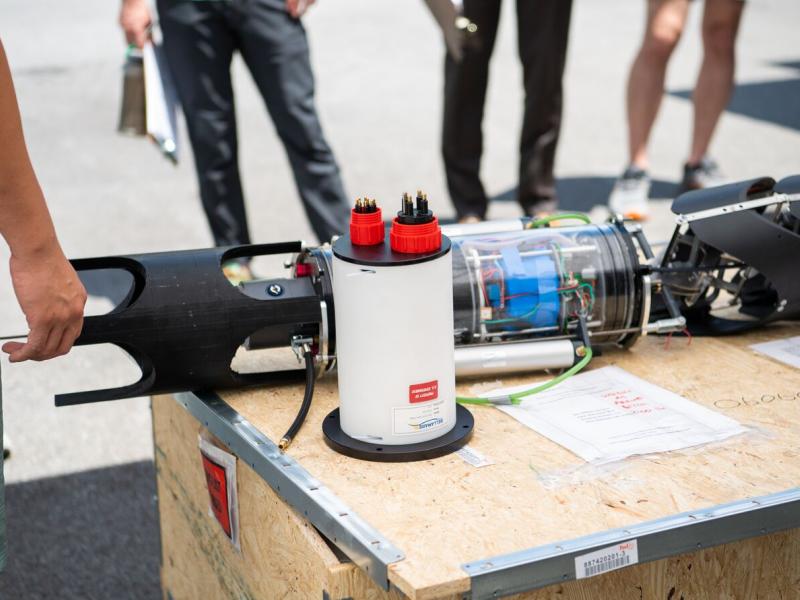
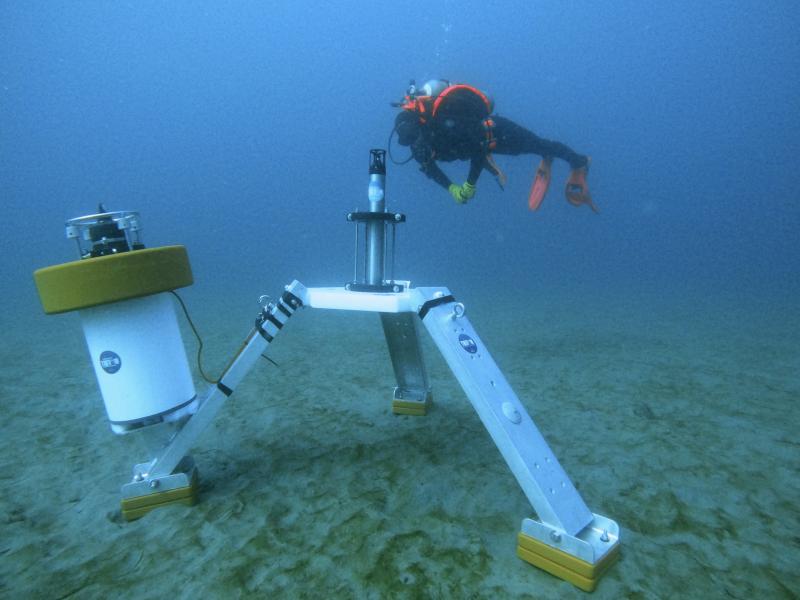
PNNL researchers developed the dummy payload to evaluate the performance of marine energy device prototypes in the Powering the Blue Economy: Ocean Observing Prize Competition.
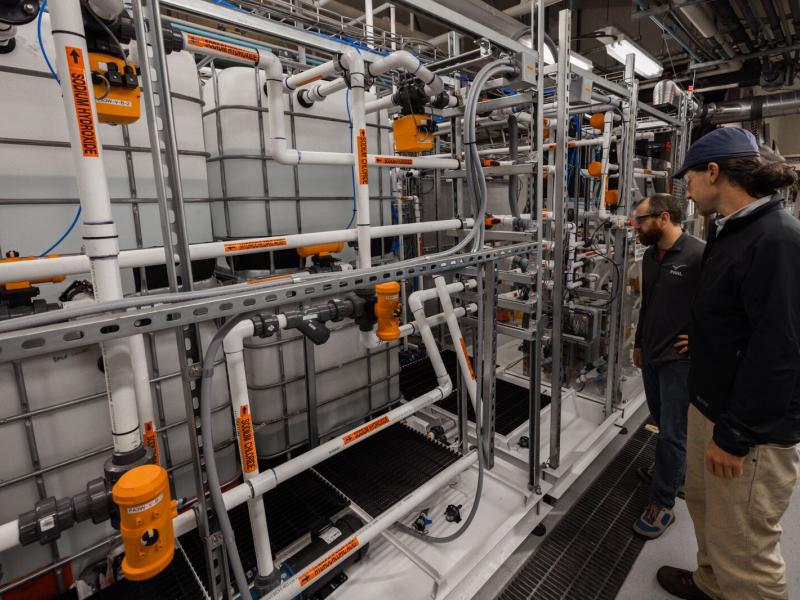
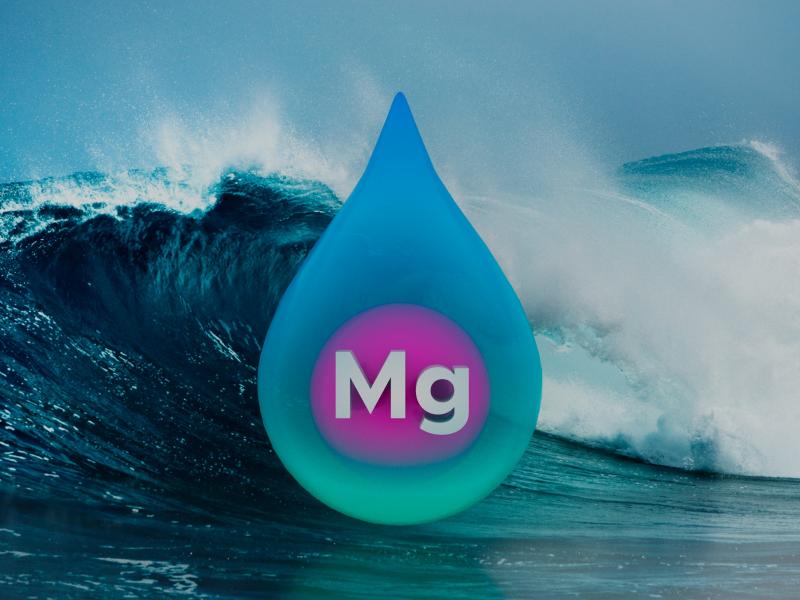
A new, simple, and efficient flow-based method allows researchers to pull a useful magnesium salt from natural seawater using easily available chemicals.
Sue Southard's one thousand dives as a PNNL staff member leave a ripple effect on efforts to keep our ocean healthy, our economy thriving, and our waters safe.
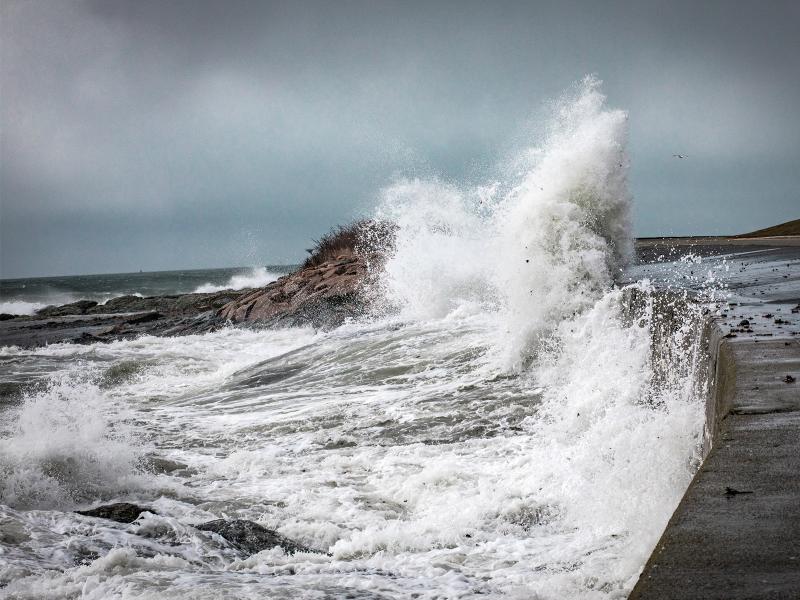
Incorporating green infrastructure into flood protection plans alongside gray infrastructure can shield communities, reduce maintenance, and provide additional social and environmental benefits.
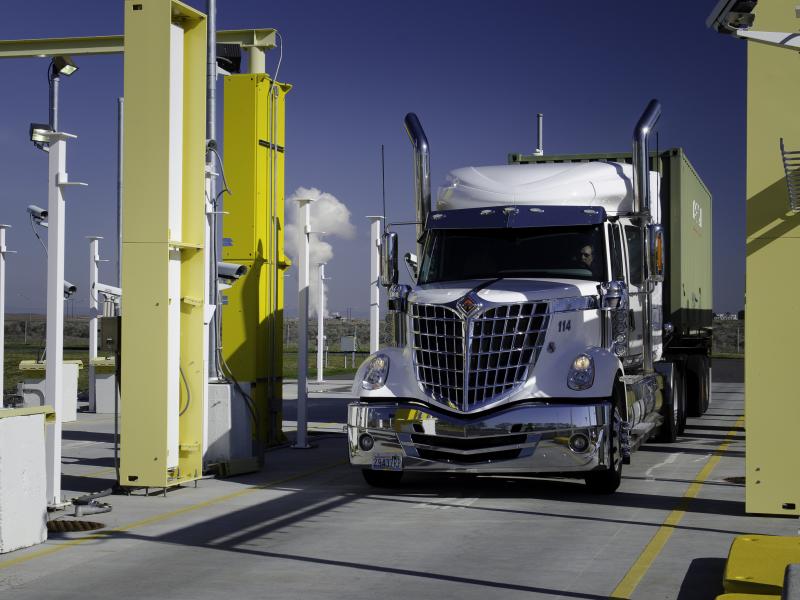
A paper by PNNL scientists on nuclear explosion monitoring technology is among top articles in nuclear instruments journal to draw most social media “buzz.”