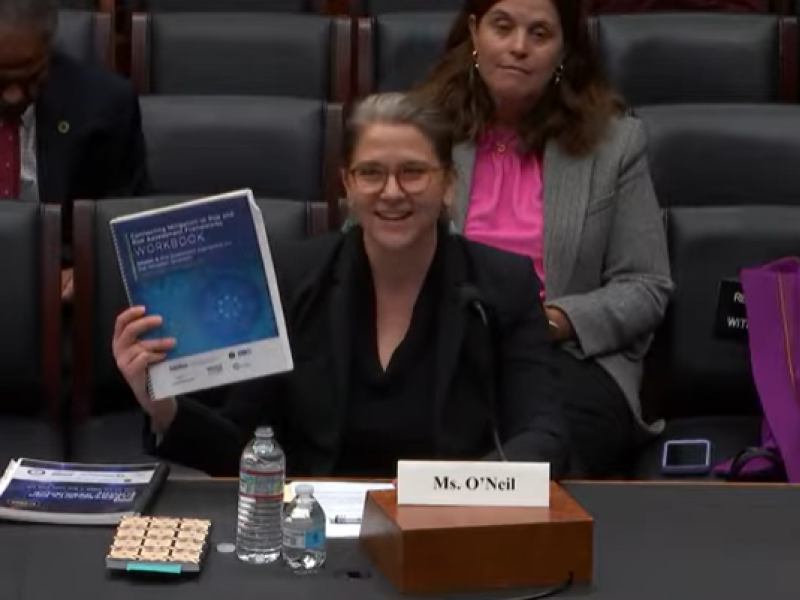
Rebecca O’Neil, a research principal in the Energy and Environment Directorate at PNNL, was invited to testify before the House Committee on Energy and Commerce’s Subcommittee on Energy.
From developing new energy storage materials to revealing patterns of Earth’s complex systems, studies led by PNNL researchers are recognized for their innovation and influence.
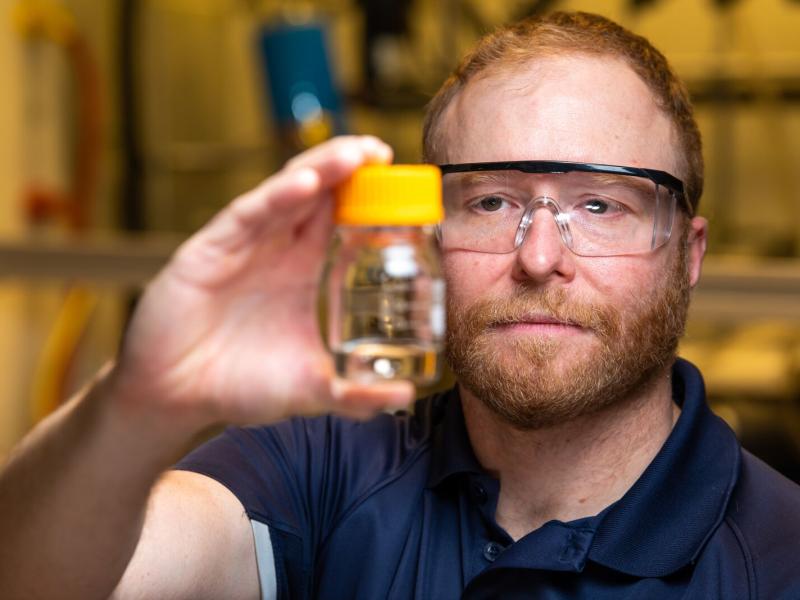
David Heldebrant was selected for the 2025 Distinguished Service Award from the American Chemical Society Division of Energy & Fuels, recognizing his impact to energy and fuels chemistry.
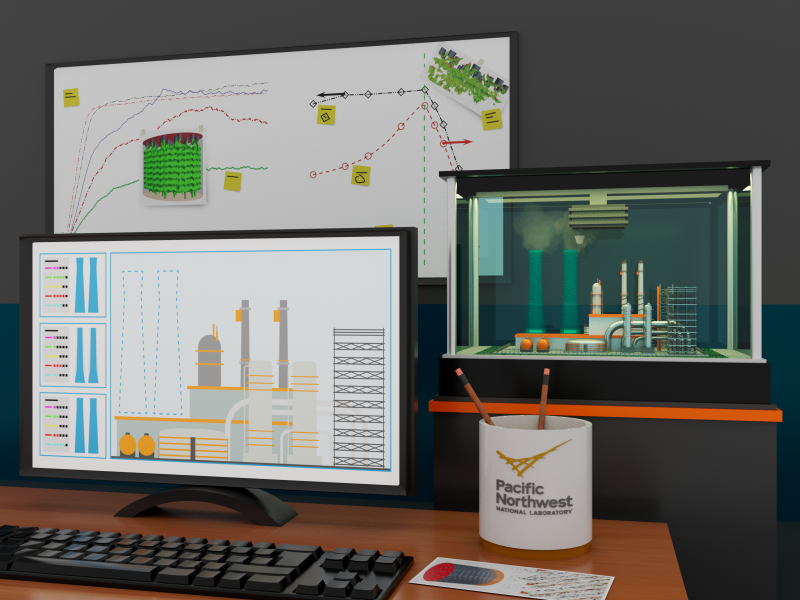
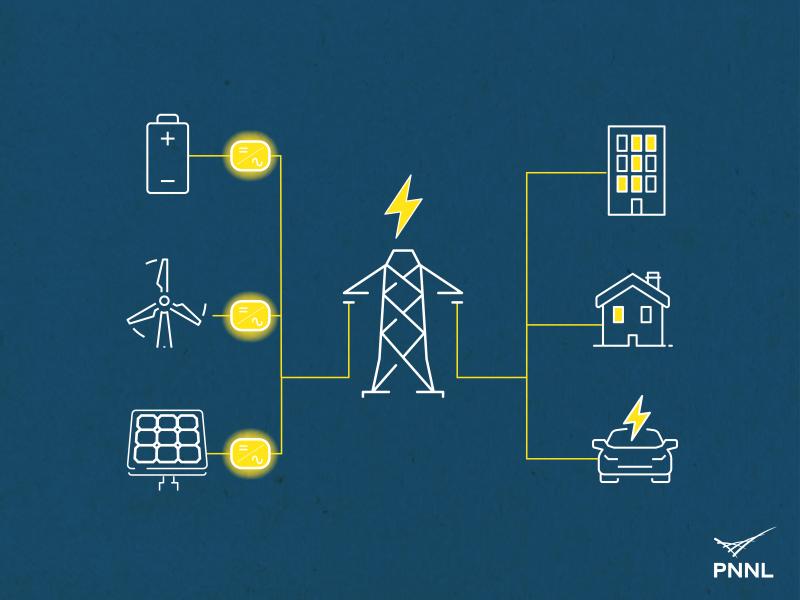
PNNL's E-COMP initiative is helping unleash American energy innovation with advanced theories, models, and software tools to better operate power systems that rely heavily on high-speed power electronic control.
PNNL will engage with transmission planners and other regional partners through technical assistance and listening sessions with the goal of exploring opportunities to integrate equity into transmission planning.
Across the United States, organic carbon concentration imposes a primary control on river sediment respiration, with additional influences from organic matter chemistry.
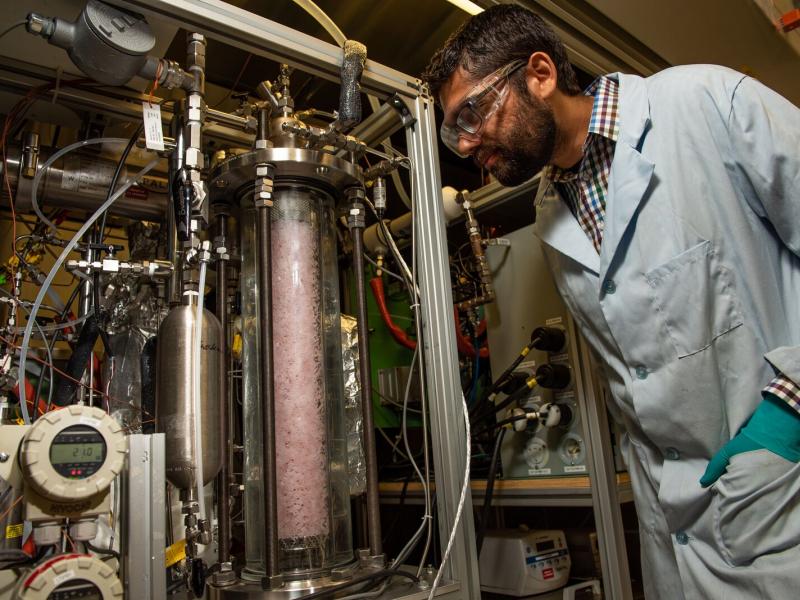
PNNL scientists carve a path to profit from carbon capture by creating a system that efficiently captures CO2 and converts it into one of the world’s most widely used chemicals: methanol.
A new perspective article discusses how integrating carbon dioxide capture and conversion in solvents can lead to cheaper and more efficient carbon management systems.
PNNL researchers developed a new model to help power system operators and planners better evaluate how grid-forming, inverter-based resources could affect the system stability.
Three recent doctoral graduates are beginning their research careers at Pacific Northwest National Laboratory after completing the WSU-PNNL Distinguished Graduate Research Program this spring.
Grid Forward, an industry association dedicated to promoting and accelerating innovation in the regional electric system, honored PNNL's Carl Imhoff with the 2021 Grid Innovator Award.
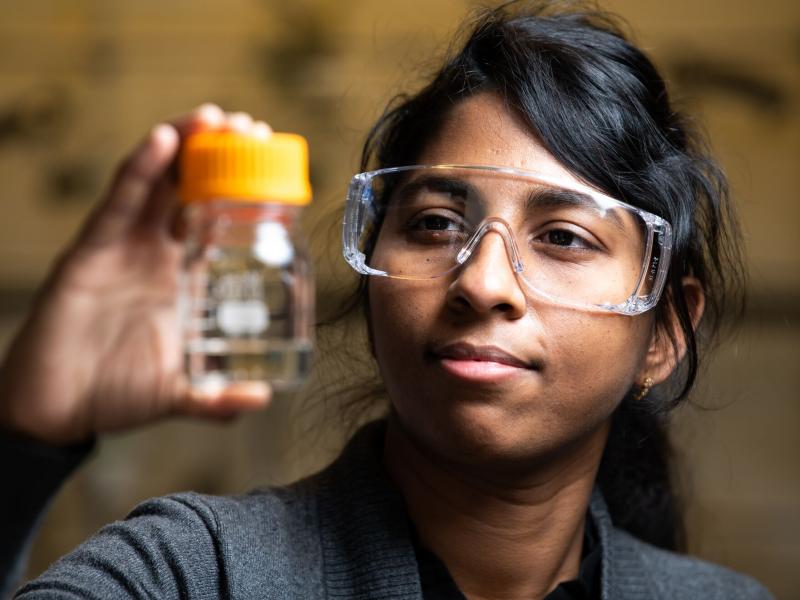
PNNL’s newest solvent captures carbon dioxide from power plants for as little as $47.10 per metric ton, marking a significant milestone in the journey to lower the cost of carbon capture.
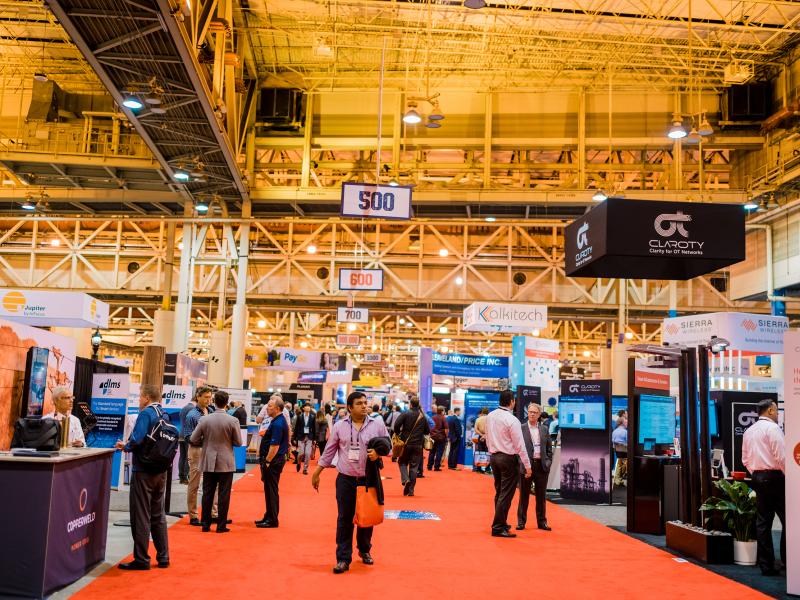
PNNL and the 13 other national laboratories of the Grid Modernization Laboratory Consortium (GMLC) will be sharing their R&D work and technologies for grid modernization at DistribuTECH International in San Antonio Jan. 28-30.
PNNL will lead three new grid modernization projects funded by the Department of Energy. The projects focus on scalability and usability, networked microgrids, and machine learning for a more resilient, flexible and secure power grid.