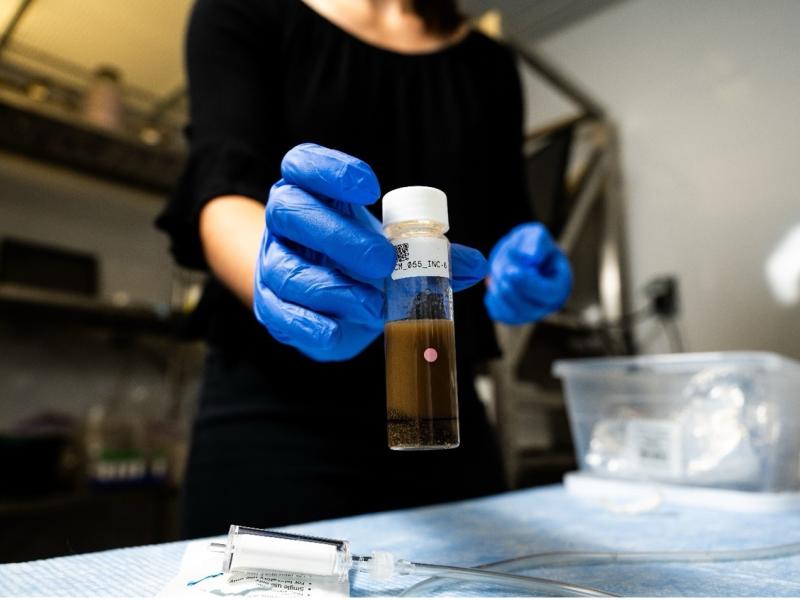
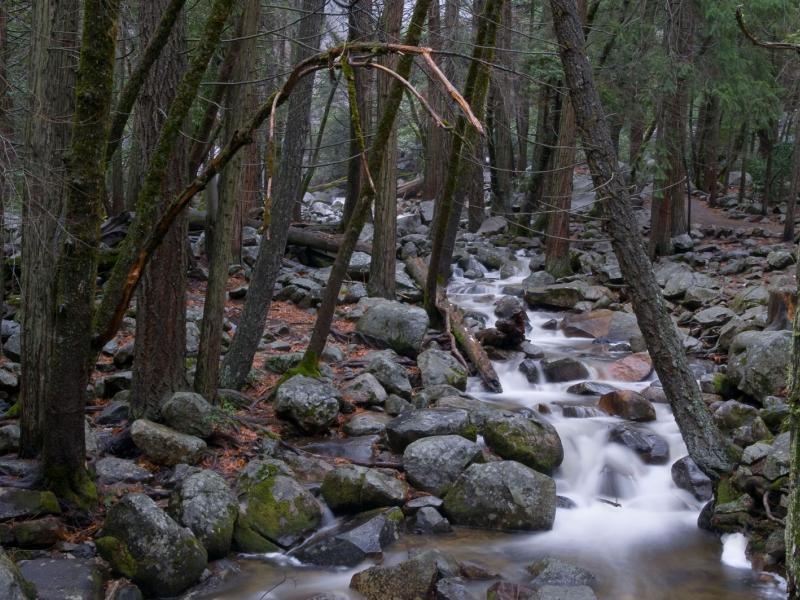
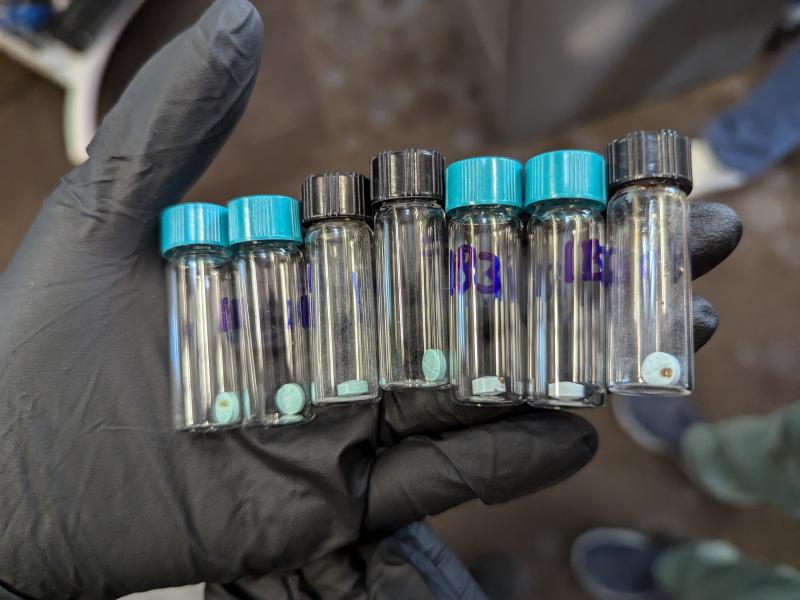
A multi-institutional team of researchers systematically compared extraction techniques for characterizing plant litter composition that relies on organic matter extraction.
PNNL will analyze current and projected transportation fuel dynamics, supply chain risks, and risk comparators with relevant sectors, such as transportation electrification.
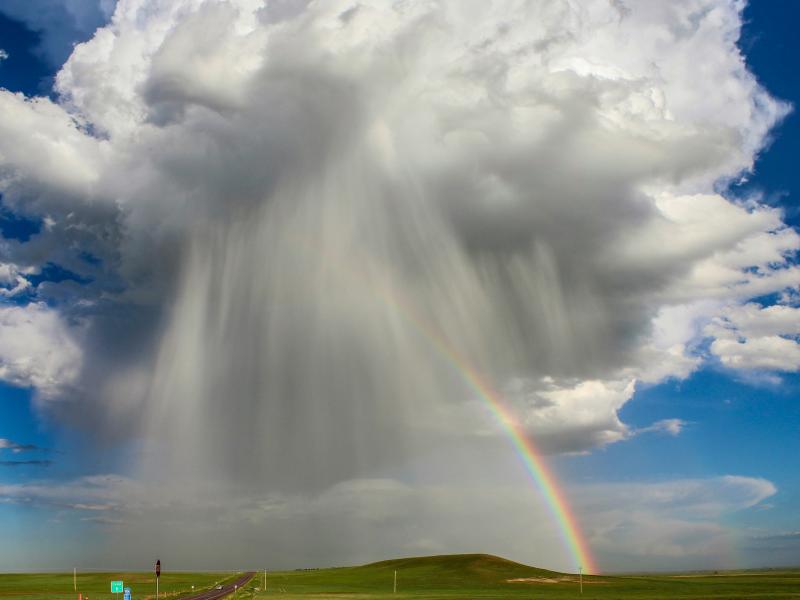
A new analysis shows how renewable energy sources like solar, wind and hydropower respond to climate patterns, and how utilities can use this data to save money and invest in energy storage.
NASA has awarded $2.5 million to the BioS-ENDURES consortium, led by the University of Washington and including WSU and PNNL, to advance space life sciences research supporting human health in space and Earth-based applications.
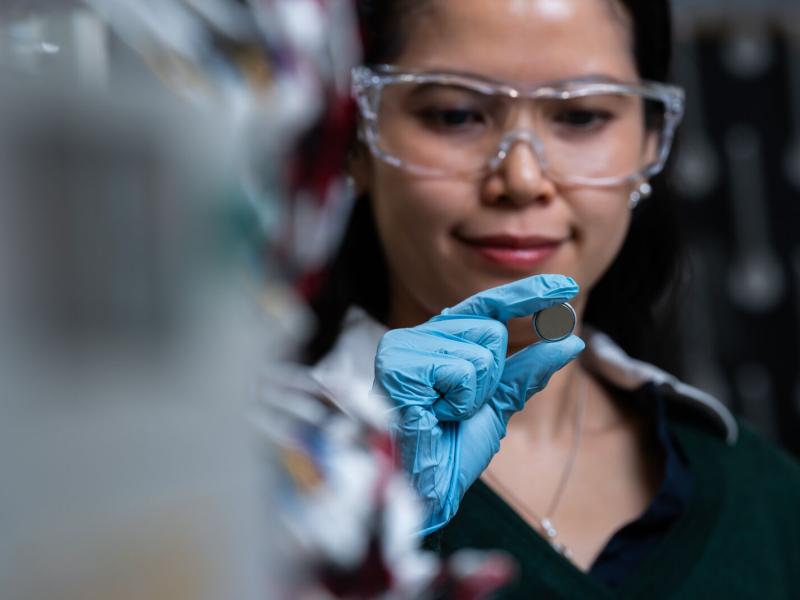
Global experts gathered at PNNL for the 9th International Conference on Sodium Batteries, sharing advancements in sodium battery research and development.
Alicia Amerson's passion for science communication, expertise in marine mammal research, and experience in wildlife photography provide a robust foundation for her new role with the Clallam County Marine Resources Committee.
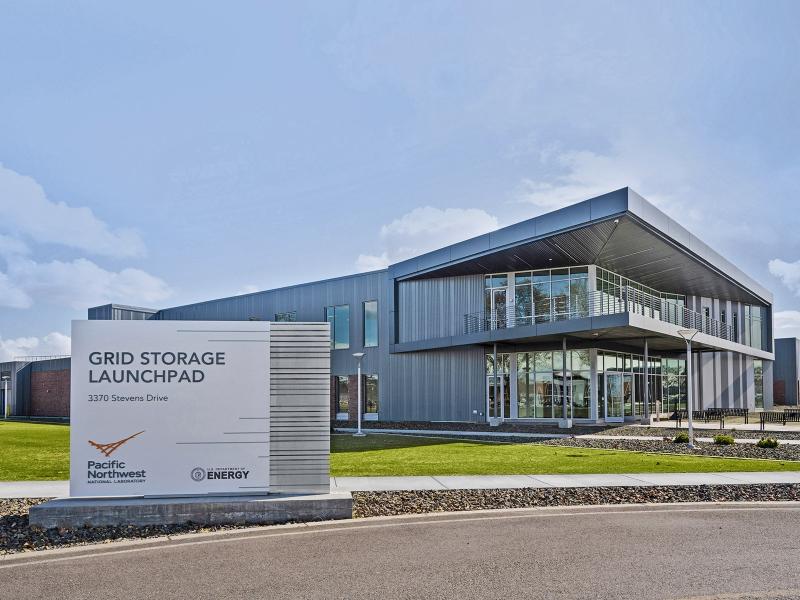
Energy storage is increasingly critical to building a resilient electric grid in the United States—a trend embodied by the Grid Storage Launchpad, a newly inaugurated, 93,000-square-foot facility at PNNL.
The Sodium-ion Alliance for Grid Energy Storage, led by PNNL, is focused on demonstrating high-performance, low-cost, safe sodium-ion batteries tested for real-world grid applications.
Controlling the nanostructure of silk fibroin—a protein found in silk—is a key step toward designing and fabricating electronics that leverage the material’s promising mechanical, optical and biocompatible properties.
PNNL's McDearis and Rod designed a new device—a porous soil stake—that, once installed, enables repeated sampling of a specific soil site at multiple depths, without further disrupting the soil.