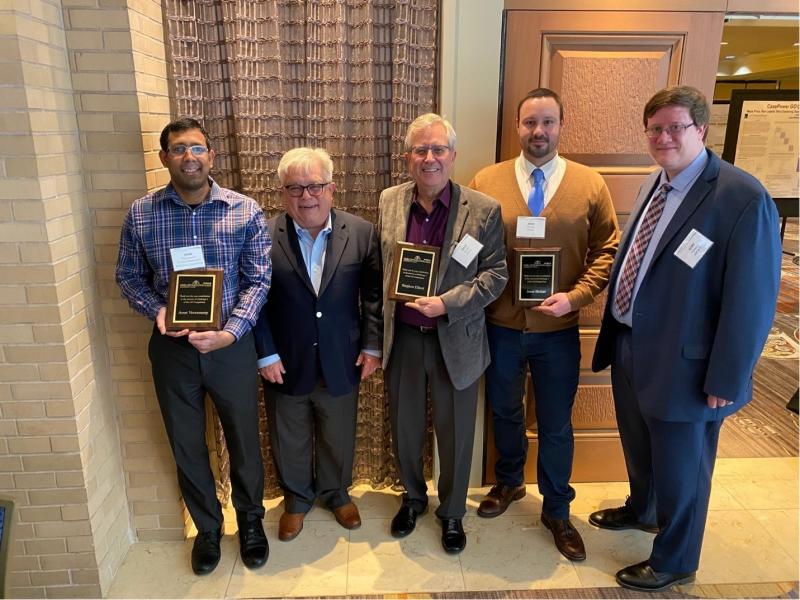
Five PNNL technologies were recently awarded six R&D 100 honors. The R&D 100 Awards, now in its 58th year, recognize pioneers in science and technology from industry, the federal government, and academia.
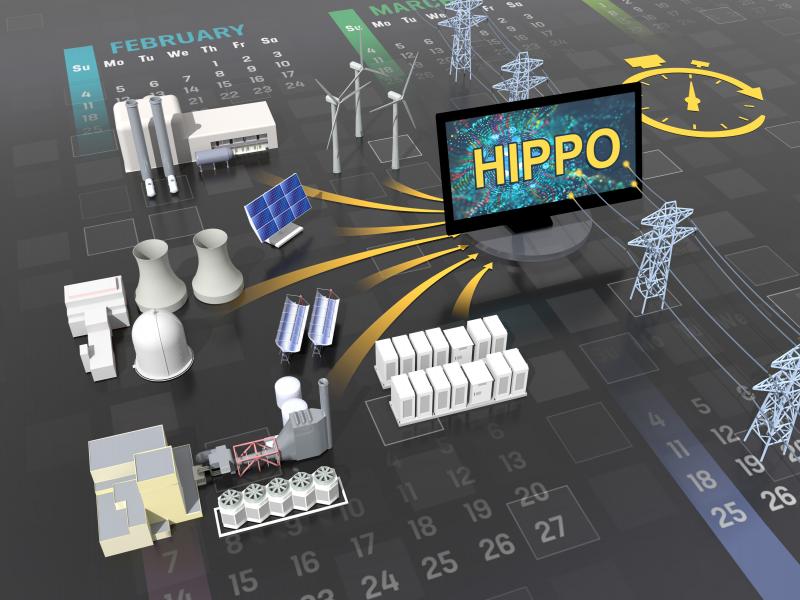
Making sure there’s enough electricity at the lowest price is a critical endeavor undertaken daily by electricity market operators. Now, there’s an approach that provides more timely and accurate information to make day-ahead decisions.
A cadre of physical scientists, engineers and computing experts at Pacific Northwest National Laboratory is poised to participate in the launch of three new DOE Office of Science-sponsored quantum information science research centers.
Contributions from researchers across Pacific Northwest National Laboratory (PNNL) were recently recognized in the preliminary findings of a Secretary of Energy Advisory Board (SEAB) report.
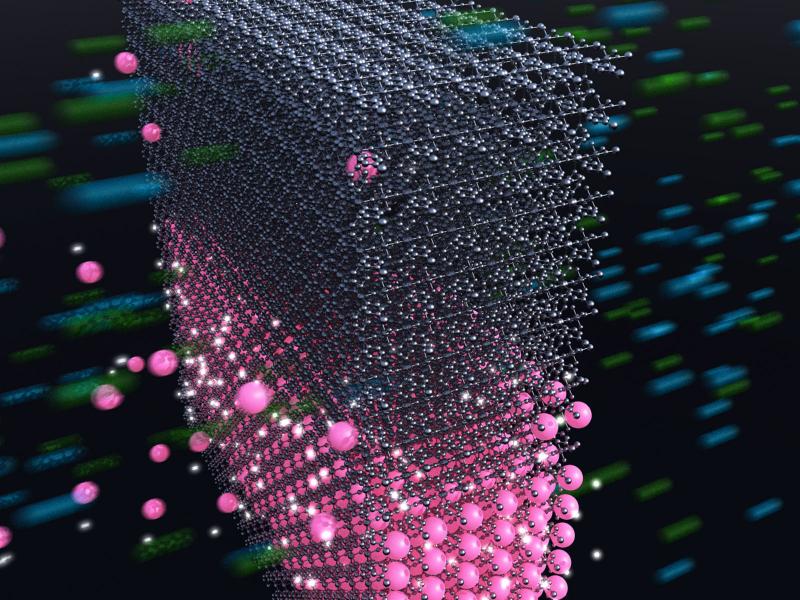
A new radiation-resistant material for the efficient capture of noble gases xenon and krypton makes it safer and cheaper to recycle spent nuclear fuel.
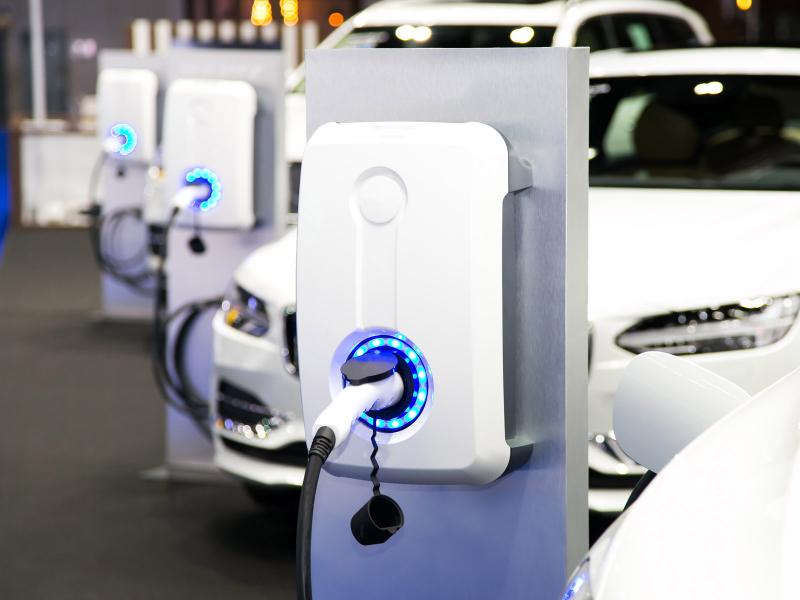
A new PNNL report says the western U.S. power system can handle large-scale vehicle electrification up to 24 million vehicles through 2028, but more than that and cities could start feeling the squeeze.
International editing team provided 15-year update, with Devanathan focused on intersection of nuclear science, materials science, and multiscale modeling.
PNNL's Northwest Regional Technology Center interviews Assistant Chief of Resource Management for Seattle Fire Department Willie Barrington about how his team faced the unknown when the COVID-19 pandemic hit Seattle, Washington.
PNNL and Oklahoma State University join forces to understand the chemistry of sodium-ion and potassium-ion batteries thanks to an award from the U.S. Department of Energy's Established Program to Stimulate Competitive Research (EPSCoR).
Their consistency and predictability makes tidal energy attractive, not only as a source of electricity but, potentially, as a mechanism to provide reliability and resilience to regional or local power grids.
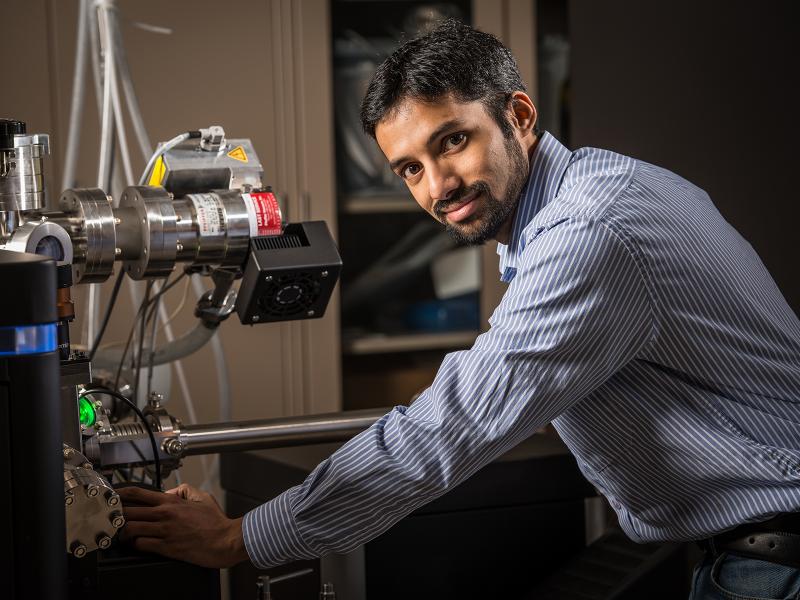
Materials Scientist Arun Devaraj has been selected among 76 recipients nationwide to receive a 2020 Early Career Research Program award from the U.S. Department of Energy
PNNL and WSU researchers have improved the performance and life cycle of sodium-ion battery technology to narrow the gap with some lithium-ion batteries.
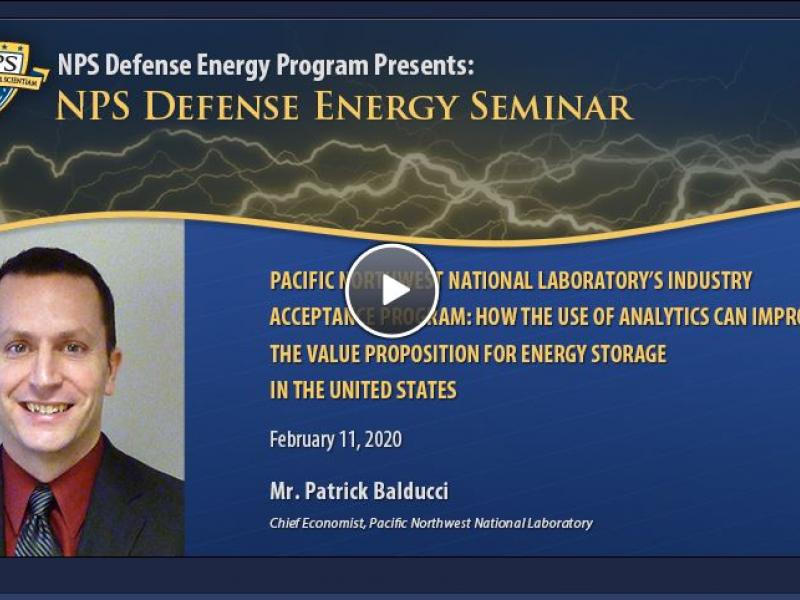
PNNL’s Patrick Balducci delivered an information-packed tutorial on grid energy storage valuation at the Naval Postgraduate School in Monterey, California.
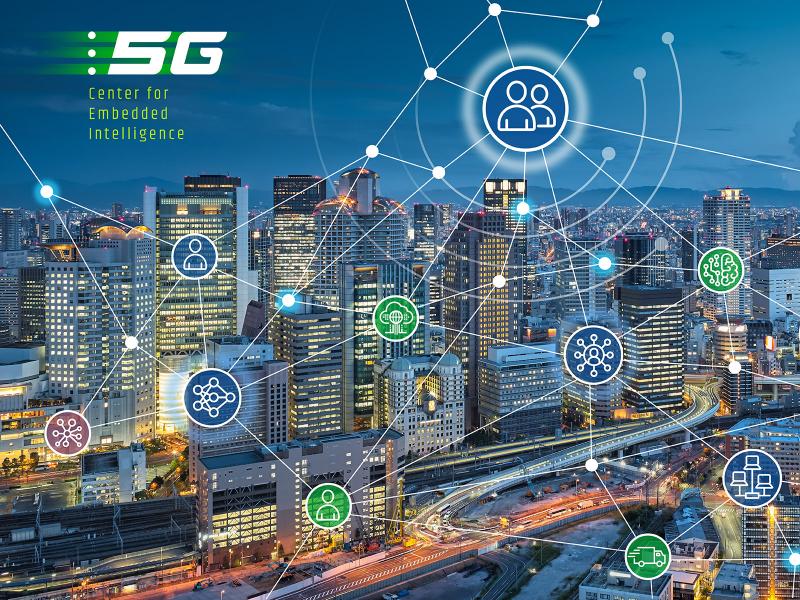
Ten staff members from PNNL were invited to attend and lead the various breakout sessions at the Department of Energy Office of Science 5G Enabled Energy Innovation Workshop (5GEEIW), which was held in early March.
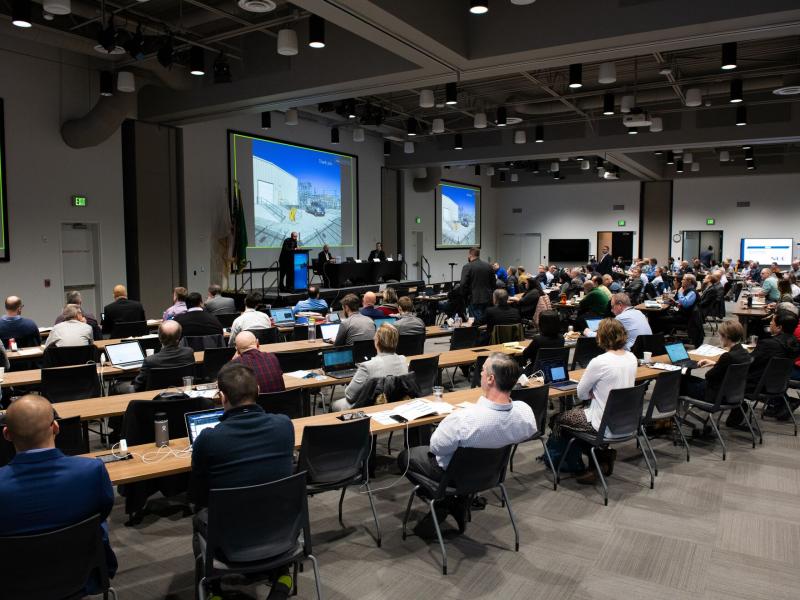
The Energy Storage System Safety and Reliability Forum at PNNL brought together more than 120 energy storage experts from the U.S. Department of Energy, the national laboratories, utilities, industry and academia.
Verizon recently announced a partnership that will make Pacific Northwest National Laboratory the U.S. Department of Energy’s first national laboratory with Verizon 5G ultra wideband wireless technology.
Researchers found that certain oxide interface configurations remain stable in extreme environments, suggesting ways to build better performing, more reliable devices for fuel cells, space-based electronics, and nuclear energy.