This time of year finds many of us busy with holiday shopping. While PNNL might not be developing the latest video games or hoverboards, we are working hard to deliver a few presents you might like.
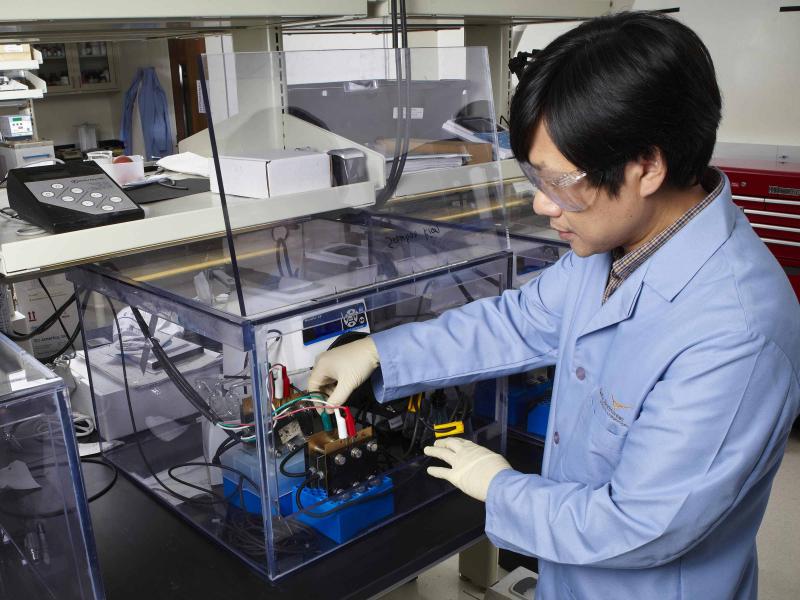
Six energy technologies that do everything from protect fish to monitor the health of flow batteries are getting a boost at PNNL with support from DOE's Technology Commercialization Fund.
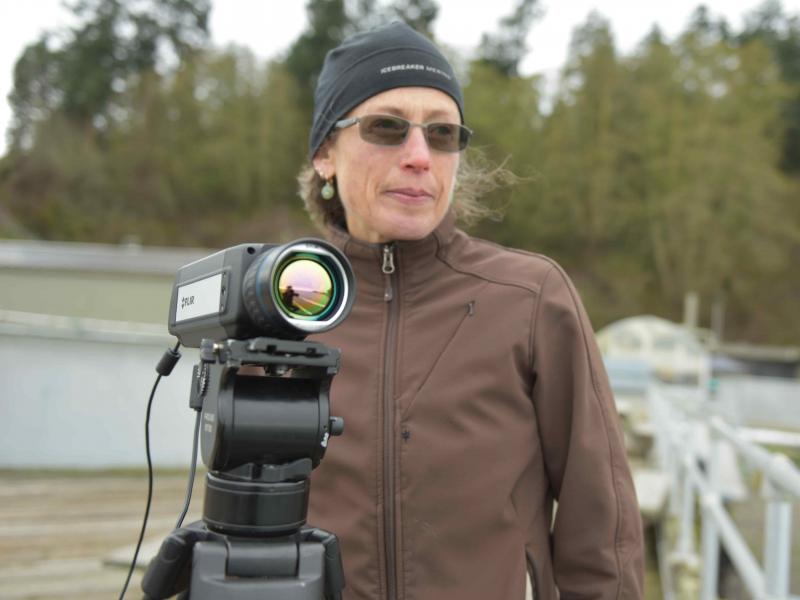
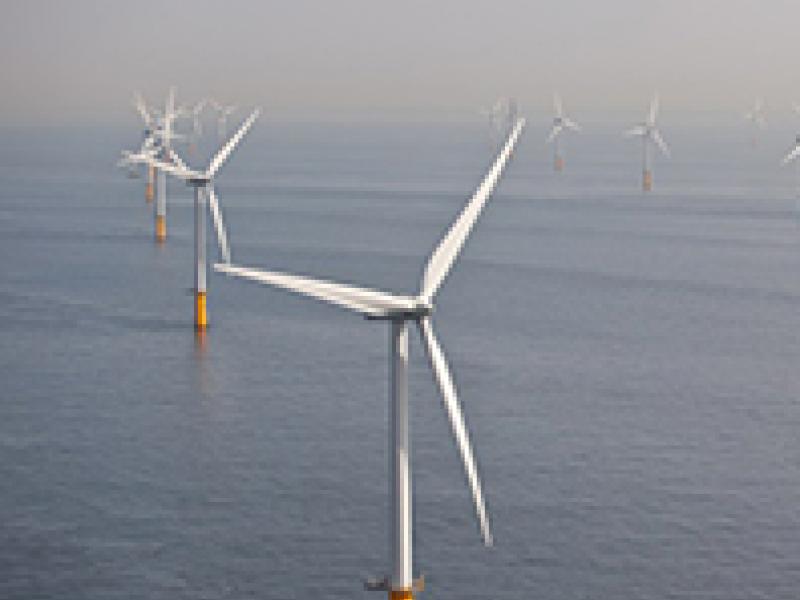
PNNL's ThermalTracker software analyzes video with night vision, the same technology that helps soldiers see in the dark, to help offshore wind power be bird- and bat-friendly.
Steve Short, a nuclear engineer at Pacific Northwest National Laboratory, has been selected as a fellow of the National Society of Professional Engineers.
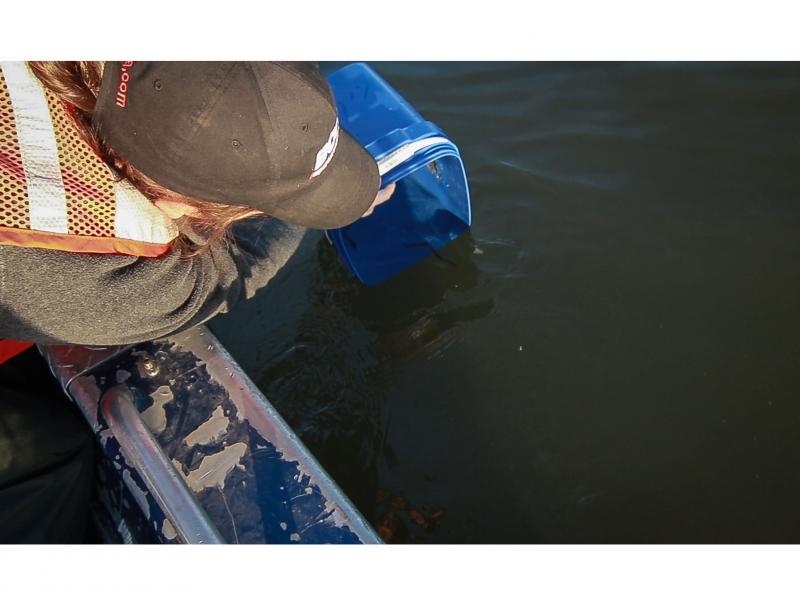
PNNL is studying the movement of lamprey fish, which are culturally and historically important to the Pacific Northwest, on rivers and through hydroelectric dams.
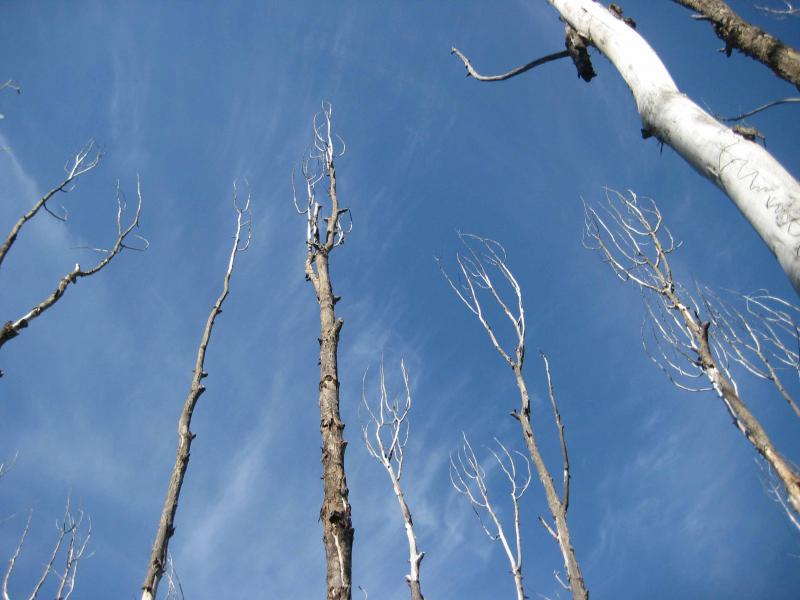
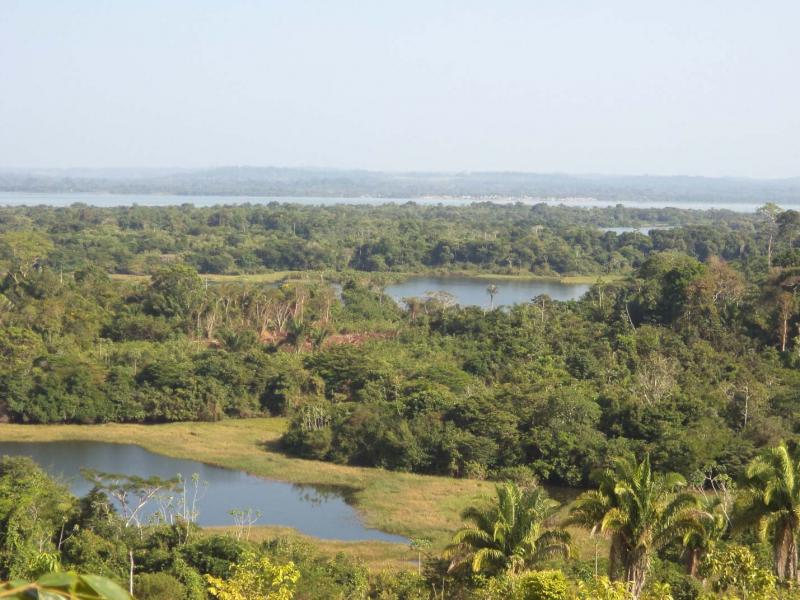
Emissions of isoprene, a compound from plant matter that wields great influence in the atmosphere, are up to three times higher in the Amazon rainforest than scientists have thought.
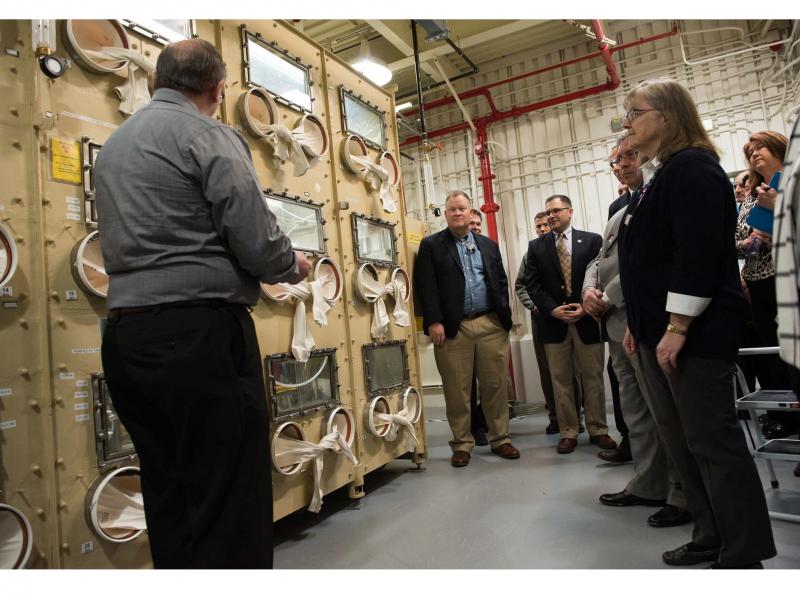
A new capability at PNNL will be able to replicate how nations process plutonium. Researchers will process small amounts of plutonium which they will analyze, using nuclear forensics techniques, to discover signatures.
Pointing the finger at chemical criminals: Several scientists from PNNL and other institutions will discuss new methods and approaches at the American Chemical Society's national meeting in San Francisco April 2-6.