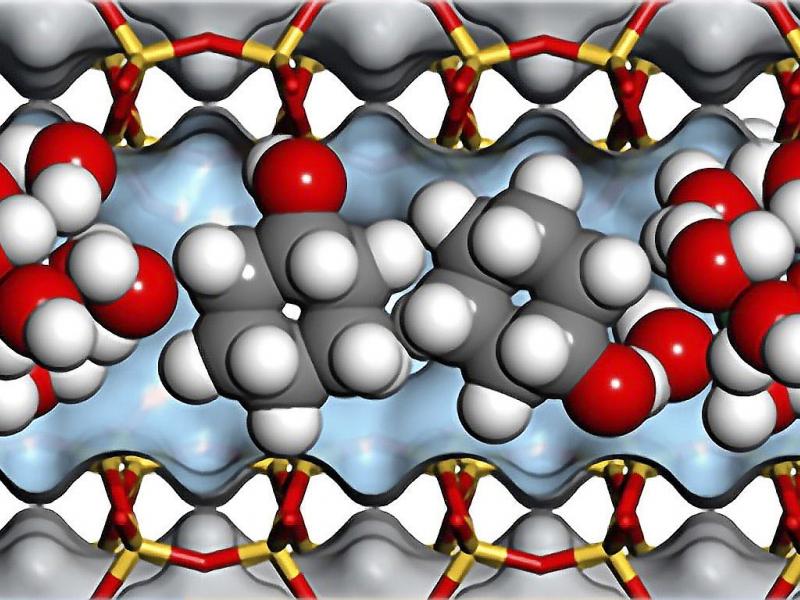
A discovery from PNNL and Washington State University could help reduce the amount of expensive material needed to treat vehicle exhaust by making the most of every precious atom.
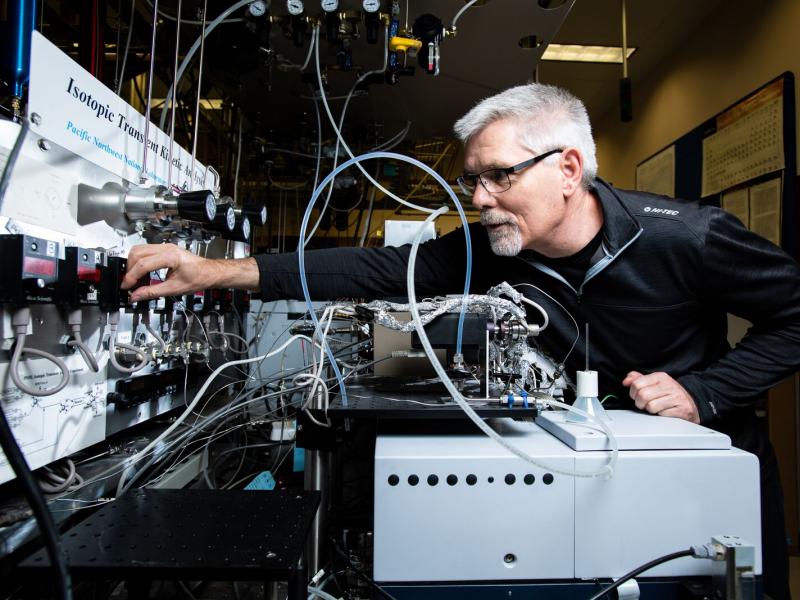
Weber recently shared his knowledge of catalysis in a perspective for the Boudart Special Issue of the Journal of Catalysis and a News and Views article for Nature Sustainability.
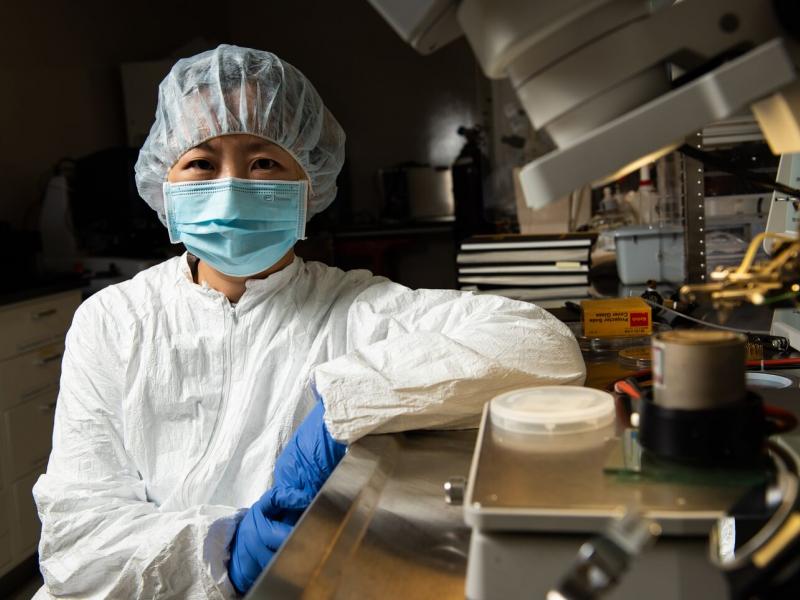
Shaw is one of 18 fellows selected by the National Laboratory Directors' Council to join the 2020–2021 Oppenheimer Science and Energy Leadership Program Fellowship.
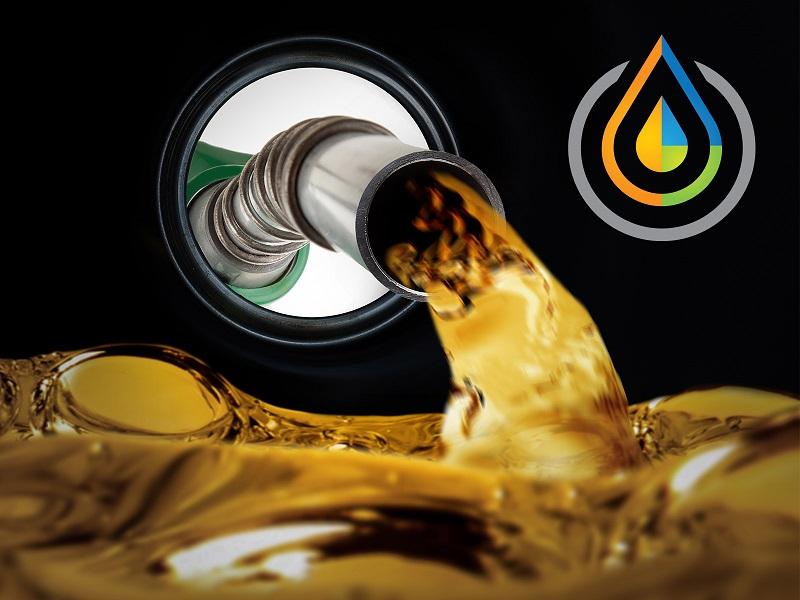
A new report led by PNNL identifies the top 13 most promising waste- and biomass-derived diesel blendstocks for reducing greenhouse gas emissions, other pollutants, and overall system costs.
Brandi Cossairt, a PI in the Center for Molecular Electrocatalysis (CME) and a Professor of Chemistry at the University of Washington, was elected to the Washington State Academy of Sciences.
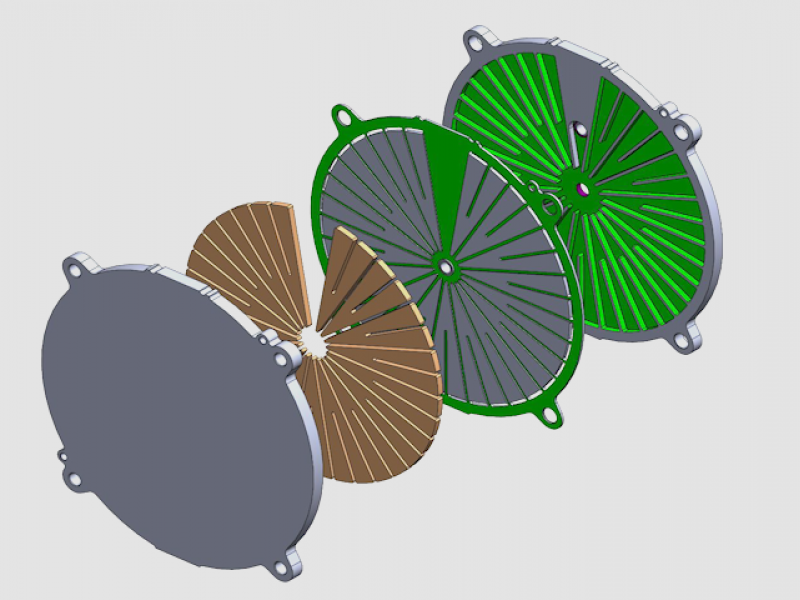
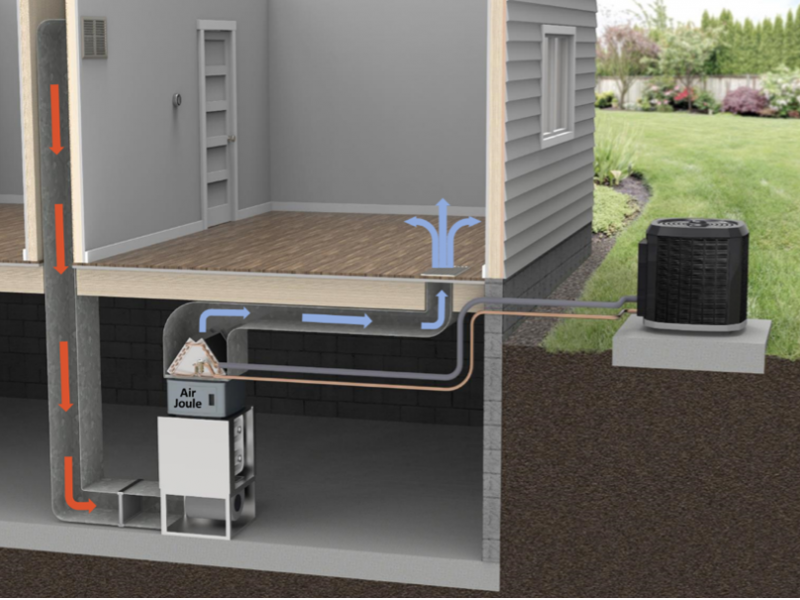
Researchers developed two solutions for air-conditioning—a novel, energy-efficient dehumidification system and a technology to detect refrigerant leaks. Both help increase energy-efficiency and reduce costs.
A new research partnership between PNNL and the University of Nevada, Reno aims to tackle critical challenges such as climate change, infrastructure resilience and cybersecurity.
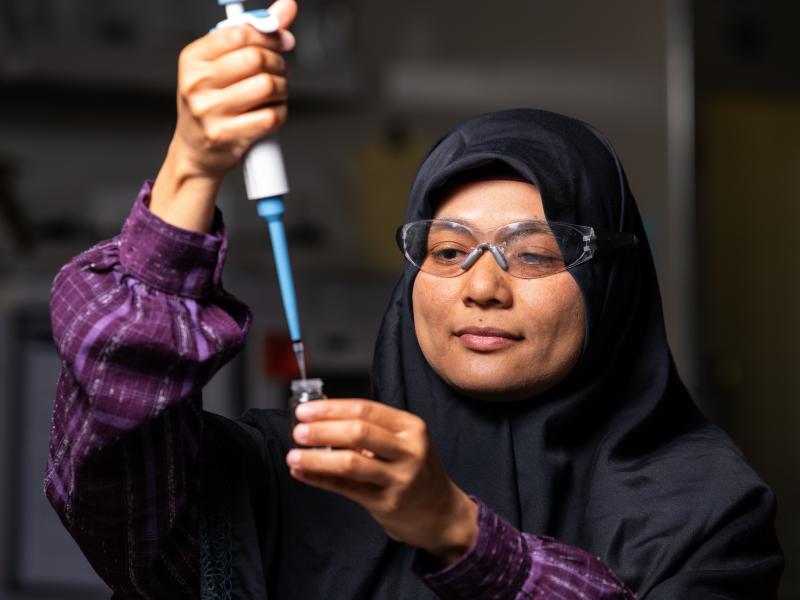
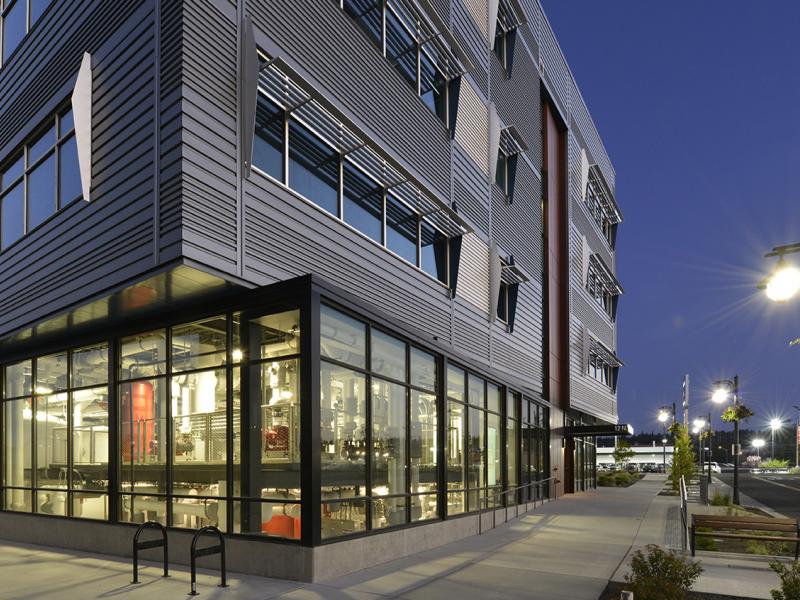
Bojana Ginovska leads a physical biosciences research team headed for PNNL's new Energy Sciences Center. She uses the transformative power of molecular catalysis and enzymes to explore scientific principles.
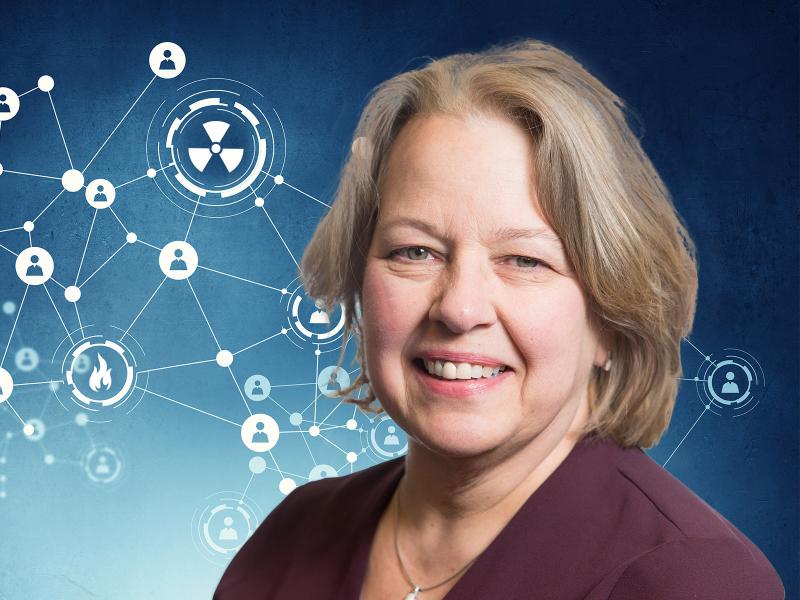
A report published by the National Academies of Sciences, Engineering, and Medicine Committee on Applied Research Topics for Hazard Mitigation and Resilience focuses on social capital and connectedness for resilience.
PNNL’s energy-efficient dehumidifier may reduce energy consumption by up to 50% in residential A/C systems and increase the range of electric vehicles by up to 75%. The system has been licensed to Montana Technologies.
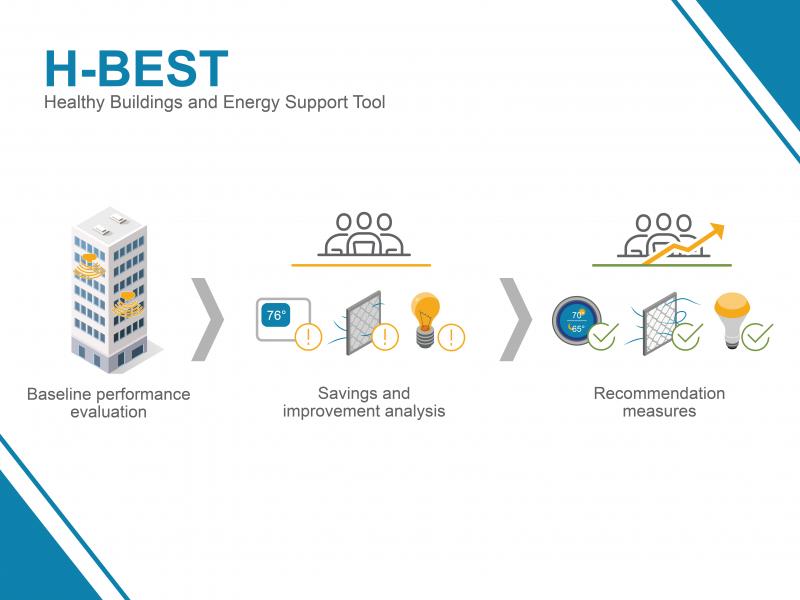
The first customized resource of its kind, H-BEST analyzes the indoor environmental quality profile for buildings and helps its users identify the costs and benefits of improvements.