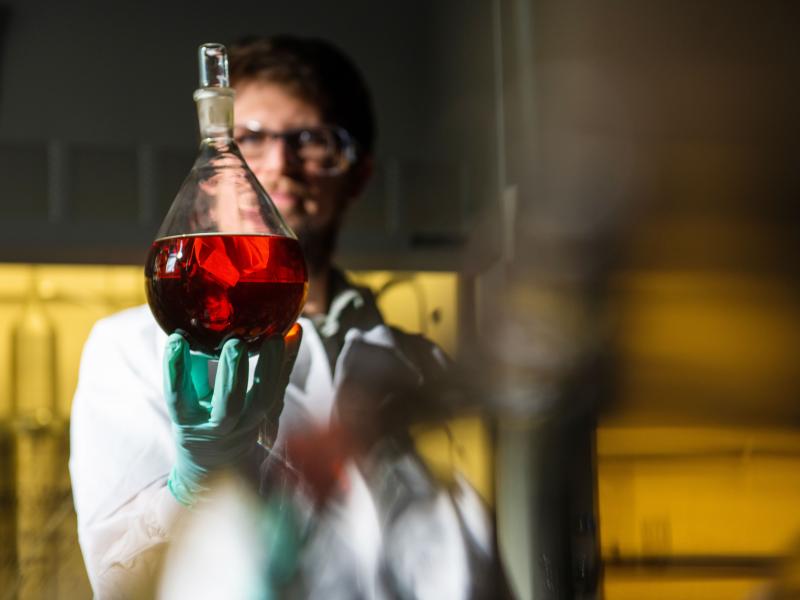
PNNL scientists have developed a catalyst that converts ethanol into C5+ ketones that can serve as the building blocks for everything from solvents to jet fuel.
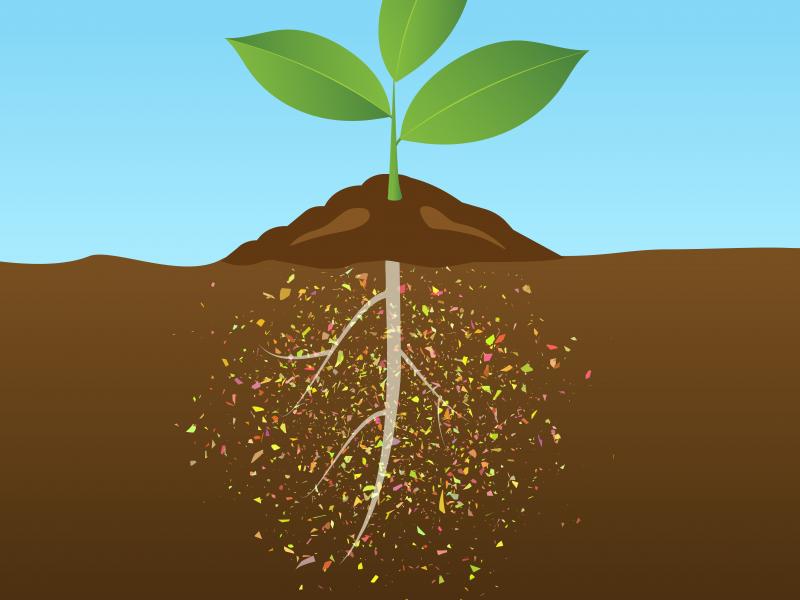
Like a toxic Trojan horse, microplastics can act as hot pockets of contaminant transport. But, can microplastics get into plant cells? Recent research shows that they can't.
In a new video series, PNNL is highlighting six scientific and technical experts in the national security domain throughout the fall. Each was promoted to scientist and engineer level 5 earlier this year.
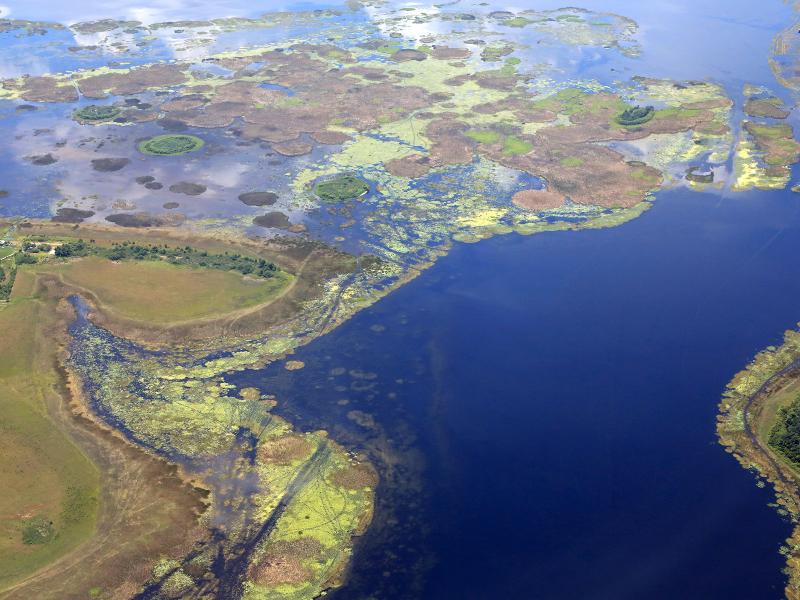
PNNL researchers are contributing expertise and hydrothermal liquefaction technology to a project that intercepts harmful algal blooms from water, treats the water, and concentrates algae for transformation to biocrude.
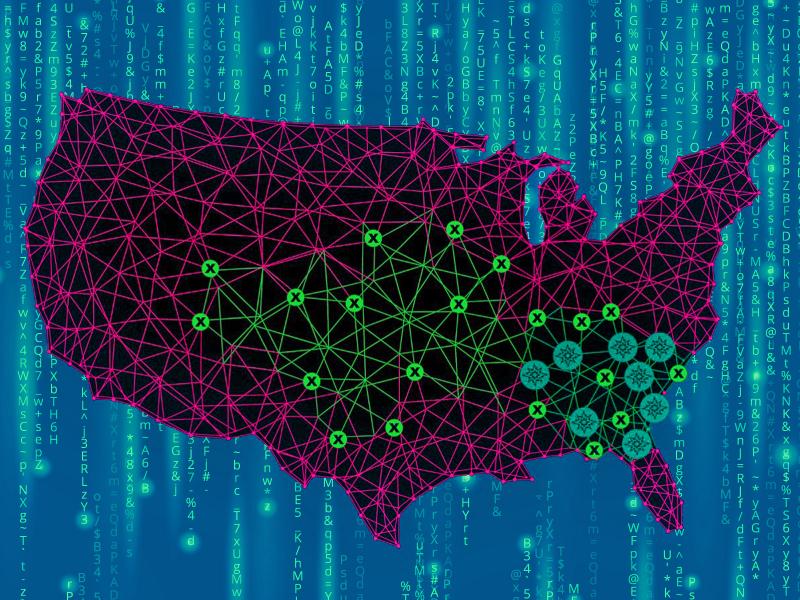
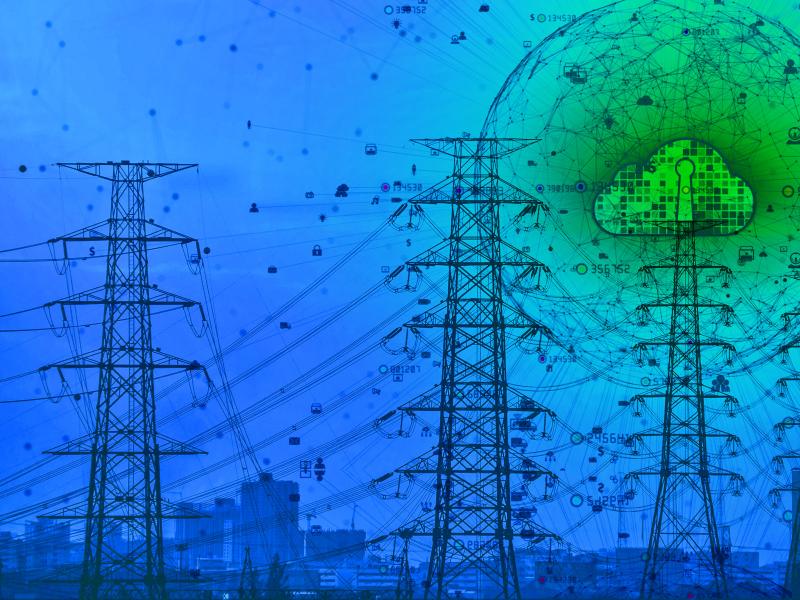
PNNL researchers developed two web-based tools to assess and mitigate cyberthreats to utilities—inside and outside their firewalls. Both are low cost and can be used by control room operators who are not cybersecurity experts.
PNNL researchers established an Internet of Things Common Operating Environment (IoTCOE) laboratory to explore the risks associated with IoT connectivity to the internet, the energy grid and other critical infrastructures.
The Facility Cybersecurity toolkit, developed by PNNL, is designed for federal facilities to help implement the presidential executive order on cybersecurity, but it is also available for commercial facilities without charge.
A new agreement between Pacific Northwest National Laboratory and The University of Texas at El Paso will create research and internship opportunities.
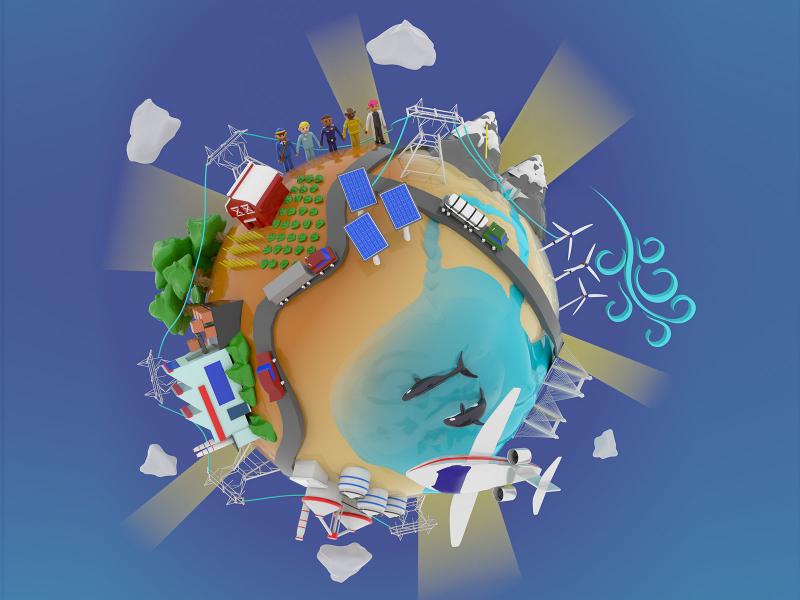
In a new review, PNNL researchers outline how to convert stranded biomass to sustainable fuel using electrochemical reduction reactions in mini-refineries powered by renewable energy.
PNNL atomic-scale research shows how certain metal oxide catalysts behave during alkanol dehydration, an important class of oxygen-removal reactions for biomass conversion.
For the past several years Sam Chatterjee, PNNL data scientist and lead editor, has worked hard to make a book about homeland security risk analysis a reality. And in June, his perseverance paid off.
PNNL’s Karthikeyan Ramasamy was elected to a three-year term as a director in the American Institute of Chemical Engineers’ Fuels and Petrochemicals Division.
Jonathan Male originally joined PNNL in 2006 as a scientist focused on catalysis. After more than seven years leading DOE’s Bioenergy Technologies Office, he's back at PNNL as a chief scientist in the Energy Processes & Materials Division.
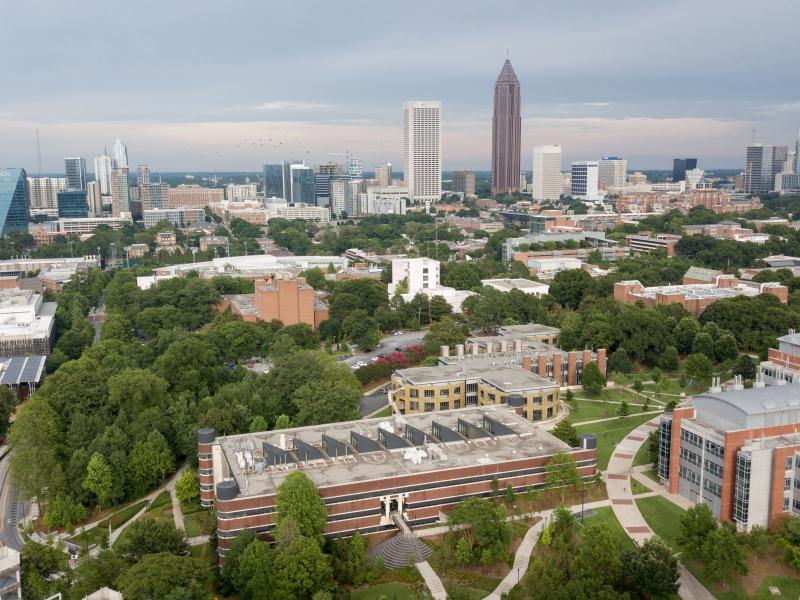
To help spur economic development and assist in the battle against COVID-19, PNNL is making available its entire portfolio of patented technologies on a research trial basis—at no cost—through the end of 2020.
A new chapter, coauthored by PNNL cybersecurity researcher Glenn Fink, describes a method to identify vulnerabilities in blockchain smart contracts as they are developed.