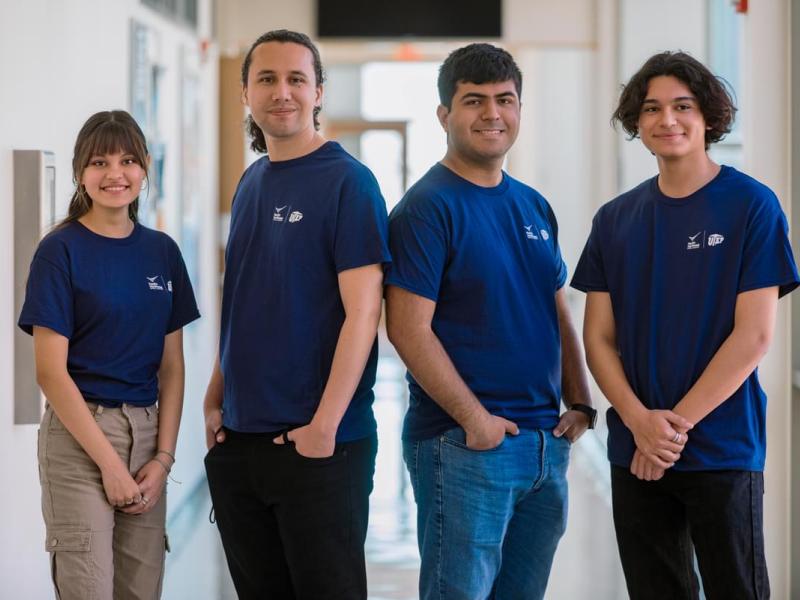
Based on the early success of CHIRP and the urgency to build the future cybersecurity workforce, the program recently received five million dollars in funding through the FY23 Defense Appropriations Bill, via SSC.
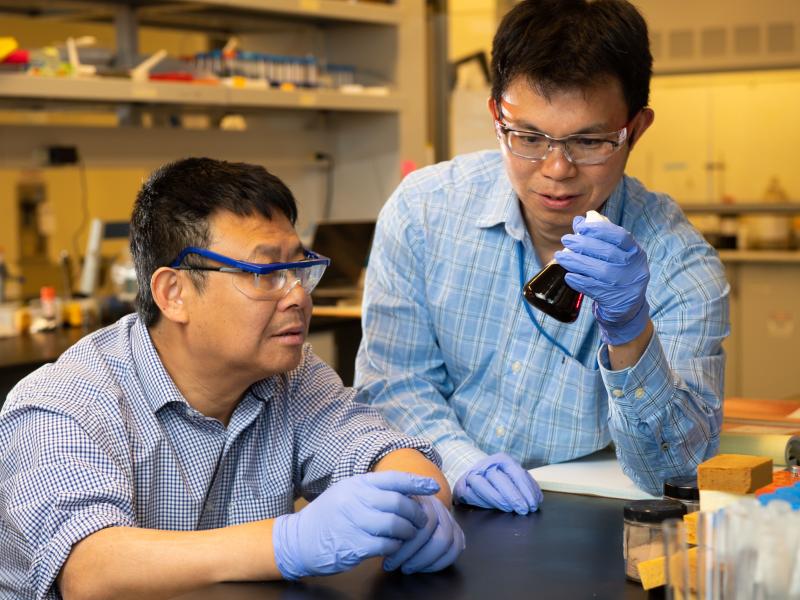
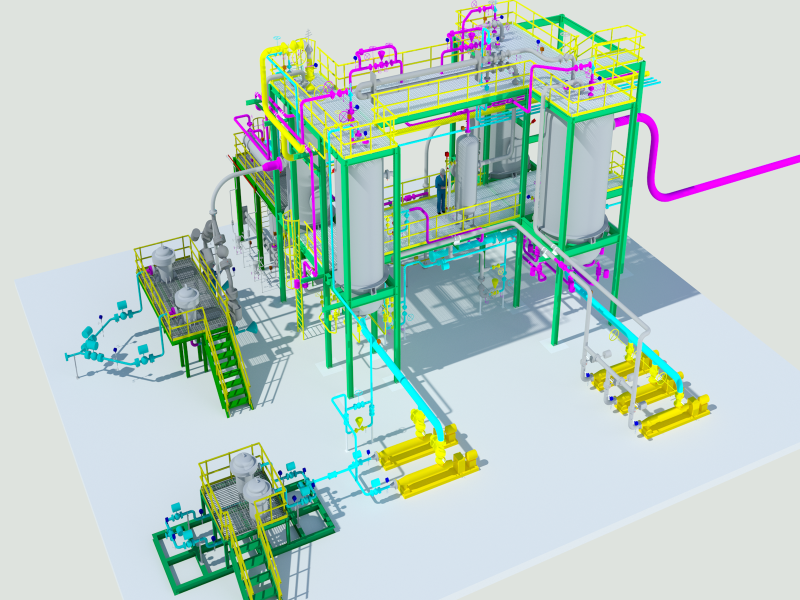
A PNNL innovation uses steam to recover heat from the high-temperature reactor effluent in the HTL process, substantially reducing the propensity for fouling and potentially reducing costs.
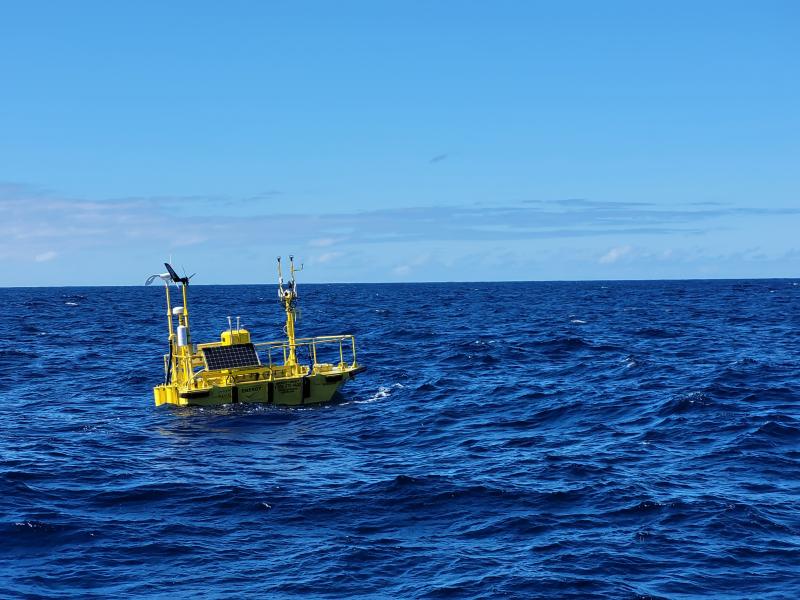
A research buoy managed by PNNL has been deployed in Hawai’ian waters, collecting oceanographic and meteorological measurements off the coast of O’ahu.
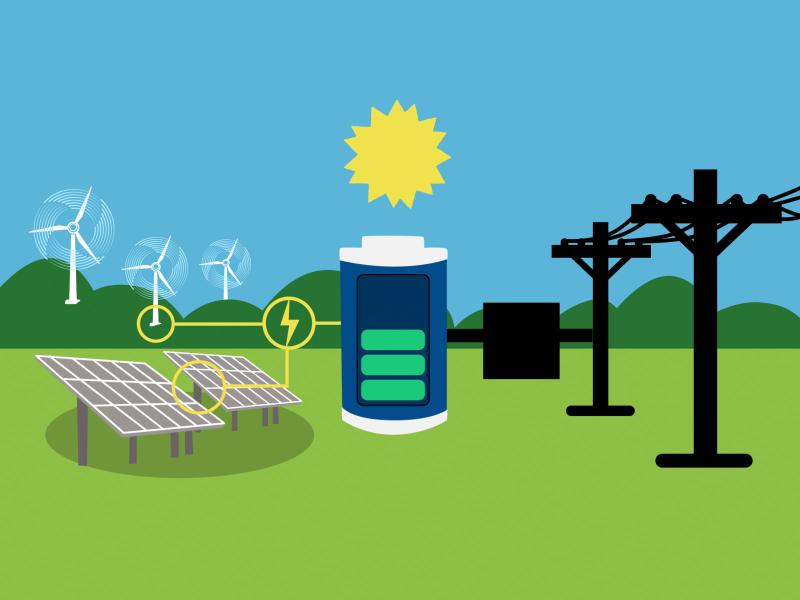
A new sodium battery technology shows promise for helping integrate renewable energy into the electric grid. The battery uses Earth-abundant raw materials such as aluminum and sodium.
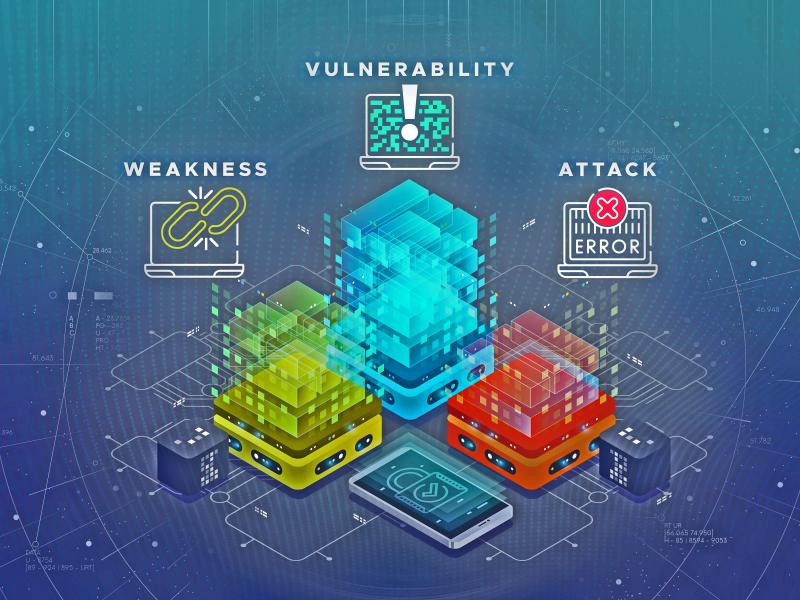
The Public Infrastructure Security Cyber Education System is a university-community-nonprofit collaboration changing cyber education and cybersecurity.
PNNL wind energy program manager Alicia Mahon was a guest editor in a special issue about advancements in buoy technology in the Marine Technology Society Journal.
Fish biologist Brenda Pracheil has been named chair of the Low Impact Hydropower Institute focused on reduction of impacts of hydropower dams on the environment.