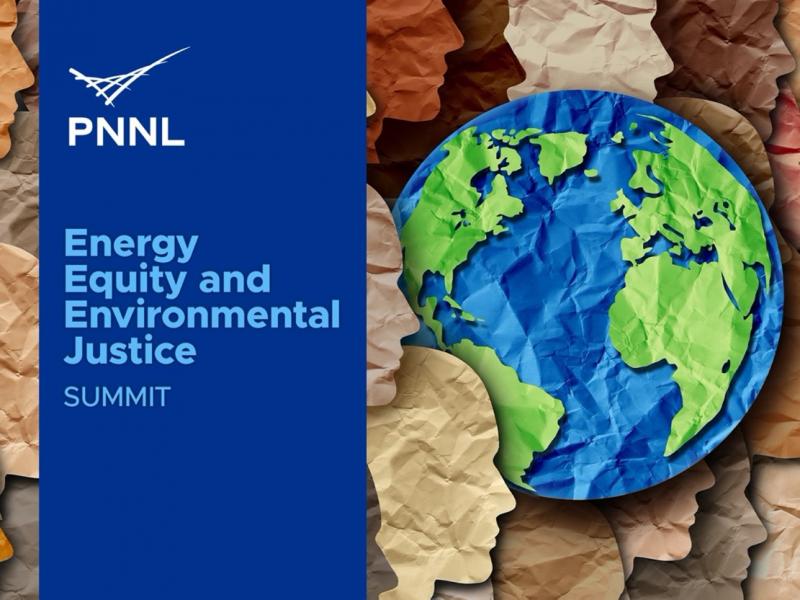
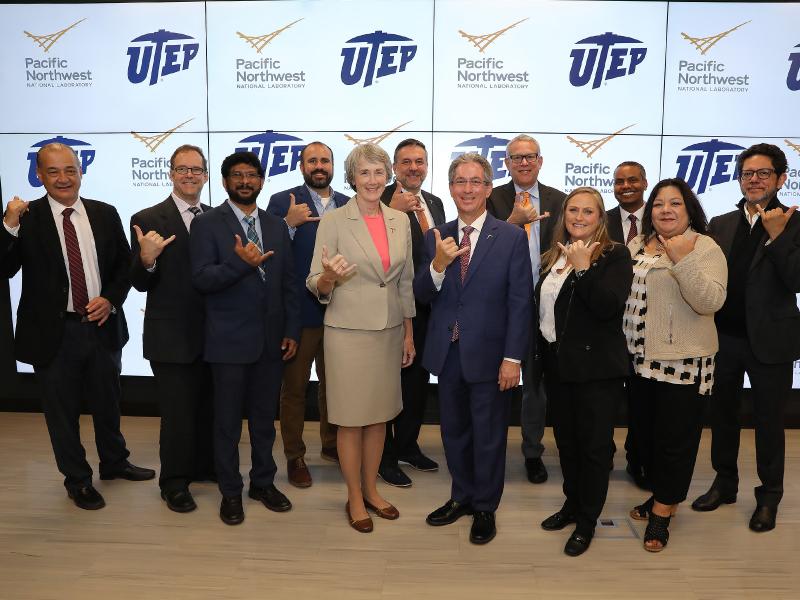
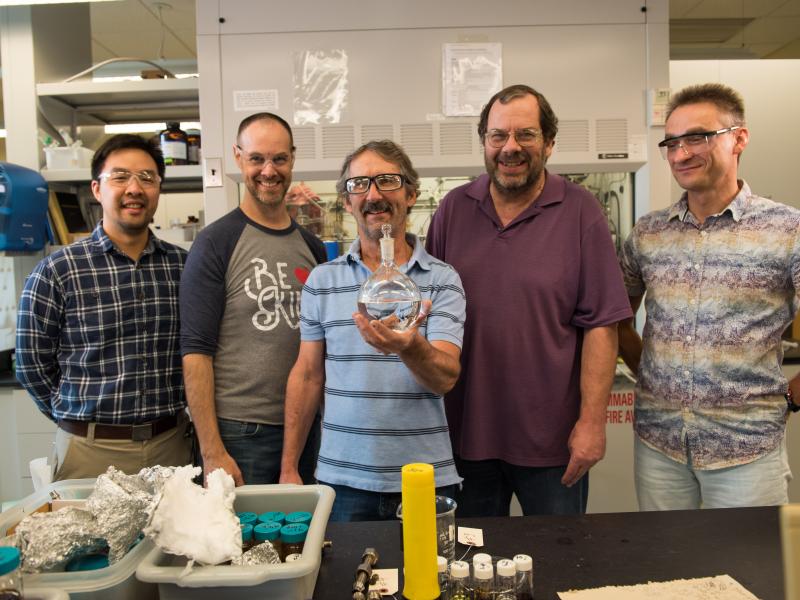
PNNL gathered researchers from eight national laboratories plus the U.S. Department of Energy (DOE) to share ideas and build synergy at the Energy Equity and Environmental Justice Summit.
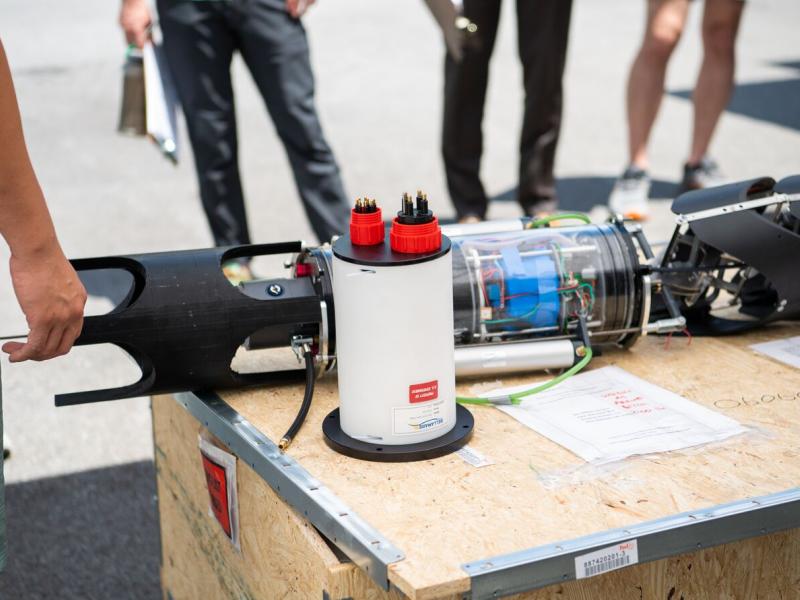
PNNL researchers developed the dummy payload to evaluate the performance of marine energy device prototypes in the Powering the Blue Economy: Ocean Observing Prize Competition.
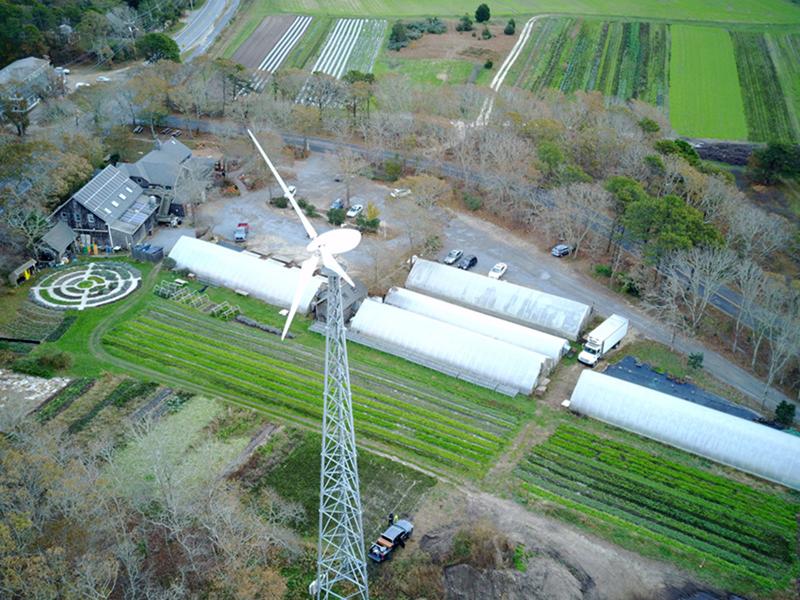
An evaluation of models and prediction tools for distributed wind turbines has unearthed data that can help potential users make the most informed decisions on upfront investments.
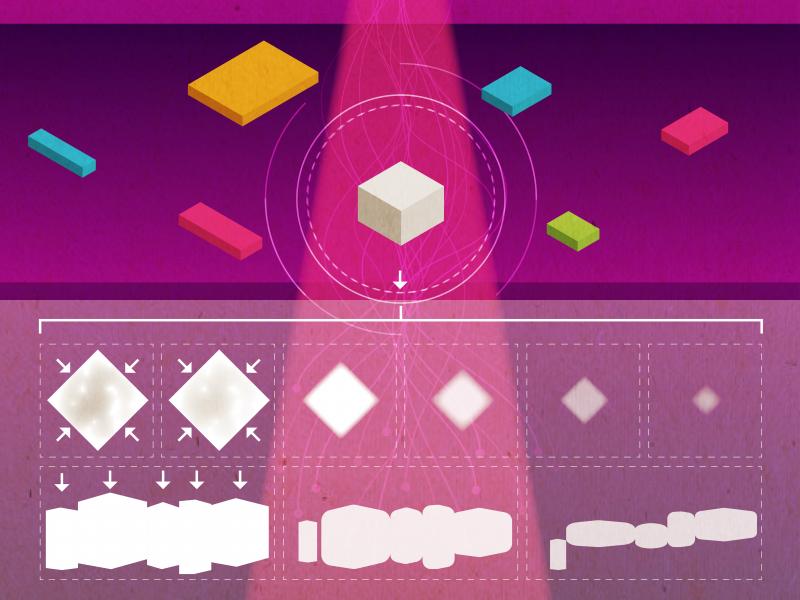
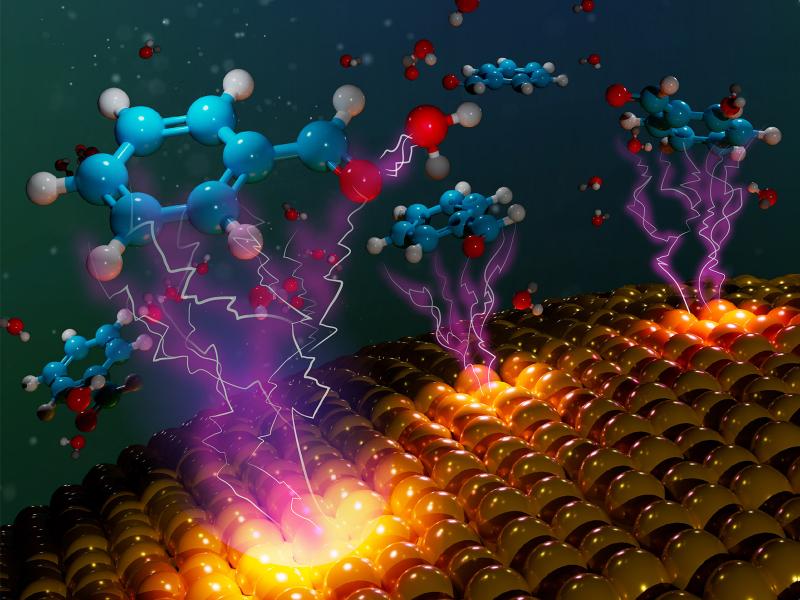
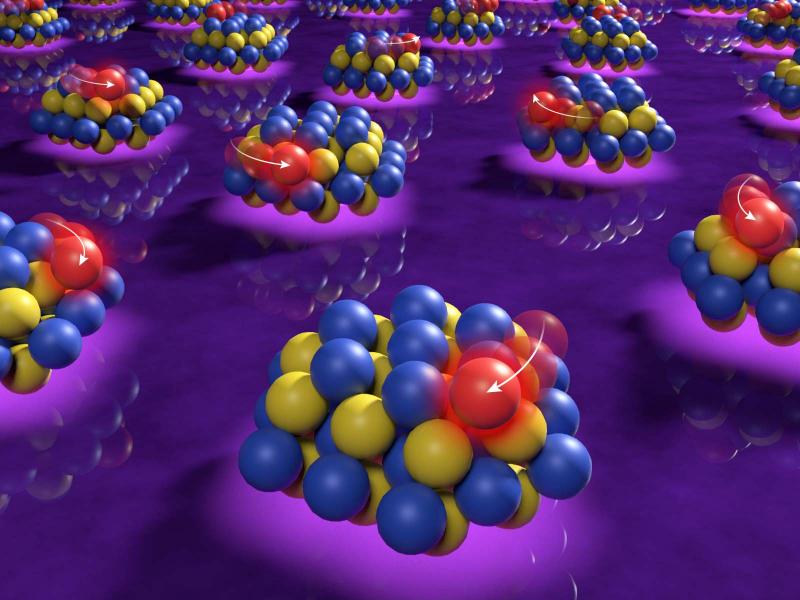
A new discovery simultaneously reduces the need for rare and expensive platinum and improves its ability to speed up economically important chemical reactions.
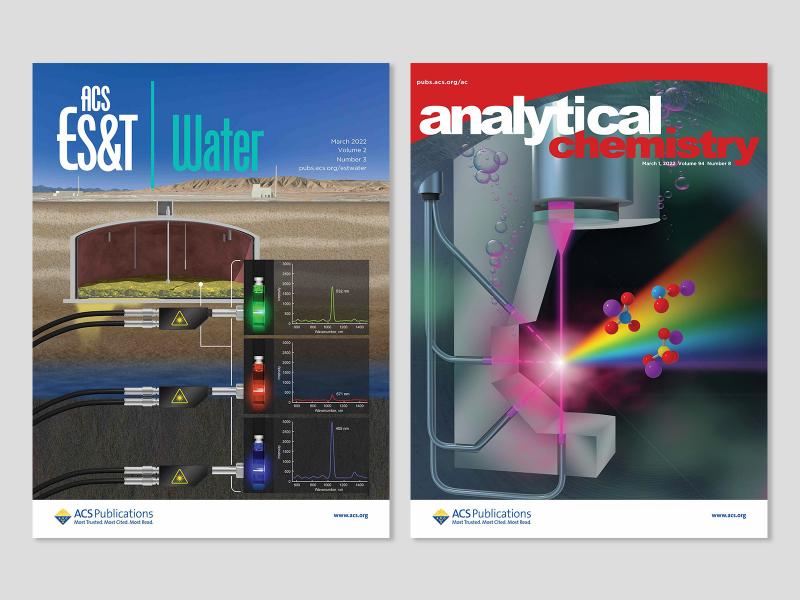
PNNL research, featured on the cover of two science journals, describes advancements in using Raman spectrometry for Hanford Site nuclear waste remediation.
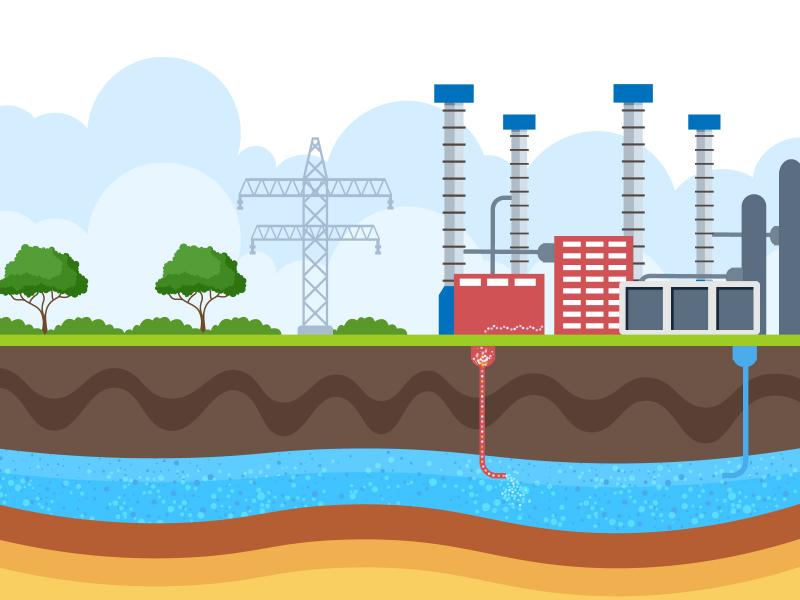
Research shows that coupling geothermal power plants with lithium extraction from geothermal brine would make geothermal energy more economically viable, providing renewable energy and valuable raw materials.
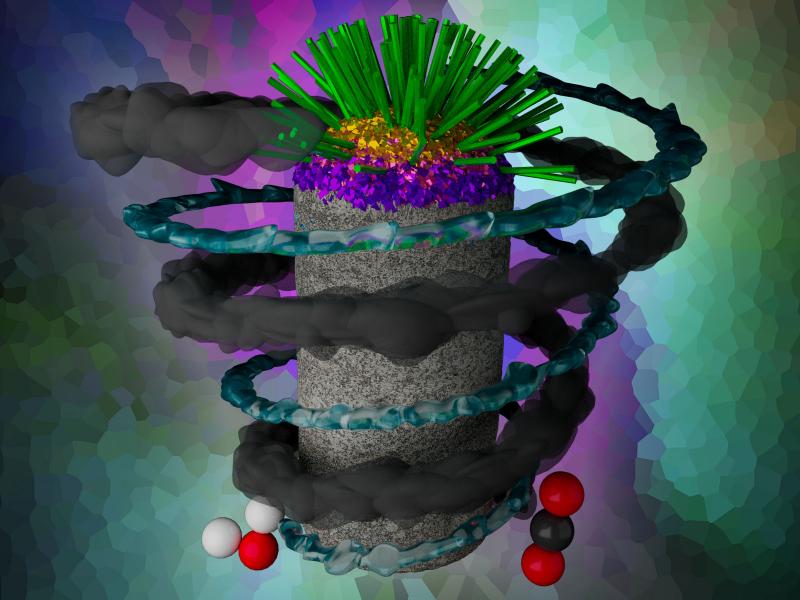
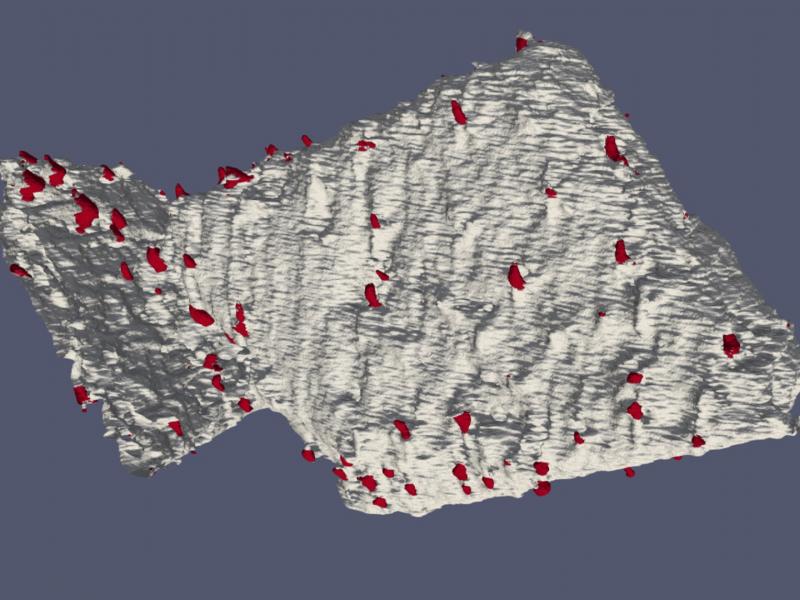
Some rocks can potentially convert injected carbon dioxide into more stable solid minerals. A new review article explores what scientists know about the atom-by-atom process.
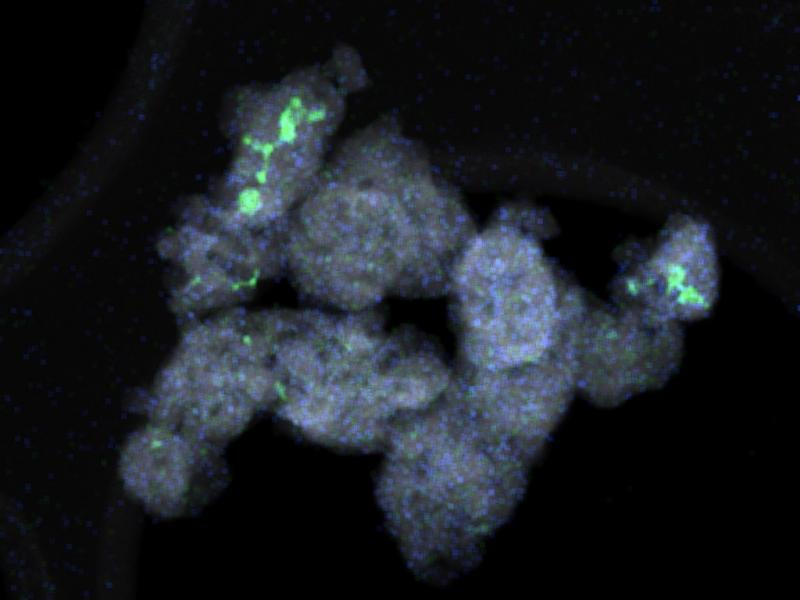
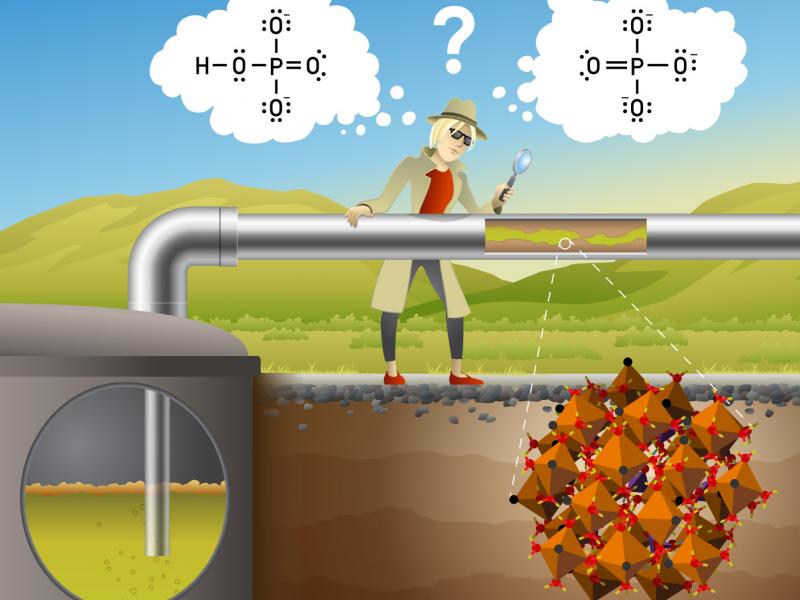
Developing a new understanding of the structure of natrophosphate, a complex mineral found in radioactive tank waste at the Hanford Site, by integrating experimental techniques.
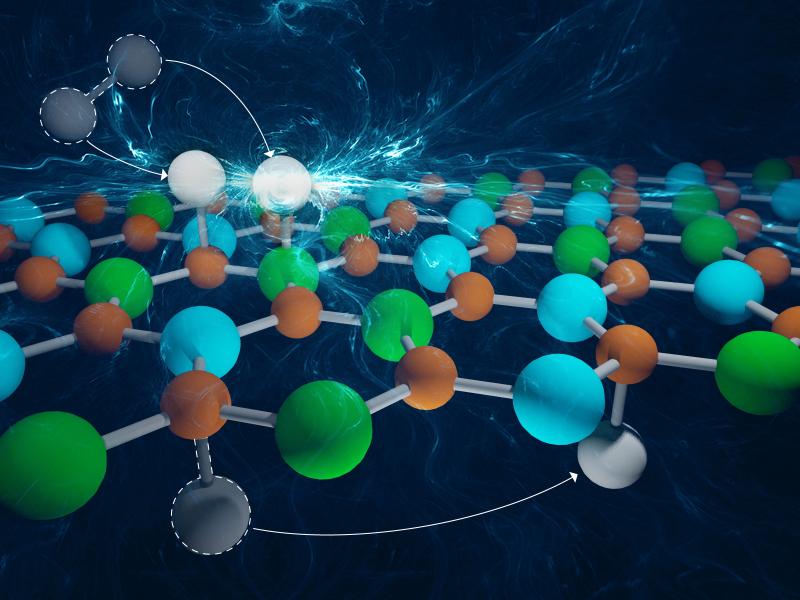
Newly funded research will look at the underlying science of controlling hydrogen interactions with two-dimensional materials composed of carbon, boron, and nitrogen.