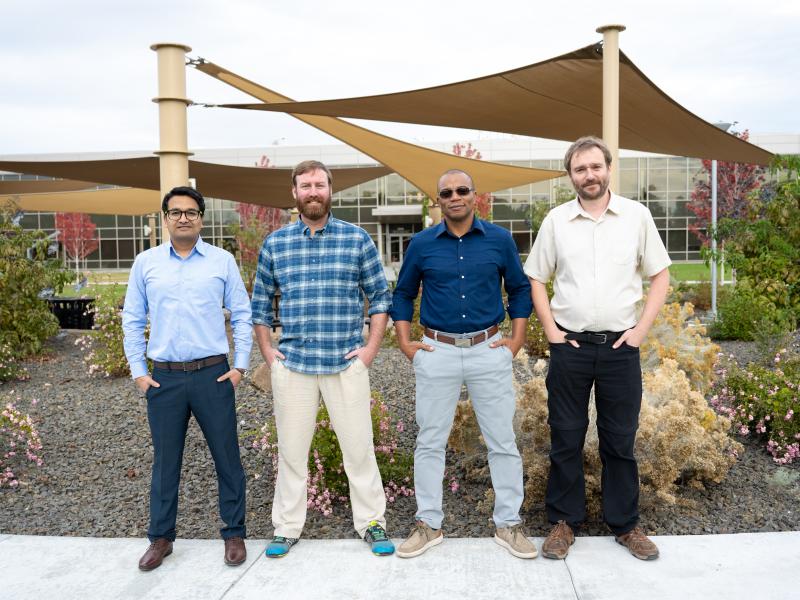
Physicist named specialty chief editor of Battery Systems and Applications for Frontiers in Batteries and Electrochemistry and associate editor for Frontiers in Energy Research—Nano Energy.
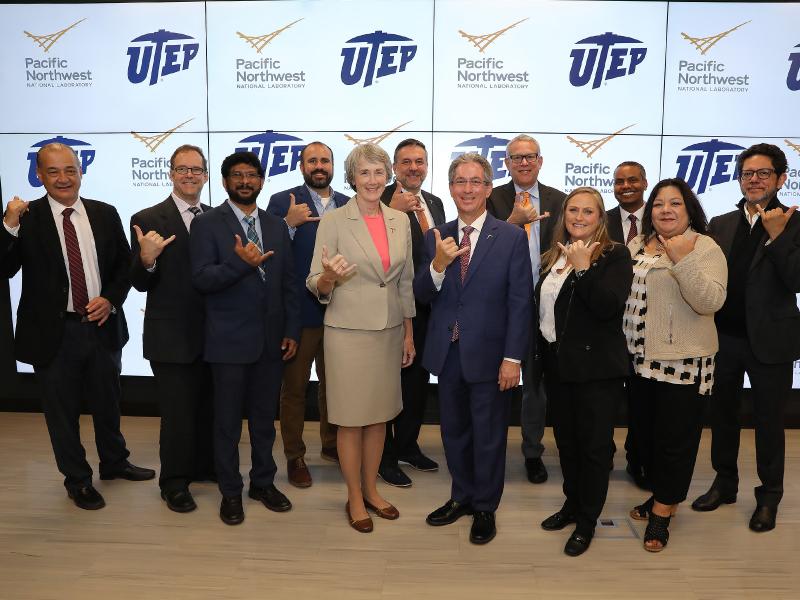
Advancing the science of radiation, especially among students at minority-serving institutions, is the goal of one of the Department of Energy’s newest consortia.
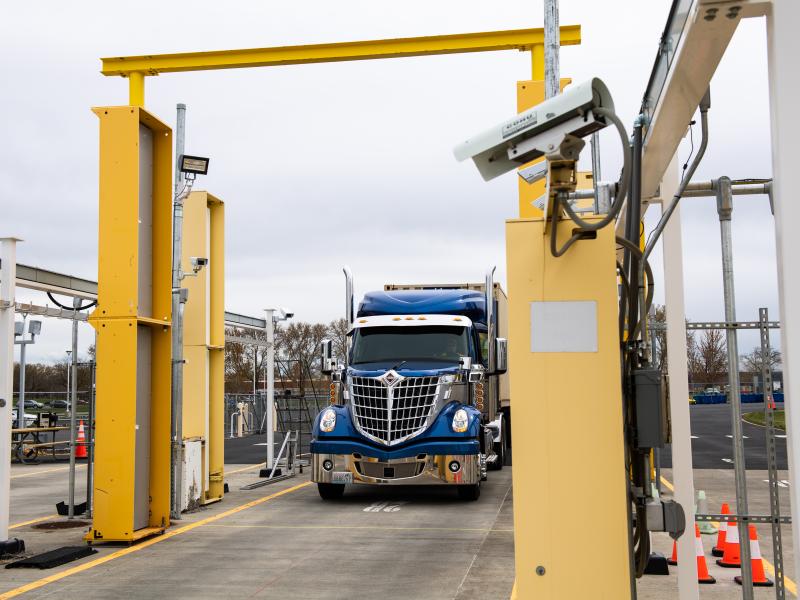
Twenty years after the first radiation portal monitor was installed, PNNL continues supporting the Department of Homeland Security’s efforts to detect and prevent terrorist weapons from crossing our borders.
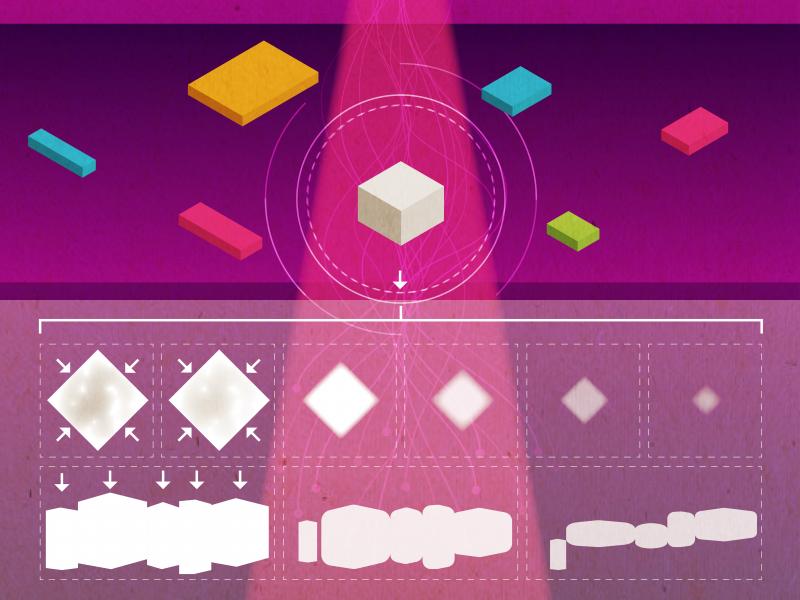
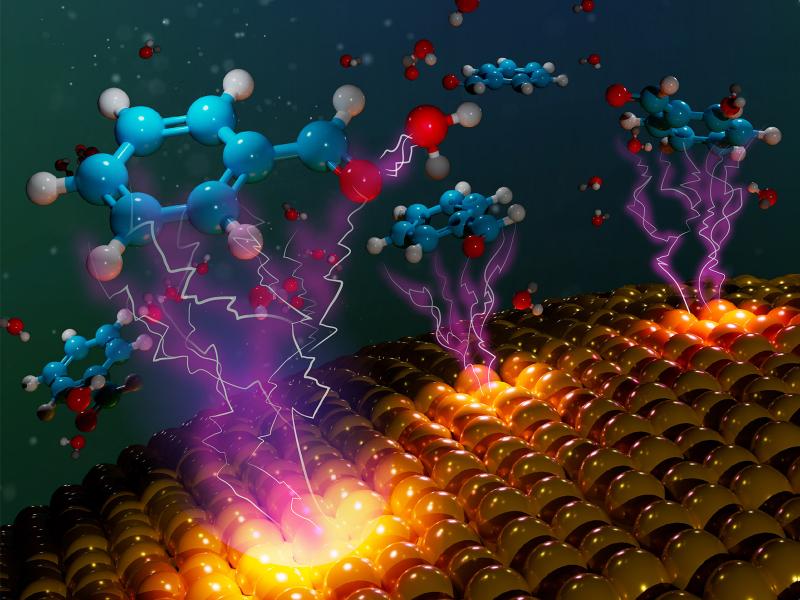
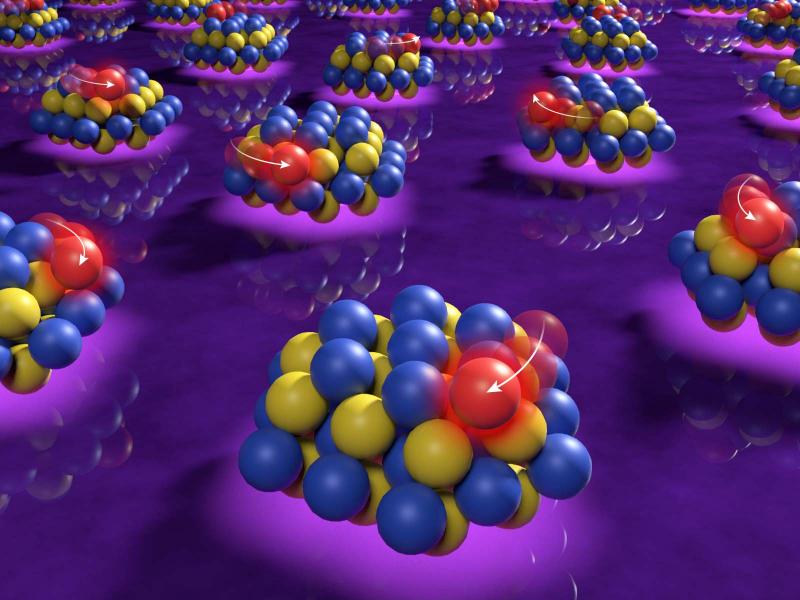
A new discovery simultaneously reduces the need for rare and expensive platinum and improves its ability to speed up economically important chemical reactions.
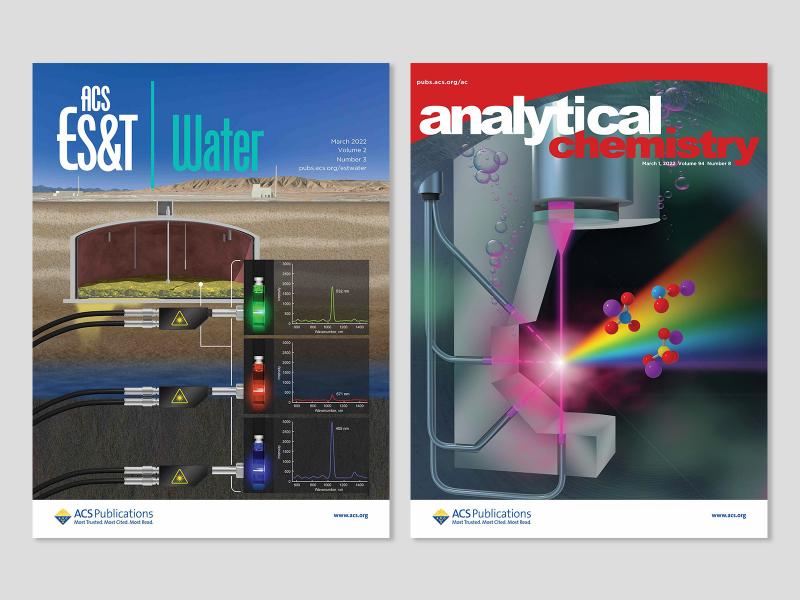
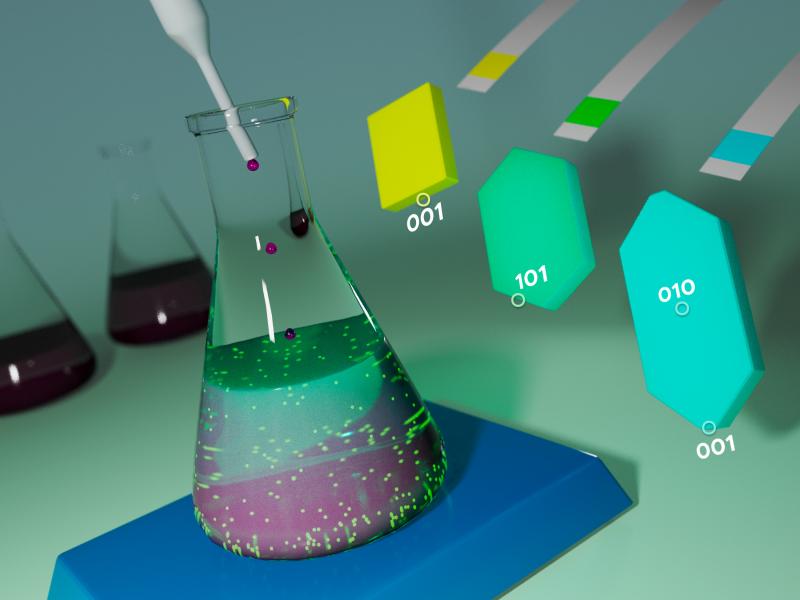
PNNL research, featured on the cover of two science journals, describes advancements in using Raman spectrometry for Hanford Site nuclear waste remediation.
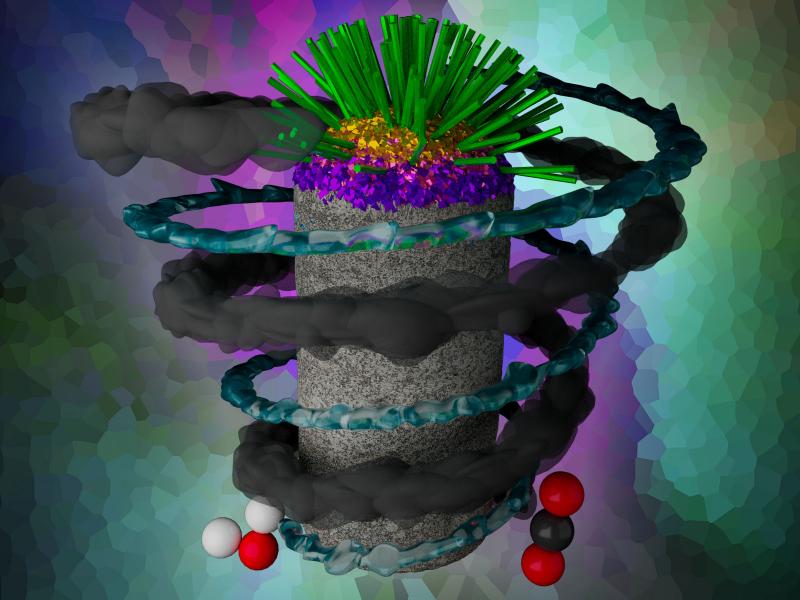
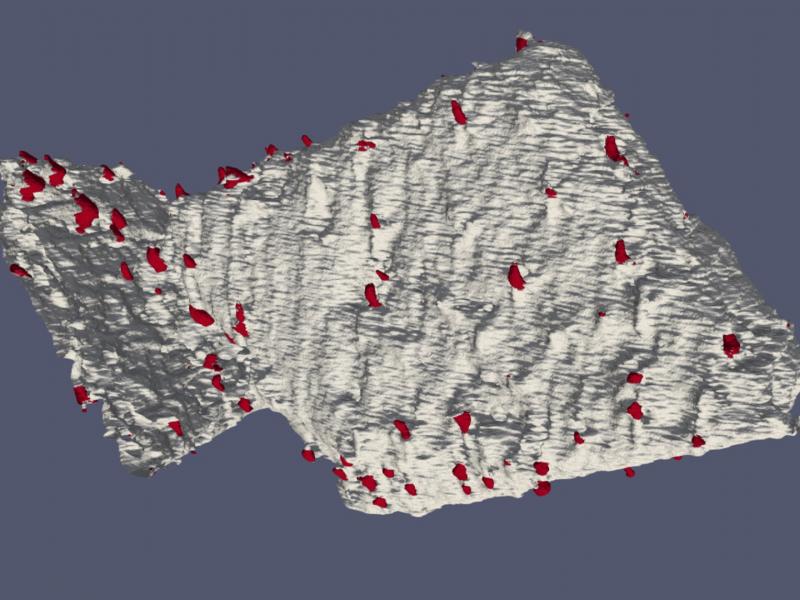
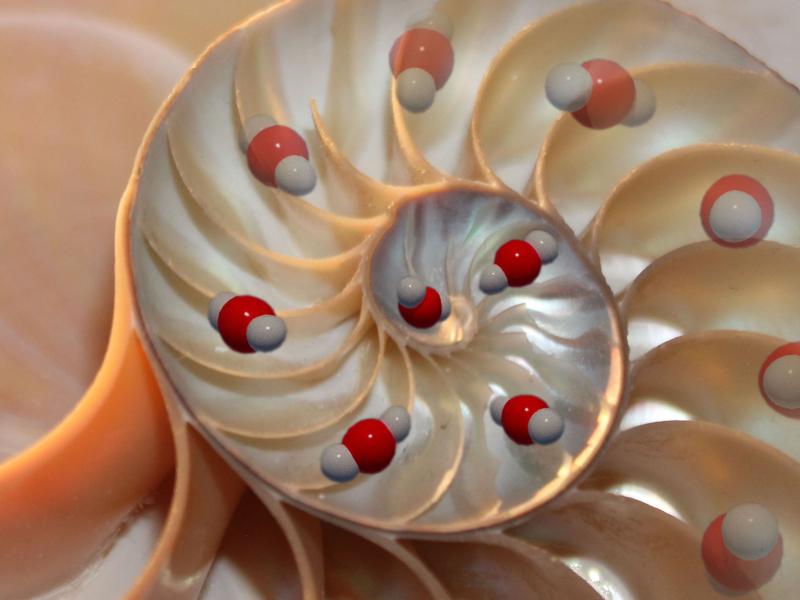
Some rocks can potentially convert injected carbon dioxide into more stable solid minerals. A new review article explores what scientists know about the atom-by-atom process.
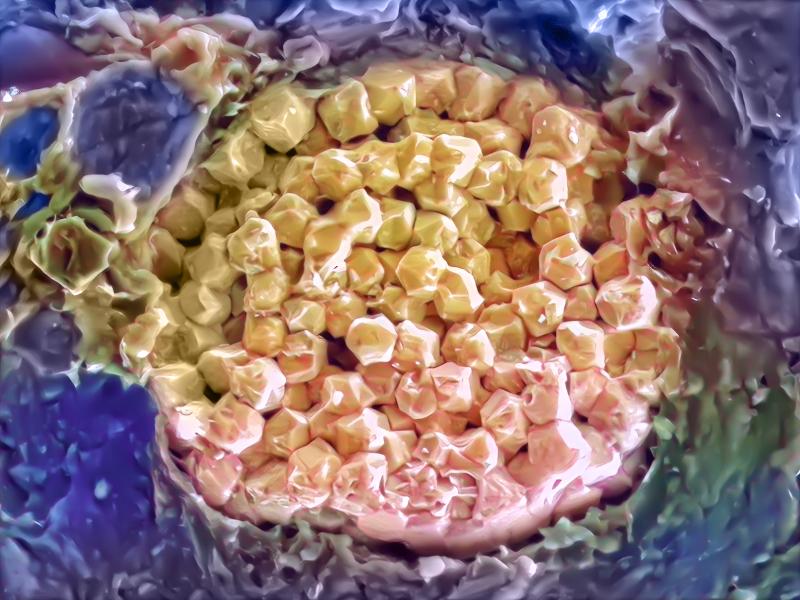
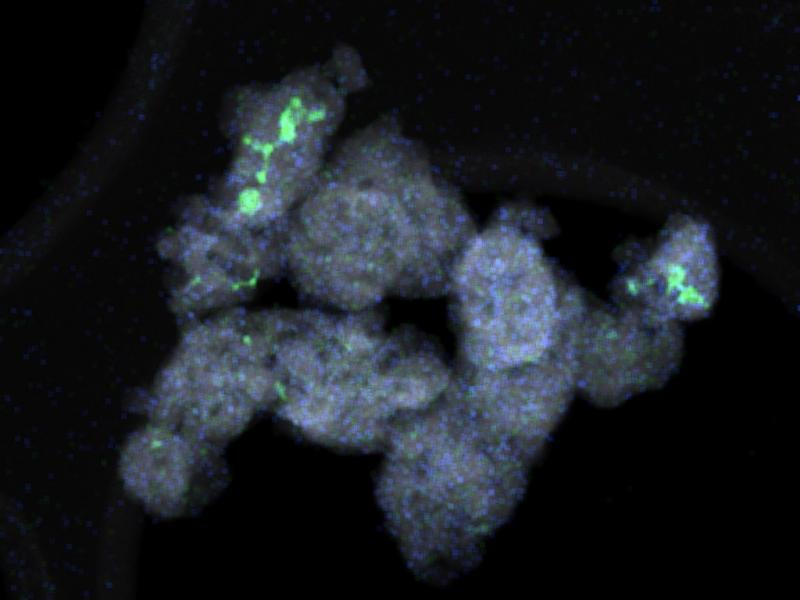
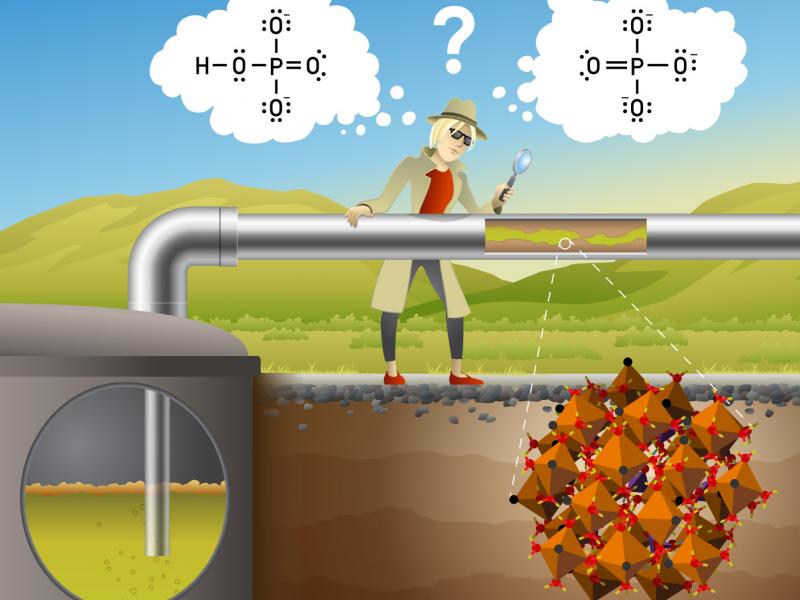
Developing a new understanding of the structure of natrophosphate, a complex mineral found in radioactive tank waste at the Hanford Site, by integrating experimental techniques.
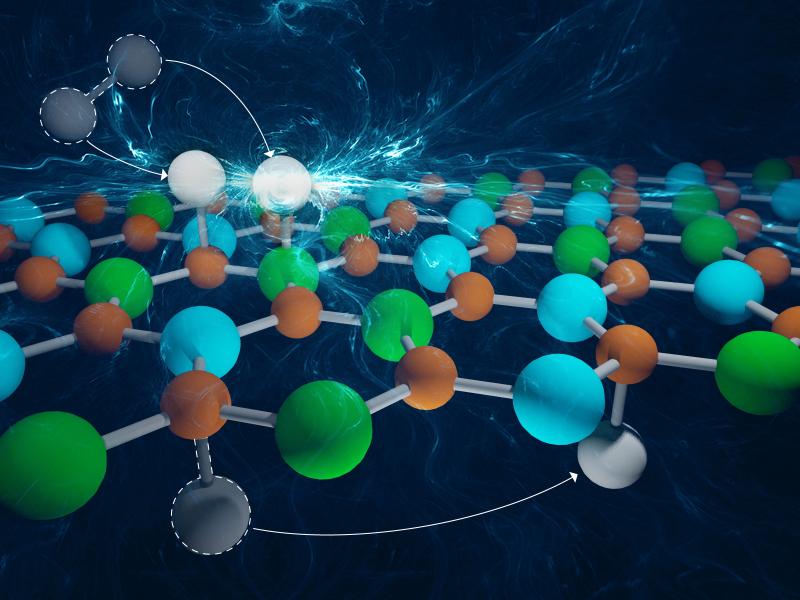
Newly funded research will look at the underlying science of controlling hydrogen interactions with two-dimensional materials composed of carbon, boron, and nitrogen.