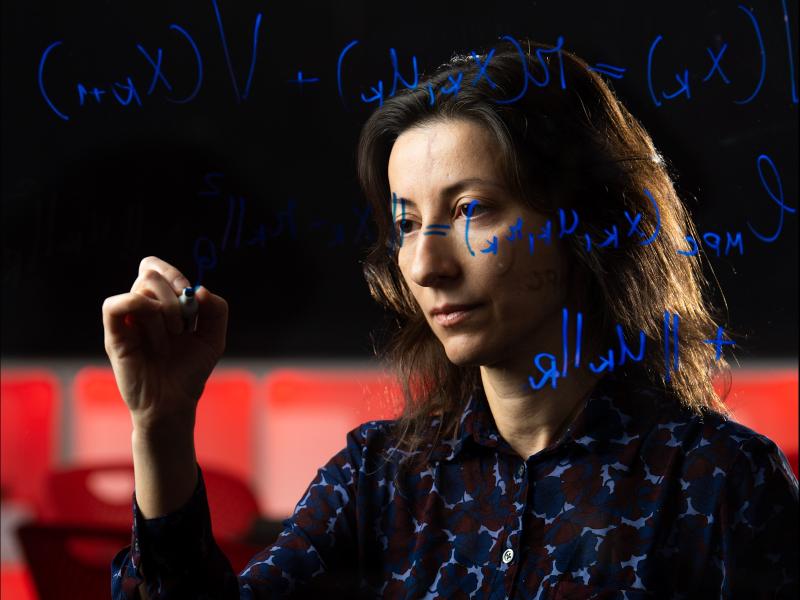
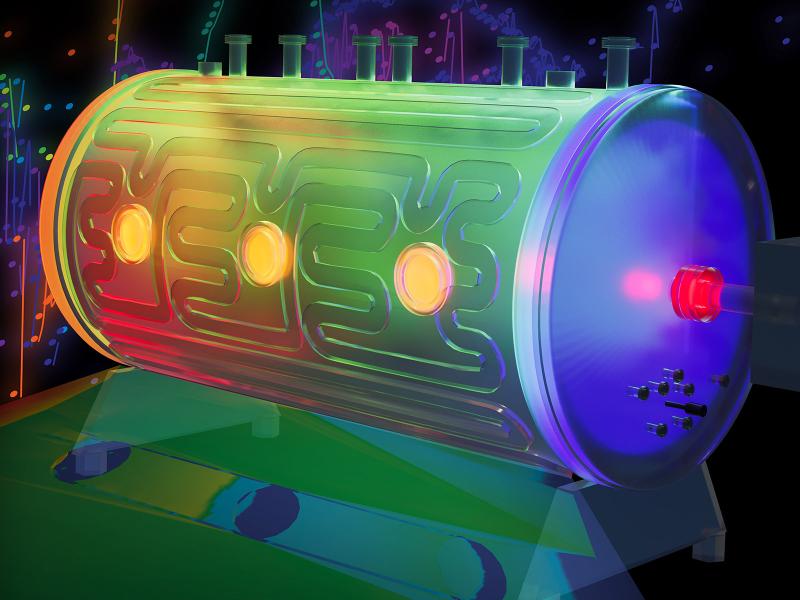
PNNL's “co-scientist” serves as a one-stop AI shop for accelerating scientific discovery. By leveraging AI agents, researchers can explore scientific databases, conduct analyses and request step-by-step plans for testing their hypotheses.
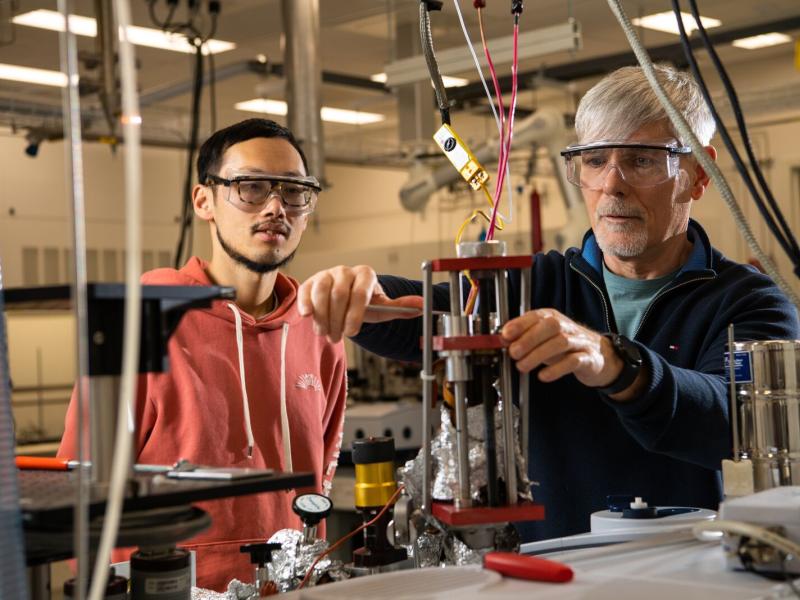
By combining computational modeling with experimental research, scientists identified a promising composition that reduces the need for a critical material in an alloy that can withstand extreme environments.
PNNL’s year in review includes highlights ranging from advancing soil science to understanding Earth systems, expanding electricity transmission, detecting fentanyl, and applying artificial intelligence to aid scientific discovery.
PNNL biodefense experts seek to identify, understand and mitigate the risks of biological pathogens—whether naturally occurring or intentionally created—so steps can be taken to prepare and respond.
Researchers found that in a future where the Great Plains are 4 to 6 degrees Celsius (°C) warmer as projected in a high-emission scenario, these storms could bring three times more intense rainfall.
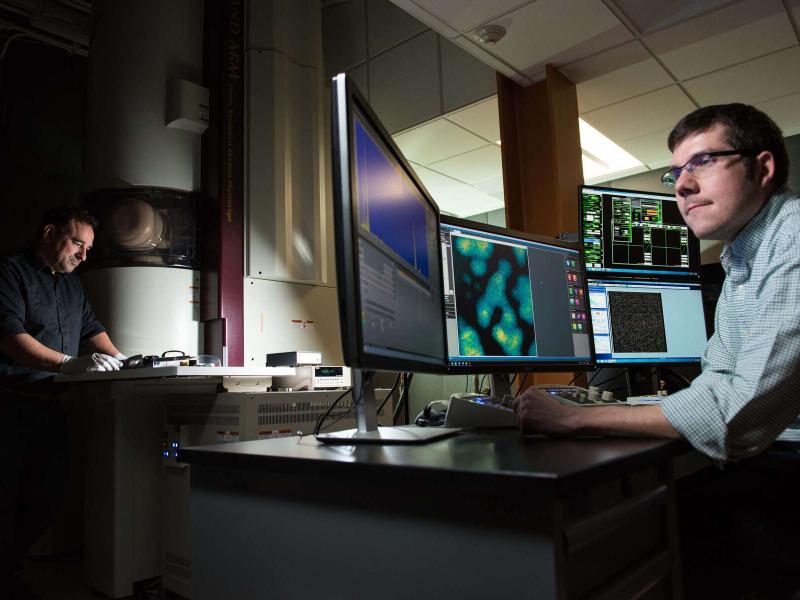
A breakthrough in electron microscopy based on deep learning can automatically visualize and identify areas of interest, helping to speed advances in materials science.
Summer is for science! PNNL’s interns are diving into science and technology and getting a front-row view of the research and development of a national laboratory.
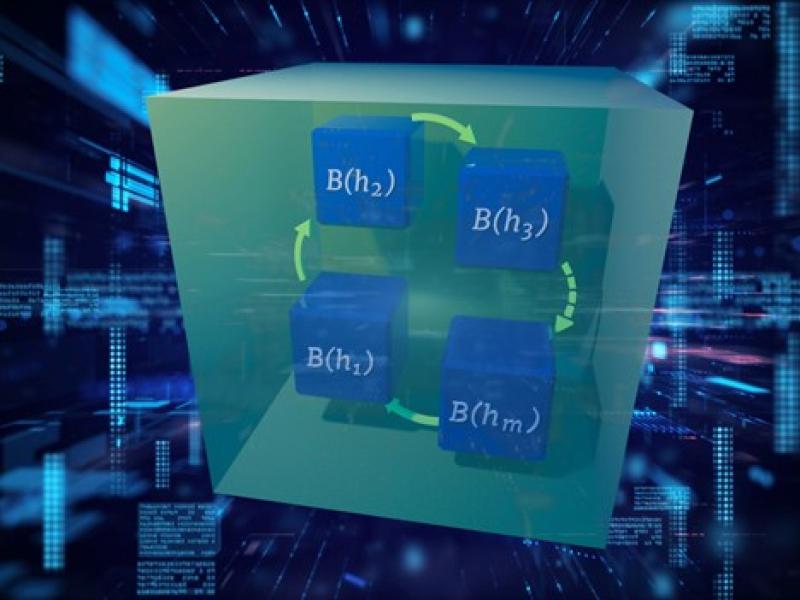
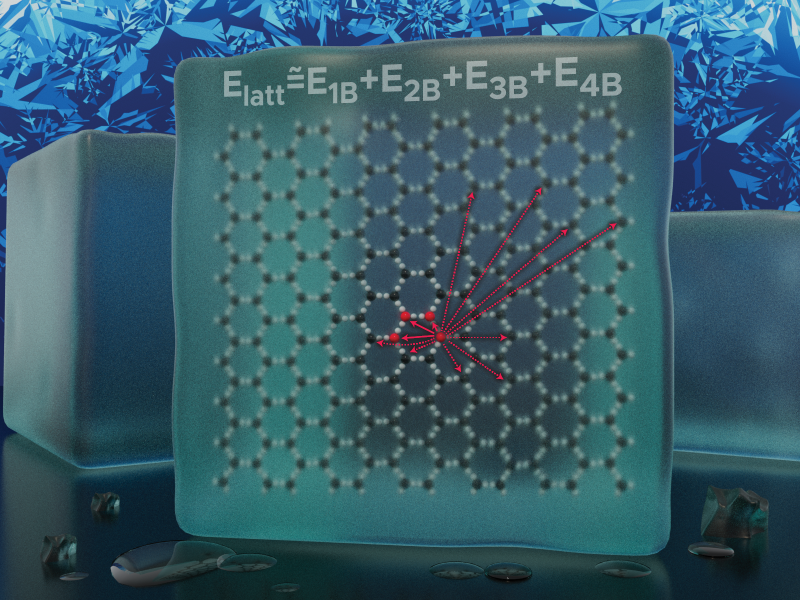
Research from PNNL and the University of Washington demonstrates the extension of the MBE for periodic systems and its use to decompose the lattice energies of different ice polymorphs.
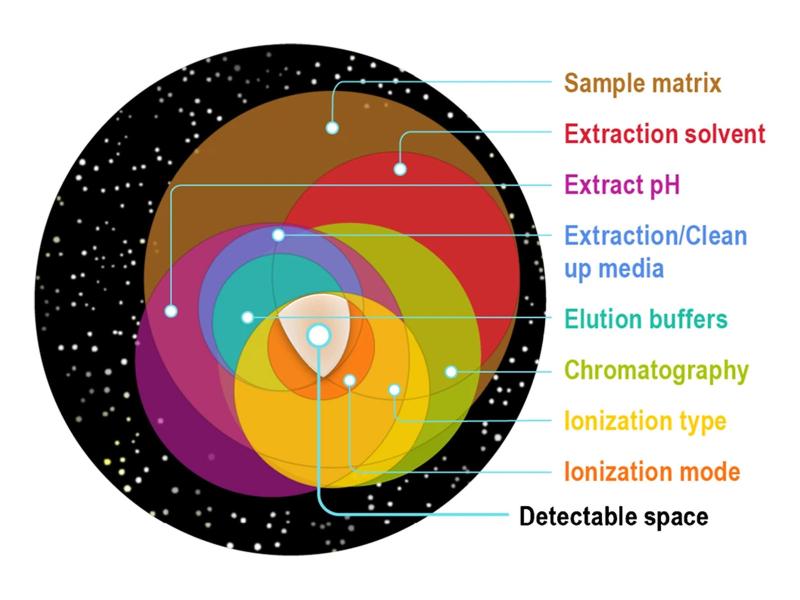
The ChemSpace Tool, when fully developed, is intended to divide chemical space into three subsets: the detectable space, the identifiable space, and the region that includes compounds that are not detectable or identifiable.