Brett Jefferson, data scientist, was recently recognized for his determination and success in his research space with an Early Career Award from Indiana University Bloomington in the Psychological and Brain Sciences Department.
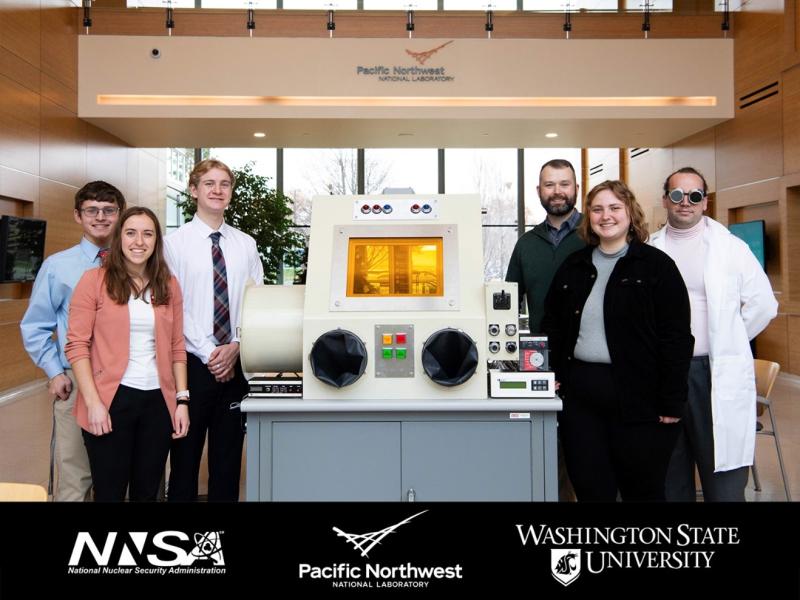
How do you make an operational technology assurance course more relevant to attendees? Washington State University students brought a fresh perspective by designing and fabricating a realistic mock training system—a vintage-style glove box.
At the GovAI Summit 2023, Ryan Eddy joined the Department of Homeland Security Science and Technology Directorate on a panel highlighting artificial intelligence impacts and opportunities in the field of emergency management.
The 50th anniversary of the Finnish Institute for Verification of the Chemical Weapons Convention was recently celebrated in Helsinki, Finland. PNNL's Jonathan Forman and Raul Aranzazu attended this international event.
The convergence of artificial intelligence, cloud, and high-performance computing to accelerate scientific discovery is the focus of a multi-year collaboration between Microsoft and PNNL.
PNNL had a significant presence at October’s North American Wind Energy Academy/WindTech 2023 Conference in Denver, Colorado. Thirteen PNNL wind experts participated in various capacities.
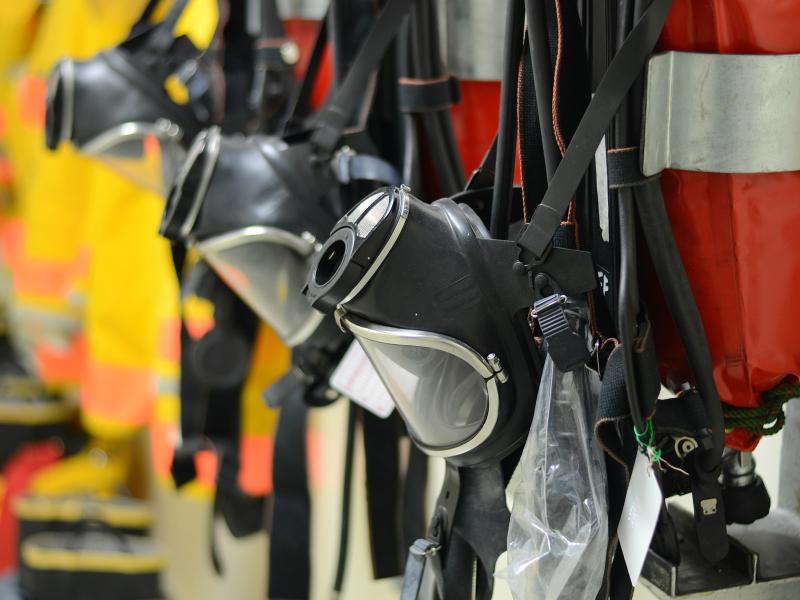
A team of researchers received an award for their contributions to improving the operational readiness and safety posture of the firefighter community by conducting a rigorous evaluation of commercially available equipment.
Fiscal year 2023 offered PNNL wind researchers a wealth of opportunity to address wind implementation challenges and expand its support of various federal and state agency wind energy goals.
PNNL has created the Center for AI @PNNL to coordinate the pioneering research of hundreds of scientists working on a range of projects in artificial intelligence.
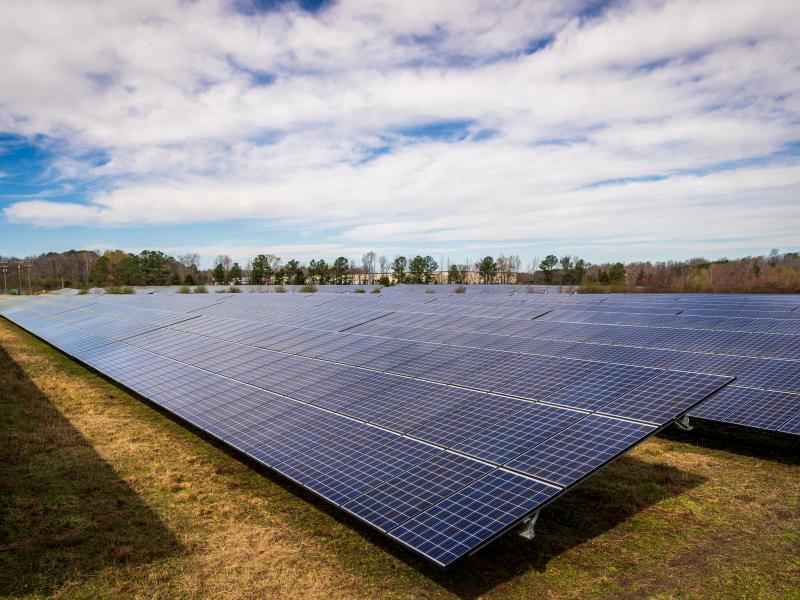
Understanding the risk of compound energy droughts—times when the sun doesn’t shine and the wind doesn’t blow—will help grid planners understand where energy storage is needed most.
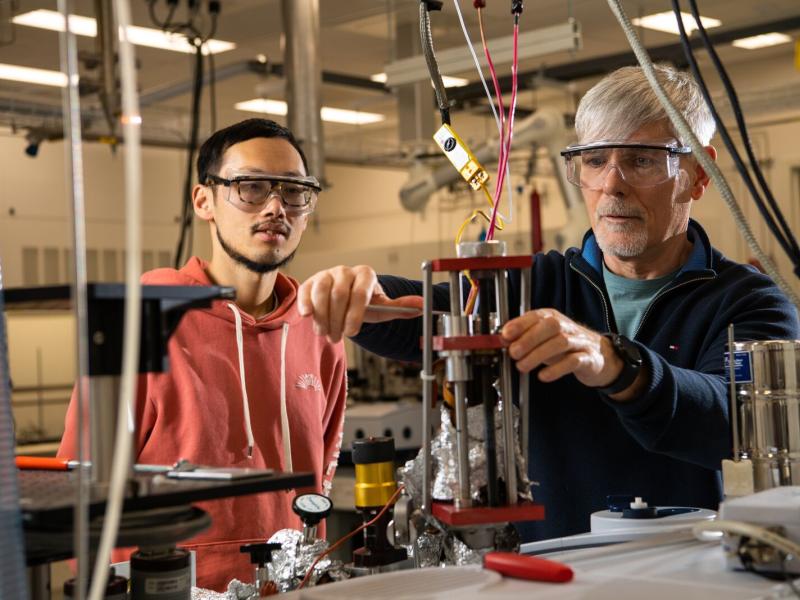
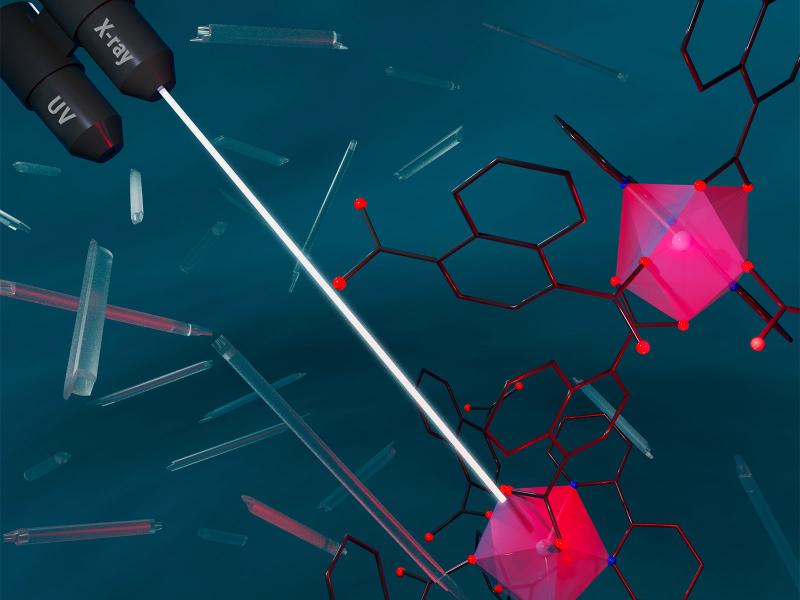
Making it on CrystEngComm’s HOT list, the article, “Designing scintillating coordination polymers using a dual-ligand synthetic approach,” highlights research on existing materials that are non-traditional scintillators.
Department of Energy’s Advanced Research Projects Agency-Energy selects PNNL project to help accelerate the development of marine carbon dioxide removal technologies.
A team of scientists at PNNL developed new computational models to predict the behavior of these impurities and reduce the expense and risk related to actinide metal production.