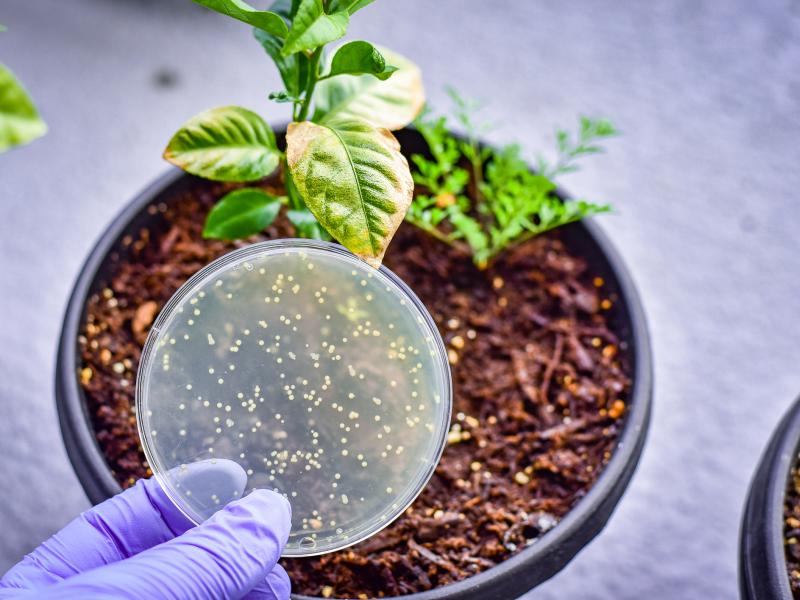
Scientists at PNNL have published a new article that focuses on understanding the composition, dynamics, and deployment of beneficial soil microbiomes to get the most out of soil.
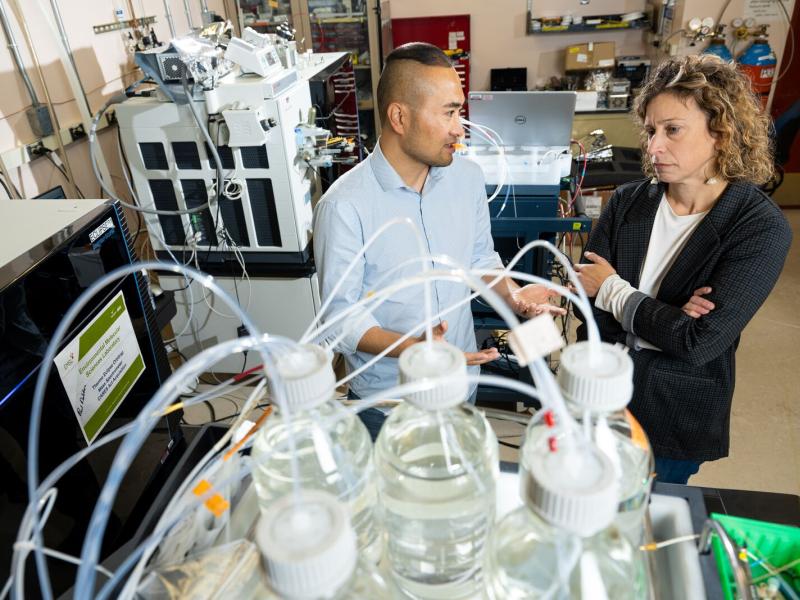
A team of researchers from PNNL provided technical knowledge and support to test a suite of techniques that detect genetically modified bacteria, viruses, and cells.
High fidelity simulations enabled by high-performance computing will allow for unprecedented predictive power of molecular level processes that are not amenable to experimental measurement.
PNNL data scientist in the Biological Sciences Division won the 2023 JSM Data Challenge Expo. The award-winning analysis focused on the ability to identify crime patterns by correlating them with historical events and trends.
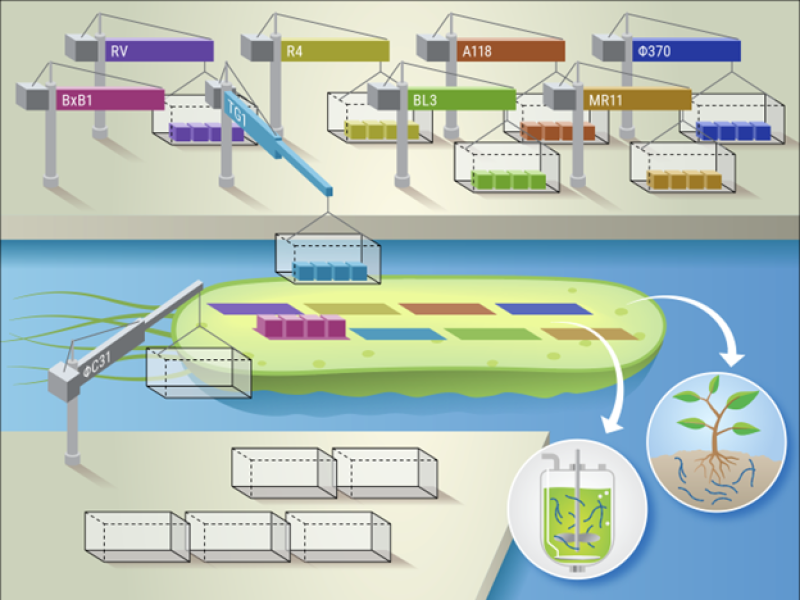
SAGE is a high-efficiency genome integration strategy for bacteria that makes the stable introduction of new traits simple for newly discovered microbes.
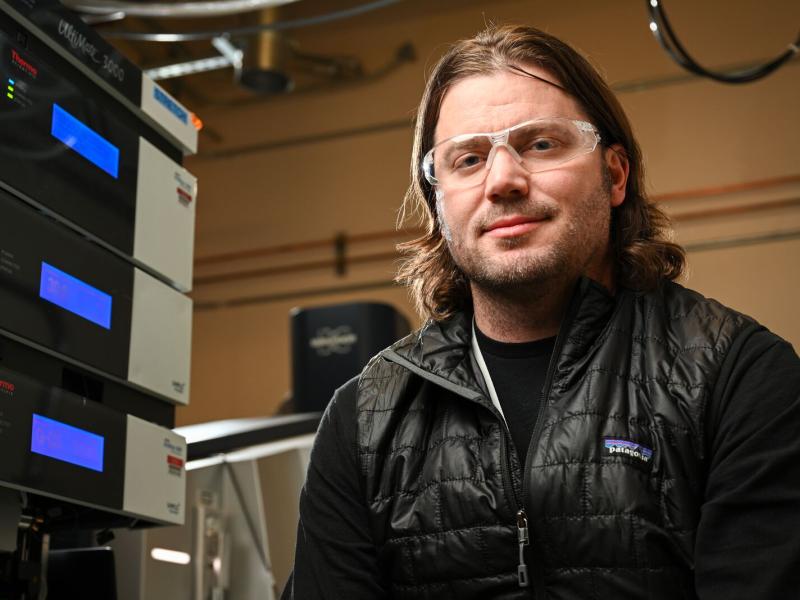
PNNL chemist Christopher Anderton recently named president-elect of the Imaging Mass Spectrometry Society (IMSS). In this new position, he will help lead the merge of IMSS with a European-based society, currently underway.
Bobbie-Jo Webb-Robertson is a leader with a PhD in decision sciences & engineering systems from Rensselaer Polytechnic Institute and experience in managing complex scientific programs and line organizations. She assumed the role 3/13/23.
Gosline works to develop computational algorithms that are uniquely targeted for rare disease work by doing foundational research in model system development. This work can be expanded to all model systems in human disease.
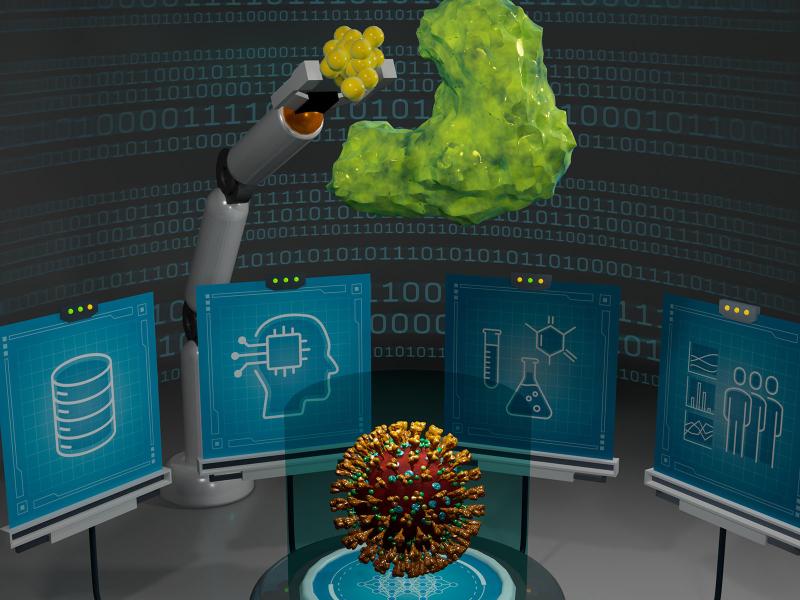
Data-driven autonomous technology to rapidly design and deliver antiviral interventions targeting SARS-CoV-2 to reduce drug discovery timeline and advance bio preparedness capabilities.
New research findings published in Science Advances (November 2022), help explain the progression of Alzheimer-related dementia in each patient. The findings outline a biological classification system that predicts disease severity.