IEEE Power and Energy Society Task Force Focused on Equity and Energy Justice, led by PNNL staff member Bethel Tarekegne, guides important changes in energy policy and regulation.
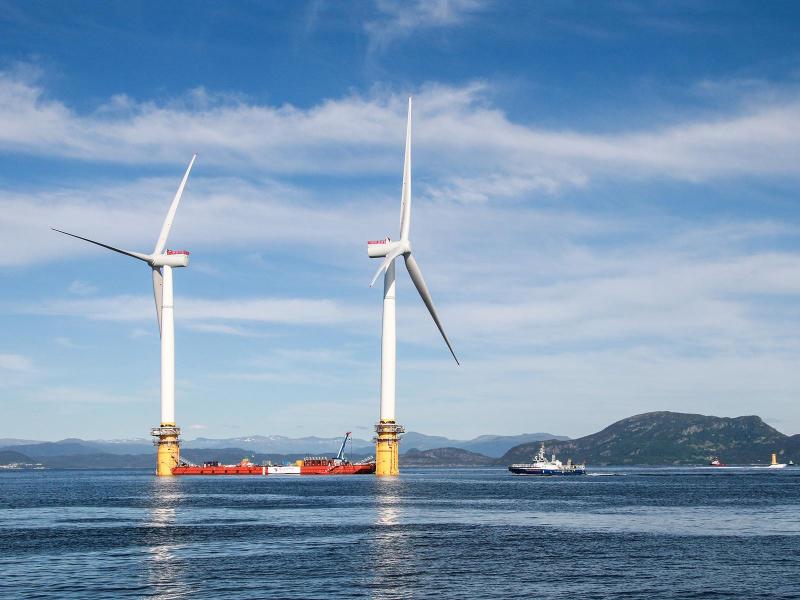
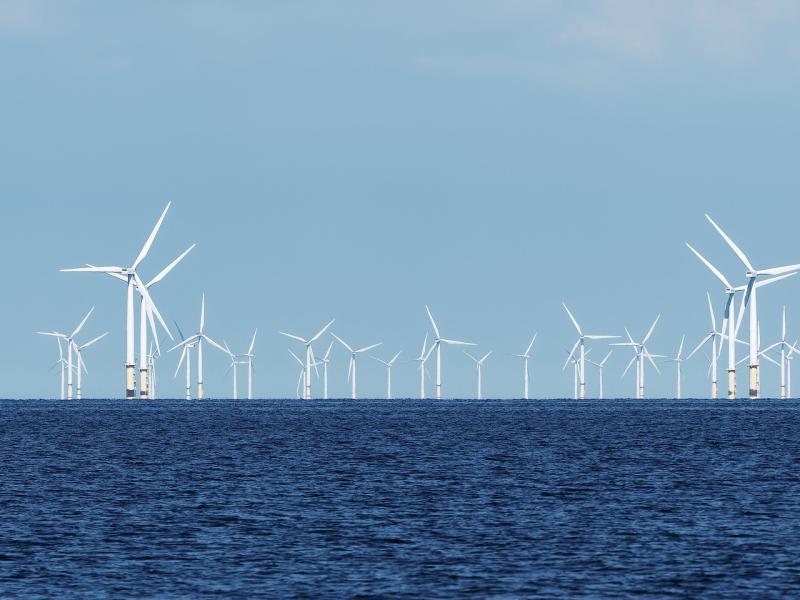
Researchers seek to bring down costs, address potential environmental risks and maximize the benefits of harnessing wind energy above the deep waters of the Pacific.
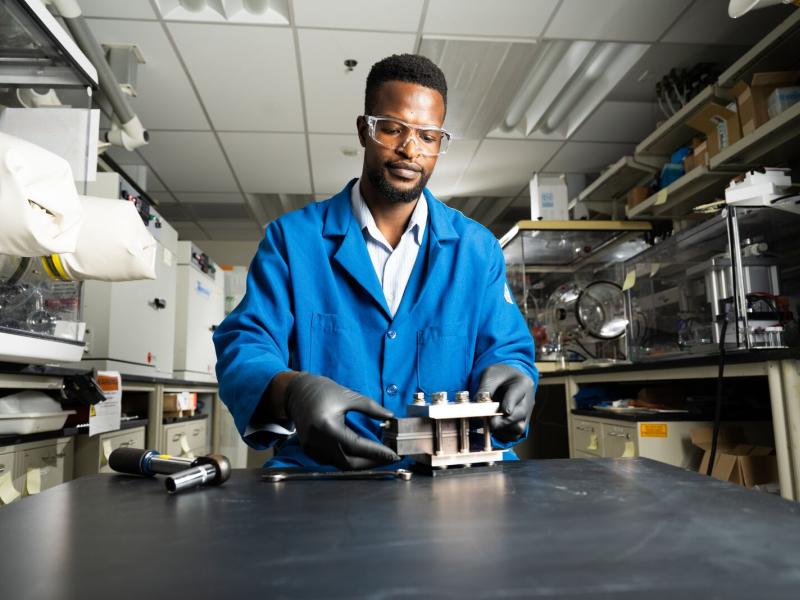
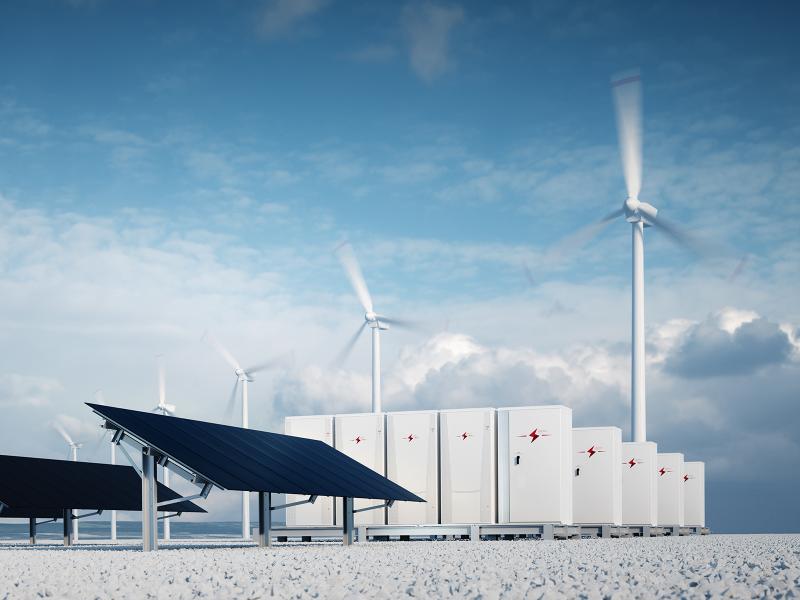
In 2006, battery research was practically non-existent at PNNL. Today, the lab is lauded for its battery research. How did PNNL go from a new player to a leader in state-of-the-art storage for EVs and the grid?
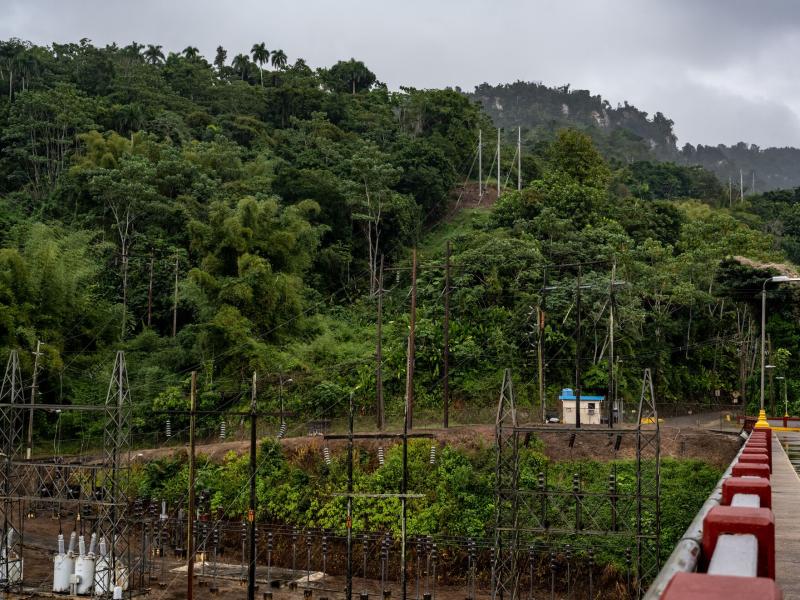
PNNL’s Chris Chini has been named a guest editor of Environmental Research: Infrastructure and Sustainability’s special issue examining energy infrastructure vulnerabilities from physical and natural threats.
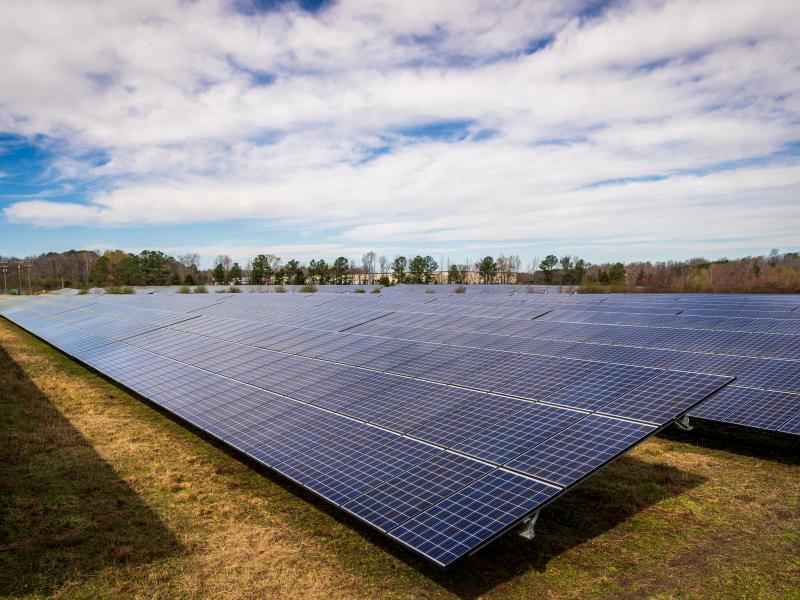
Understanding the risk of compound energy droughts—times when the sun doesn’t shine and the wind doesn’t blow—will help grid planners understand where energy storage is needed most.
Floating offshore wind farms could potentially triple the Pacific Northwest's wind power capacity while offsetting billions of dollars in costs for utilities, ratepayers, insurance companies, and others.
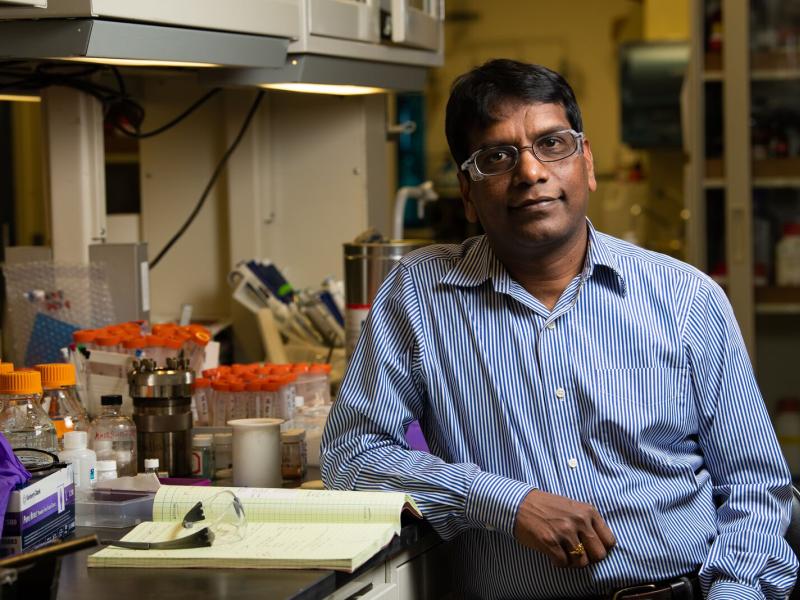
PNNL receives a 2023 Federal Laboratory Consortium Far West Regional Award for a technological innovation that could help make the U.S. a producer of critical minerals used in electronics and energy production.
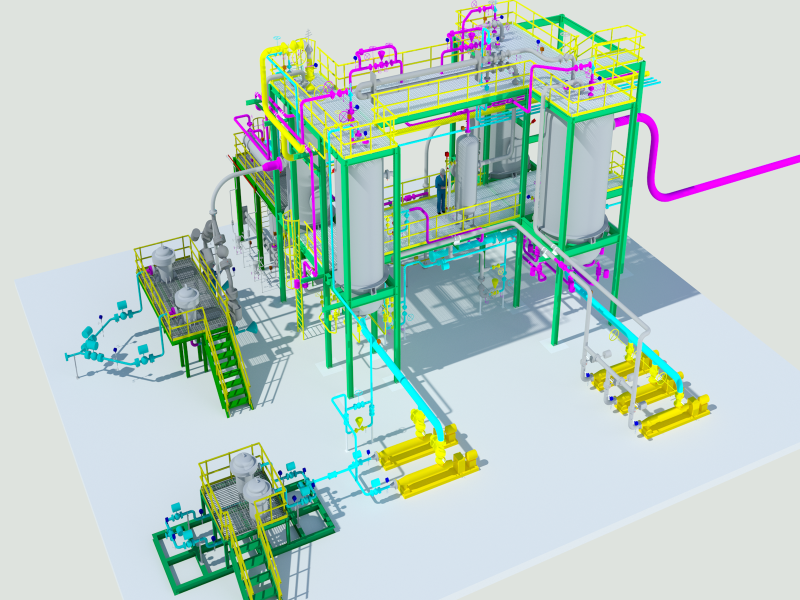
A PNNL innovation uses steam to recover heat from the high-temperature reactor effluent in the HTL process, substantially reducing the propensity for fouling and potentially reducing costs.
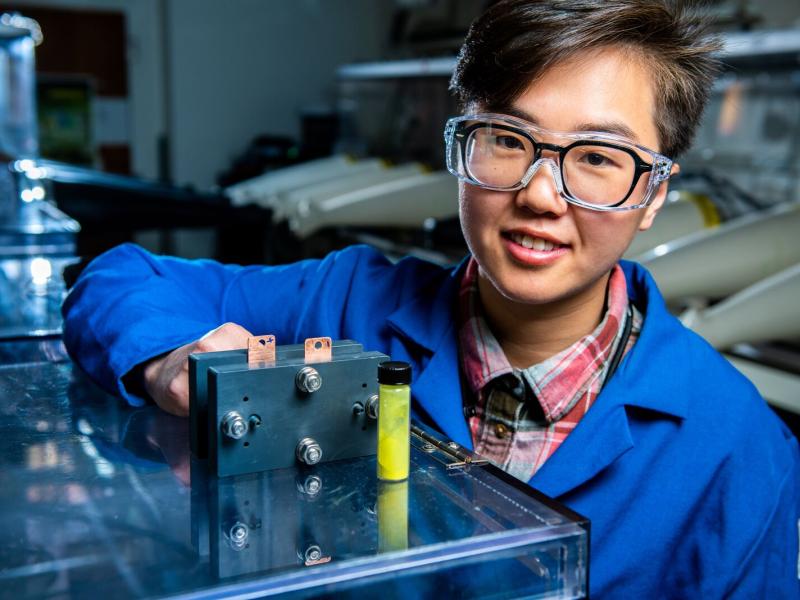
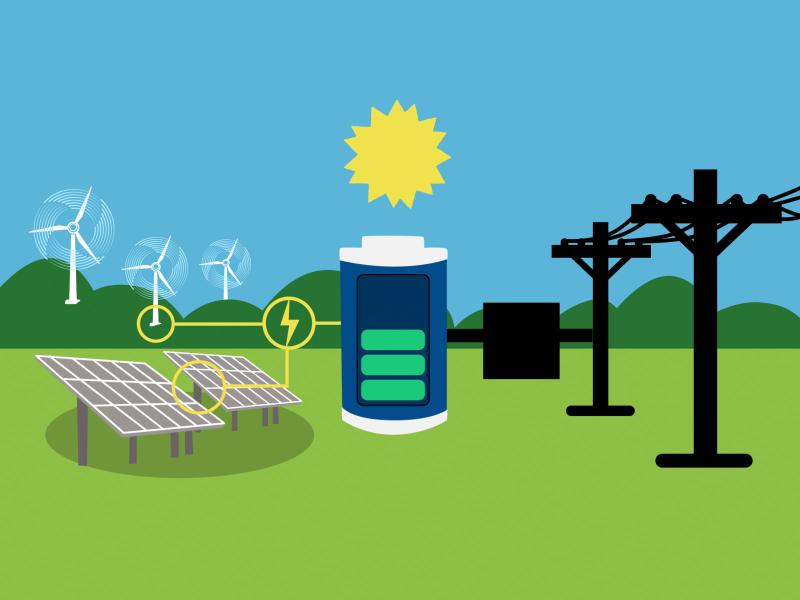
A new sodium battery technology shows promise for helping integrate renewable energy into the electric grid. The battery uses Earth-abundant raw materials such as aluminum and sodium.
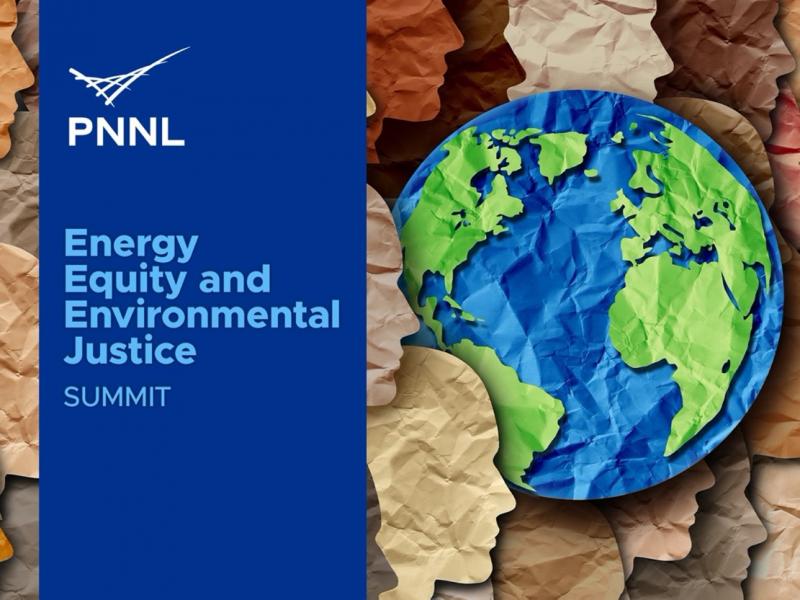
PNNL gathered researchers from eight national laboratories plus the U.S. Department of Energy (DOE) to share ideas and build synergy at the Energy Equity and Environmental Justice Summit.
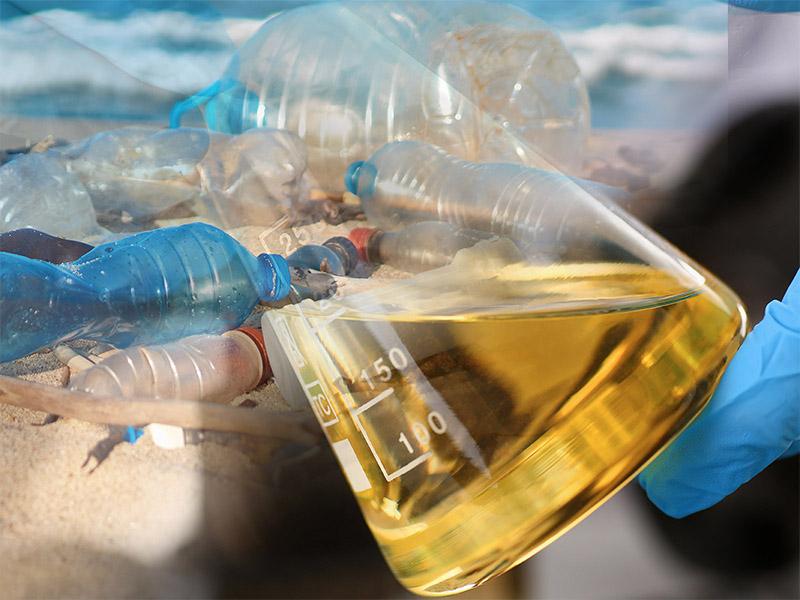
Plastic upcycling efficiently converts plastics to valuable commodity chemicals while using less of the precious metal ruthenium. The method could recycle waste plastic pollution into useful products, helping keep it out of landfills.