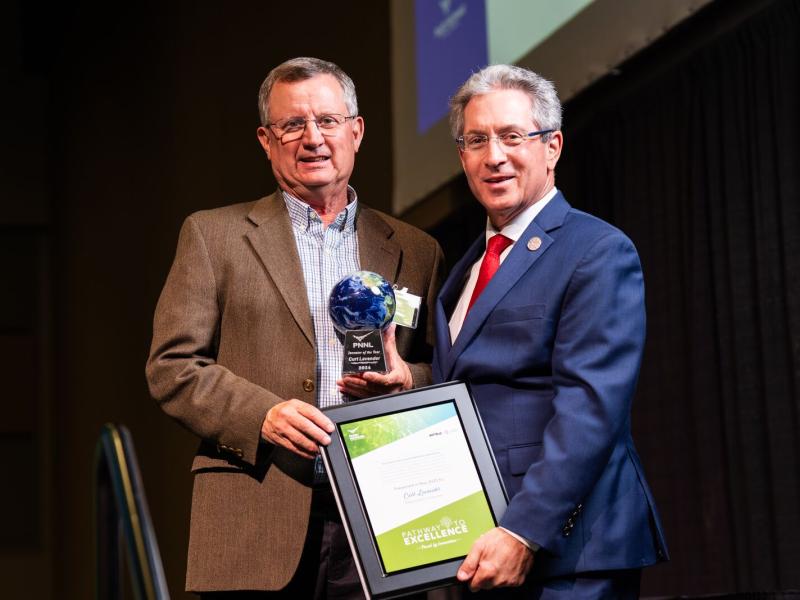
From vehicles and airplanes to solid-phase processing of metals—how Curt Lavender and his team at PNNL solve industry problems with practical ingenuity.
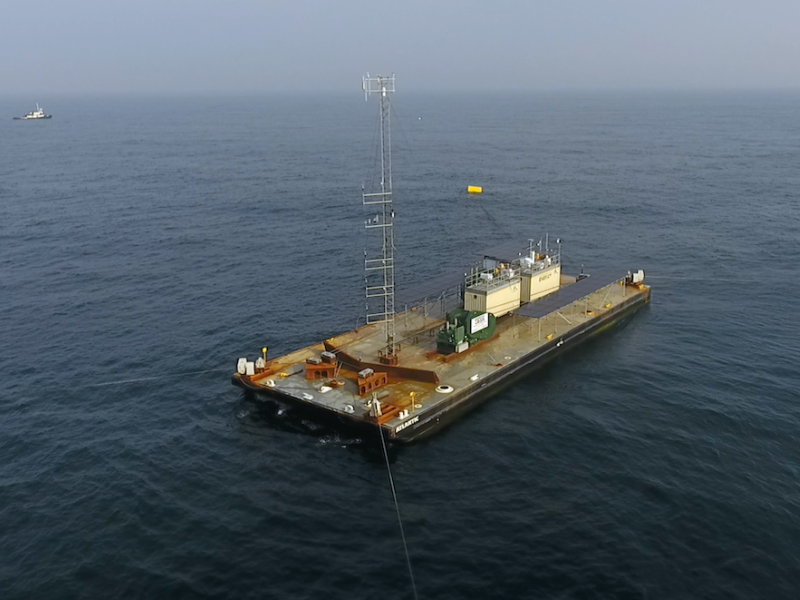
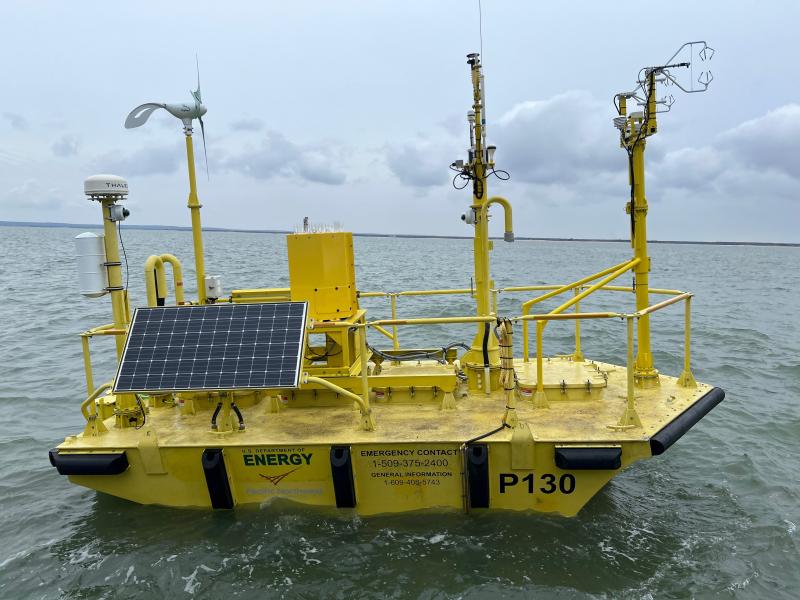
With the launch of a large research barge, PNNL and collaborators took another significant step to improve offshore wind forecasting that will lower risk and cost associated with offshore wind energy development.
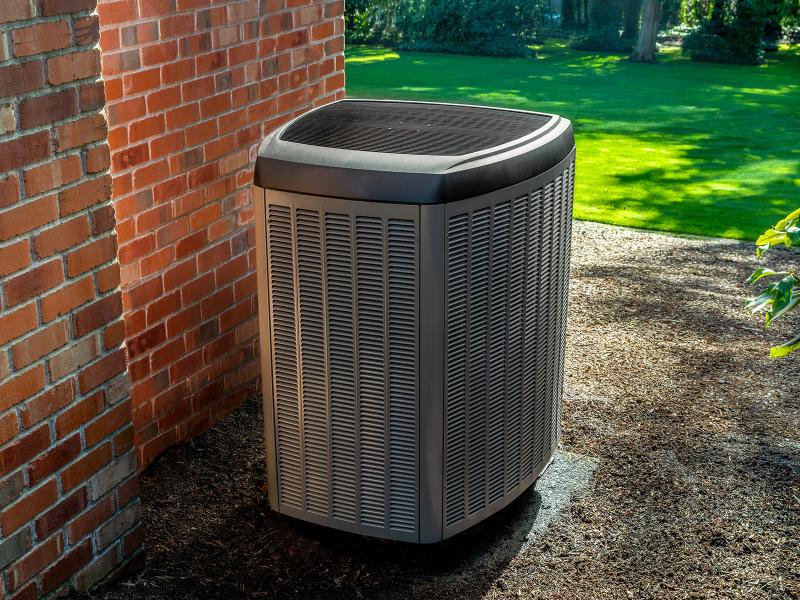
PNNL has developed a decision tool that provides contractors and installers with the information they need to properly select and install cold climate heat pumps, which are a key technology for achieving decarbonization.
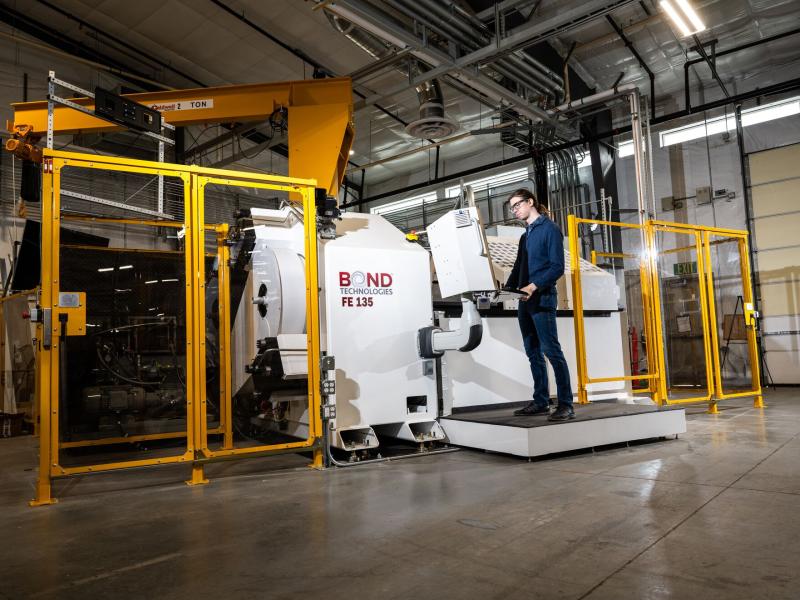
PNNL’s patented Shear Assisted Processing and Extrusion (ShAPE™) technique is an advanced manufacturing technology that enables better-performing materials and components while offering opportunities to reduce costs and energy consumption.
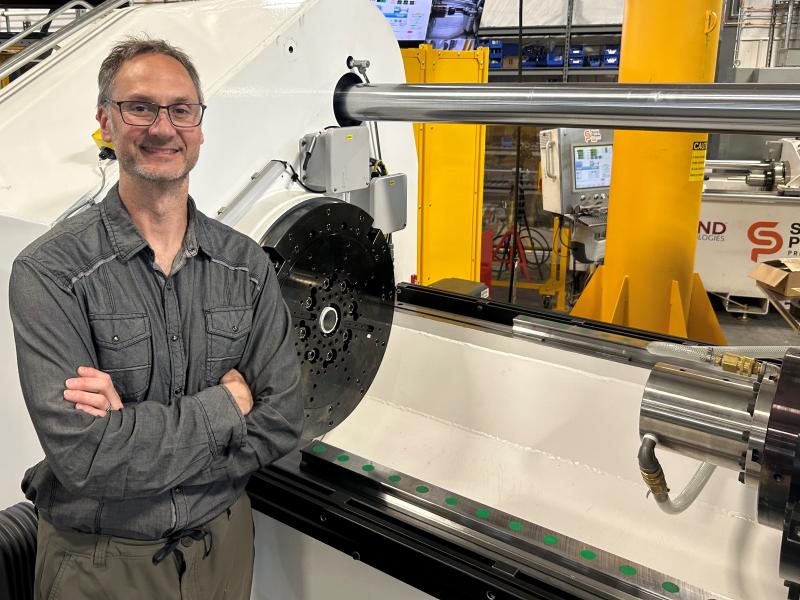
The next-generation ShAPE machine has arrived at PNNL, where it will help prove the mettle of the ShAPE extrusion technique. ShAPE 2 is designed to allow researchers to produce larger, more complex extrusions.
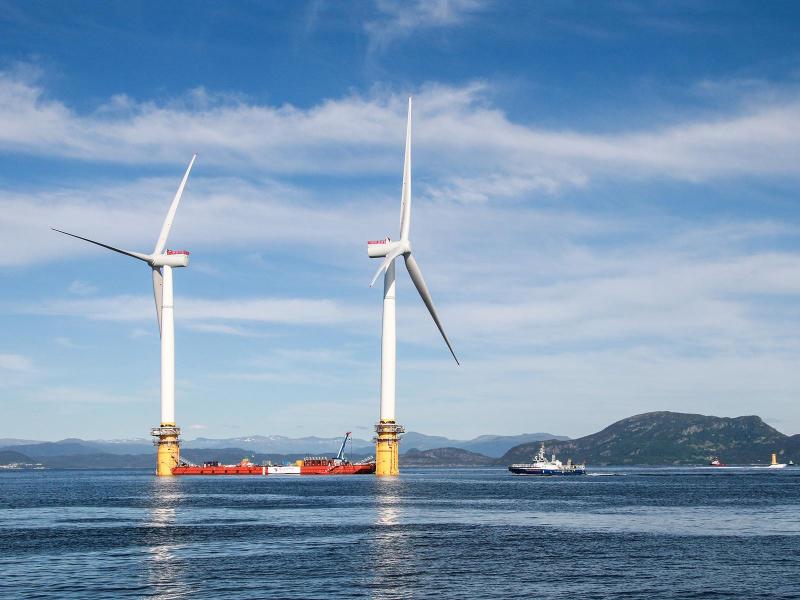
Researchers seek to bring down costs, address potential environmental risks and maximize the benefits of harnessing wind energy above the deep waters of the Pacific.
The nation is closer to its offshore wind energy goals than ever before, but better wind forecasting is still needed. To address this challenge, PNNL and collaborators are charting a new course with help from novel technology.
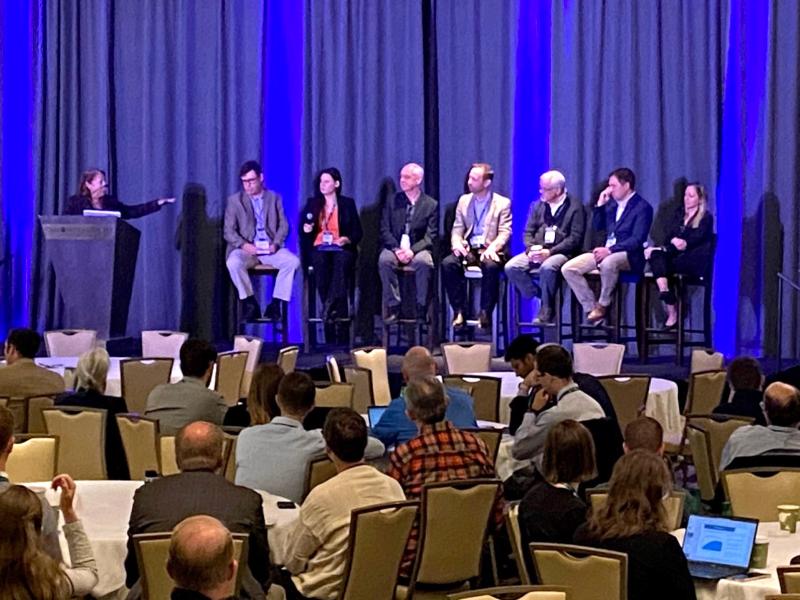
PNNL had a significant presence at October’s North American Wind Energy Academy/WindTech 2023 Conference in Denver, Colorado. Thirteen PNNL wind experts participated in various capacities.
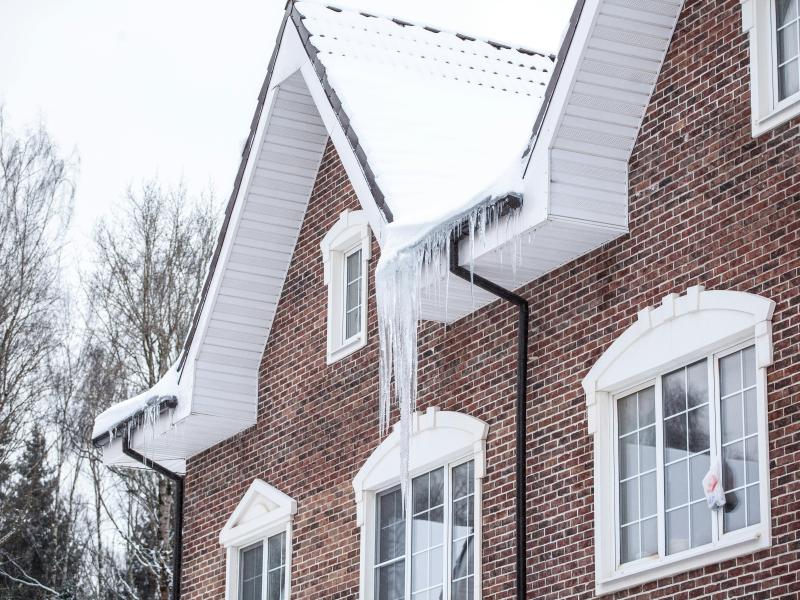
From air-sealing windows and checking for leaky ducts to insulating the attic, PNNL researchers offer tips on how to keep a home warm in winter weather.
A larger HVAC workforce with training on modern heat pump technology will be pivotal to achieving the mass-scale electrification of household HVAC systems needed to meet building decarbonization goals.
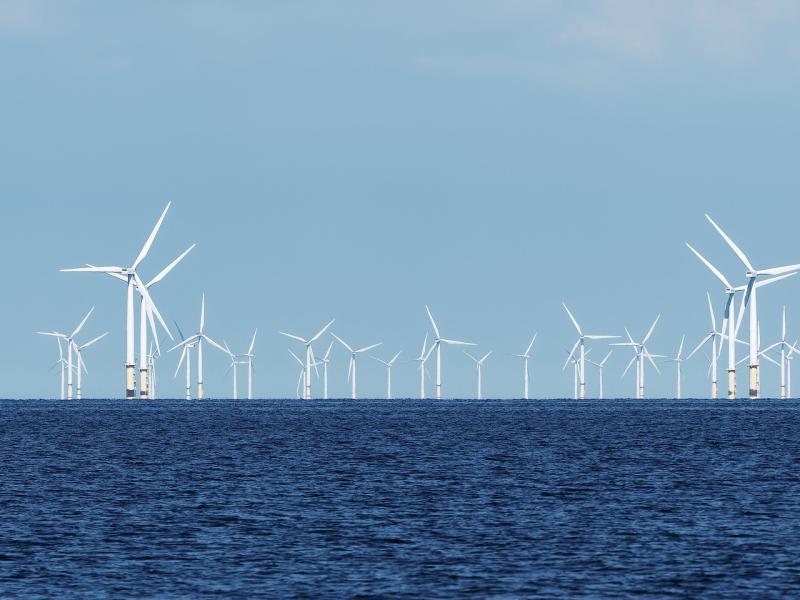
Floating offshore wind farms could potentially triple the Pacific Northwest's wind power capacity while offsetting billions of dollars in costs for utilities, ratepayers, insurance companies, and others.
The Department of Energy’s Vehicle Technologies Office recently issued two awards to researchers at PNNL for their contributions to areas that are crucial for the expansion of electric vehicles.