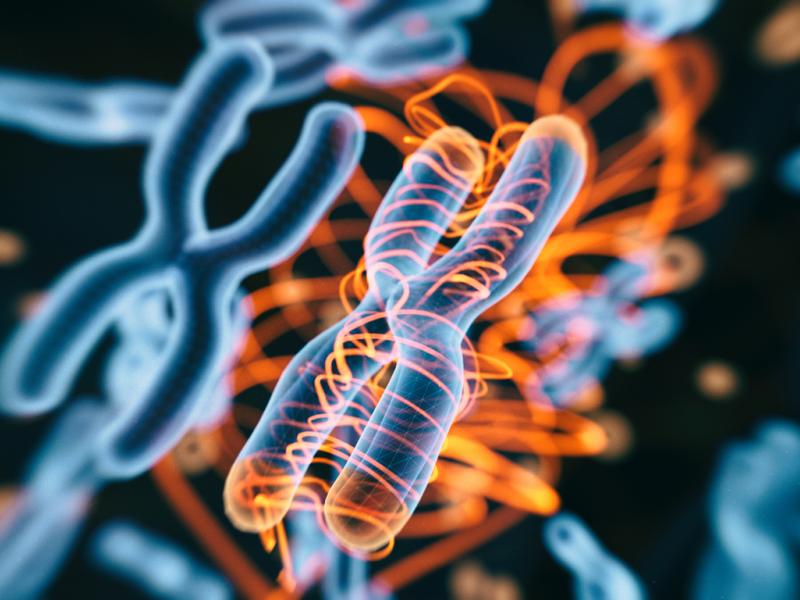
A team of researchers from PNNL provided technical knowledge and support to test a suite of techniques that detect genetically modified bacteria, viruses, and cells.
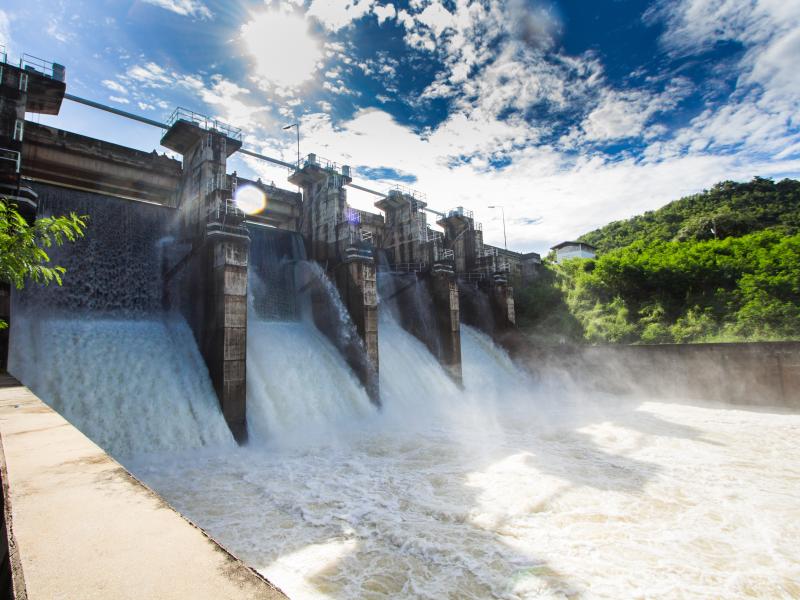
A team of researchers at PNNL has created a publicly available Hydropower eLibrary to improve access to information that could help streamline the FERC environmental review and licensing process.
Jonathan Forman was nominated to serve on the delegation of the United States of America at the second meeting of the Working Group on Strengthening the Biological Weapons Convention.
At the Nonproliferation, Counterproliferation, and Disarmament Science Gordon Research Conference, researchers from PNNL shared research and scientific approaches for countering diverse threats.
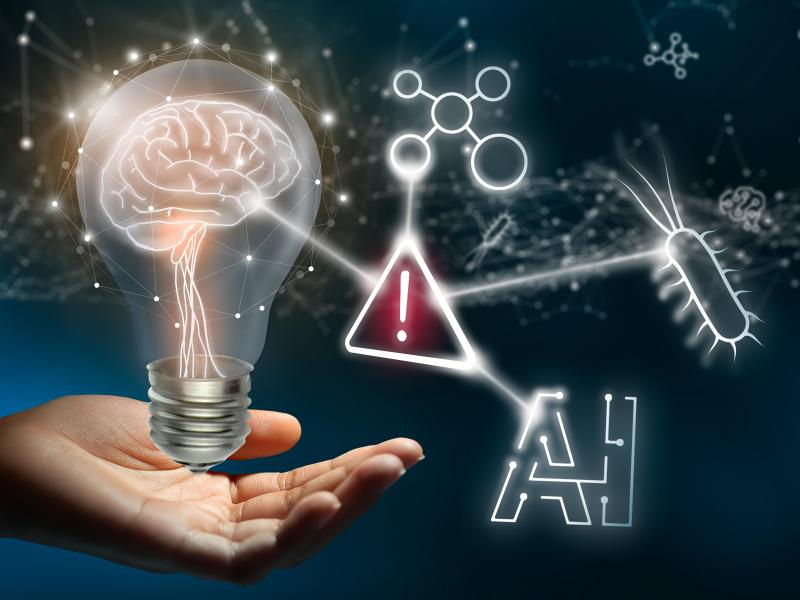
PNNL recently joined the Department of Homeland Security for two technical meetings exploring national security research spanning the threat realm, from chemical and biological attacks to adversarial artificial intelligence.
PNNL’s wide-ranging report maps the current nanobiotechnology landscape, flags potential concerns, and details the need for an organizing body to coordinate currently disparate disciplines.
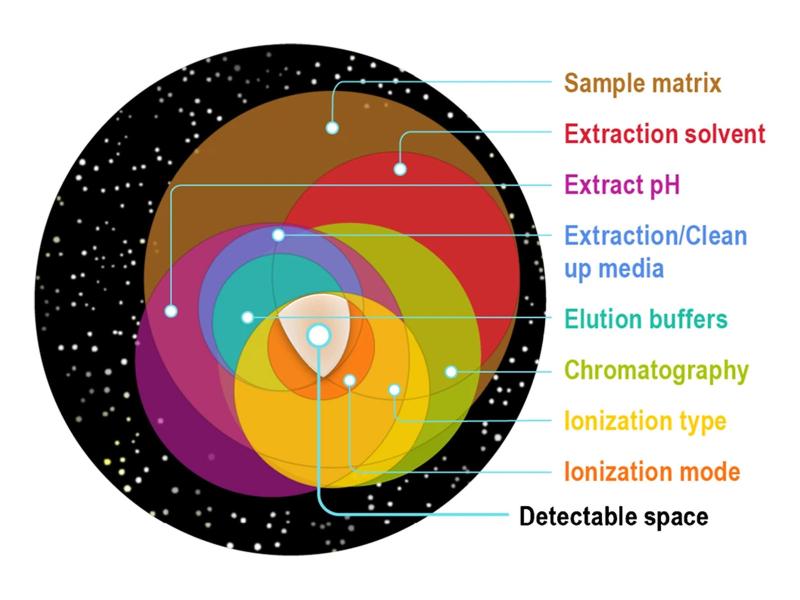
The ChemSpace Tool, when fully developed, is intended to divide chemical space into three subsets: the detectable space, the identifiable space, and the region that includes compounds that are not detectable or identifiable.
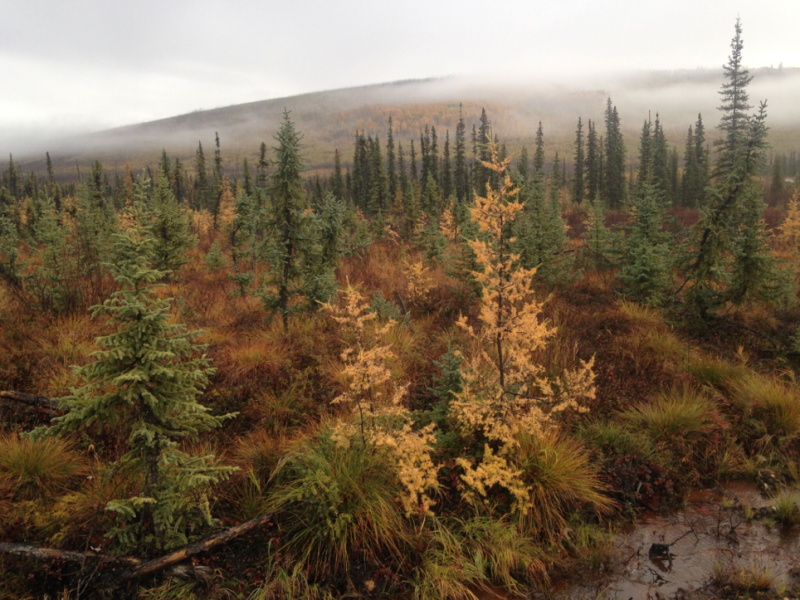
Microbes that were previously frozen in soils are becoming more active. This study demonstrates the diverse RNA viral communities found in thawed permafrost.
Five staff members from PNNL received awards from the Department of Energy’s Federal Energy Management Program for contributions to projects for the U.S. Army.
Biomedical scientist George Bonheyo has been selected as chair of a new International Electrotechnical Commission committee charged with creating standards for researching and measuring biofouling on marine energy systems.