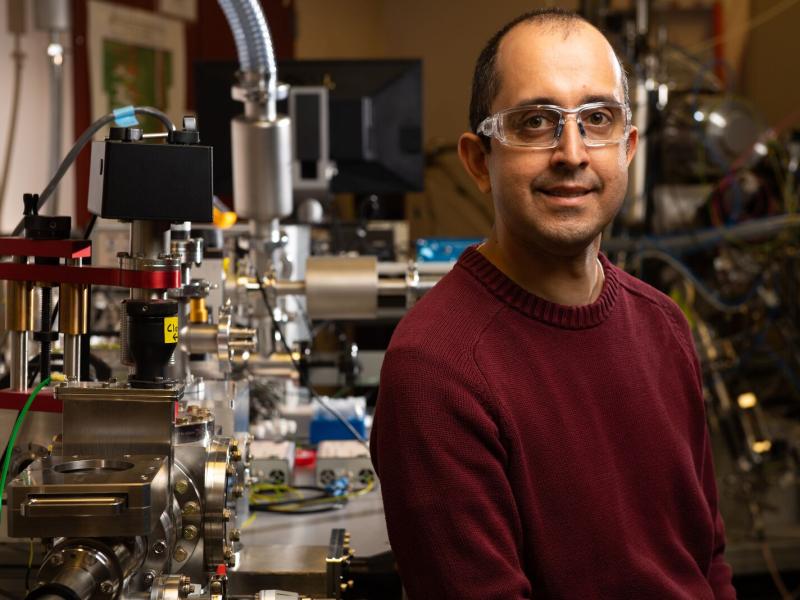
A team of scientists at PNNL developed new computational models to predict the behavior of these impurities and reduce the expense and risk related to actinide metal production.
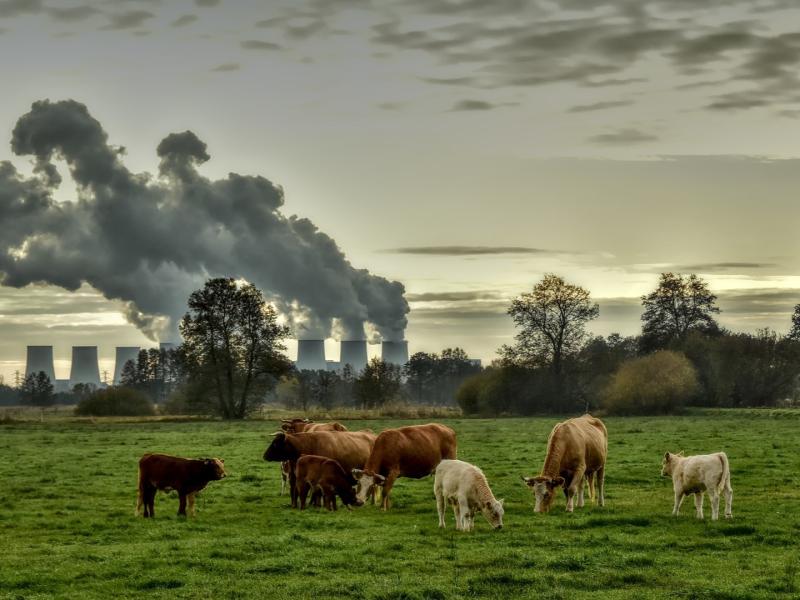
In a new paper, researchers point to three major efforts where the biggest climate mitigation gains stand to be realized: ramping up carbon dioxide removal, reigning in non-carbon dioxide emissions and halting deforestation.
At the Nonproliferation, Counterproliferation, and Disarmament Science Gordon Research Conference, researchers from PNNL shared research and scientific approaches for countering diverse threats.
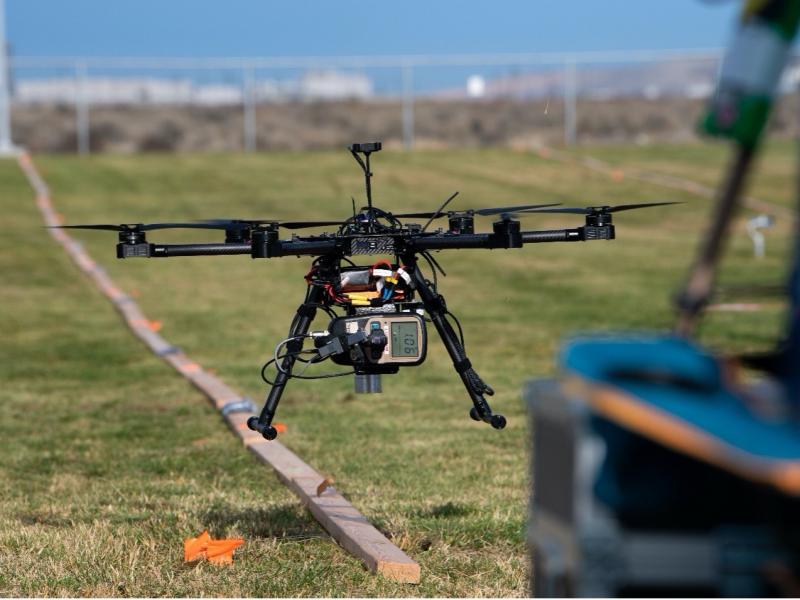
Through collaboration with the Department of Homeland Security Soft Target Engineering to Neutralize the Threat Reality Center of Excellence, PNNL is advancing research and development of tools and methodologies to protect crowded places.
Team brought experience in nuclear waste forms and regulatory policies to the Federally Funded Research and Development Center’s report, which was reviewed by a National Academies’ committee.
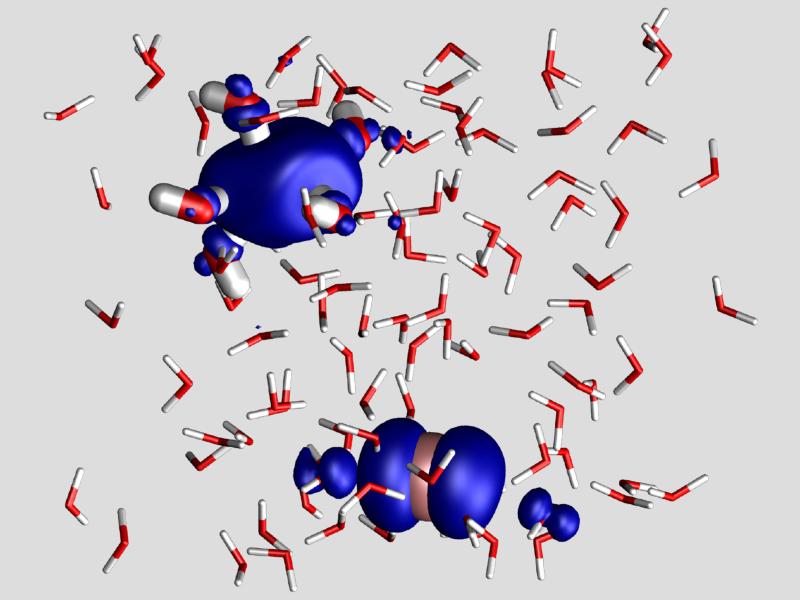
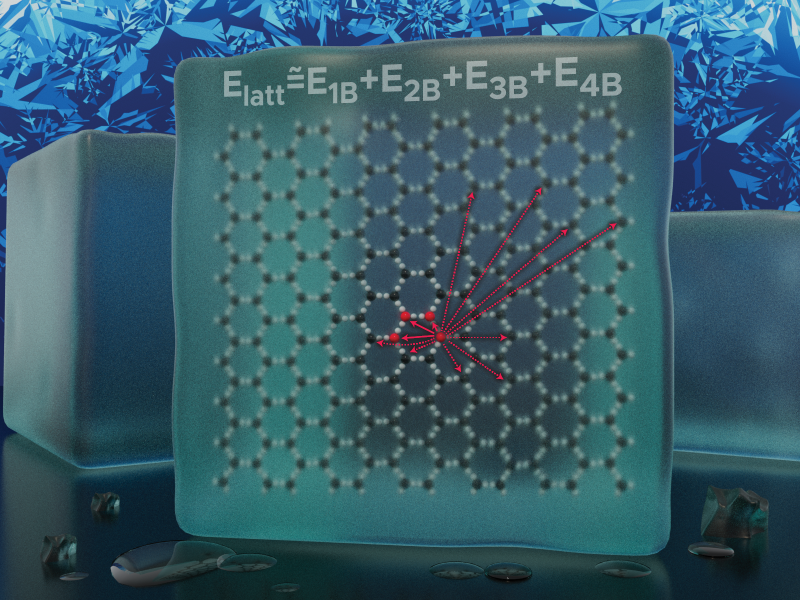
Research from PNNL and the University of Washington demonstrates the extension of the MBE for periodic systems and its use to decompose the lattice energies of different ice polymorphs.
Ann Lesperance has been invited to continue her role on the Domestic Preparedness advisory board, which convenes multidisciplinary subject matter experts to support the Domestic Preparedness Journal's editorial plan.