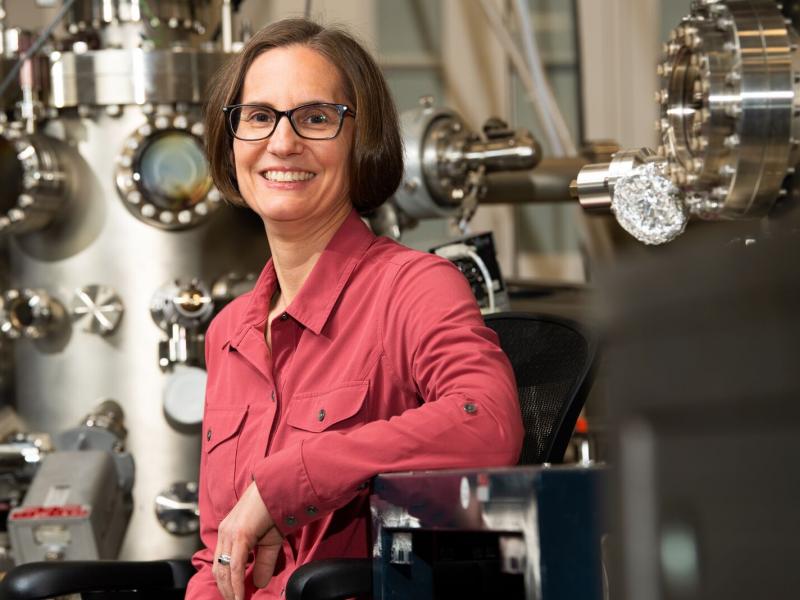
Tiffany Kaspar’s work has advanced the discovery and understanding of oxide materials, helping develop electronics, quantum computing, and energy production. She strives to communicate her science to the public.
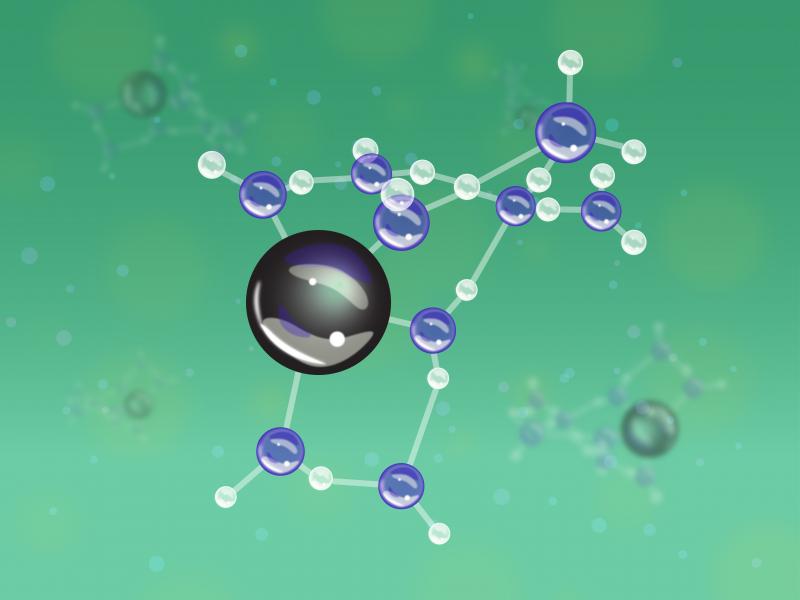
PNNL researchers developed a hybrid quantum-classical approach for coupled-cluster Green’s function theory that maintains accuracy while cutting computational costs.
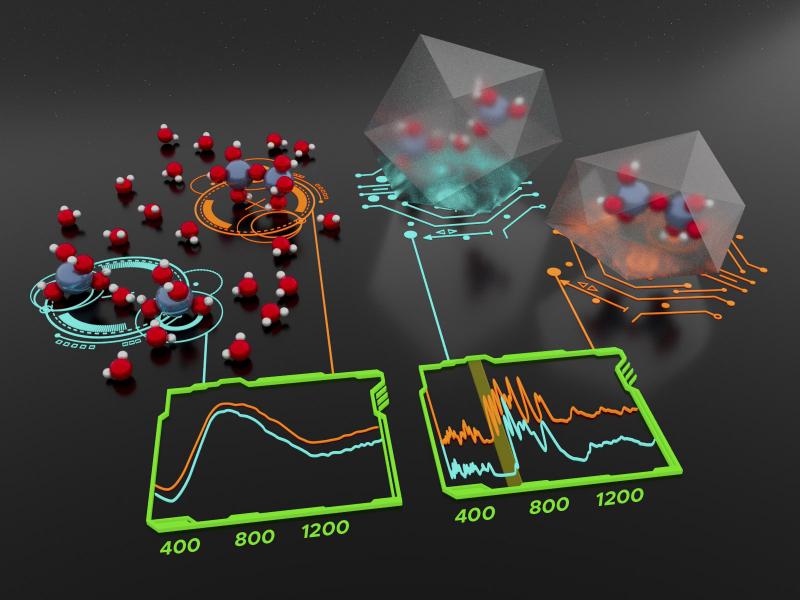
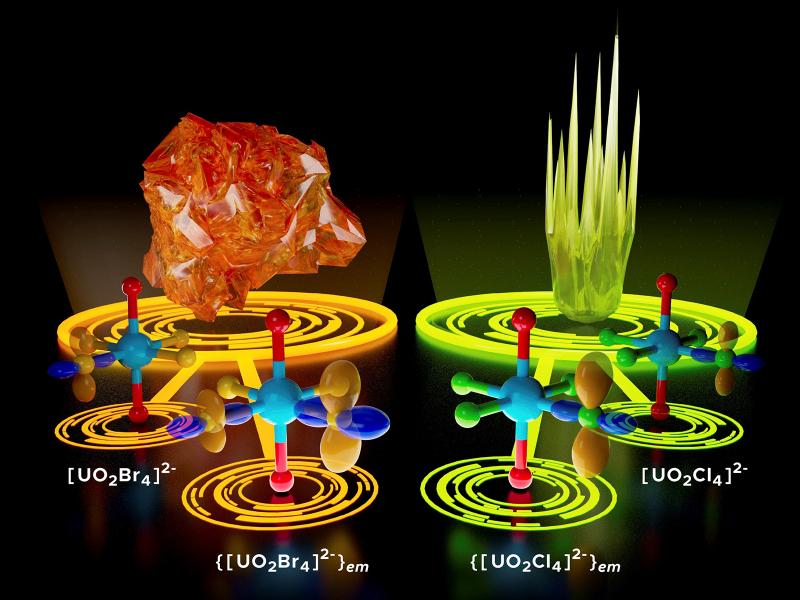
A comprehensive understanding of the electronic structure of uranyl ions provides insight into the chemistry of nuclear waste and uranium separation technologies.
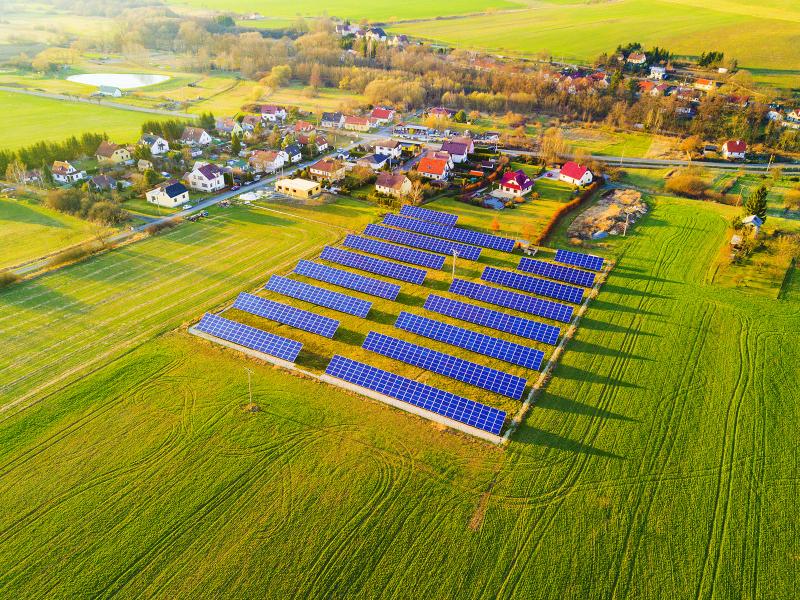
With an eye on renewable, accessible, and resilient power, PNNL researchers show hyper-local microgrids are a viable option, if designed with the right mix of sources.
Electrical engineer Aditya Ashok and cybersecurity researcher Thomas Edgar win best paper award for their work to create a new high-fidelity dataset that will help advance cybersecurity solutions for critical infrastructure protection.
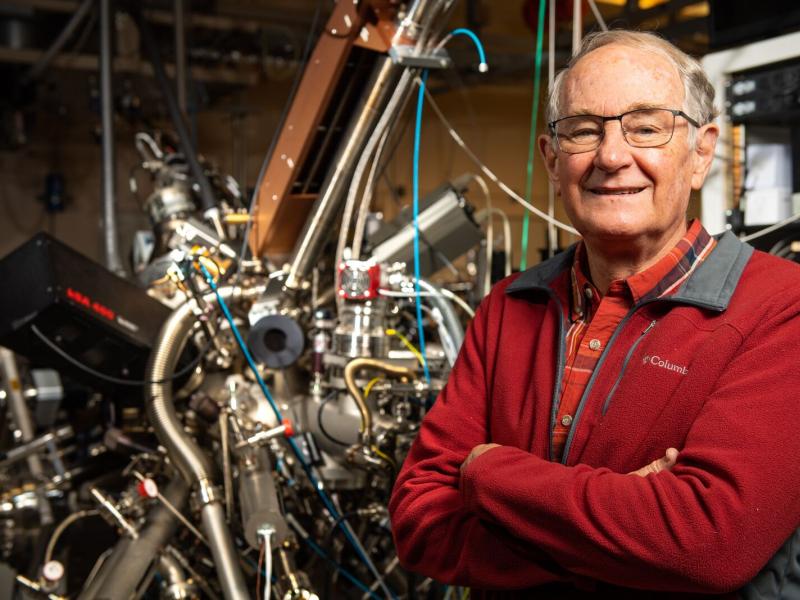
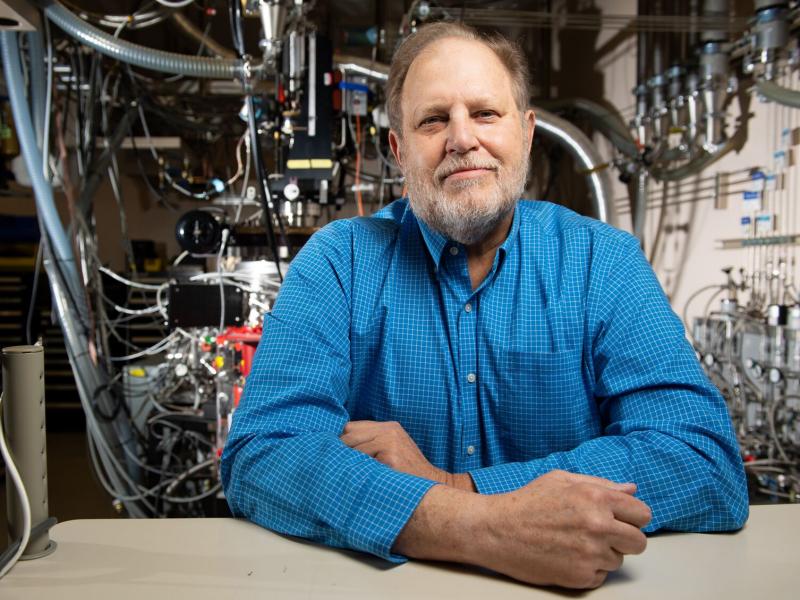
Scott Chambers creates layered structures of thin metal oxide films and studies their properties, creating materials not found in nature. He will soon move his instrumentation and research to the new Energy Sciences Center.
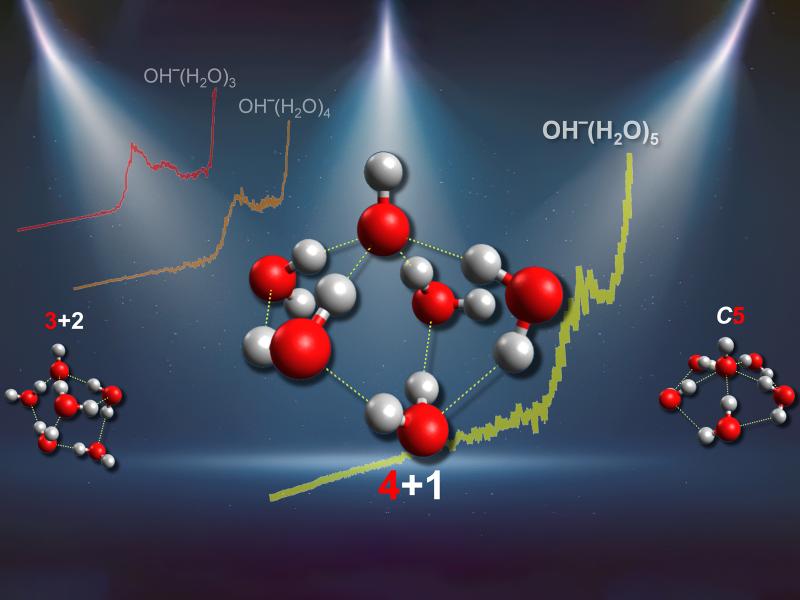
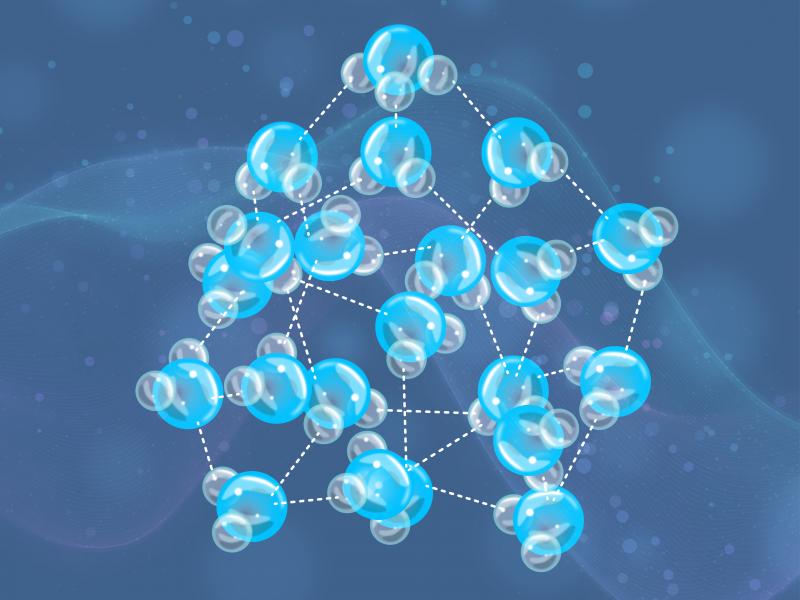
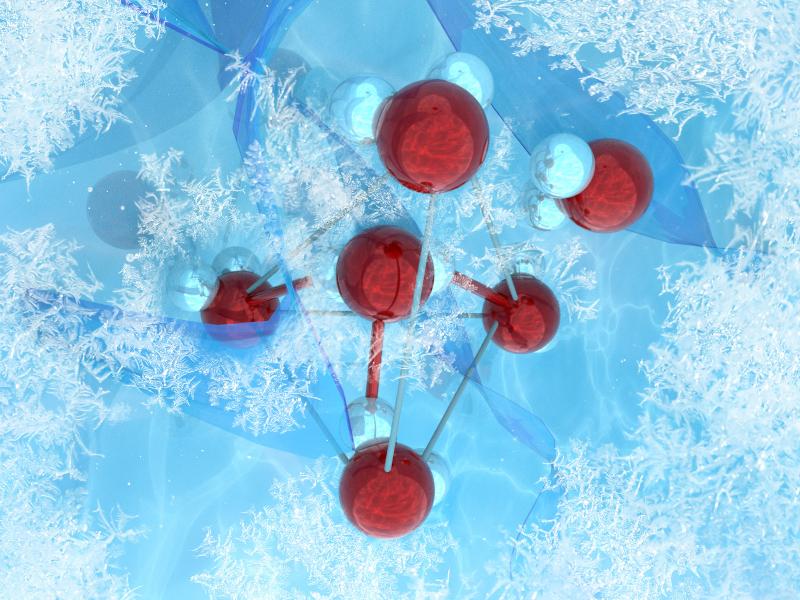
New study elucidates the complex relaxation kinetics of supercooled water using a pulsed laser heating technique at previously inaccessible temperatures.
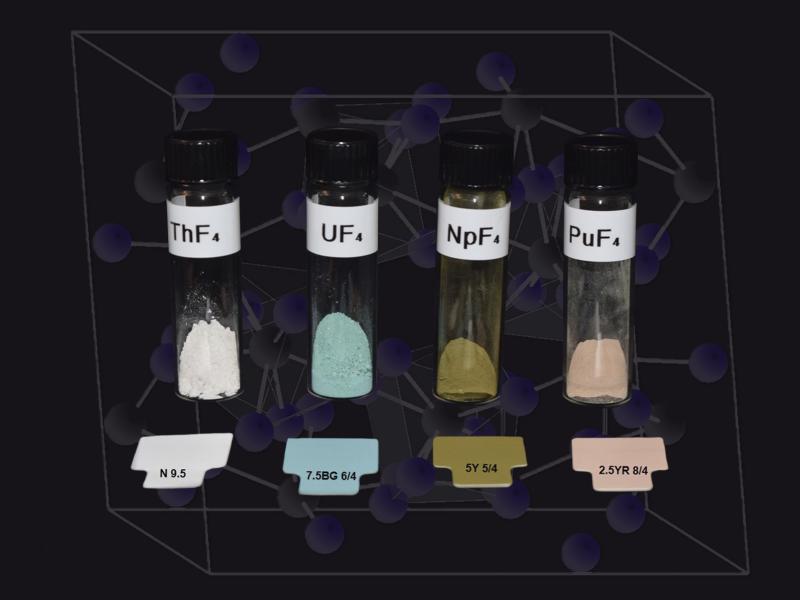
Spectroscopic experiments reveal significant variations in the electronic structures of actinide tetrafluorides despite their nearly identical crystal structures.