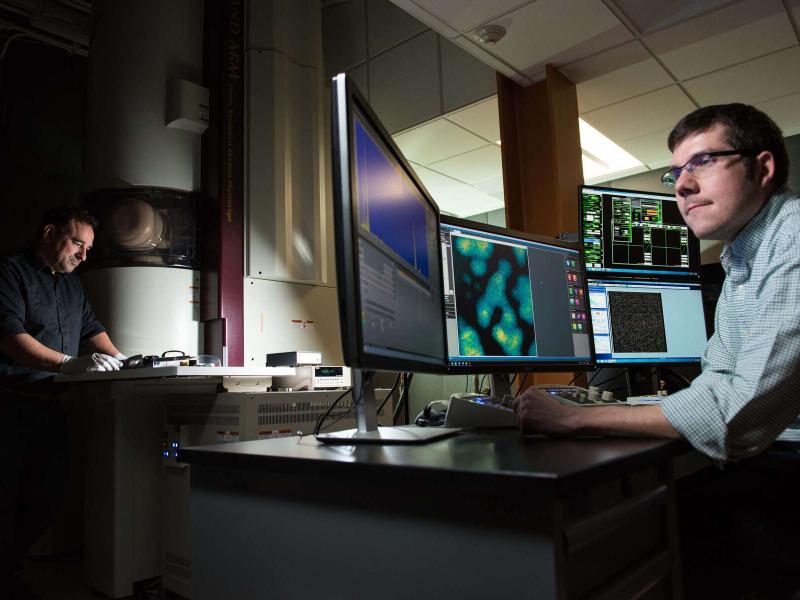
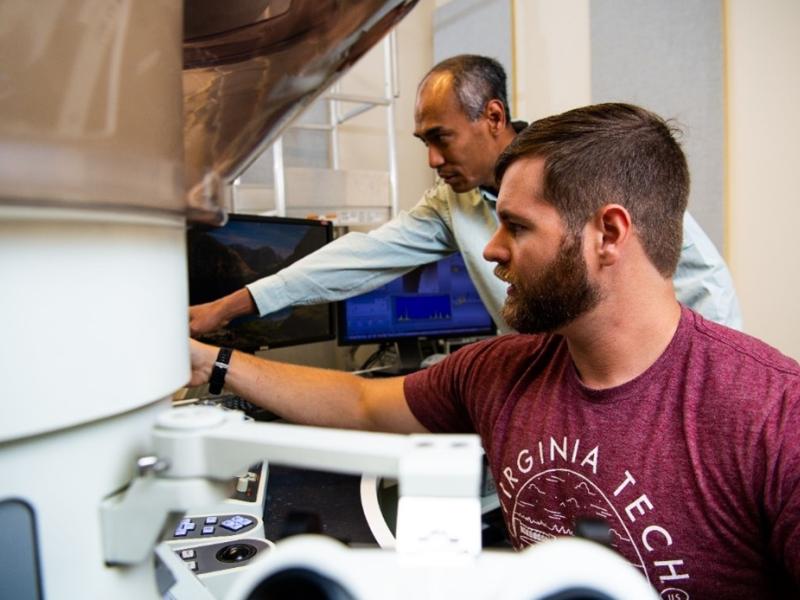
A breakthrough in electron microscopy based on deep learning can automatically visualize and identify areas of interest, helping to speed advances in materials science.
A new AI model developed at PNNL can identify patterns in electron microscope images of materials without requiring human intervention, allowing for more accurate and consistent materials science.
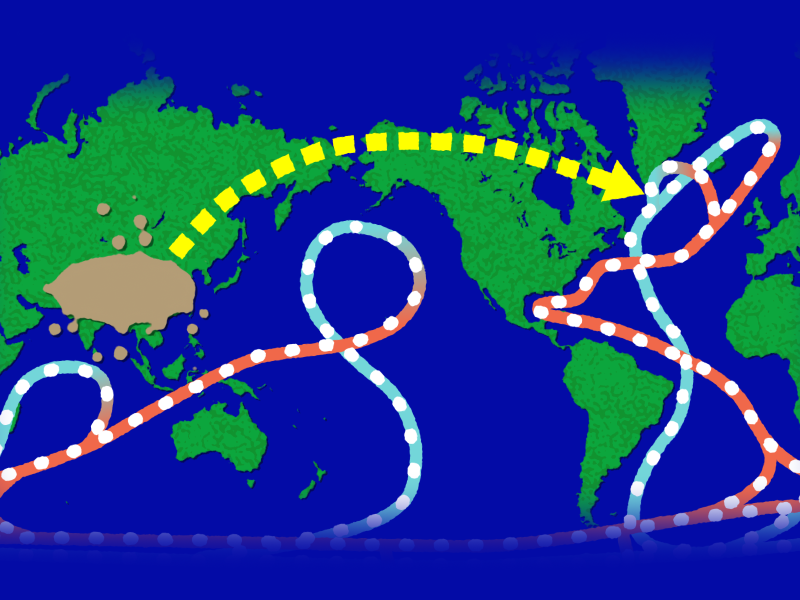
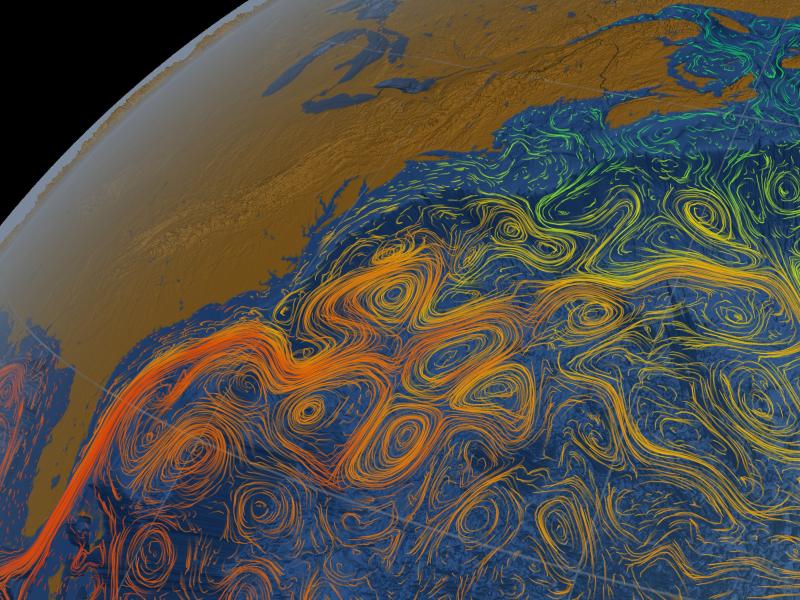
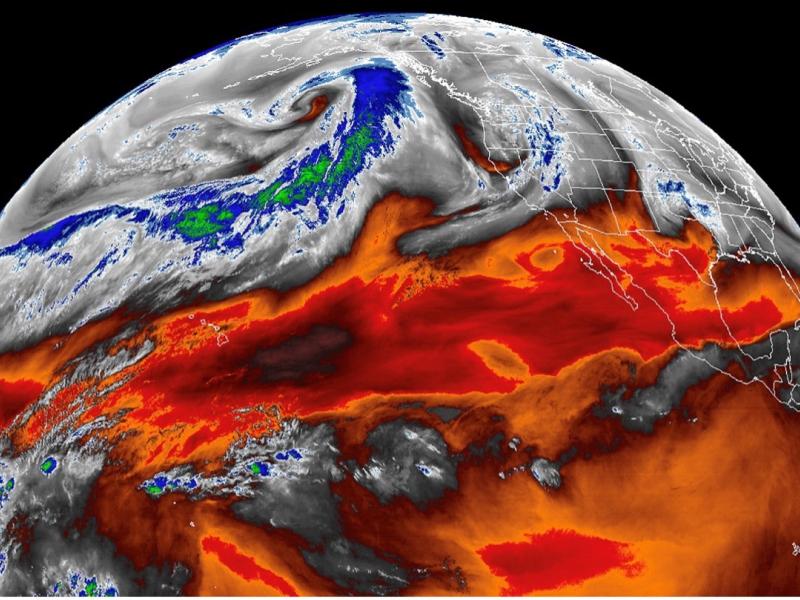
Published in Nature Communications, Increased Asian Aerosols Drive a Slowdown of Atlantic Meridional Overturning Circulation, identifies the role aerosols over Asia is having on the AMOC, a complex system of currents in the Atlantic Ocean.
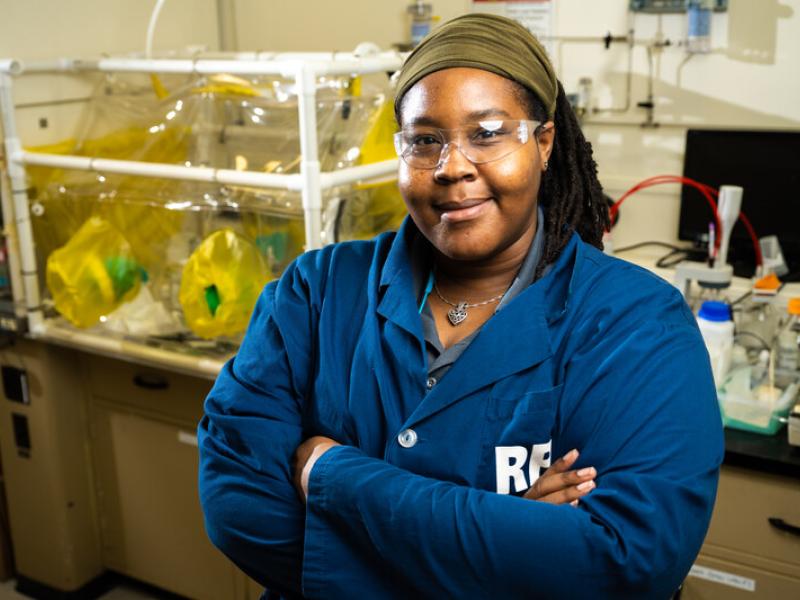
Researchers devised a quantitative and predictive understanding of the cloud chemistry of biomass-burning organic gases helping increase the understanding of wildfires.
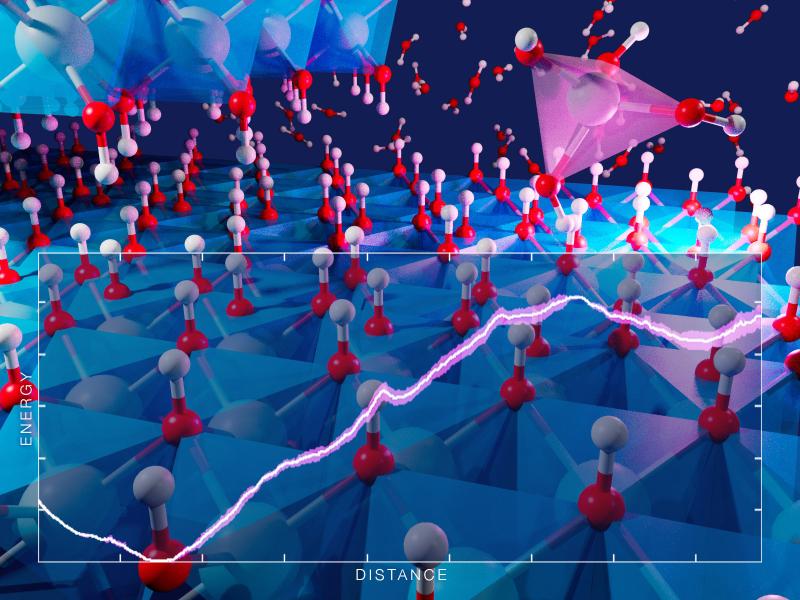
Resolving how nanoparticles come together is important for industry and environmental remediation. New work predicts nanoparticle aggregation behavior across a wide range of scales for the first time.
This study revealed that fresh organic vapors are soluble in particulate organics that are actively growing in size. However, if the particulate matter ages, fresh organic vapors can no longer mix with the organic matter.