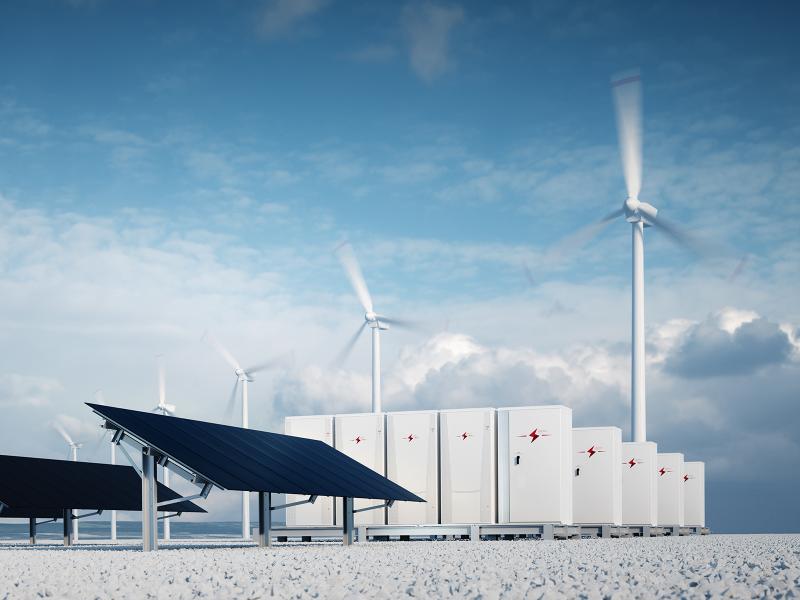
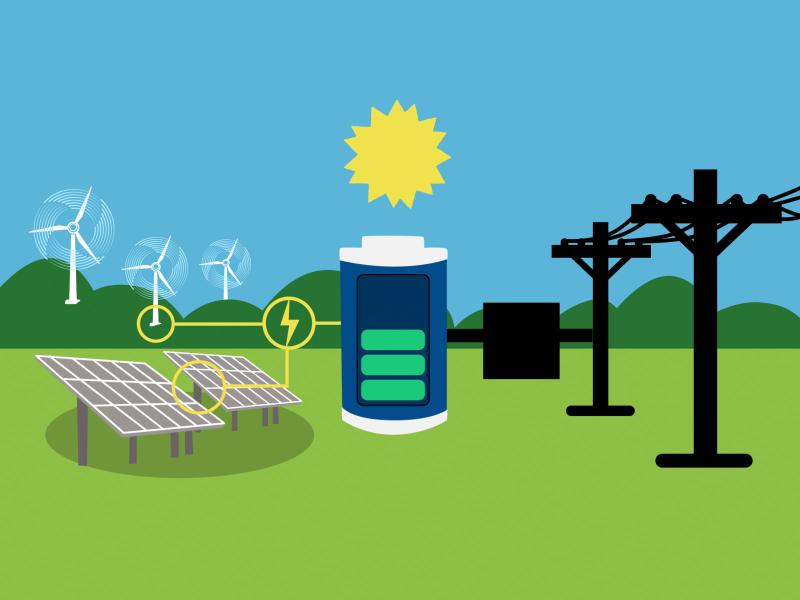
PNNL researchers are helping to better define the need for grid energy storage in future clean energy scenarios, as well as working to improve technologies for storing renewable energy so it's available when and where it's needed.
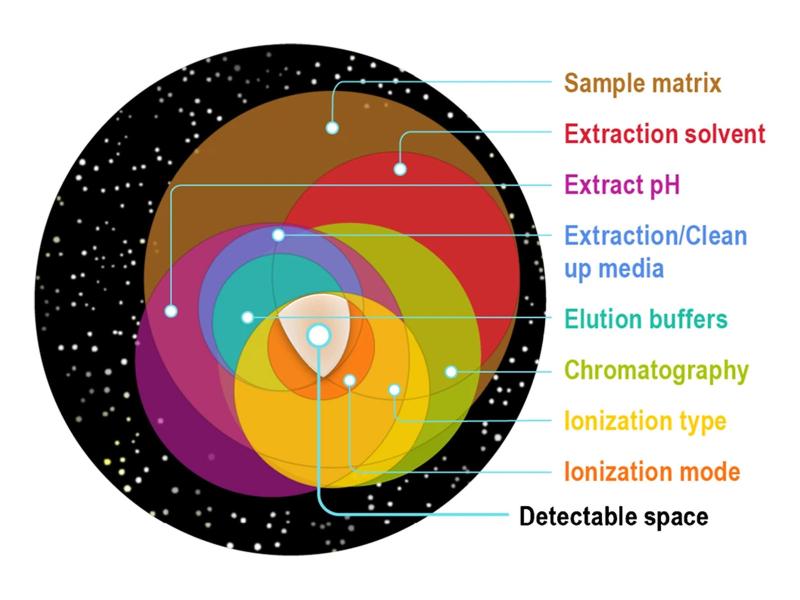
The ChemSpace Tool, when fully developed, is intended to divide chemical space into three subsets: the detectable space, the identifiable space, and the region that includes compounds that are not detectable or identifiable.
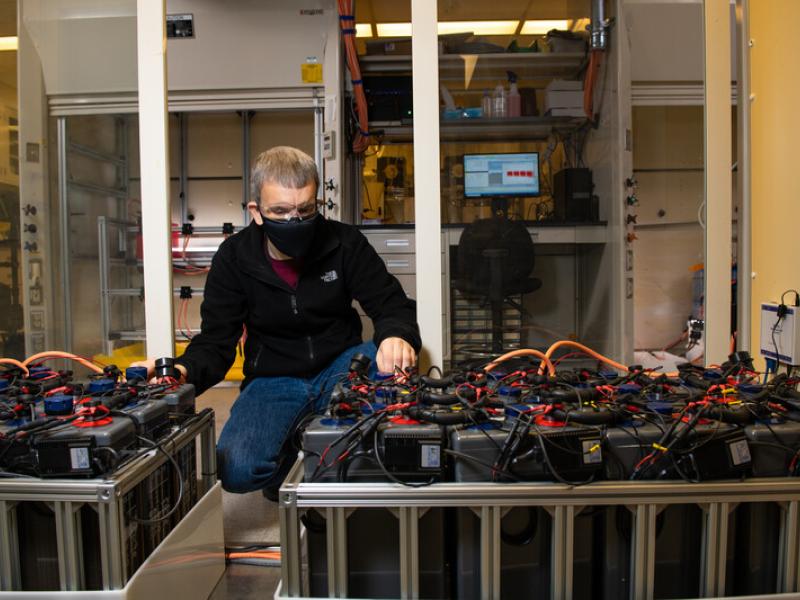
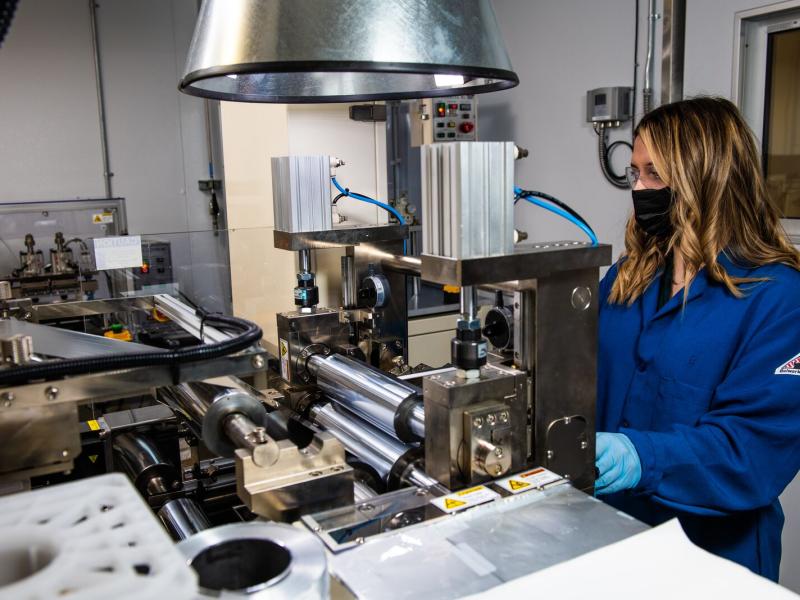
PNNL battery researcher Jie Xiao collaborates with academic and industry partners to address scientific challenges in manufacturing lithium-based batteries.
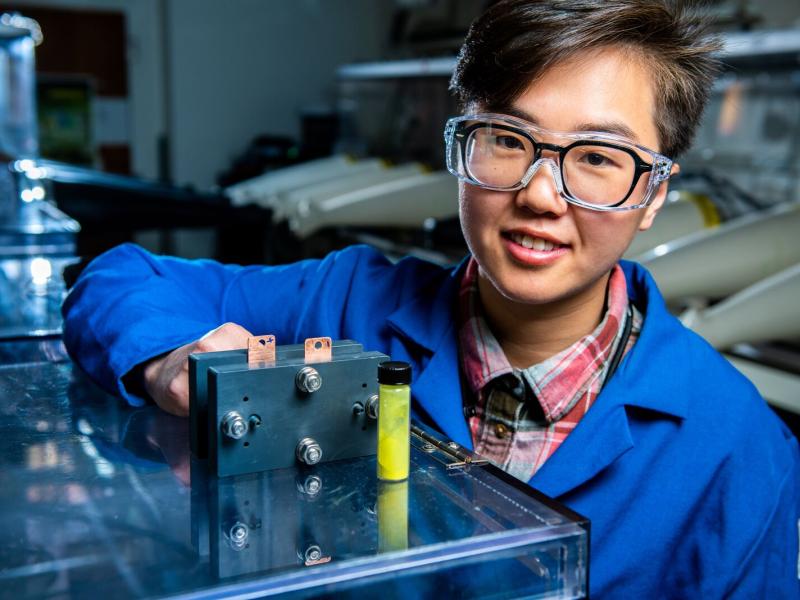
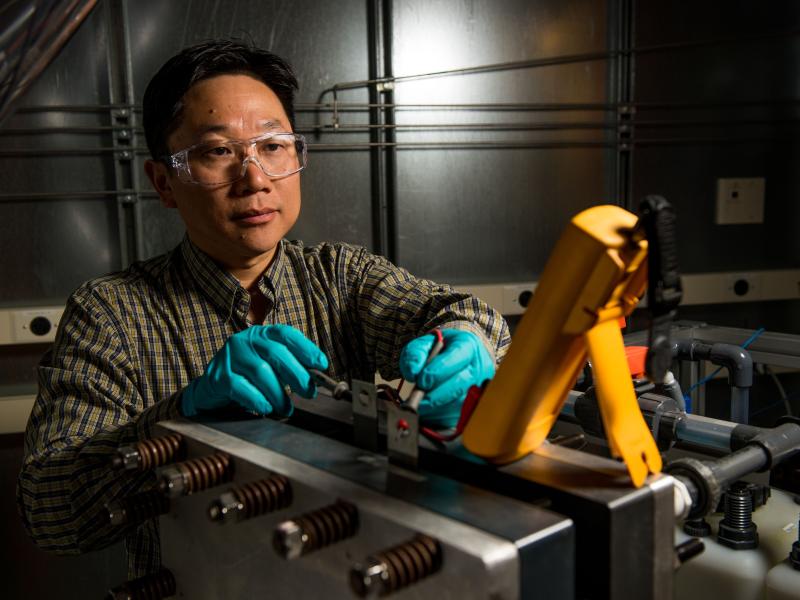
A new sodium battery technology shows promise for helping integrate renewable energy into the electric grid. The battery uses Earth-abundant raw materials such as aluminum and sodium.
Microbes that were previously frozen in soils are becoming more active. This study demonstrates the diverse RNA viral communities found in thawed permafrost.
Read interviews with the new Laboratory fellows to learn about their contributions to their field, what drives them, and how their research is making the nation safer, greener, and more resilient.
Biomedical scientist George Bonheyo has been selected as chair of a new International Electrotechnical Commission committee charged with creating standards for researching and measuring biofouling on marine energy systems.
A new longer-lasting sodium-ion battery design is much more durable and reliable in lab tests. After 300 charging cycles, it retained 90 percent of its charging capacity.
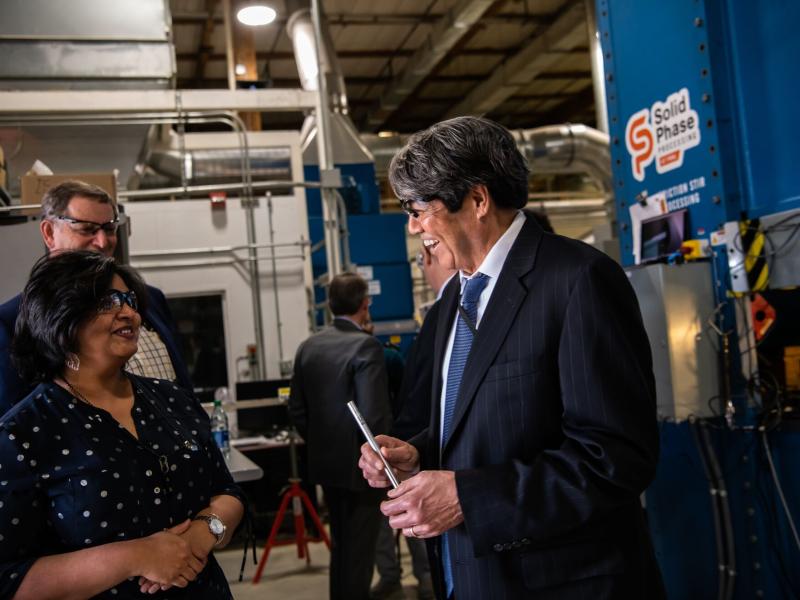
The Department of Homeland Security Science and Technology Virtual First Responder Capitol Hill Showcase highlighted PNNL work in fentanyl detection standards and database libraries.