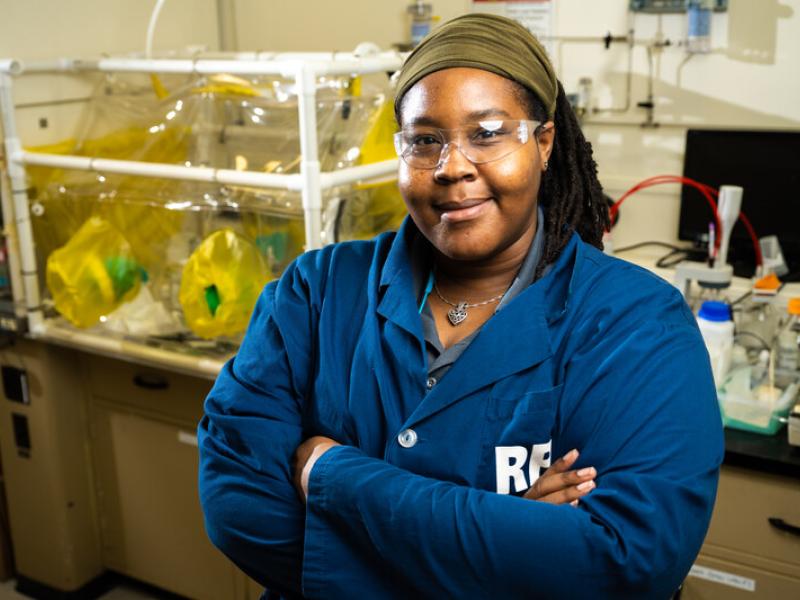
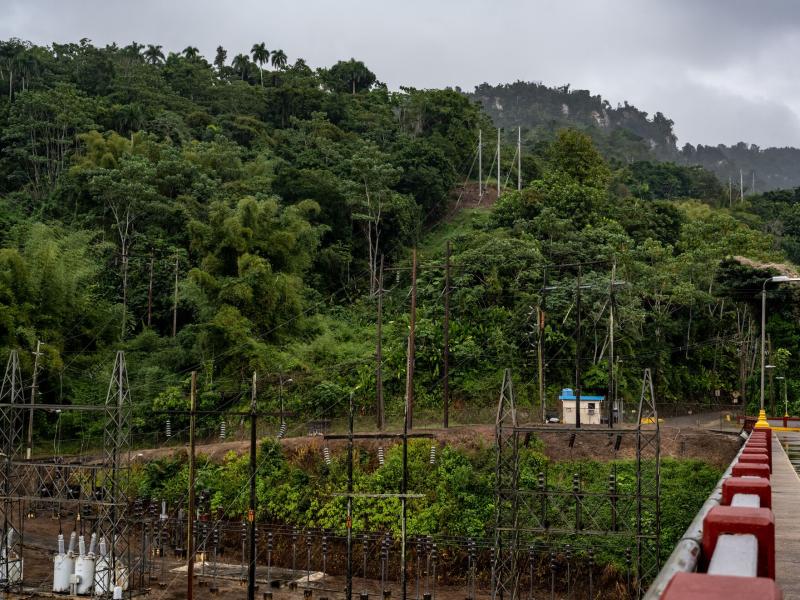
IEEE Power and Energy Society Task Force Focused on Equity and Energy Justice, led by PNNL staff member Bethel Tarekegne, guides important changes in energy policy and regulation.
The world is becoming reliant on increasingly smaller sensors that improve daily life in many ways. A PNNL-led paper takes a closer look at these technologies and their future development for environmental and sensitive species monitoring.
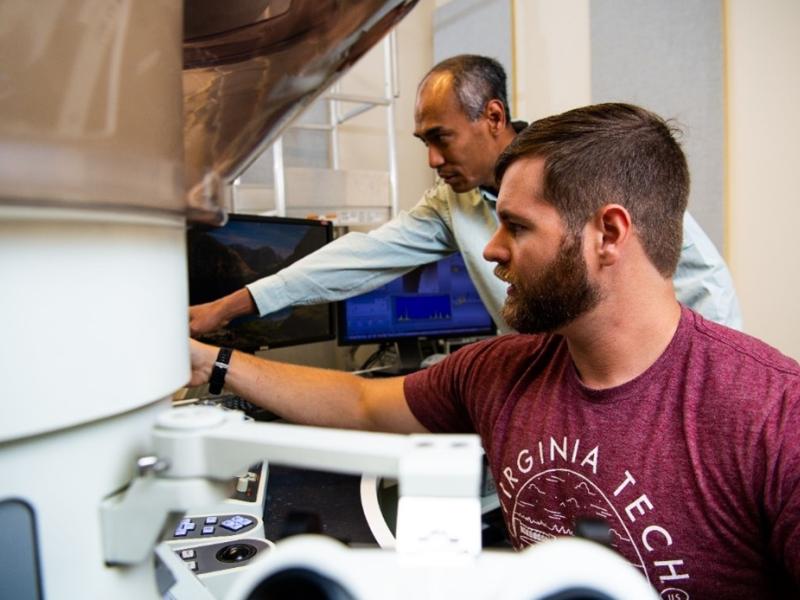
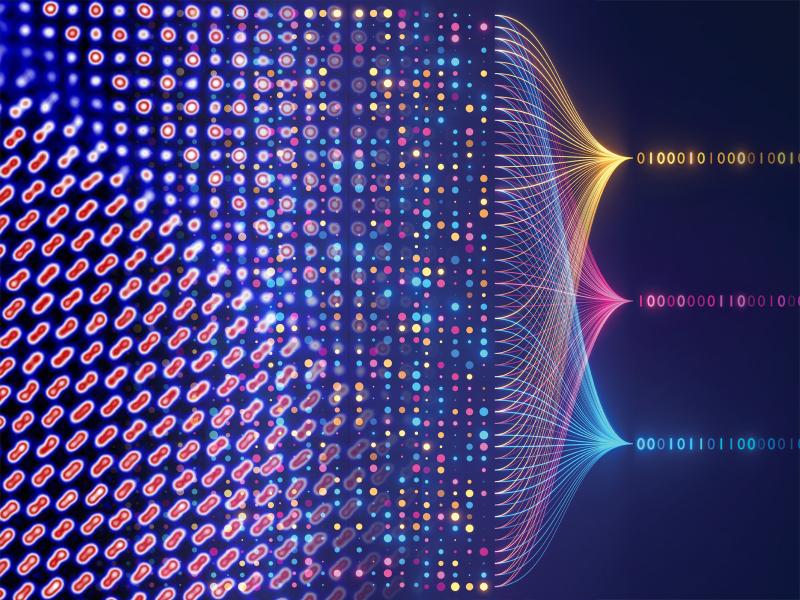
A new AI model developed at PNNL can identify patterns in electron microscope images of materials without requiring human intervention, allowing for more accurate and consistent materials science.
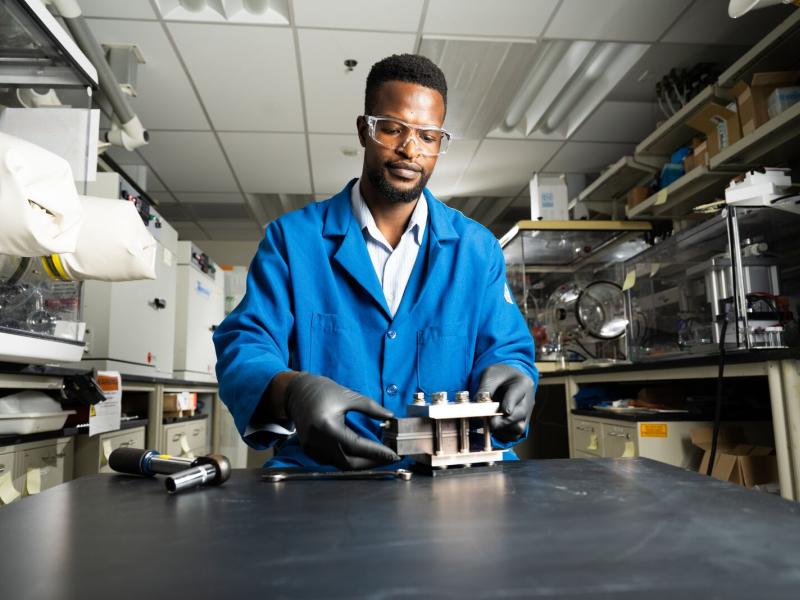
In 2006, battery research was practically non-existent at PNNL. Today, the lab is lauded for its battery research. How did PNNL go from a new player to a leader in state-of-the-art storage for EVs and the grid?
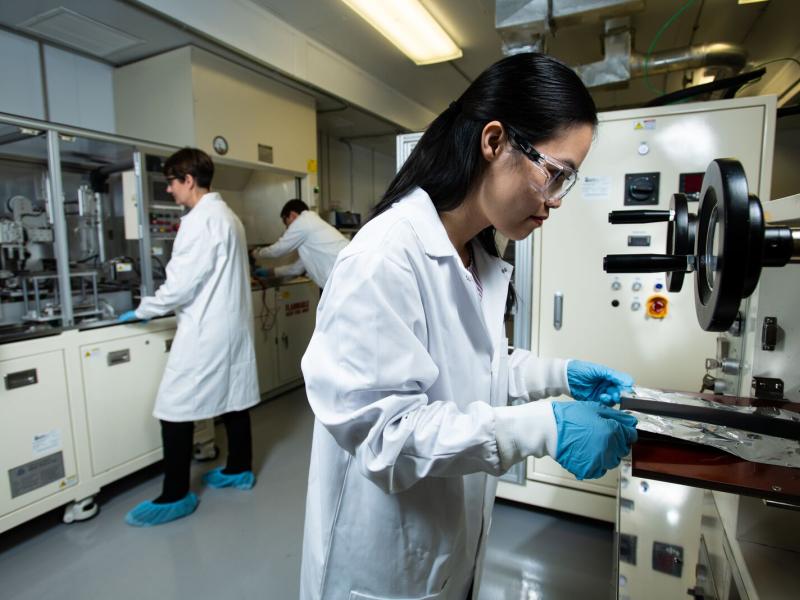
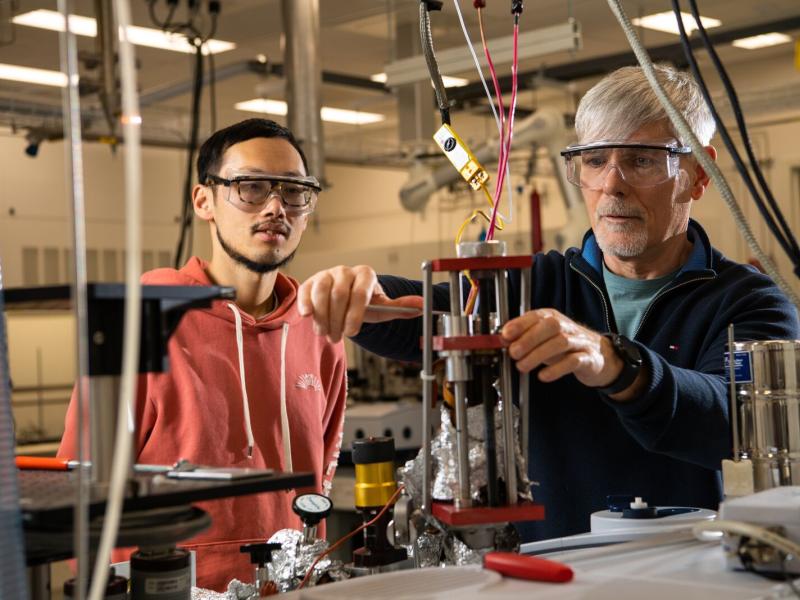
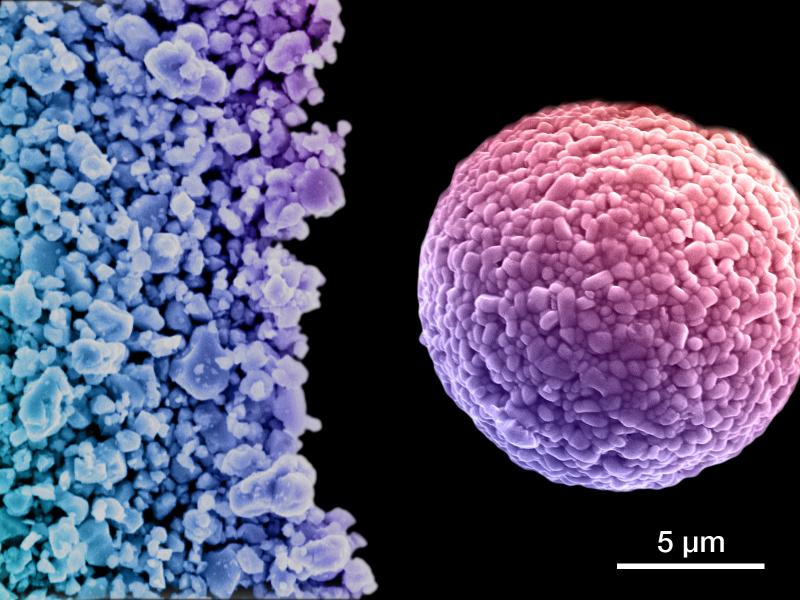
A seemingly simple shift in lithium-ion battery manufacturing could pay big dividends, improving electric vehicles’ ability to store more energy per charge and to withstand more charging cycles.
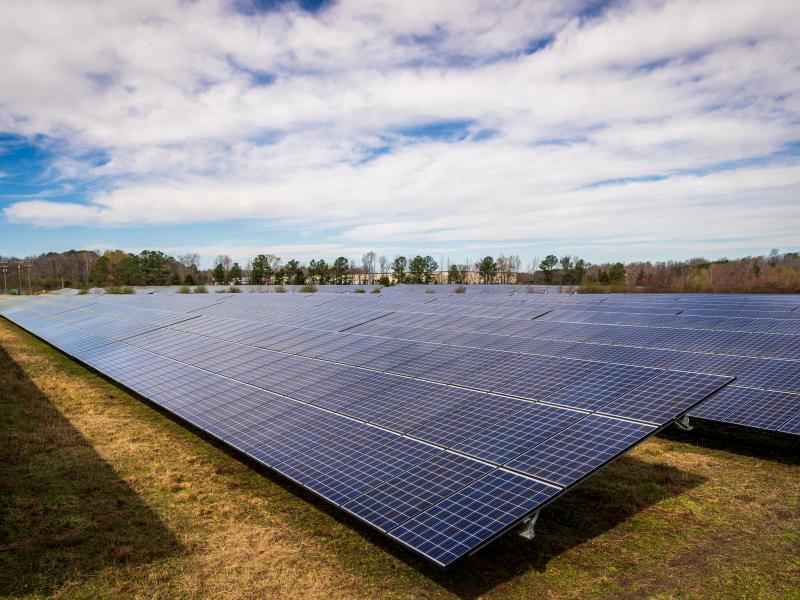
Understanding the risk of compound energy droughts—times when the sun doesn’t shine and the wind doesn’t blow—will help grid planners understand where energy storage is needed most.