PNNL researchers have developed a new, physics-informed machine learning model that accurately predicts how heat accumulates and dissipates during friction stir processing.
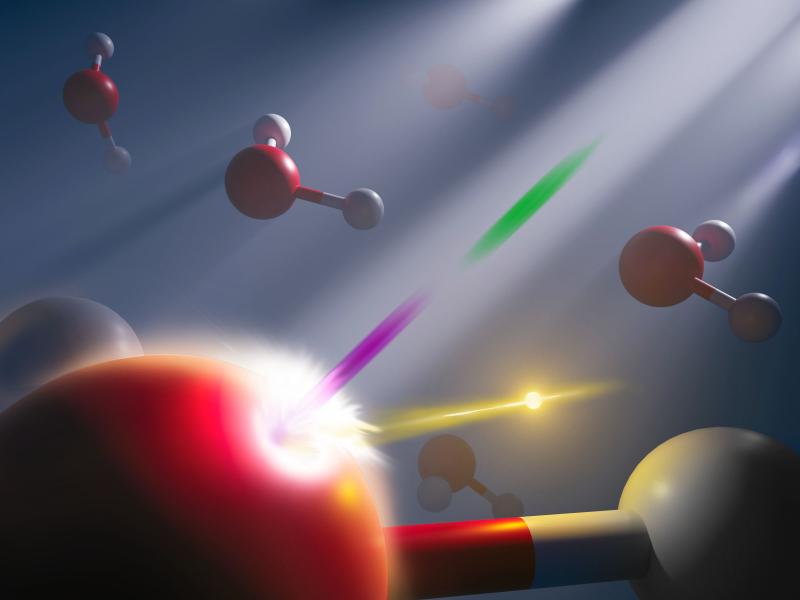
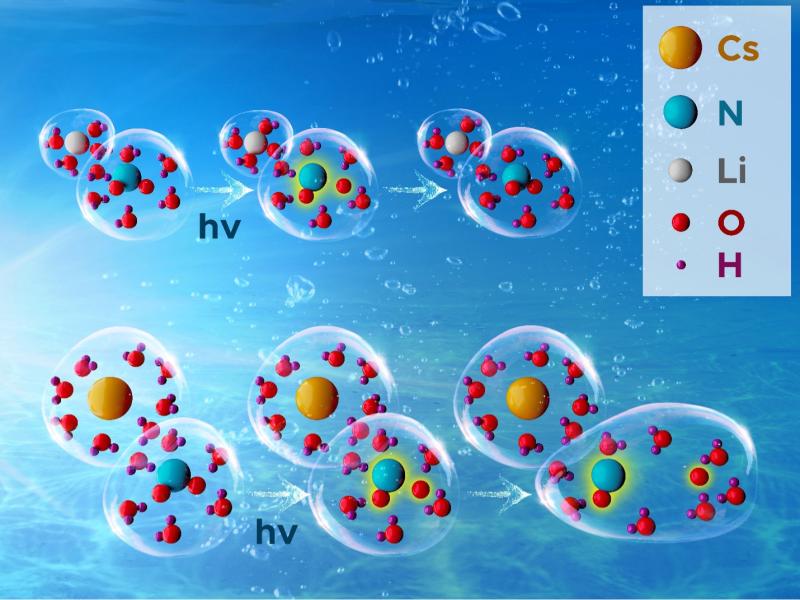
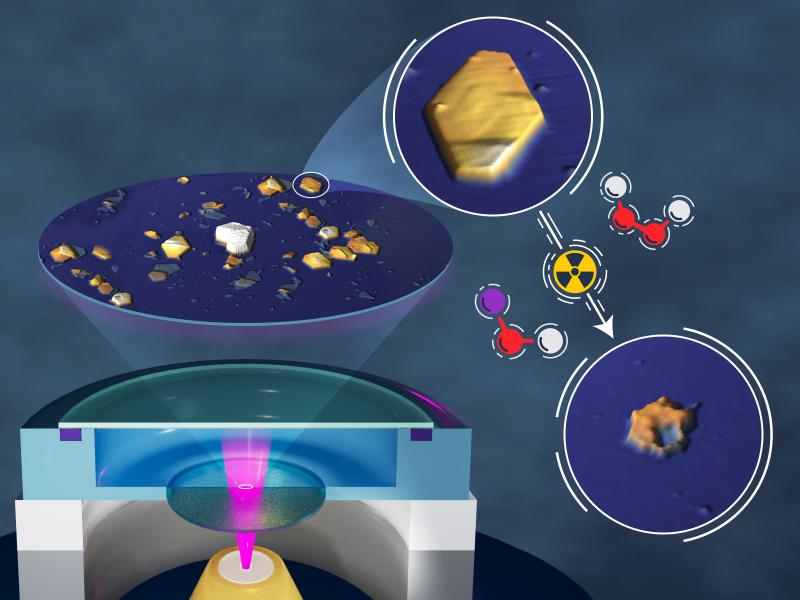
New funding spurs a new approach to researching the effective retrieval and processing of legacy radioactive waste. Four-year focus of the IDREAM EFRC will link attosecond timescales to decades-long chemical processes.
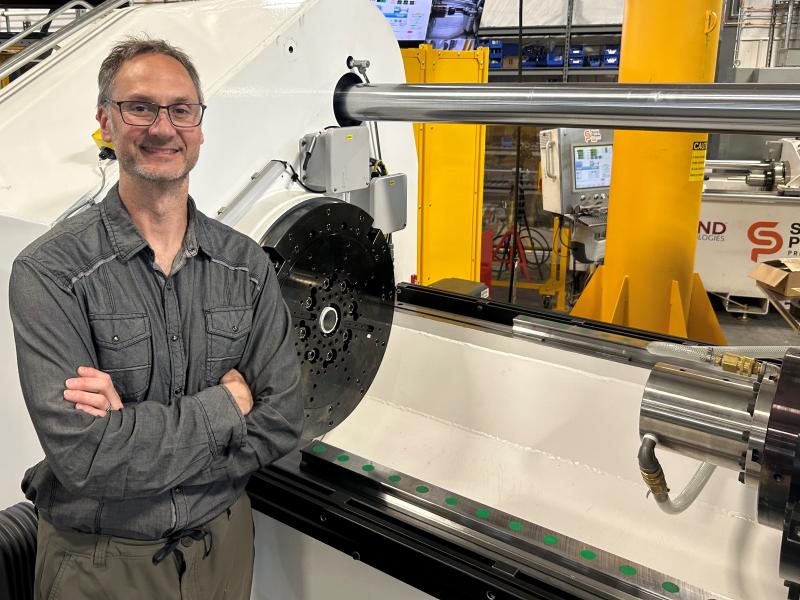
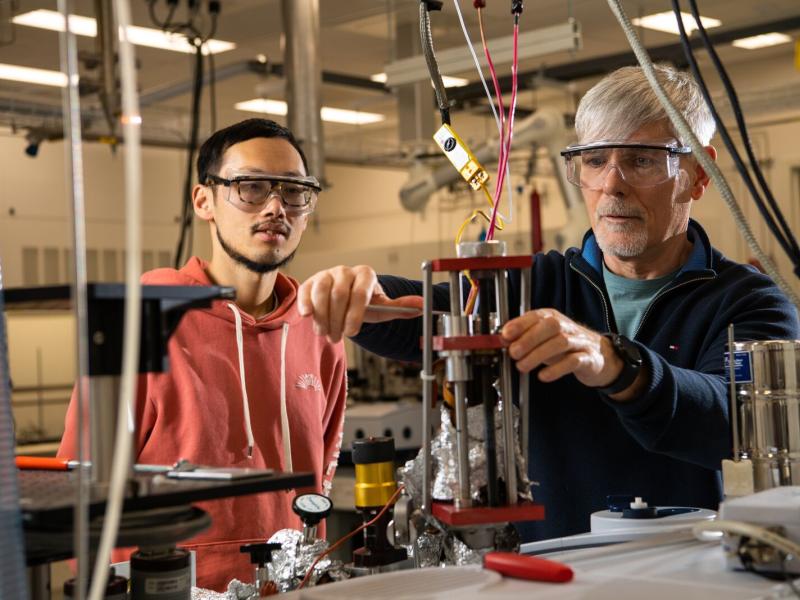
PNNL’s patented Shear Assisted Processing and Extrusion (ShAPE™) technique is an advanced manufacturing technology that enables better-performing materials and components while offering opportunities to reduce costs and energy consumption.
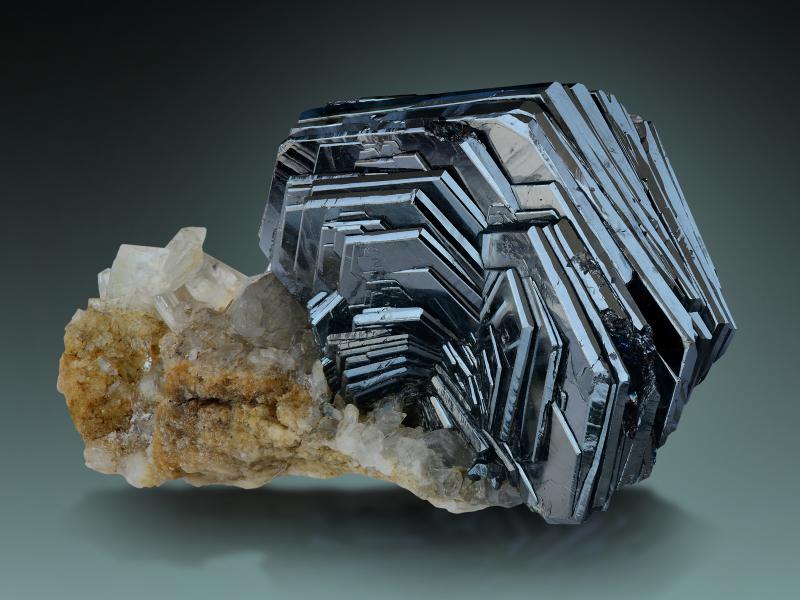
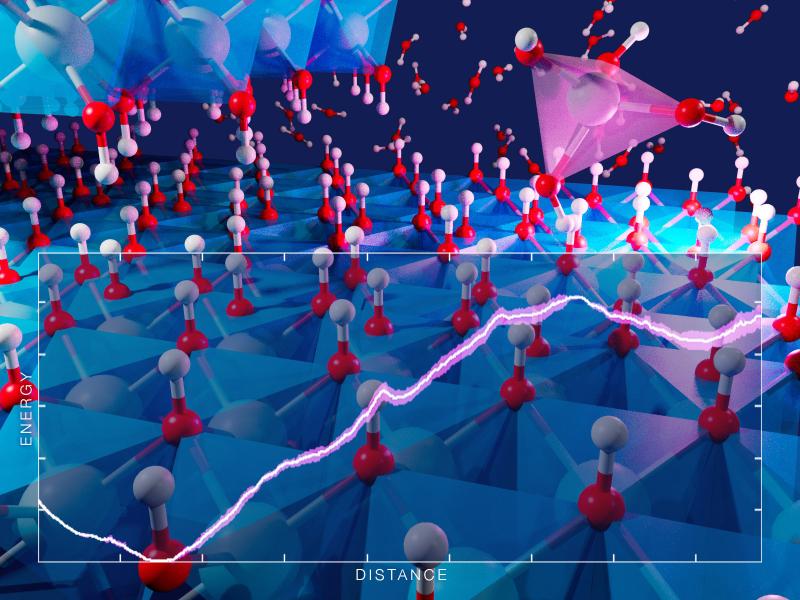
Researchers investigated how stable nanoparticle suspensions form using facet engineering on hematite nanoparticles, demonstrating that controlling the faceting of nanoparticles can effectively maintain particle dispersity.
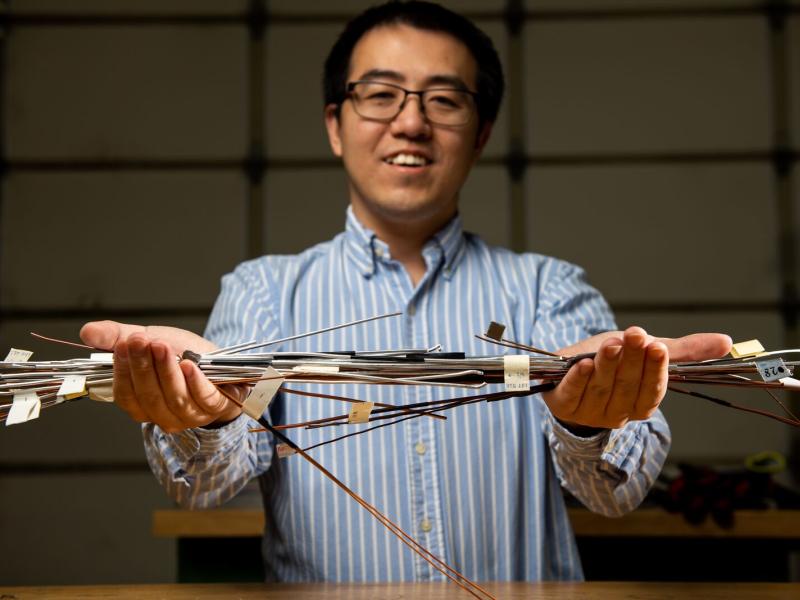
A newly developed, highly conductive copper wire could find applications in the electric grid, as well as in homes and businesses. The finding defies what's been thought about how metals conduct electricity.