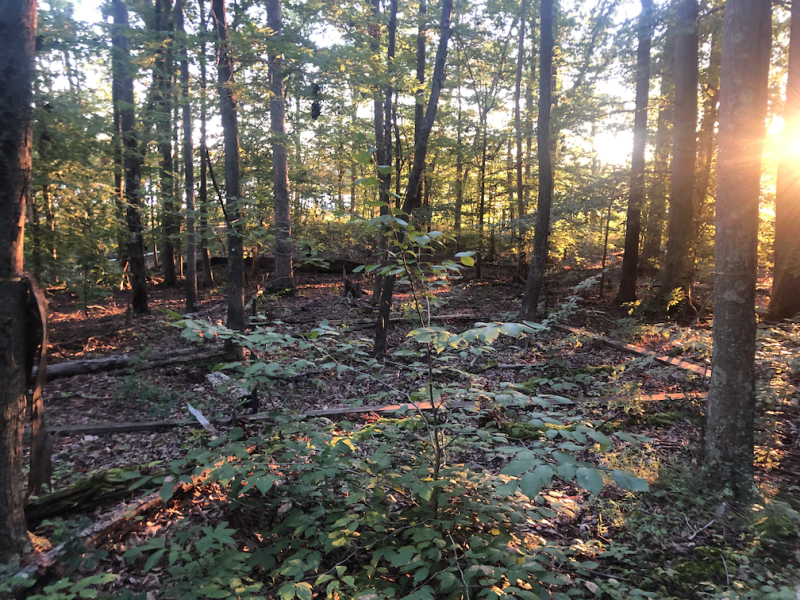
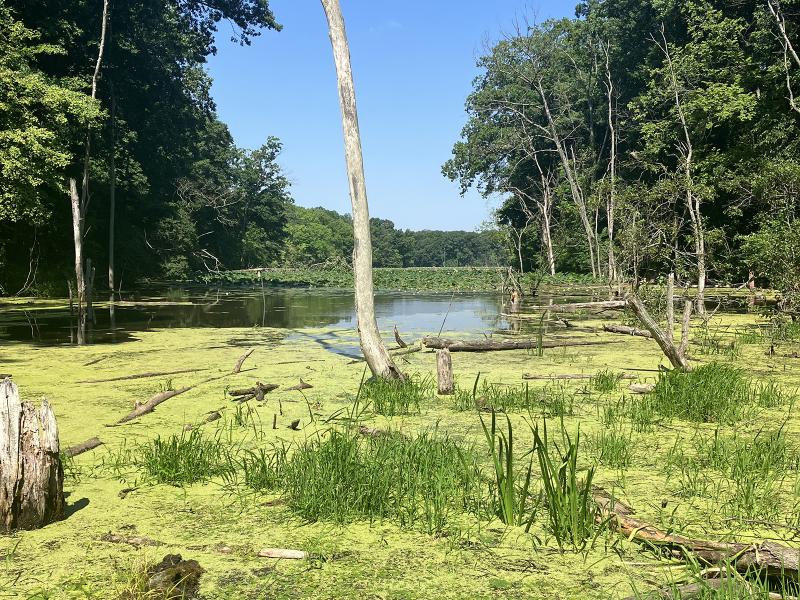
This study demonstrated that a large-scale flooding experiment in coastal Maryland, USA, aiming to understand how freshwater and saltwater floods may alter soil biogeochemical cycles and vegetation in a deciduous coastal forest.
Waste Management Symposia ‘Paper of Note’ and ‘Superior Paper’ awards recognize PNNL contributions to advancing radioactive waste and materials management.
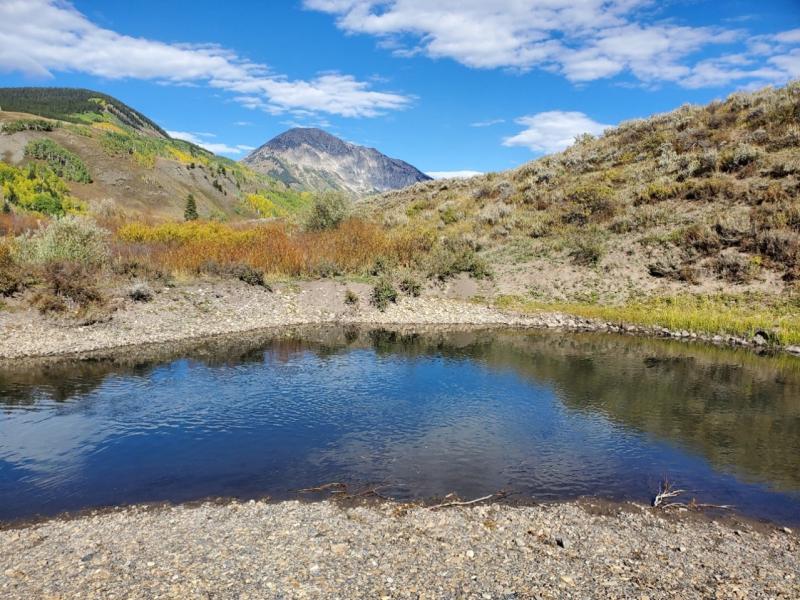
Across the United States, organic carbon concentration imposes a primary control on river sediment respiration, with additional influences from organic matter chemistry.
Team brought experience in nuclear waste forms and regulatory policies to the Federally Funded Research and Development Center’s report, which was reviewed by a National Academies’ committee.
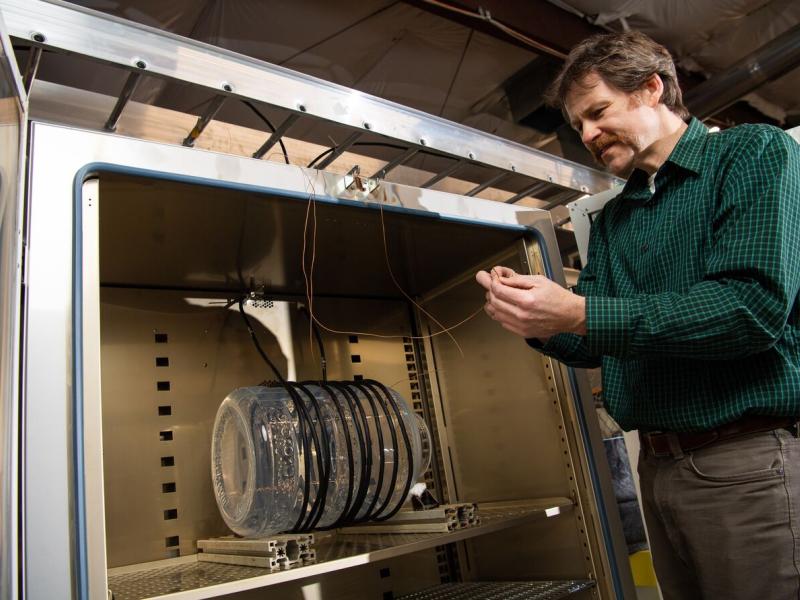
PNNL’s ARENA test bed analyzes how electrical cables degrade in extreme environments and how nondestructive examination inspection technologies can detect and locate damage.
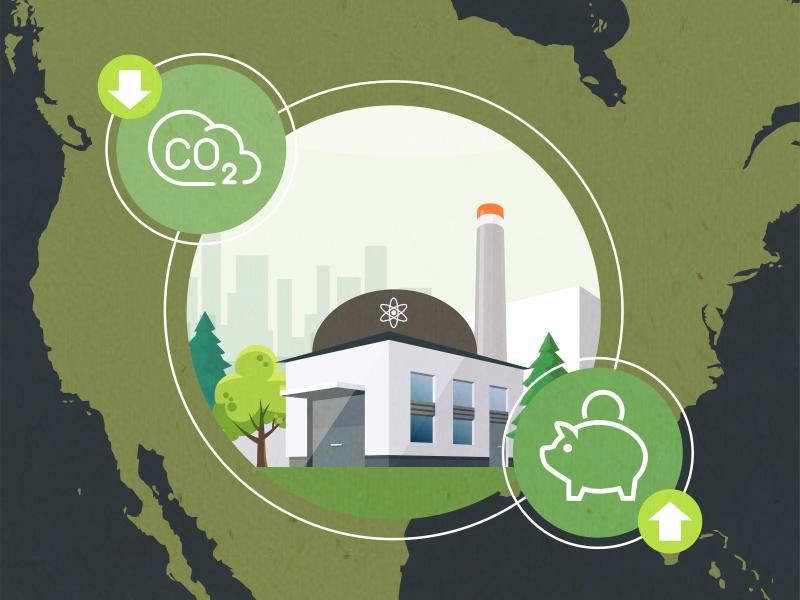
As the world races to discover solutions for reaching net zero carbon emissions, a PNNL analysis quantifies the economic value of the existing nuclear power fleet and its carbon-free energy contributions.
PNNL gathered researchers from eight national laboratories plus the U.S. Department of Energy (DOE) to share ideas and build synergy at the Energy Equity and Environmental Justice Summit.
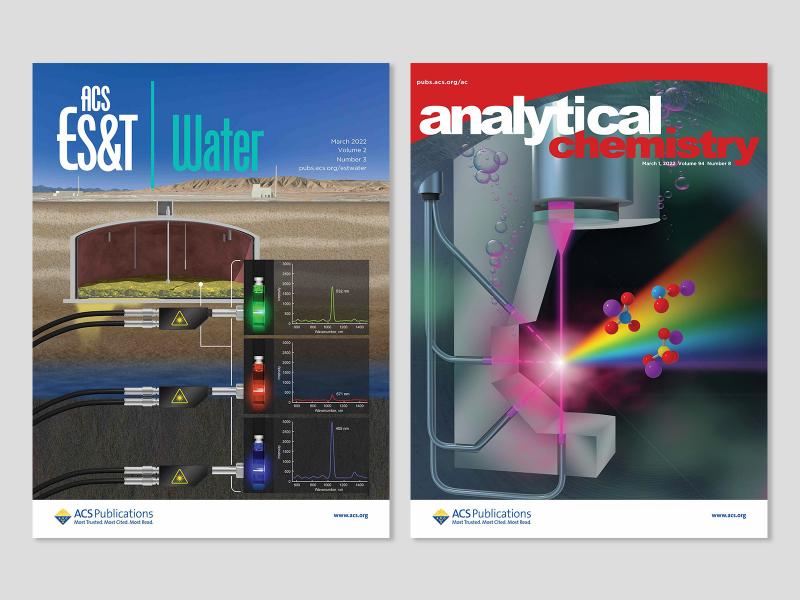
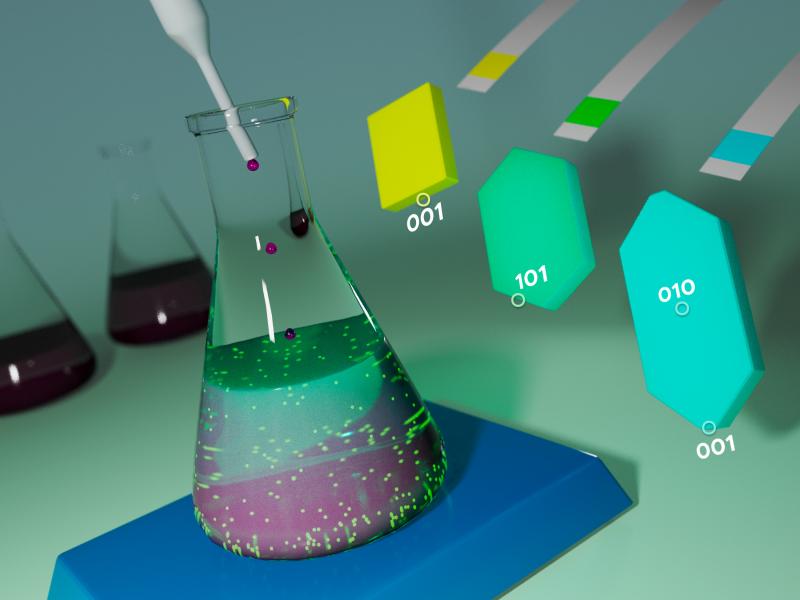
PNNL research, featured on the cover of two science journals, describes advancements in using Raman spectrometry for Hanford Site nuclear waste remediation.
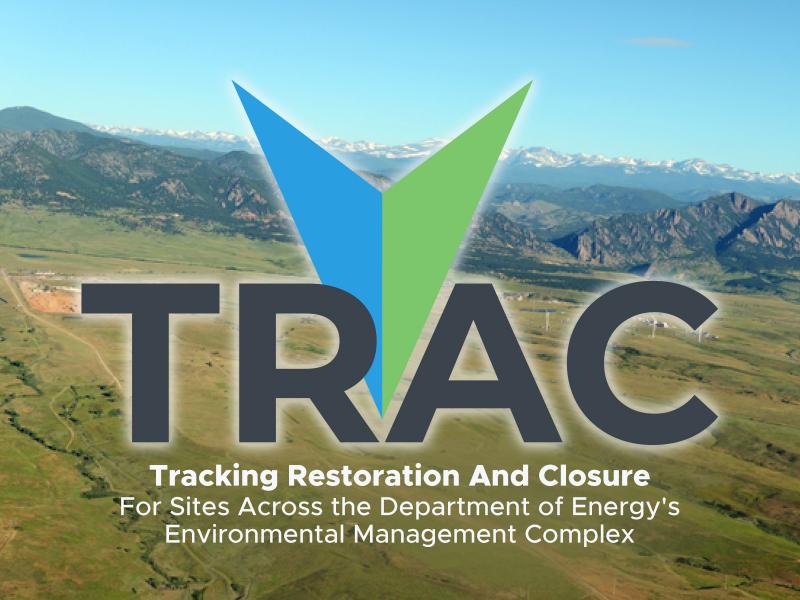
A new web-based tool provides easy-to-understand progress metrics and other data about groundwater cleanup sites overseen by the DOE Office of Environmental Management.
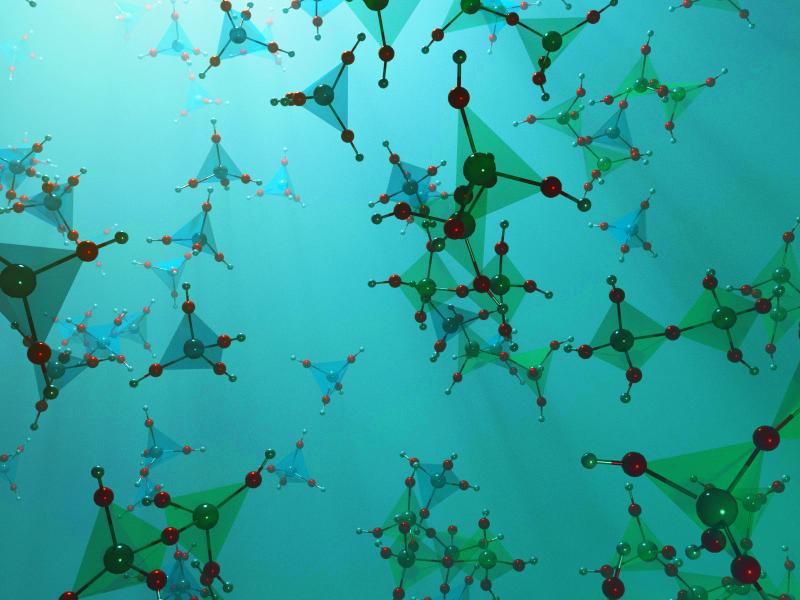
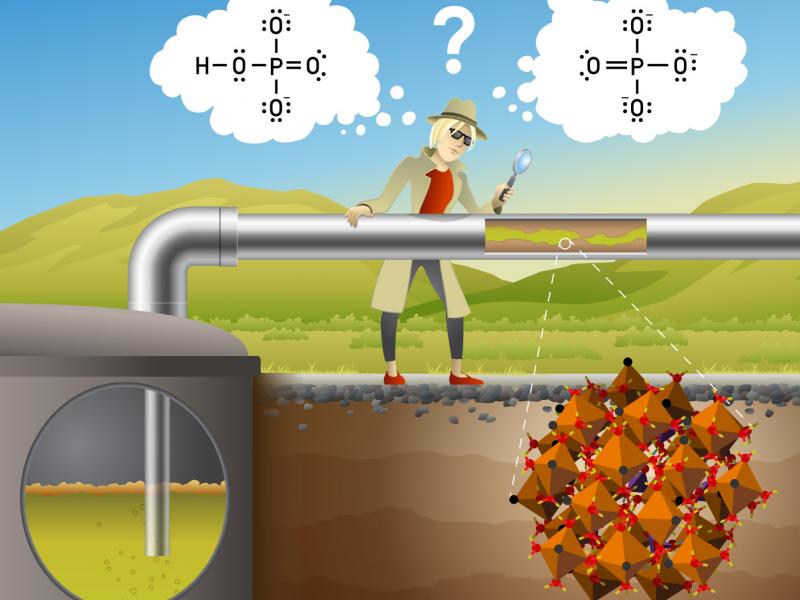
Developing a new understanding of the structure of natrophosphate, a complex mineral found in radioactive tank waste at the Hanford Site, by integrating experimental techniques.