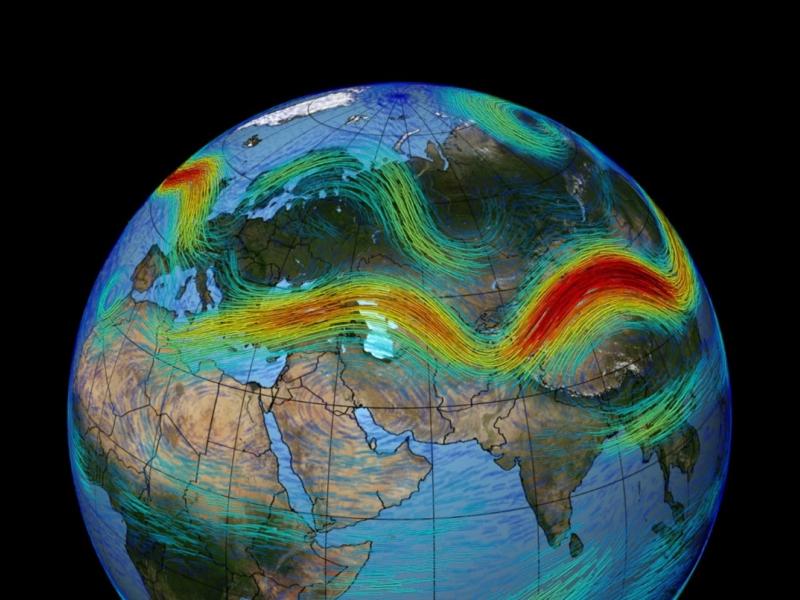
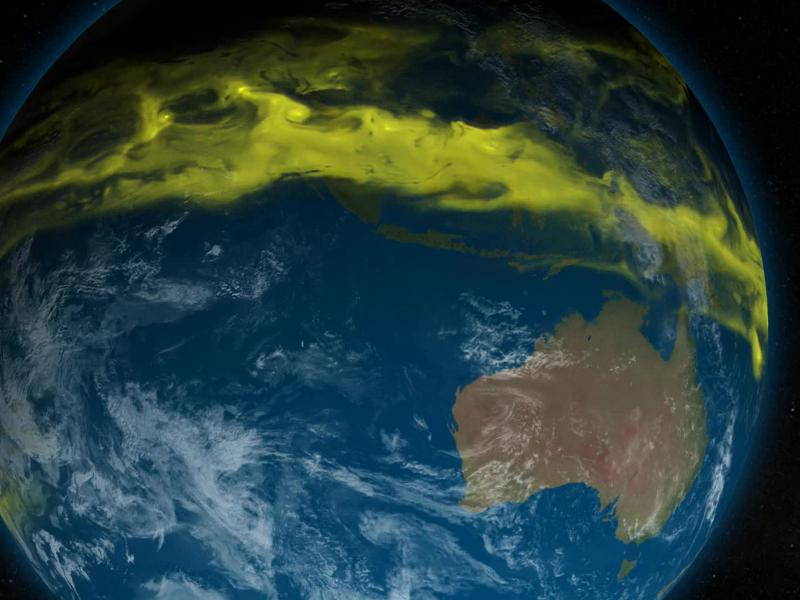
With future warming, storms in the Western U.S. will be larger and produce more intense precipitation, particularly near the storm center, and increase flood risks.
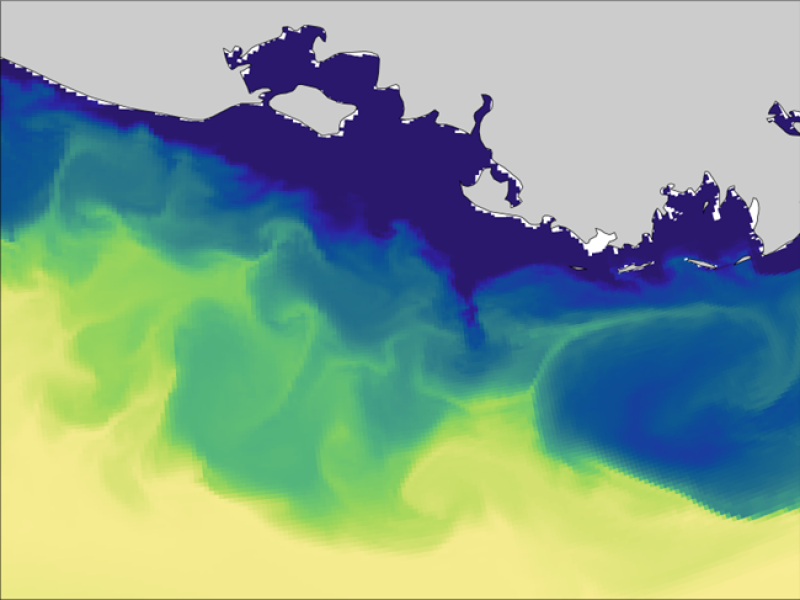
A multi-omics analysis provides the framework for gaining insights into the structure and function of microbial communities across multiple habitats on a planetary scale
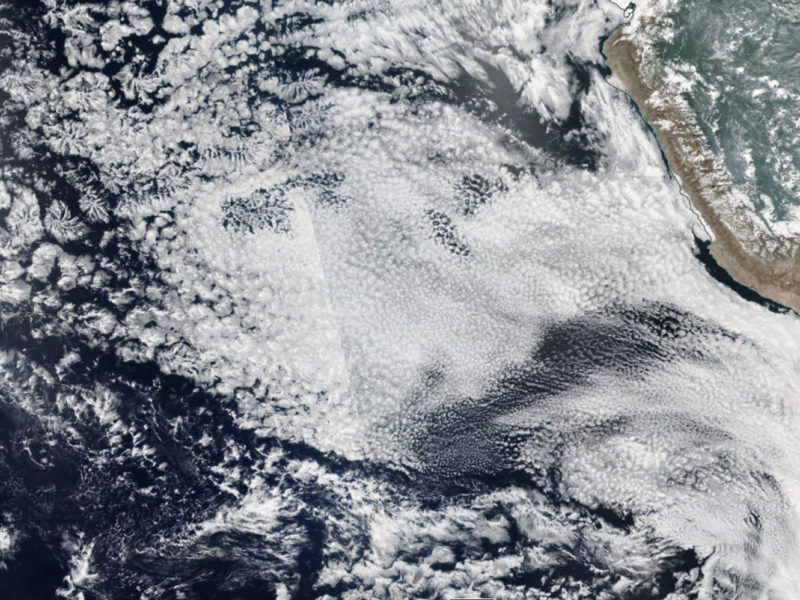
Machine learning models help identify important environmental properties that influence how often extreme rain events occur with critical intensity and duration.
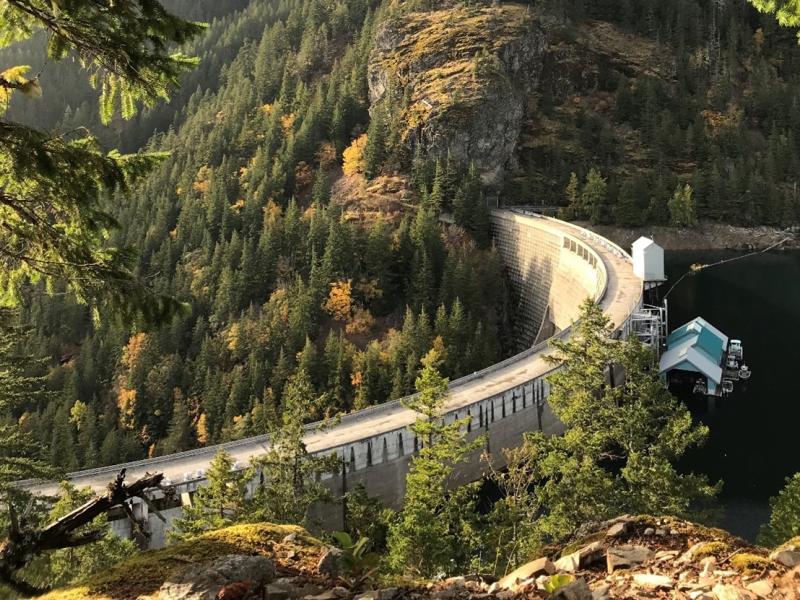
A scenario approach was used to explore the potential future role of hydropower around the globe considering the multisectoral dynamics of regional energy systems and basin-specific water resources.
Report for the Oregon Public Utility Commission highlights innovations and best practices for resilience and utility planning could be helpful to other states as well.
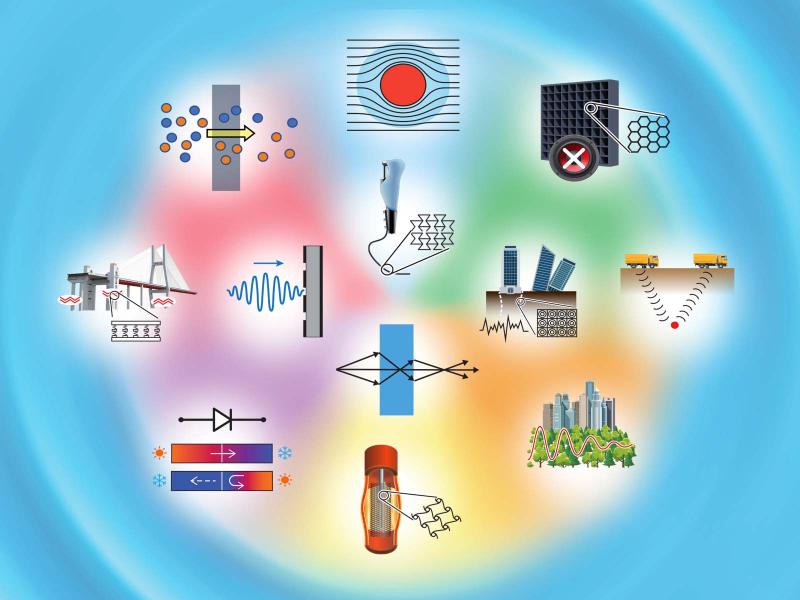
A review article led by researcher Jade Holliman explores the different classes of metamaterials, from the underlying fundamental science to potential applications.
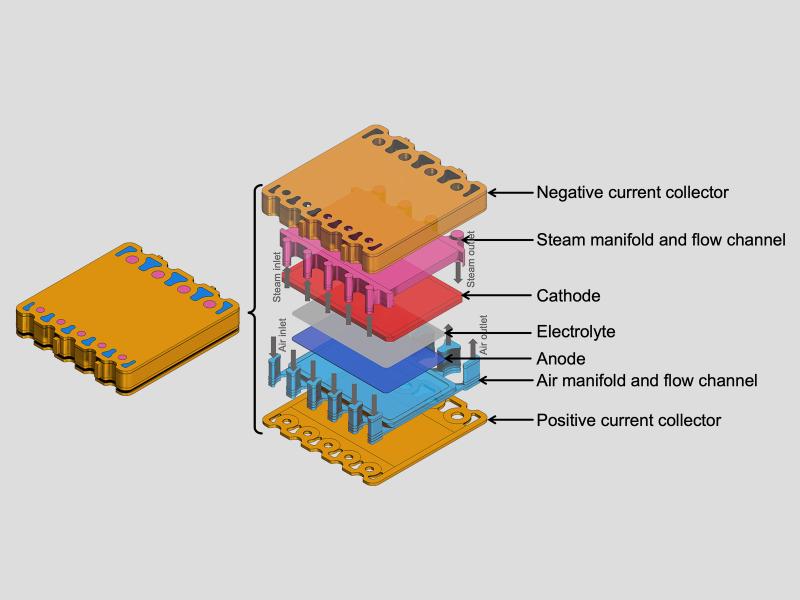
A PNNL team developed and used a model framework to understand the performance and structural reliability of a state-of-the-art solid oxide electrolysis cell design.
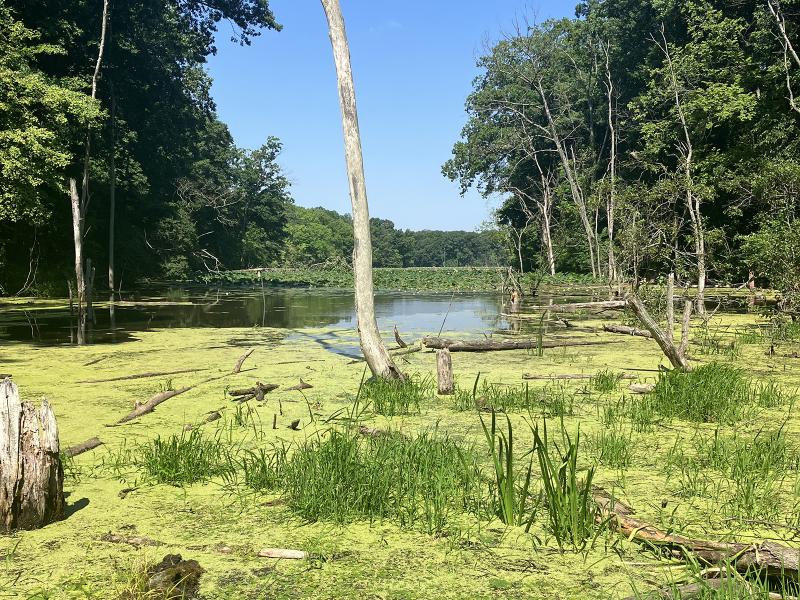
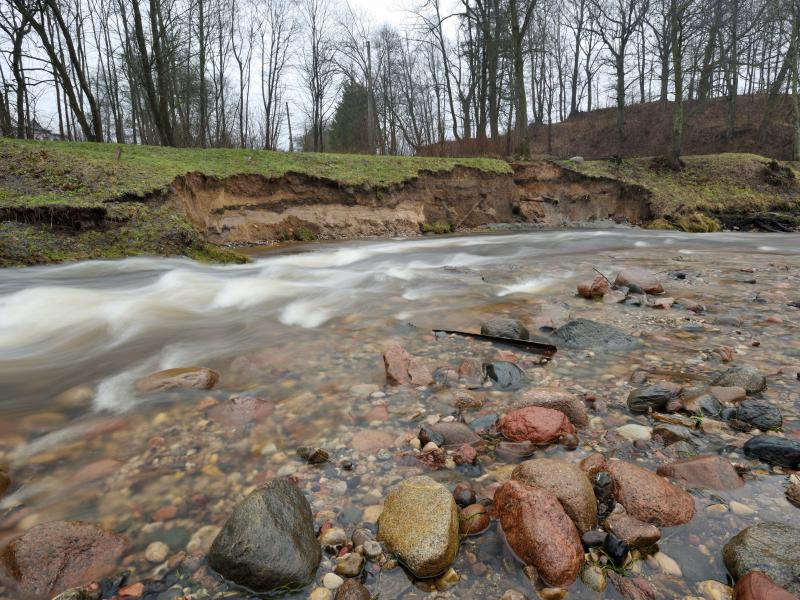
Across the United States, water moving between the river and riverbed sediments does not overcome localized processes that govern organic matter chemistry.