The Emissions Model Intercomparison Project examined how selected emissions-related properties affected results in 11 global chemistry and Earth-system models.
The Earth System Model Aerosol–Cloud Diagnostics package version 2 uses aircraft, ship, ground, and satellite measurements to evaluate detailed physical processes in aerosols, clouds, and aerosol–cloud interactions.
New research shows how cloud shapes affect the process of cloud evolution, resulting in better understanding of how clouds behave, improving weather forecasts, and enhancing comprehension of climate systems.
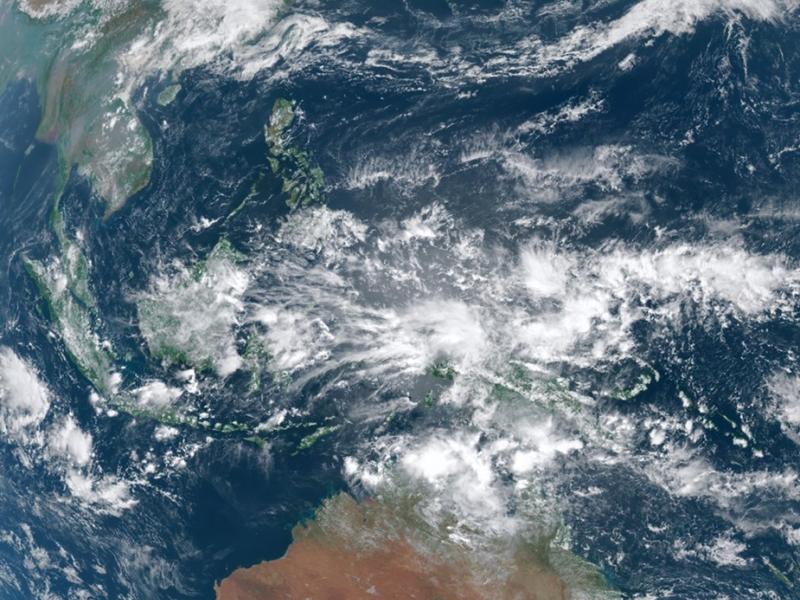
The roles of the various environmental variables in the transition from suppressed to active tropical precipitation regimes are characterized using statistical analysis and machine learning.
A modeling study finds that multiple factors almost perfectly balance under anthropogenic greenhouse gas forcing, leaving no footprint on the dynamically induced ocean heat storage in the Southern Ocean.
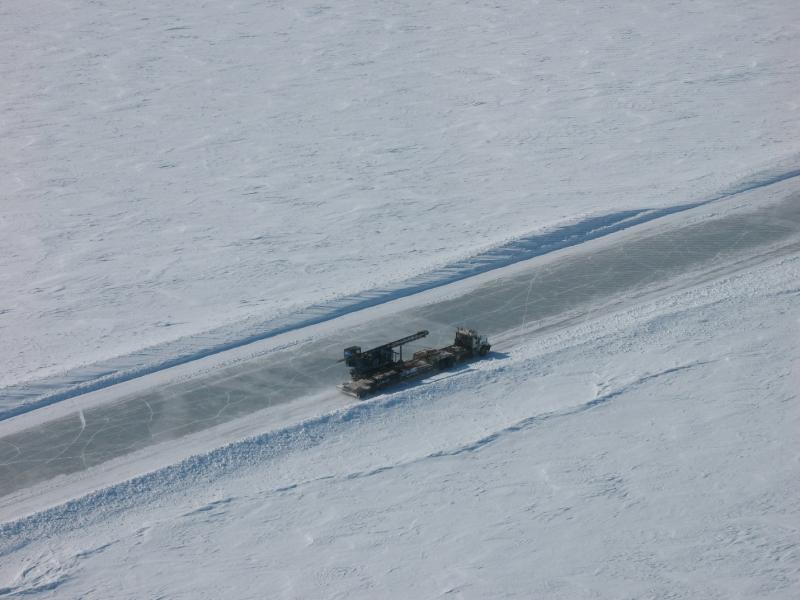
Climate change and socioeconomic pressures are transforming passenger and freight transportation in the Arctic, producing effects that have yet to be fully understood.
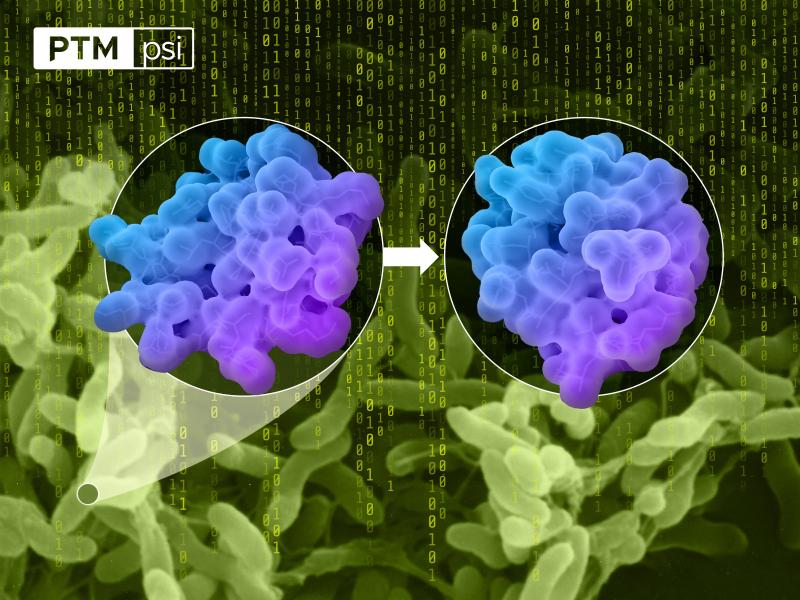
Scientists developed a process (or pipeline) that combined molecular probes—a specific chemical that binds to microbes carrying out a particular function—with a method that isolated these cells from their complex community.