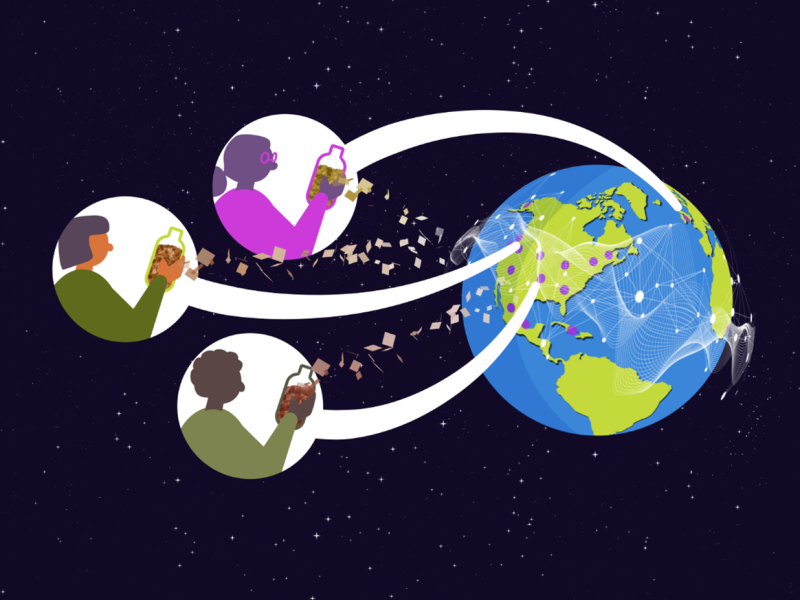
Distributed science is thriving at PNNL, where scientists share data and collaborate with researchers around the world to increase the impact of the work.
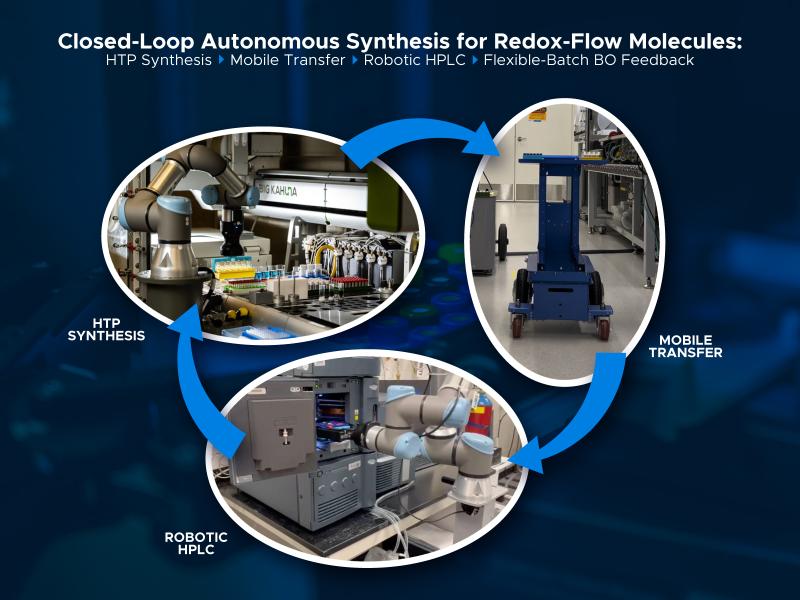
A closed-loop workflow brings together digital and physical frameworks to advance high-throughput experimentation on redox-active molecules in flow batteries.
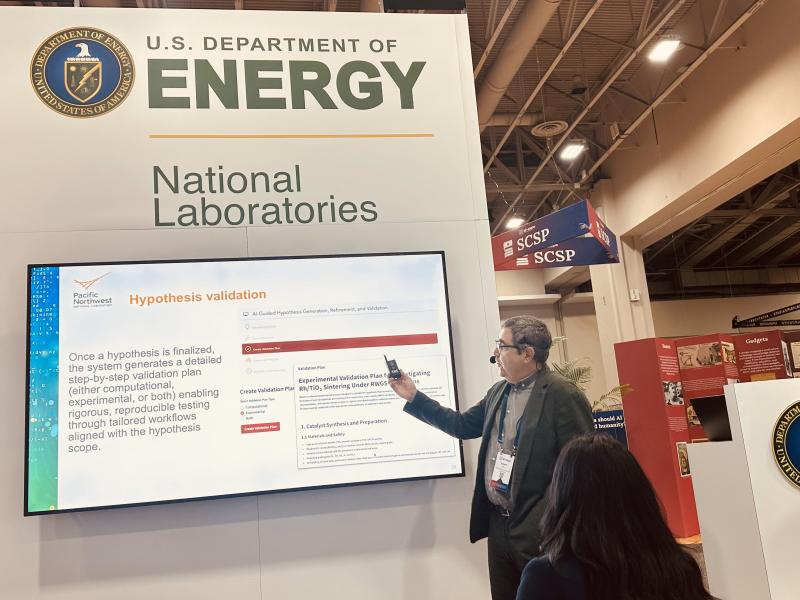
The Center for Continuum Computing at PNNL aims to integrate cloud platforms, high-performance computing, and edge devices into a seamless ecosystem that accelerates scientific discovery.
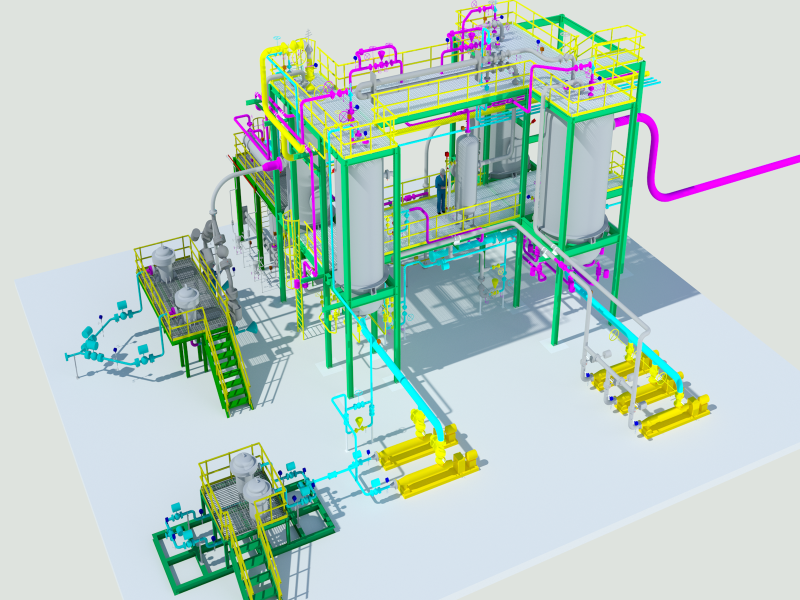
Recycling polyolefin materials is challenging. One waste management strategy is plastic upcycling. New work demonstrates a single-step upcycling route coupling cracking and alkylation, recycling carbon and keeping valuable resources active.
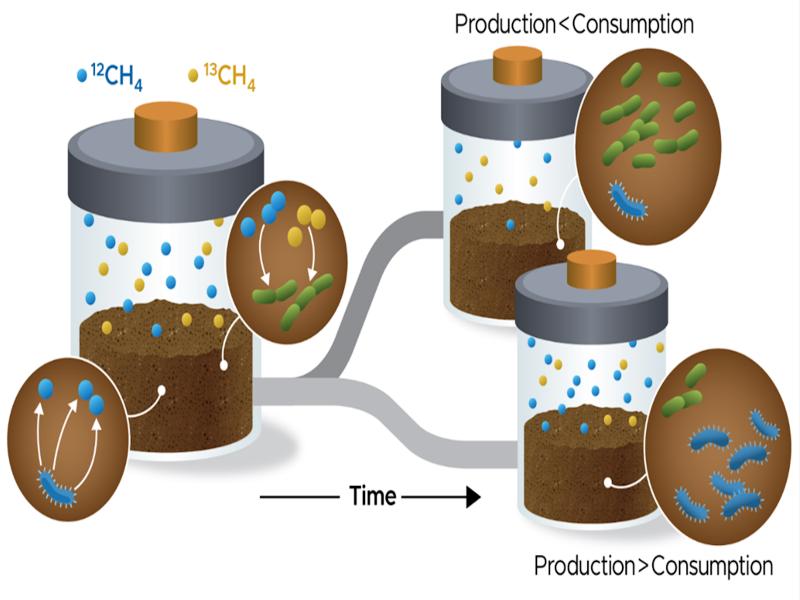
In soil, microbes produce and consume methane. Using a technique called pool dilution, researchers can separate the rate of methane production and consumption from the net rate.
A PNNL innovation uses steam to recover heat from the high-temperature reactor effluent in the HTL process, substantially reducing the propensity for fouling and potentially reducing costs.