A multi-institutional team of wind energy experts led by PNNL assessed the scientific grand challenges for offshore wind and provided recommendations for closing gaps in models.
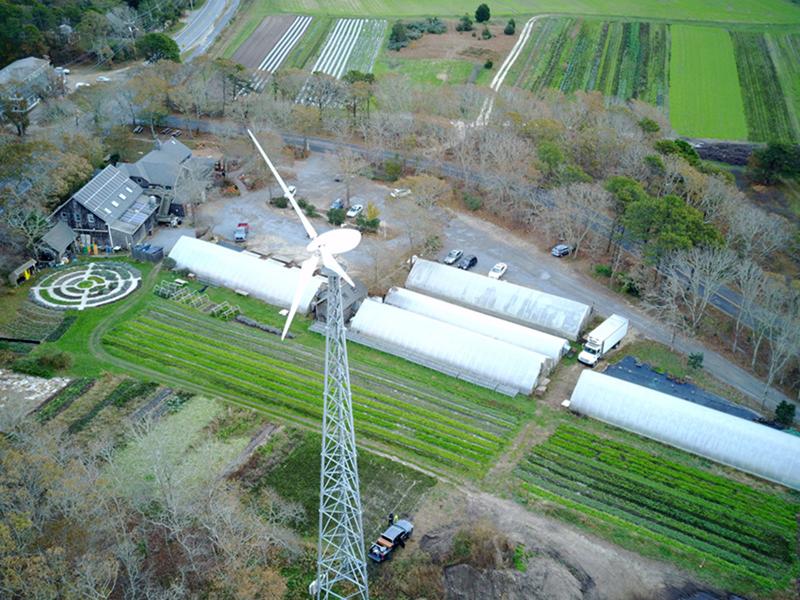
An evaluation of models and prediction tools for distributed wind turbines has unearthed data that can help potential users make the most informed decisions on upfront investments.
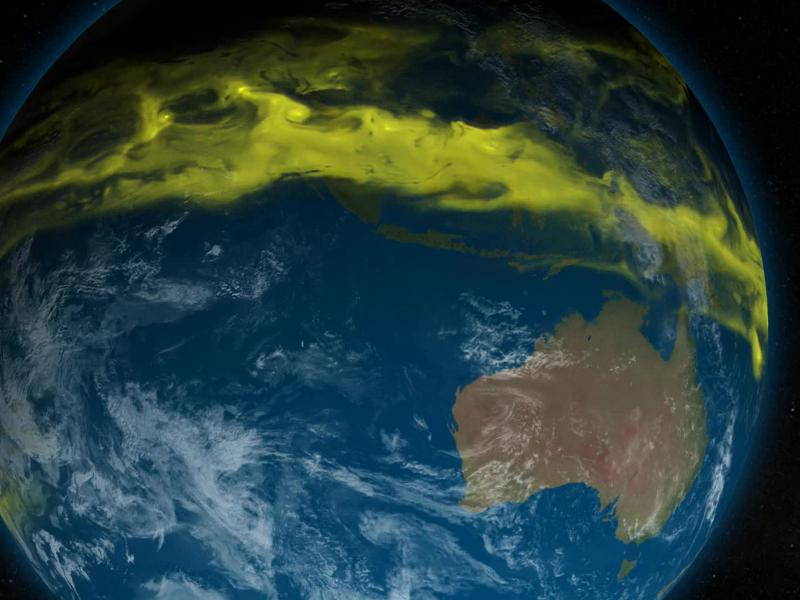
Secondary organic aerosol formation from monoterpenes is more strongly influenced by oxidant and monoterpene structure than by nitric oxides and hydroperoxy radical concentrations.
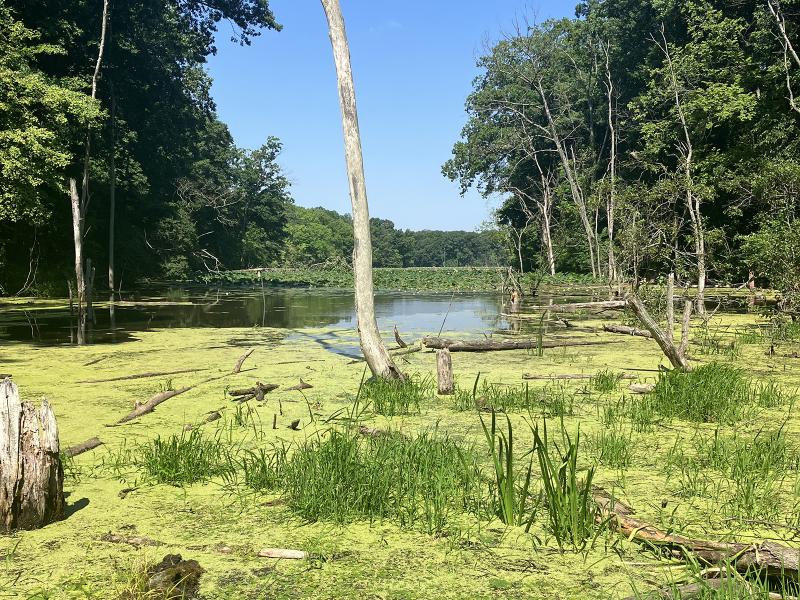
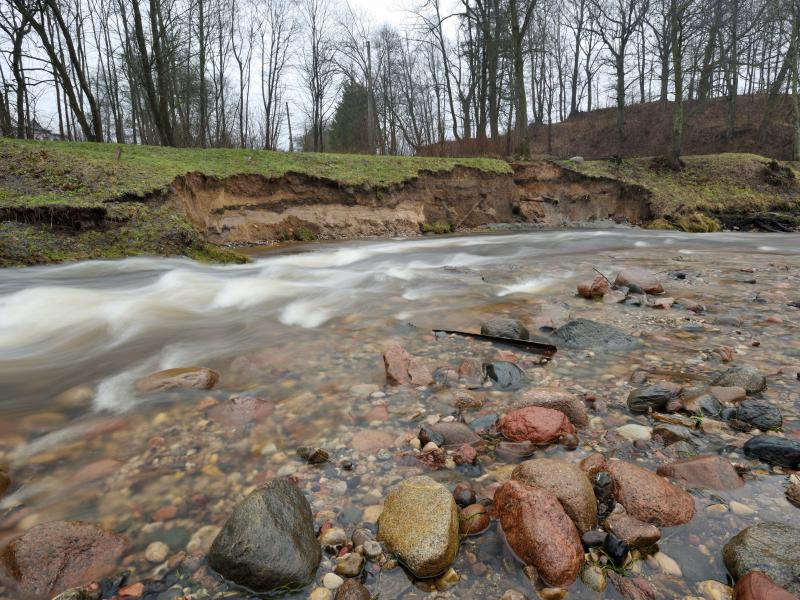
Across the United States, water moving between the river and riverbed sediments does not overcome localized processes that govern organic matter chemistry.
Better representing electric capacity markets, economic retirements, and power-plant age structure provides a more robust understanding of the future evolution of the electric sector.
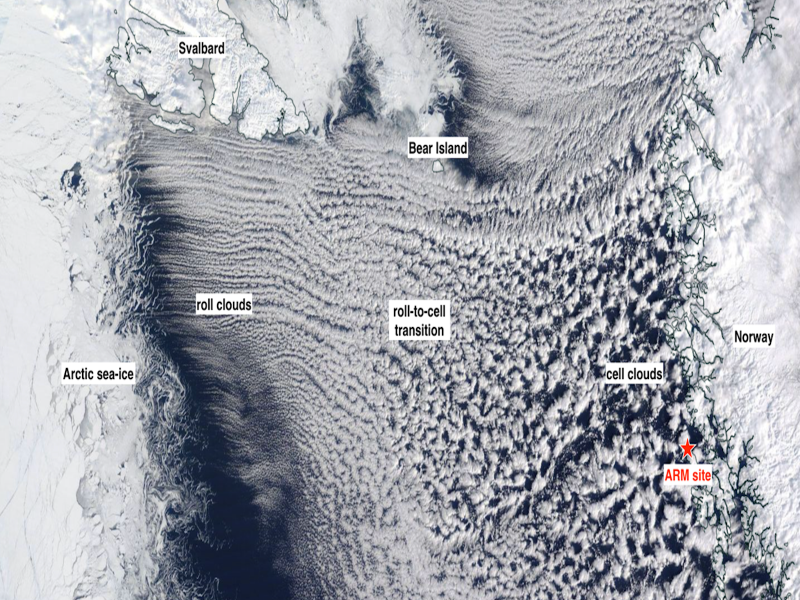
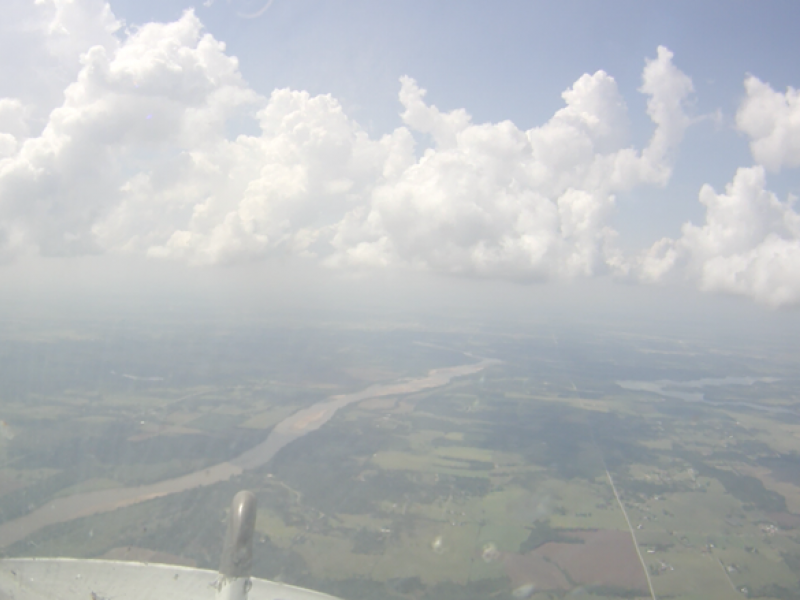
Repeated aircraft measurements over central Oklahoma allow researchers to better understand the spatial variability of aerosol properties that affect cloud evolution.