Connecting energy generation, electricity storage, and using sensors and control software to track load, including precommercial market marine energy generation technologies.
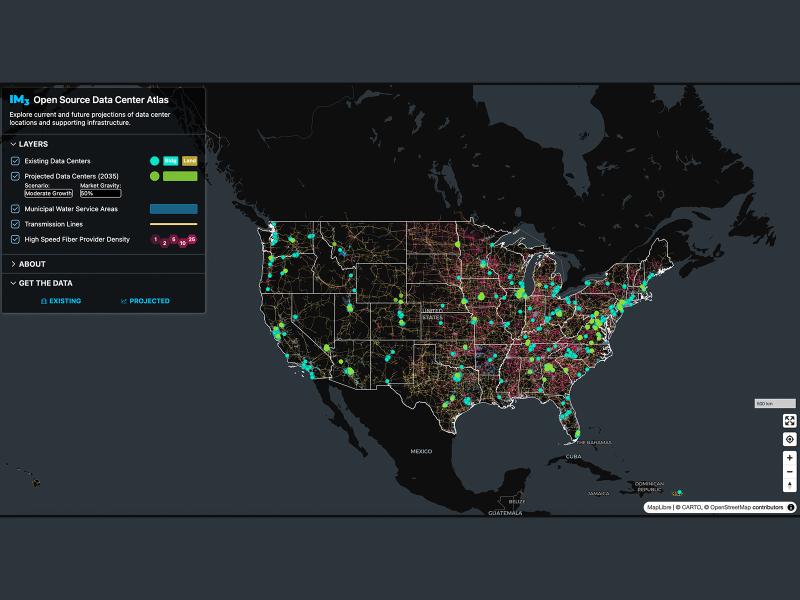
Now, anyone can easily explore and access data from a nationwide map of data centers, the infrastructure that powers them, and projections of future data center locations.
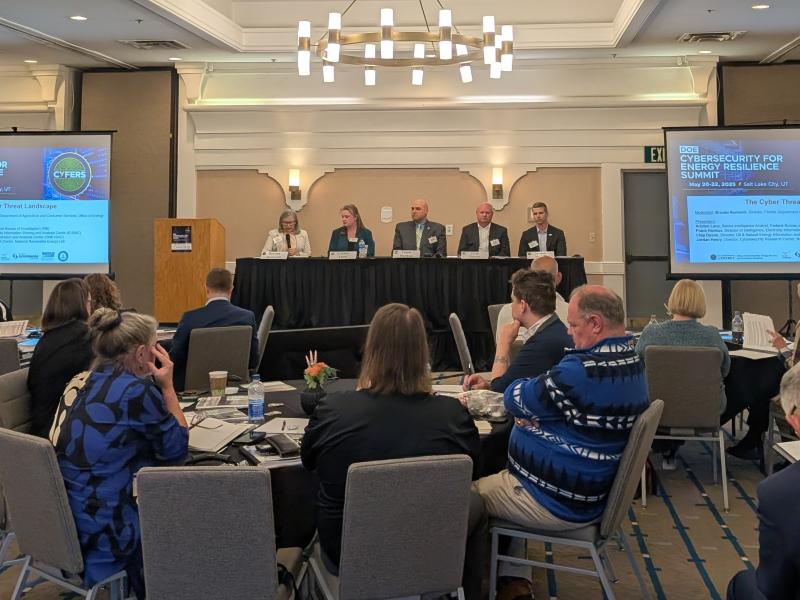
CESER and PNNL convened a three-day summit with more than 100 state officials, cybersecurity experts, and industry leaders across 35 states to advance energy security planning, cyber risk assessment, and fortify protections against attacks.
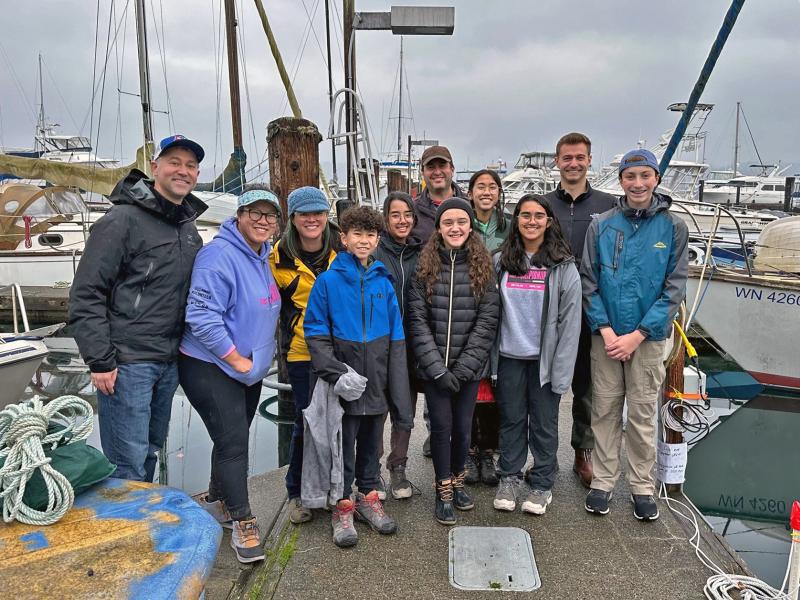
Researchers at PNNL advised elementary and middle school student teams with their problem-solving research for the FIRST® LEGO® League robotics competitions.
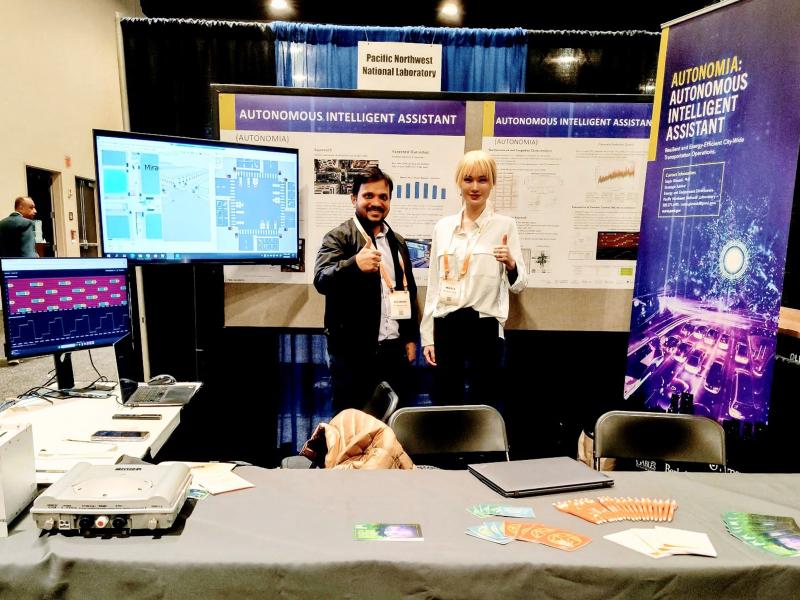
The ARPA-E Energy Innovation Summit brings together researchers, industry leaders, entrepreneurs, and investors to showcase the latest technologies shaping tomorrow’s energy landscape. This year, eight projects led by PNNL were featured.
New datasets delineating global urban land support scientific research, application, and policy, but they can produce different results when applied to the same problem making it difficult for researchers to decide which to use.
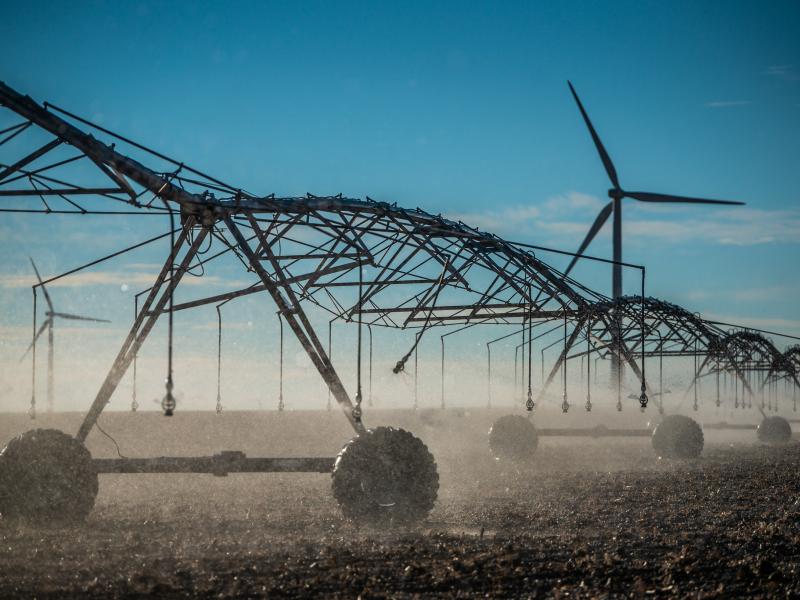
The demand for energy is growing—and so is the technology supporting it. However, future development of power generation technologies could be affected by a key factor: material supply.
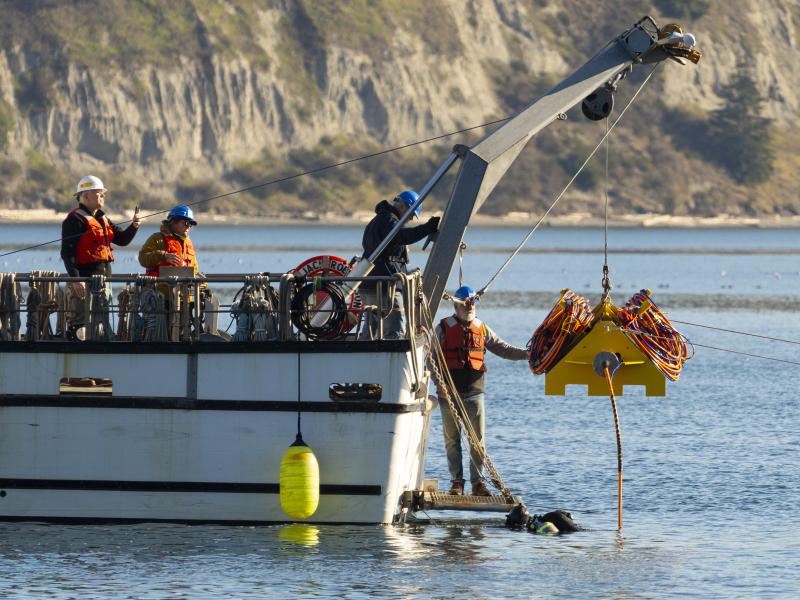
The first tidal turbine deployed in the Pacific Northwest at PNNL-Sequim showcases the Lab’s growing role as a regional center for marine energy research.
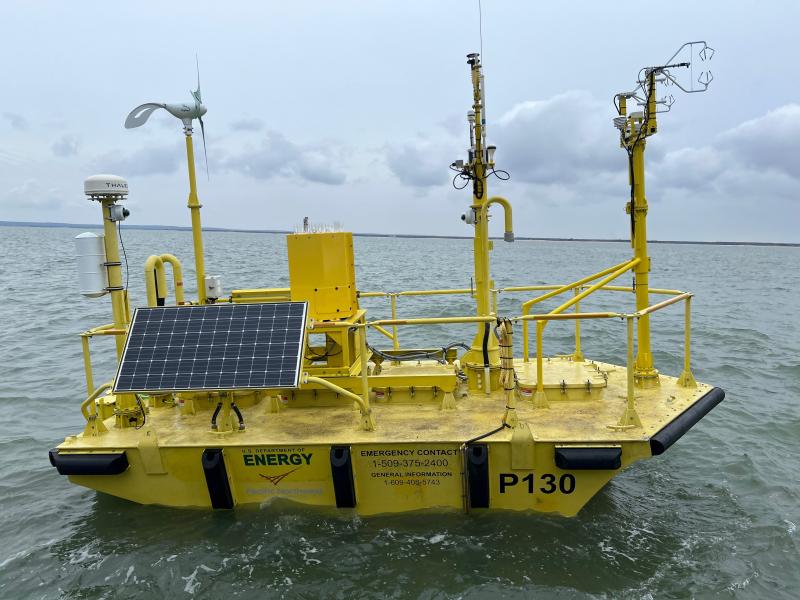
PNNL served as workshop partner for the 2024 Marine Technology Society Buoy Workshop, held this year in Sequim, Washington, where PNNL operates the only marine research facilities in the Department of Energy system.
PNNL computing experts Robert Rallo and Court Corley contribute their knowledge to a recent DOE report on applications of AI to energy, materials, and the power grid.
The nation is closer to its offshore wind energy goals than ever before, but better wind forecasting is still needed. To address this challenge, PNNL and collaborators are charting a new course with help from novel technology.
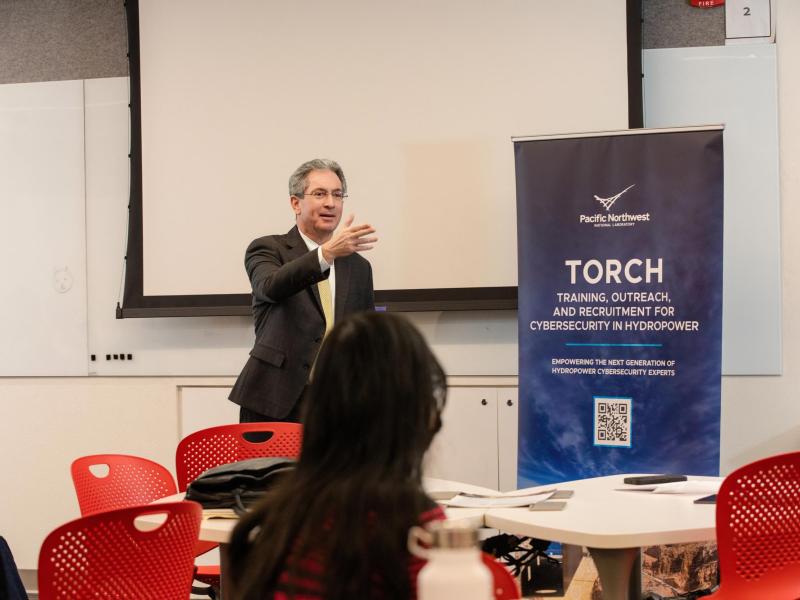
Pacific Northwest National Laboratory launches the Training Outreach and Recruitment for Cybersecurity Hydropower program at the University of Texas at El Paso.