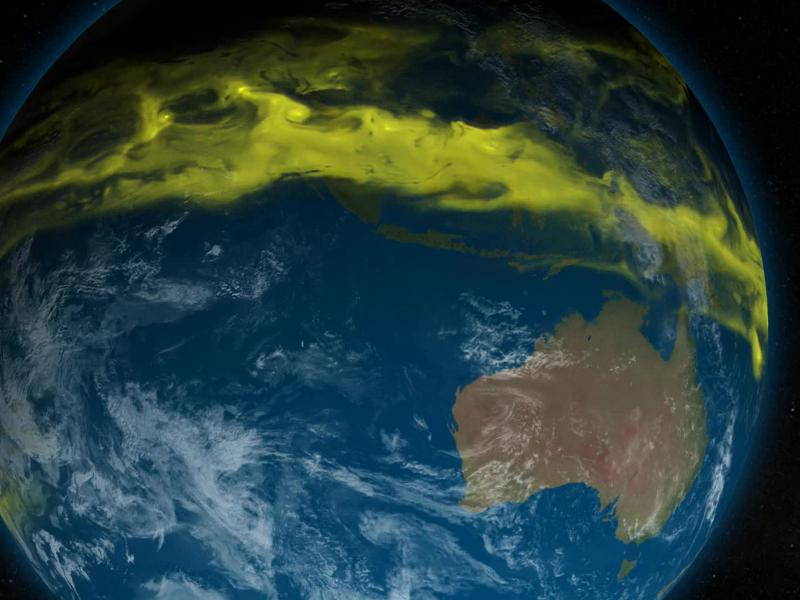
Distributed science is thriving at PNNL, where scientists share data and collaborate with researchers around the world to increase the impact of the work.
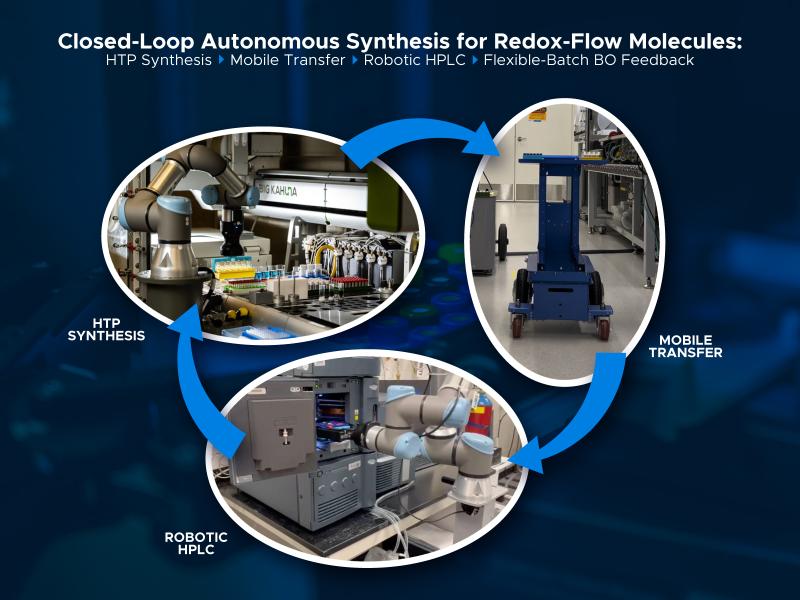
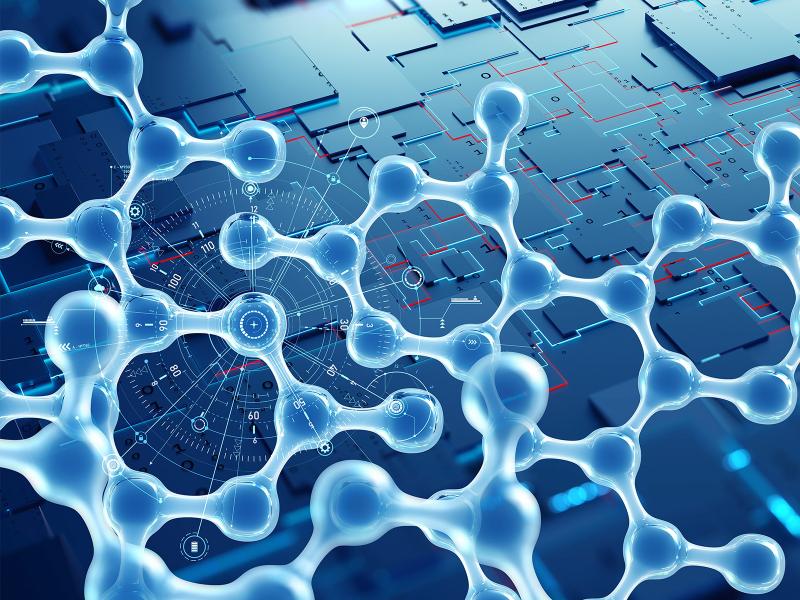
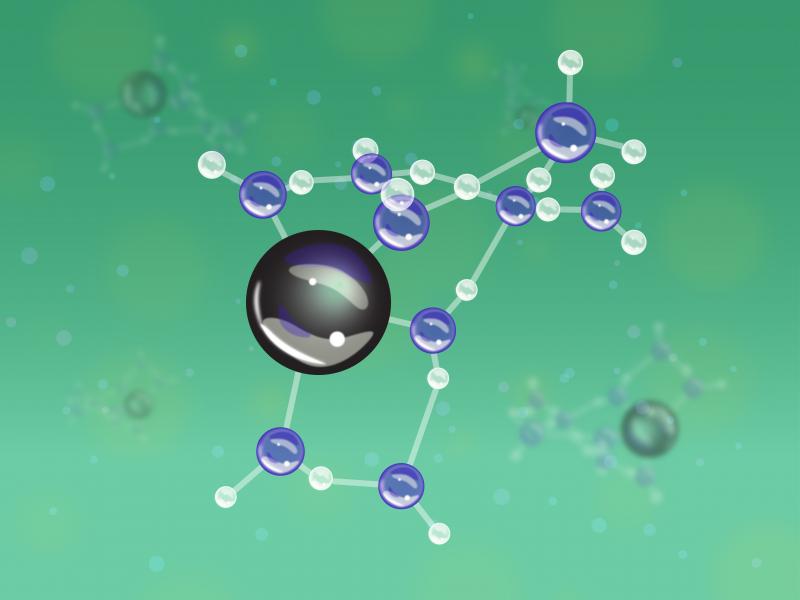
A closed-loop workflow brings together digital and physical frameworks to advance high-throughput experimentation on redox-active molecules in flow batteries.
PNNL researchers have published their paper, “Introducing Molecular Hypernetworks for Discovery in Multidimensional Metabolomics Data,” in the Journal of Proteome Research.
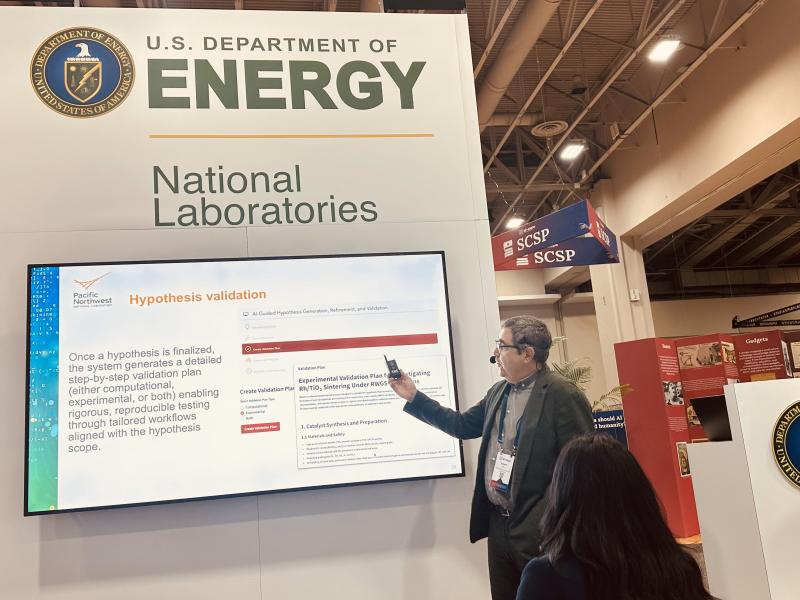
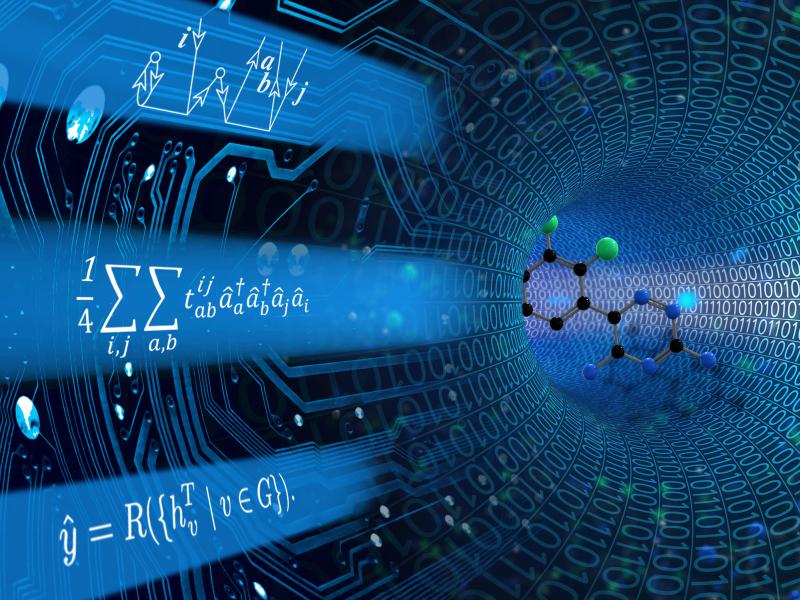
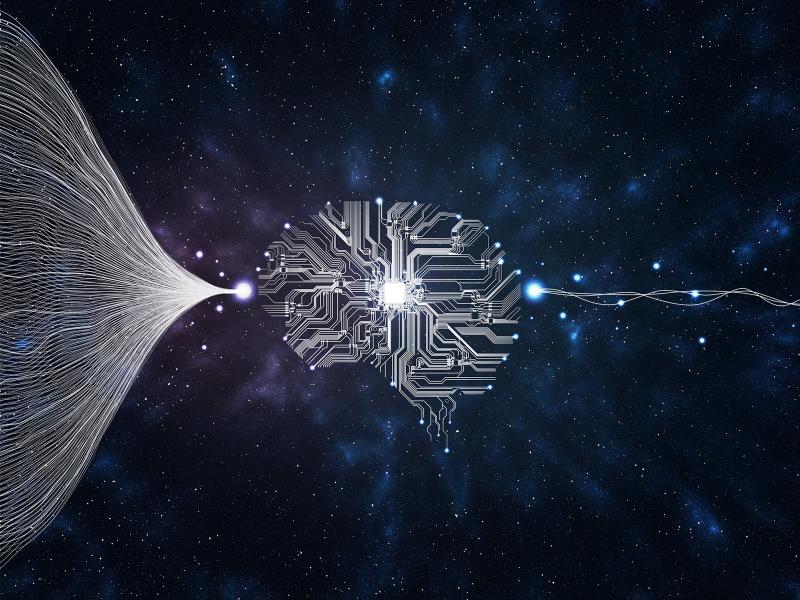
The Center for Continuum Computing at PNNL aims to integrate cloud platforms, high-performance computing, and edge devices into a seamless ecosystem that accelerates scientific discovery.
PNNL will engage with transmission planners and other regional partners through technical assistance and listening sessions with the goal of exploring opportunities to integrate equity into transmission planning.
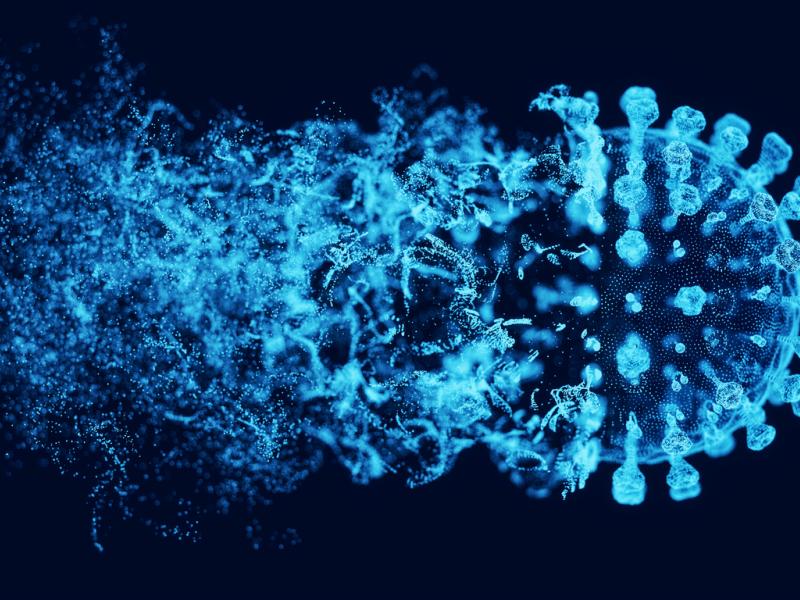
Scientists at PNNL were awarded nearly $12 million to better understand pathogens, how they spread, and how to prepare the nation against future outbreaks.
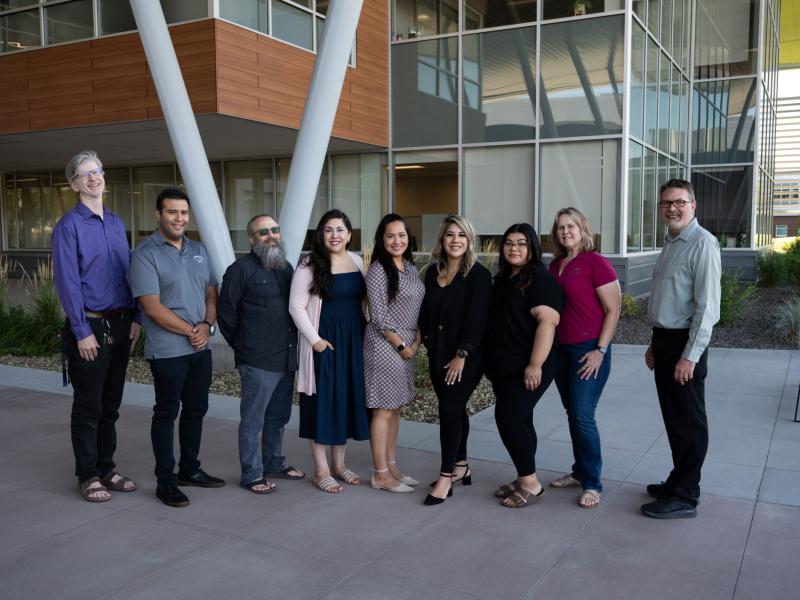
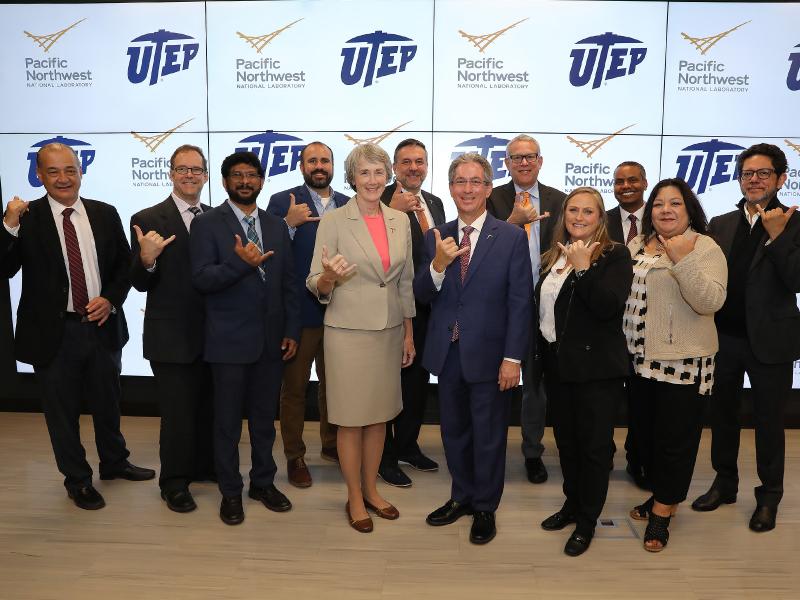
PNNL welcomes new joint appointments to expand the research productivity and scientific impact of both PNNL and the university partners, broadening the base of expertise at each institution and helping to build interdisciplinary teams.
The work by the team at PNNL takes a critical step in leveraging ML to accelerate advanced manufacturing R&D, specifically for manufacturing techniques without access to efficient, first-principles simulations.