Distributed science is thriving at PNNL, where scientists share data and collaborate with researchers around the world to increase the impact of the work.
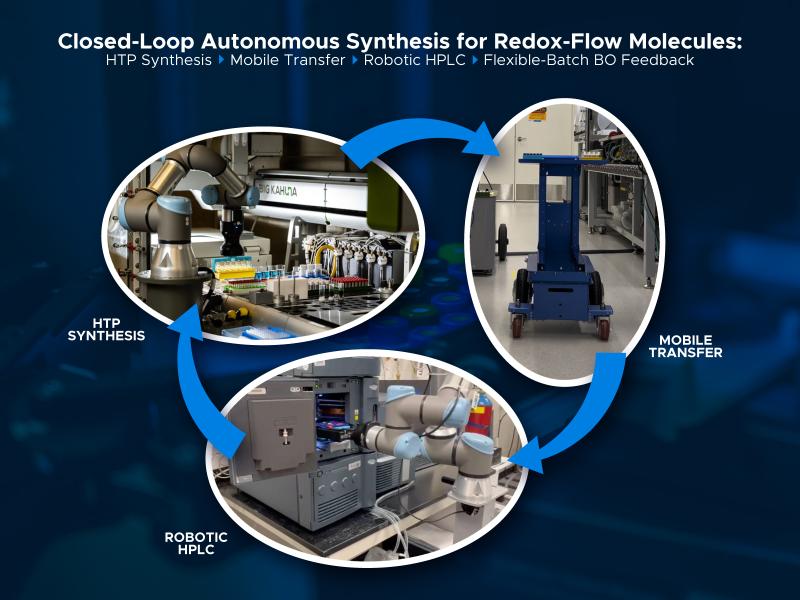
A closed-loop workflow brings together digital and physical frameworks to advance high-throughput experimentation on redox-active molecules in flow batteries.
A team of researchers recently coordinated a series of international workshops aimed at enhancing chemical research security and fostering collaboration among scientists and academic researchers from both countries.
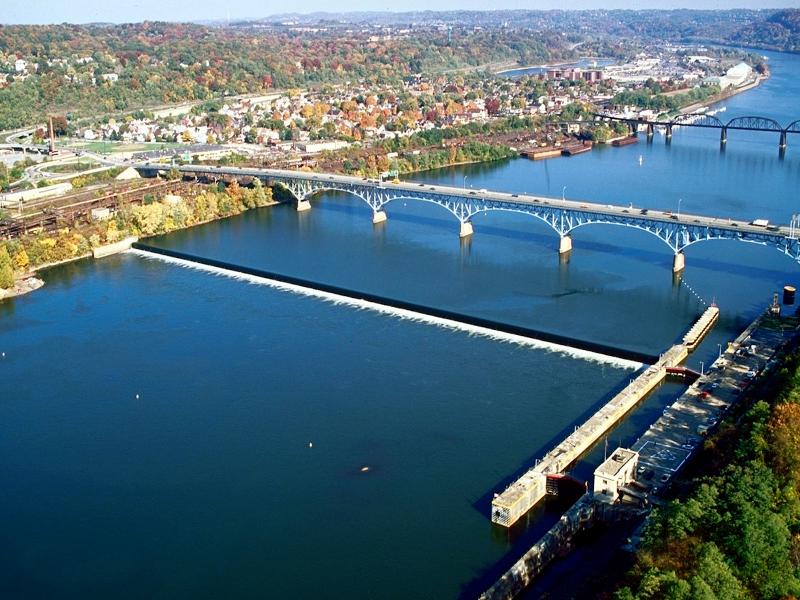
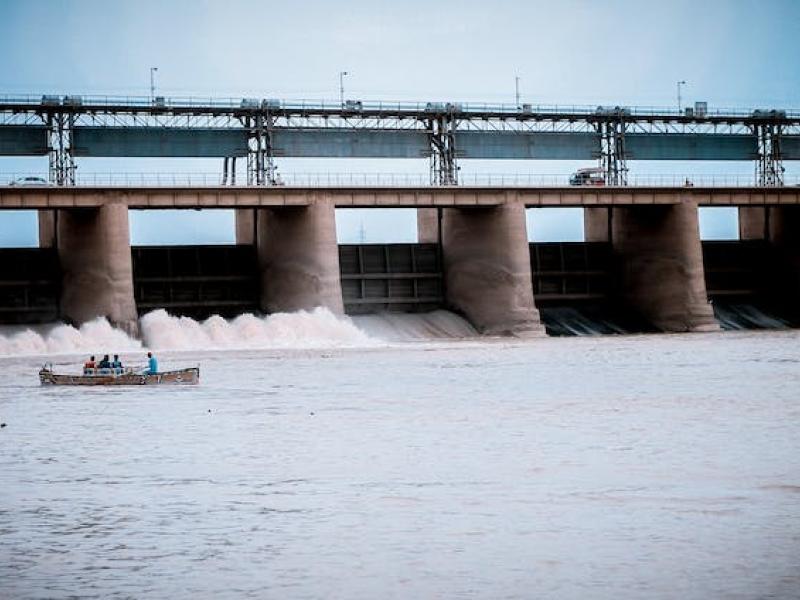
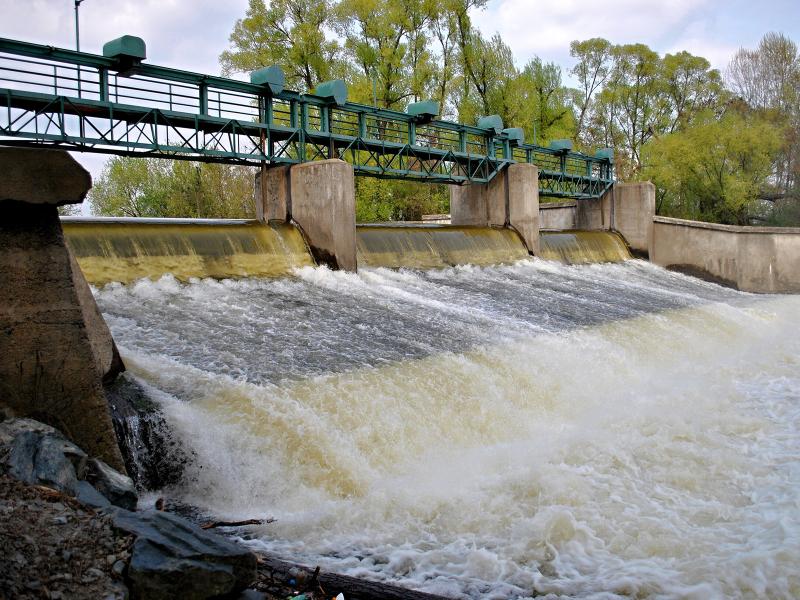
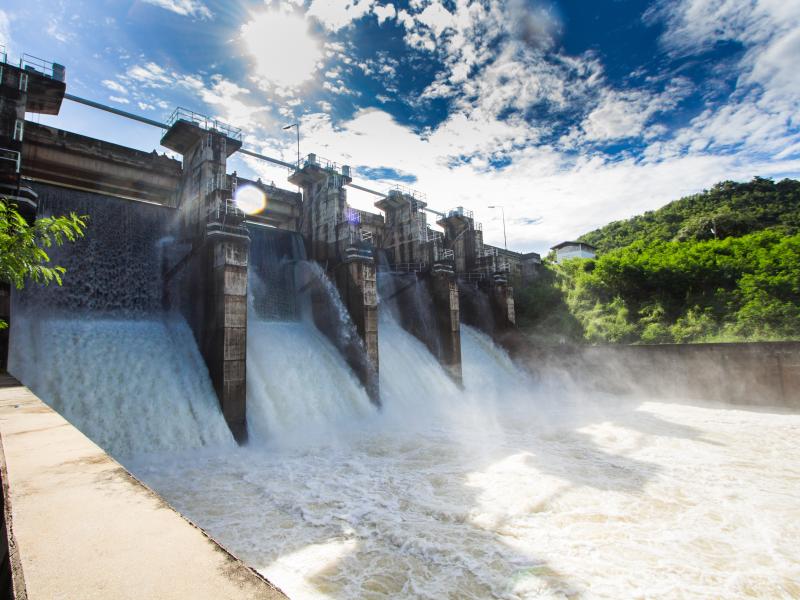
New methodological approach demonstrates how to assess the economic value, including non-traditional value streams, of converting non-powered dams to hydroelectric facilities.
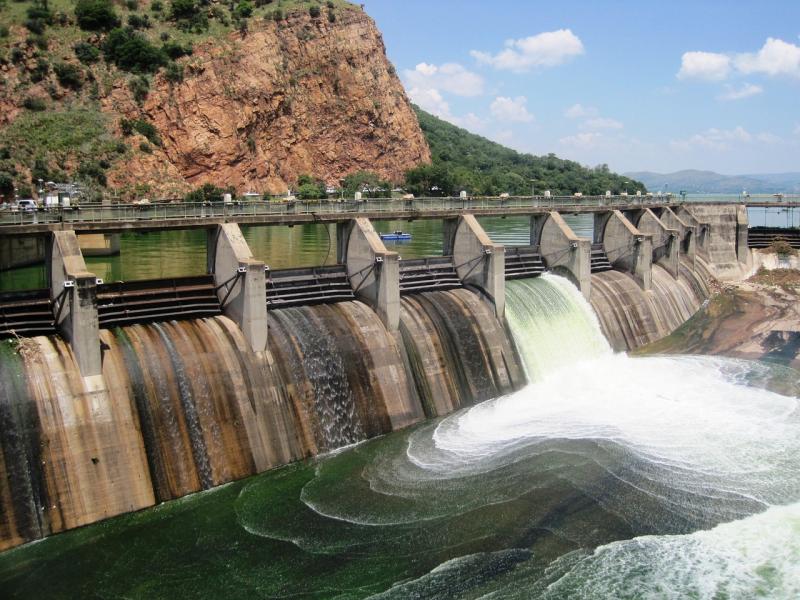
A PNNL study developed a water management module for Xanthos that distinguishes between the operational characteristics of hydropower, irrigation, and flood control reservoirs.
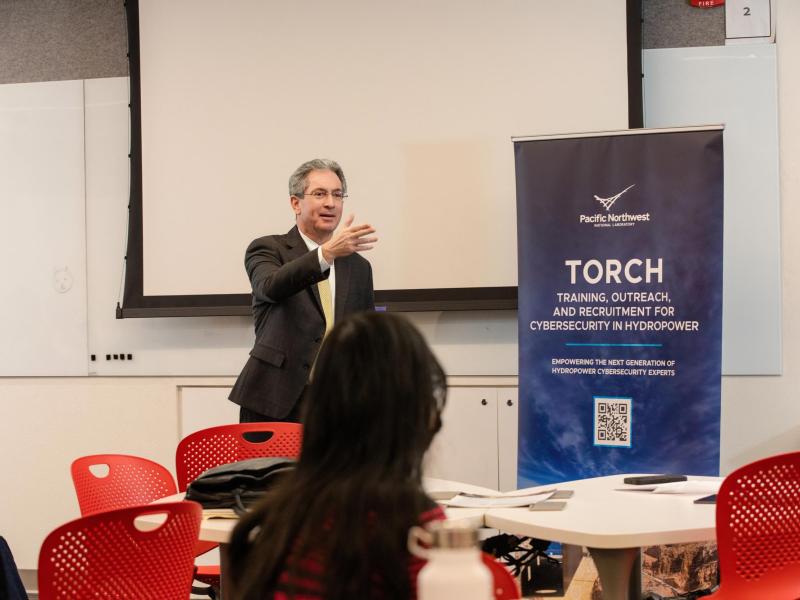
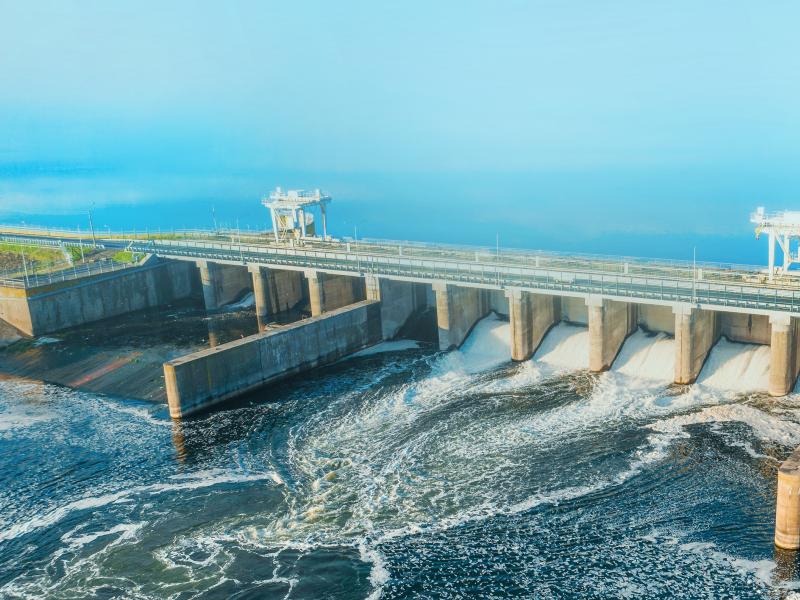
Pacific Northwest National Laboratory launches the Training Outreach and Recruitment for Cybersecurity Hydropower program at the University of Texas at El Paso.
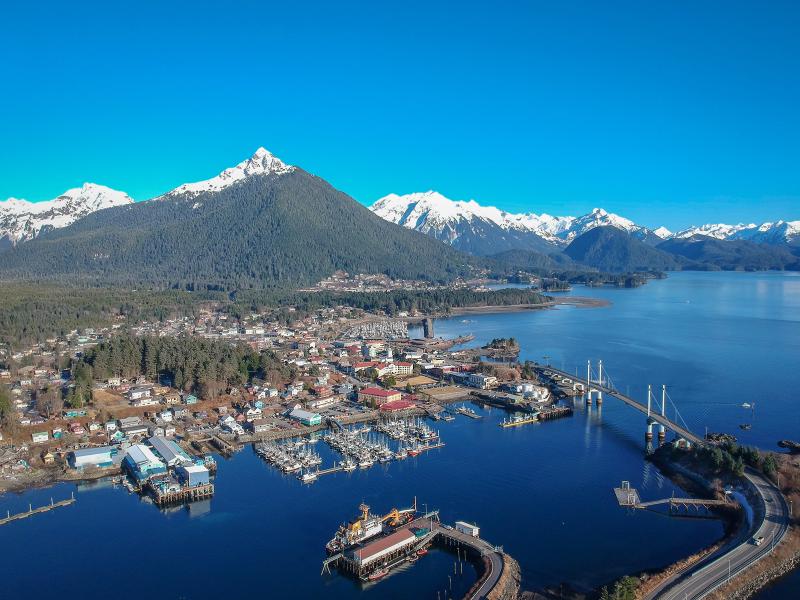
To identify communities ready for marine energy, help them realize their energy resilience goals, and facilitate community leadership in future projects, two national laboratories are developing the Deployment Readiness Framework.
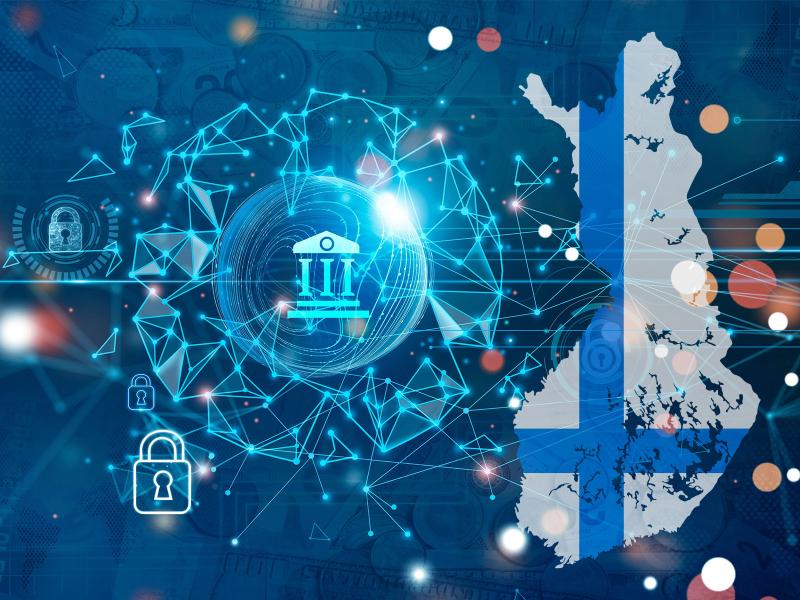
PNNL researchers helped design and conduct an international exercise hosted by the Ministry of Finance of Finland to help improve financial sector resilience.
A team of researchers at PNNL has created a publicly available Hydropower eLibrary to improve access to information that could help streamline the FERC environmental review and licensing process.
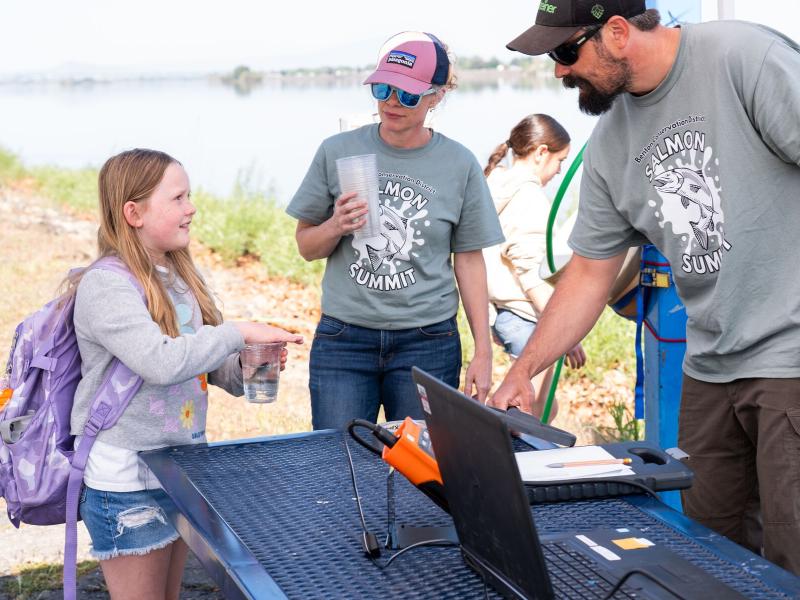
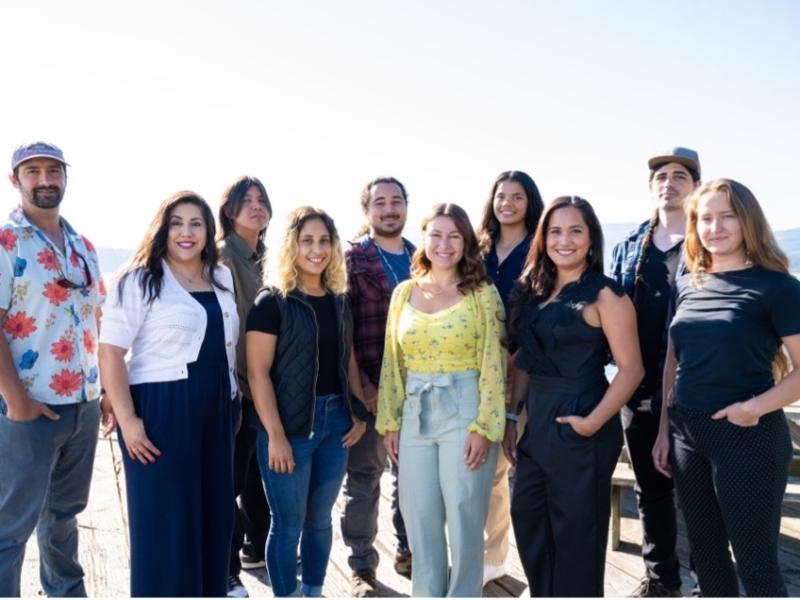
PNNL led one of five Pathway Summer School programs nationwide, with a specific focus on engaging students from Native American or Indigenous backgrounds.