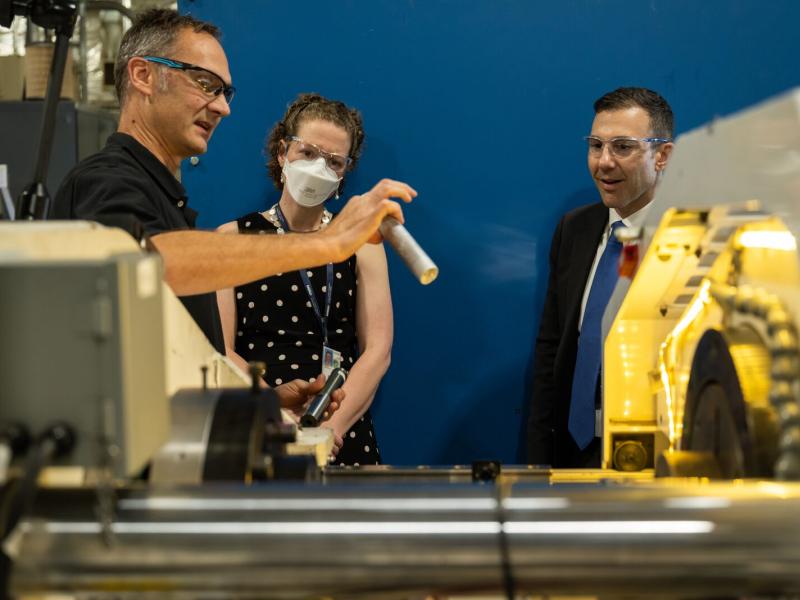
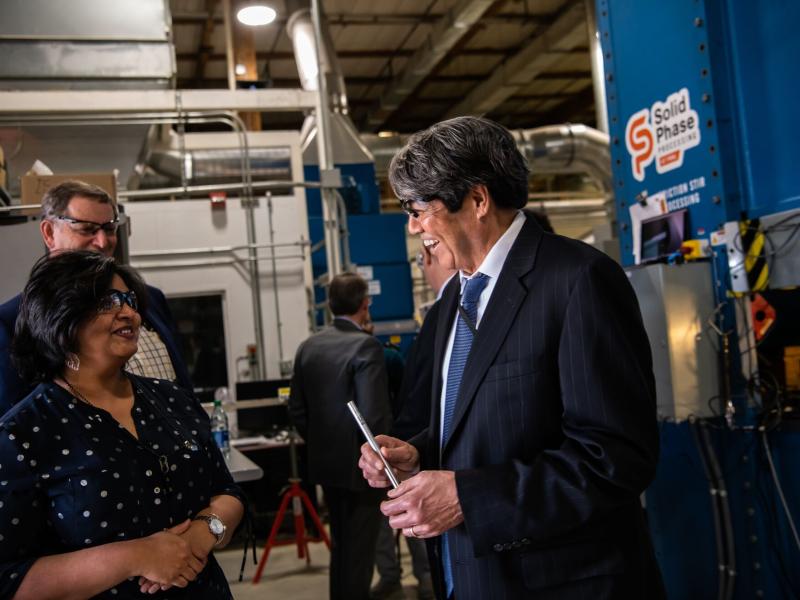
Leaders from the DOE Office of Energy Efficiency and Renewable Energy visited PNNL October 19–20 for a firsthand look at capabilities and research progress.
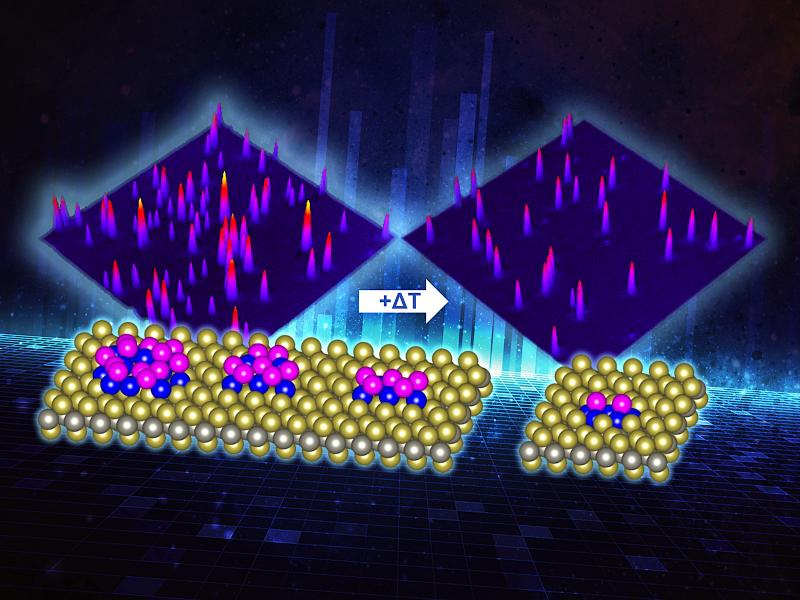
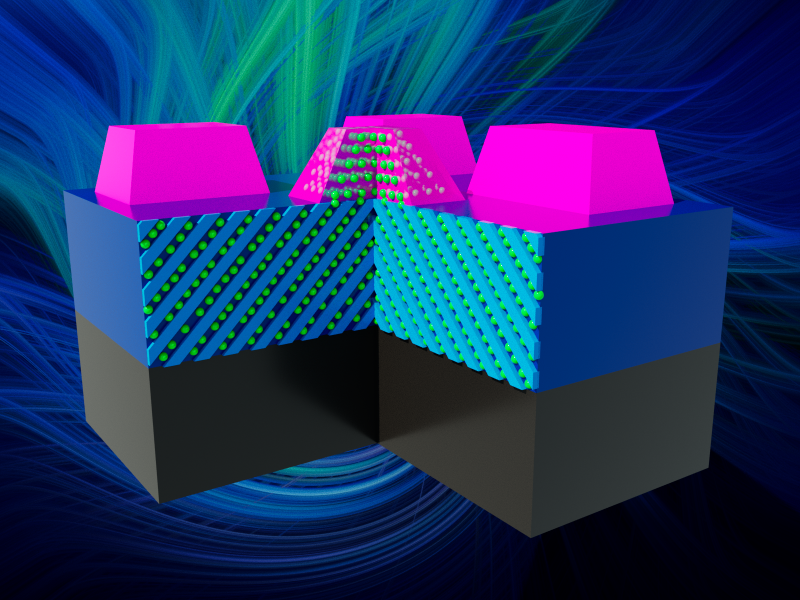
PNNL researchers demonstrated a simple method to create stable, identical nanoparticles of PdTe2-like composition, which is known to be superconducting, on a WTe2 TMD support.
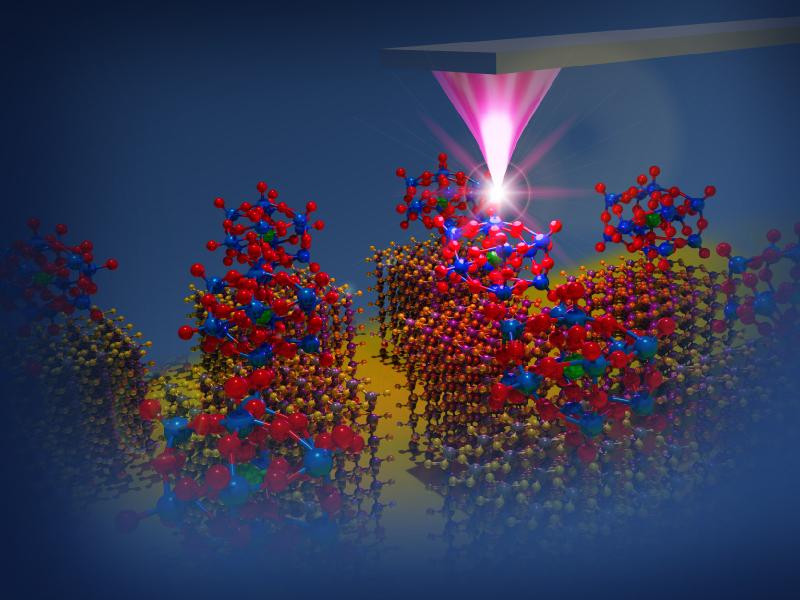
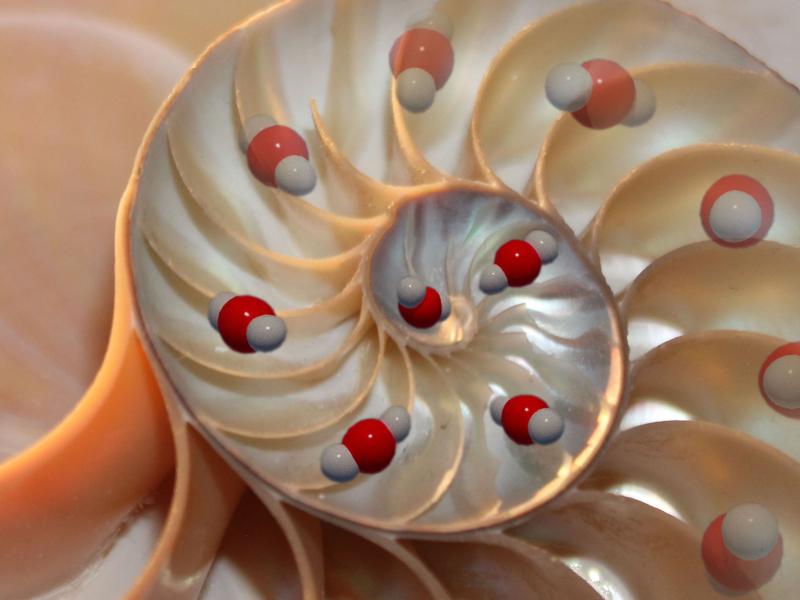
A combined experimental and theoretical study identified multiple interactions that affect the performance of redox-active metal oxides for potential electrochemical separation and quantum computing applications.
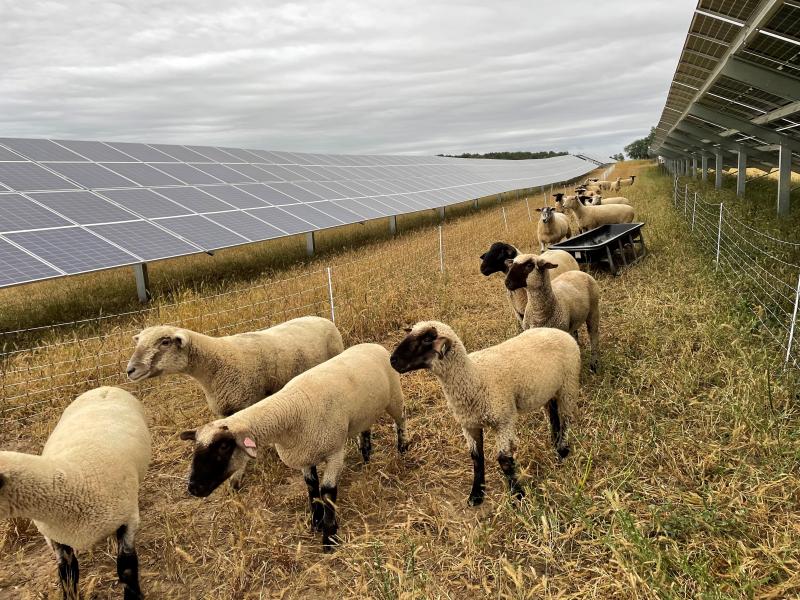
Report for the Oregon Public Utility Commission highlights innovations and best practices for resilience and utility planning could be helpful to other states as well.
The Public Infrastructure Security Cyber Education System is a university-community-nonprofit collaboration changing cyber education and cybersecurity.
PNNL gathered researchers from eight national laboratories plus the U.S. Department of Energy (DOE) to share ideas and build synergy at the Energy Equity and Environmental Justice Summit.
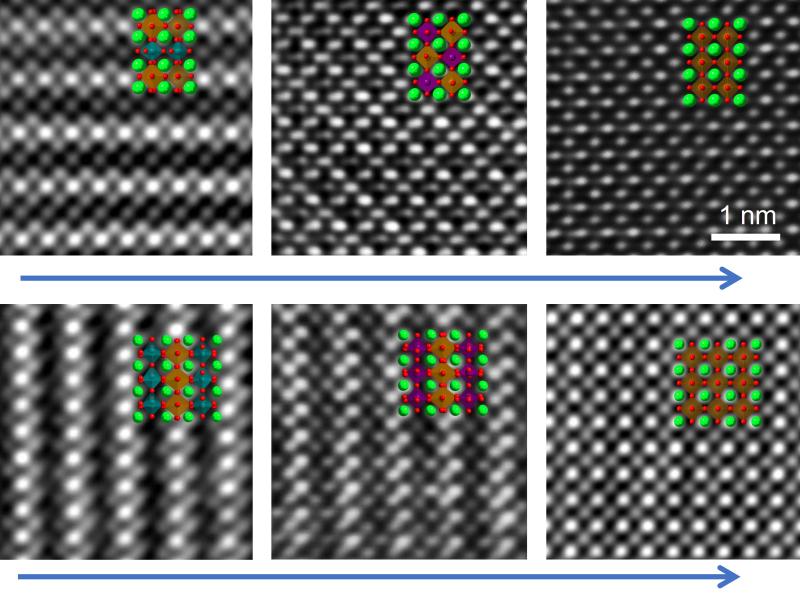
A team of researchers developed a simulation approach to identify how atomic structures can affect the phonon transport of energy and information in quantum systems near absolute zero temperatures.