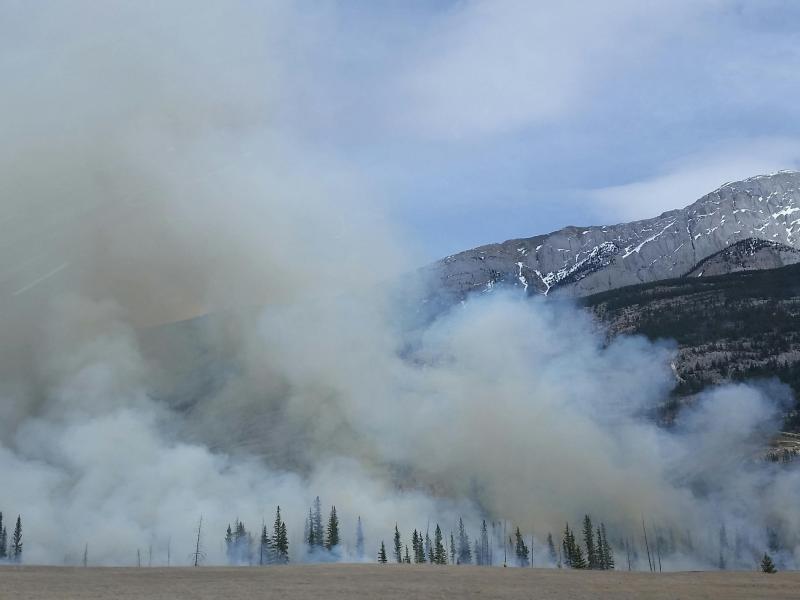
Researchers devised a quantitative and predictive understanding of the cloud chemistry of biomass-burning organic gases helping increase the understanding of wildfires.
A special issue of the International Journal of Nuclear Security, in collaboration with the National Nuclear Security Administration Nuclear Security Women Initiative, focuses exclusively on gender in international nuclear security.
Spatial proteomics enables researchers to link protein measurements to features in the image of a tissue sample, which are lost using standard approaches.
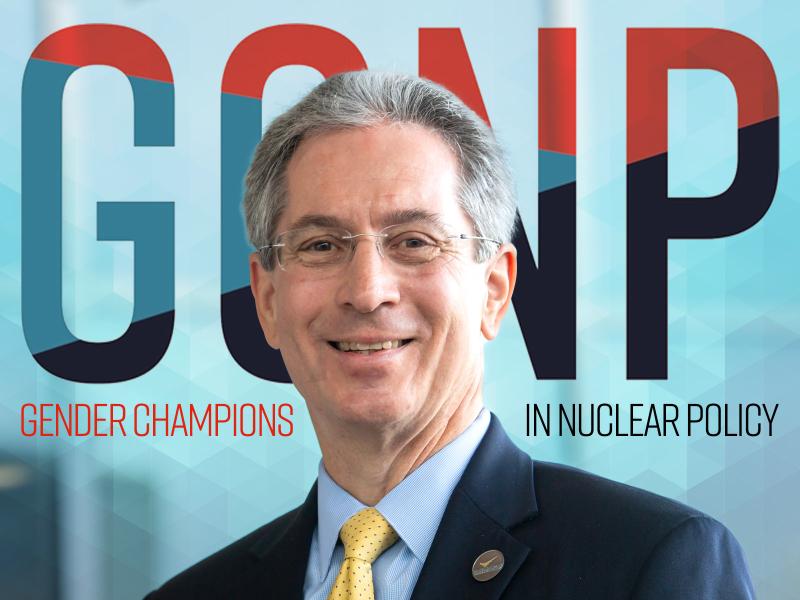
PNNL has joined Gender Champions in Nuclear Policy, a leadership network that brings together leaders of organizations working in nuclear policy who are committed to breaking down gender barriers.
PNNL researchers helped design and conduct an international exercise hosted by the Ministry of Finance of Finland to help improve financial sector resilience.
High fidelity simulations enabled by high-performance computing will allow for unprecedented predictive power of molecular level processes that are not amenable to experimental measurement.
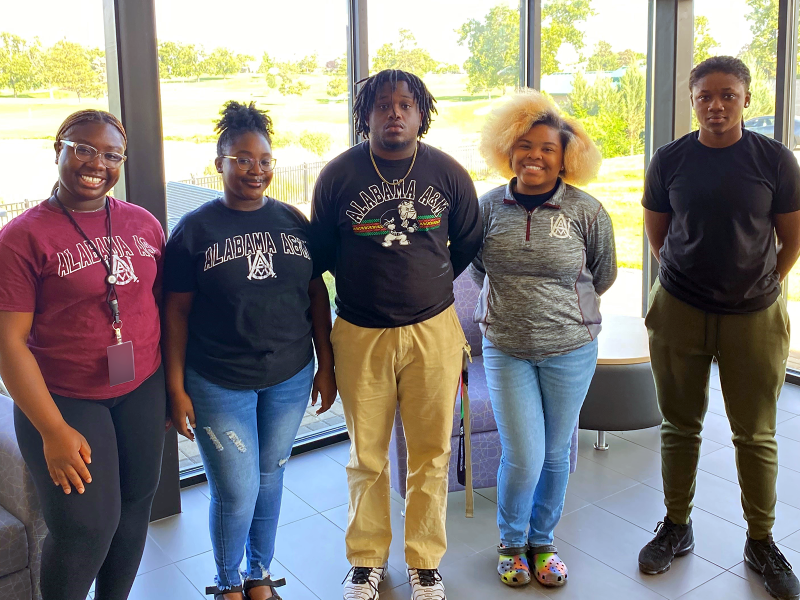
Germany Harris, Dewayne Maye, Sarah Olocha, Shaniya Pettway, and Rayonna Redmon became the first interns of the Minority Serving Institution Partnership Program Partnership for Radiation Studies Consortium at PNNL.
The Forefront23 workshop convened researchers, scientists, and engineers who are just that: at the forefront of cybersecurity and nuclear nonproliferation.
Gosline works to develop computational algorithms that are uniquely targeted for rare disease work by doing foundational research in model system development. This work can be expanded to all model systems in human disease.