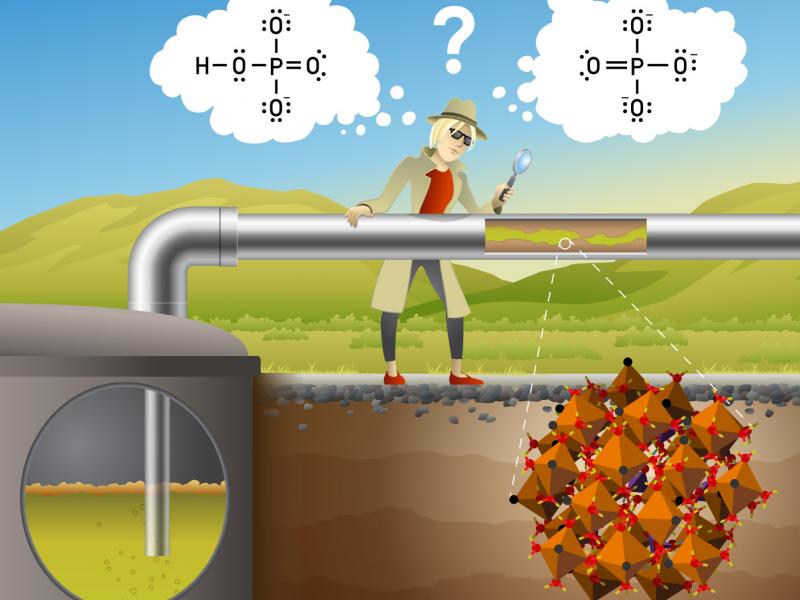
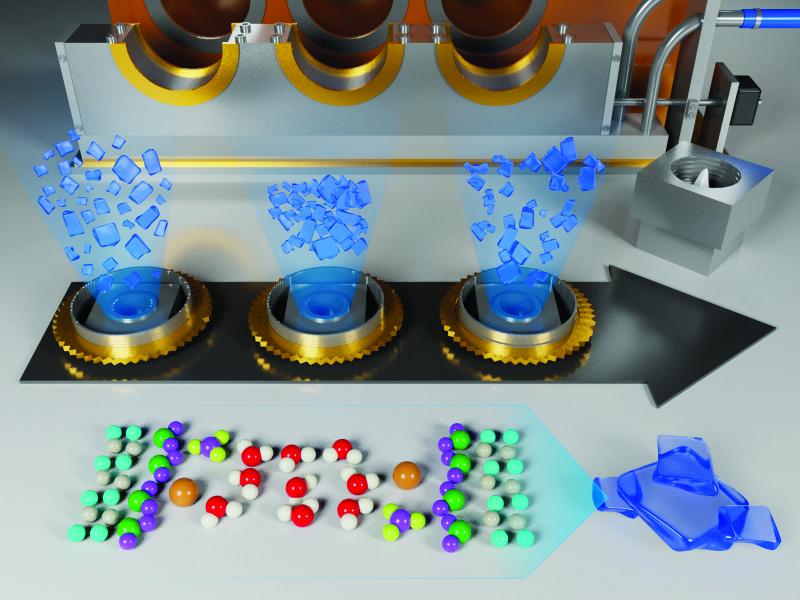
Developing a new understanding of the structure of natrophosphate, a complex mineral found in radioactive tank waste at the Hanford Site, by integrating experimental techniques.
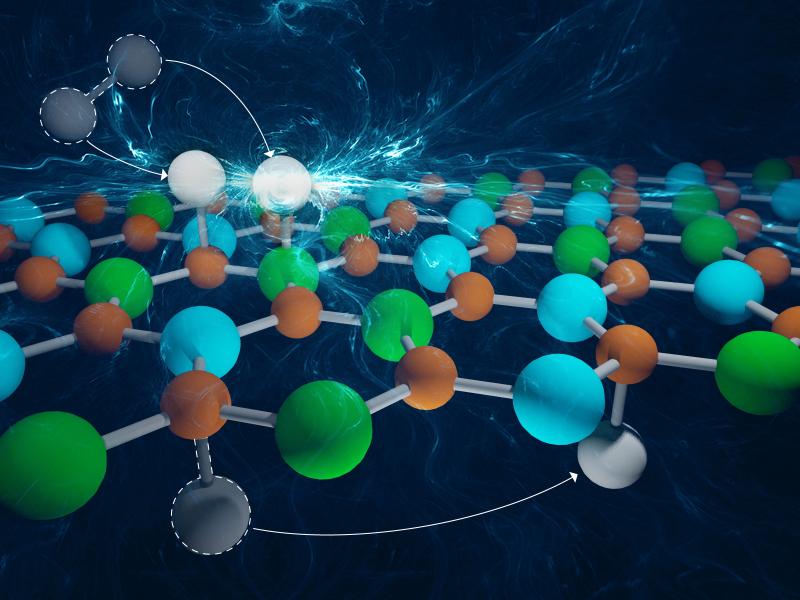
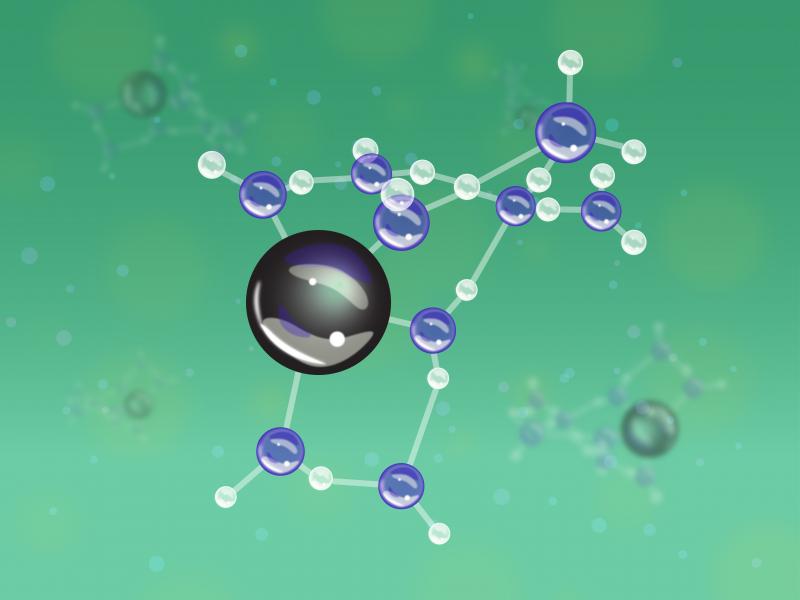
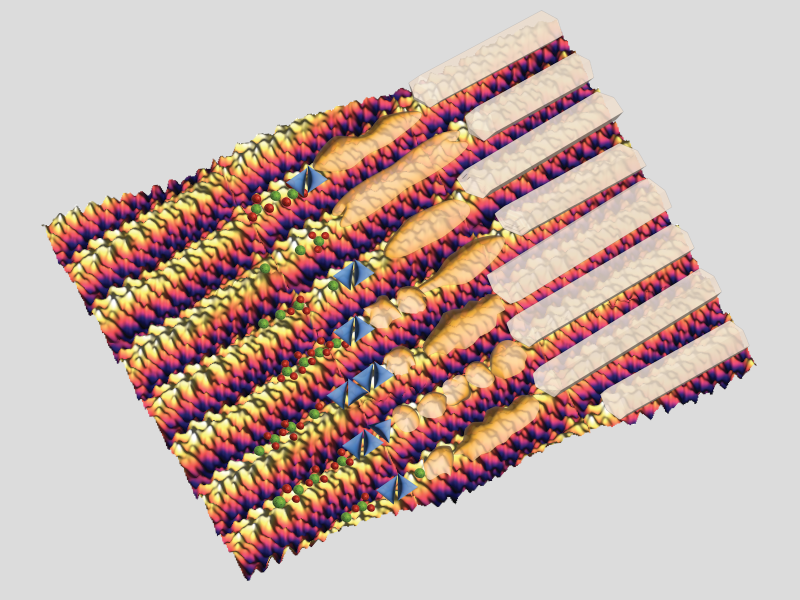
Newly funded research will look at the underlying science of controlling hydrogen interactions with two-dimensional materials composed of carbon, boron, and nitrogen.
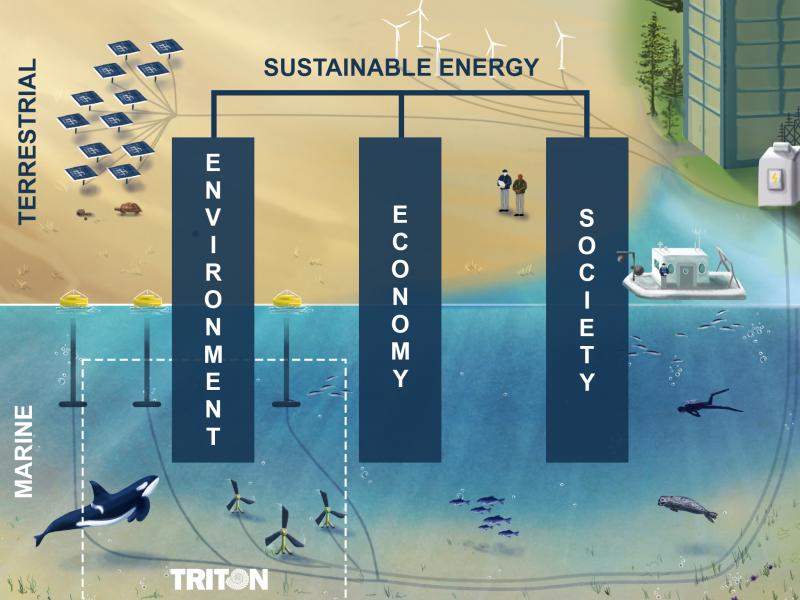
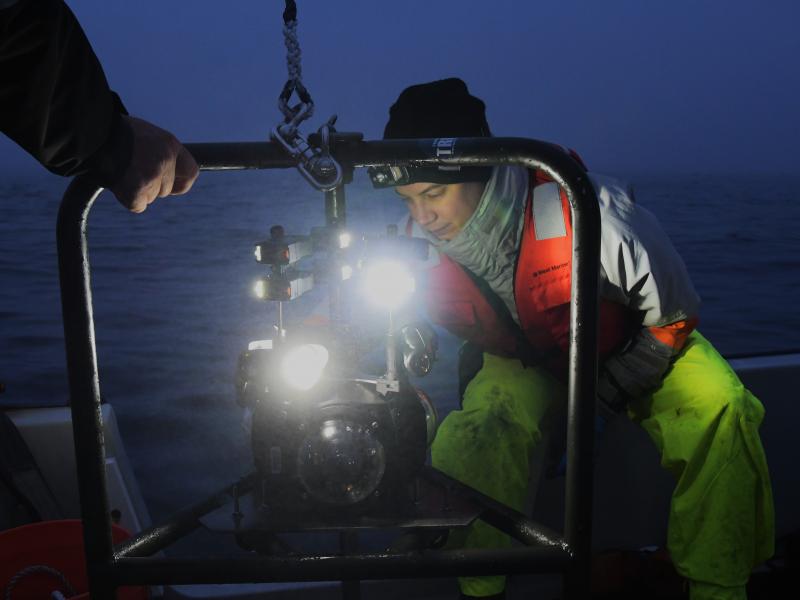
A Triton Story highlights the Triton Initiative's holistic marine energy environmental monitoring research, including considerations for energy sustainability and life cycle assessment next steps.
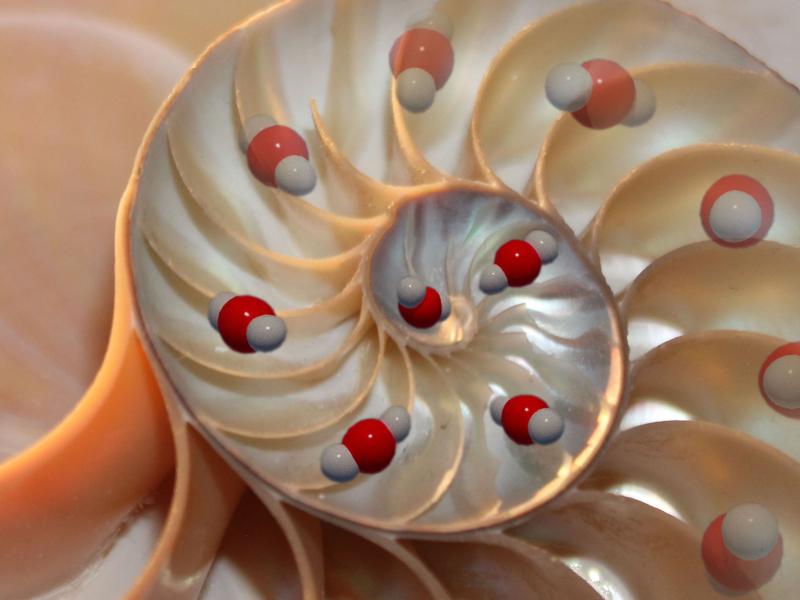
A process developed at PNNL that converts biomass and waste into a chemical intermediate or into gasoline, diesel, and jet fuel is available for commercial licensing.
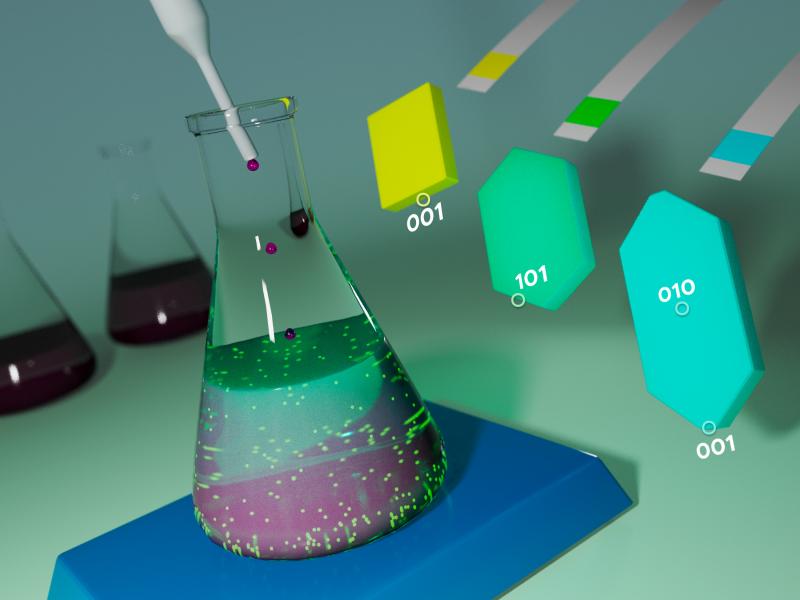
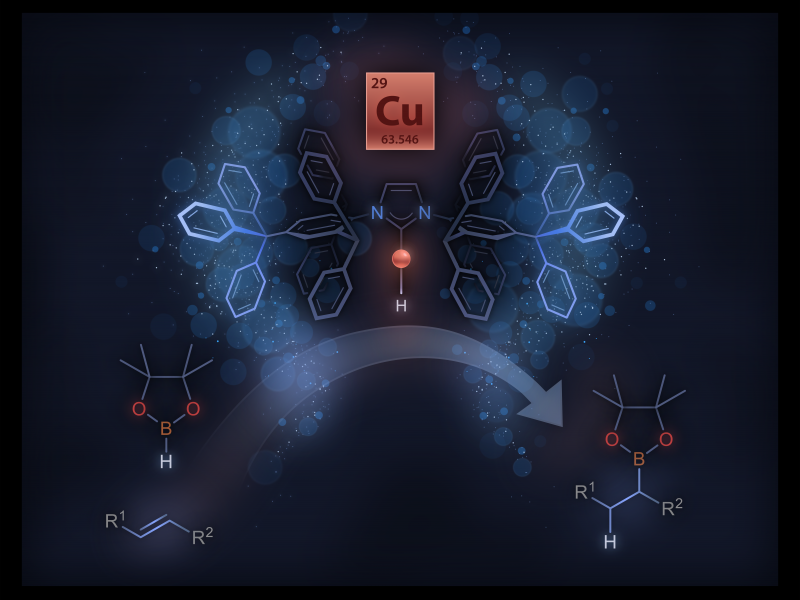
A new simple and scalable synthesis produces nanoparticle assemblies that can perform catalytic hydrogen sensing at room temperature for the first time.
The Triton Initative discusses special issue publications from the Triton Field Trials on environmental monitoring recommendations for marine energy applications.
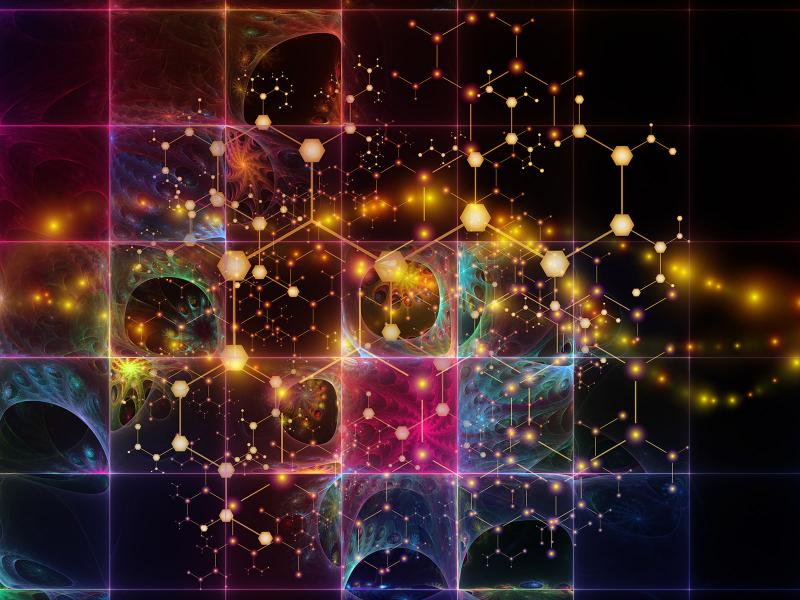
PNNL researchers developed a hybrid quantum-classical approach for coupled-cluster Green’s function theory that maintains accuracy while cutting computational costs.