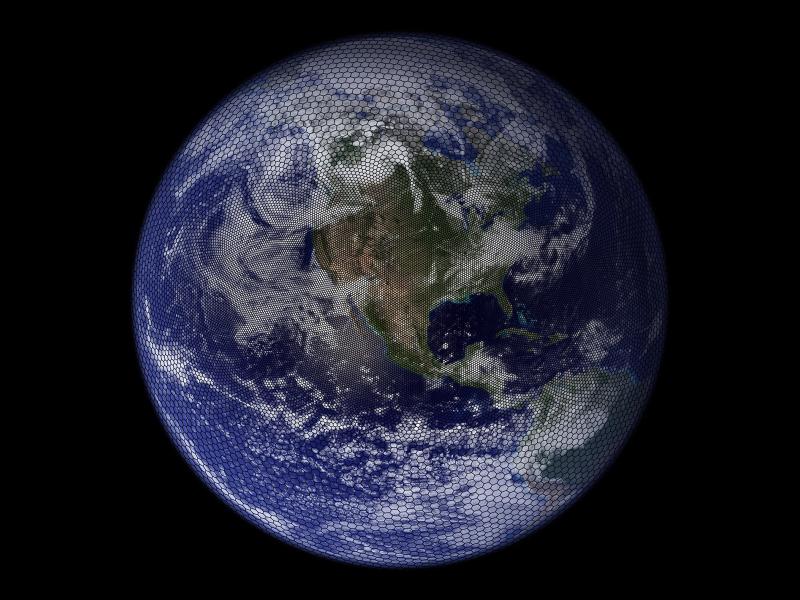
Randomly constructed neural networks can learn how to represent light interacting with atmospheric aerosols accurately at a low computational cost and improve climate modeling capabilities.
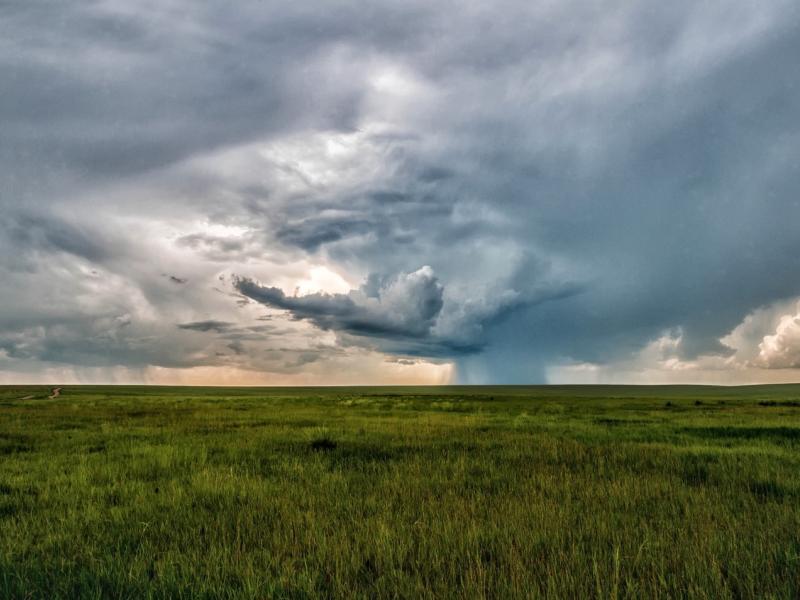
A success story of applying convergence testing to detect and address issues of numerical discretization in nonlinear representations of turbulence and clouds.
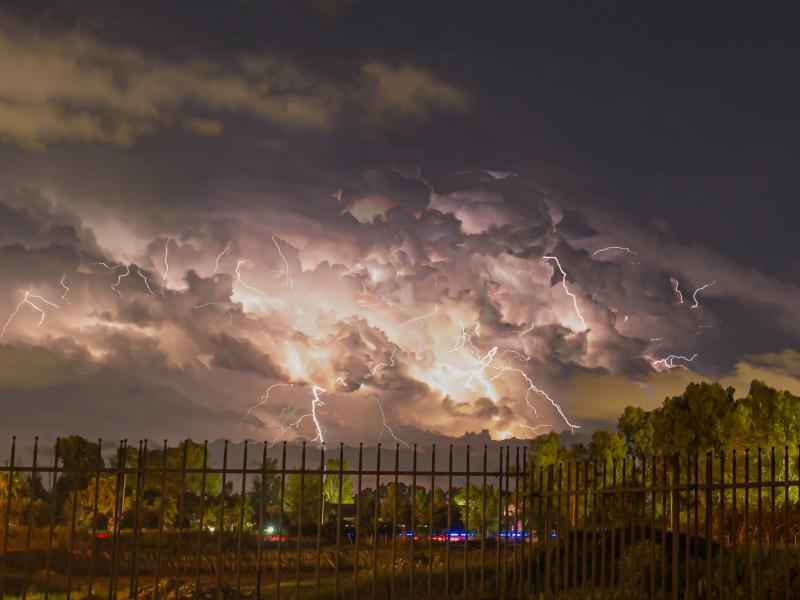
A new open-source feature tracking package is now available to facilitate advanced model evaluation, model development efforts, and scientific discovery.
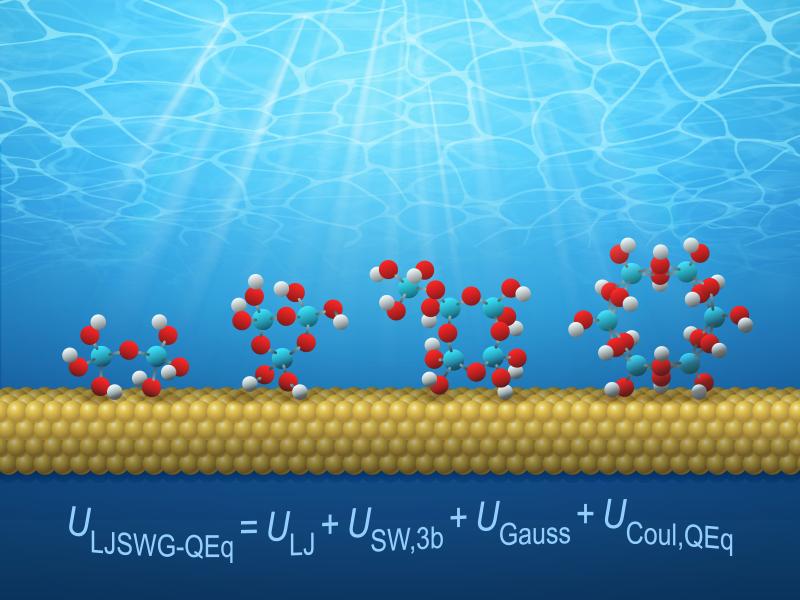
IDREAM research shows that keeping only the most important two- and three-body terms in reactive force fields can decrease computational cost by one order of magnitude, while preserving satisfactory accuracy.