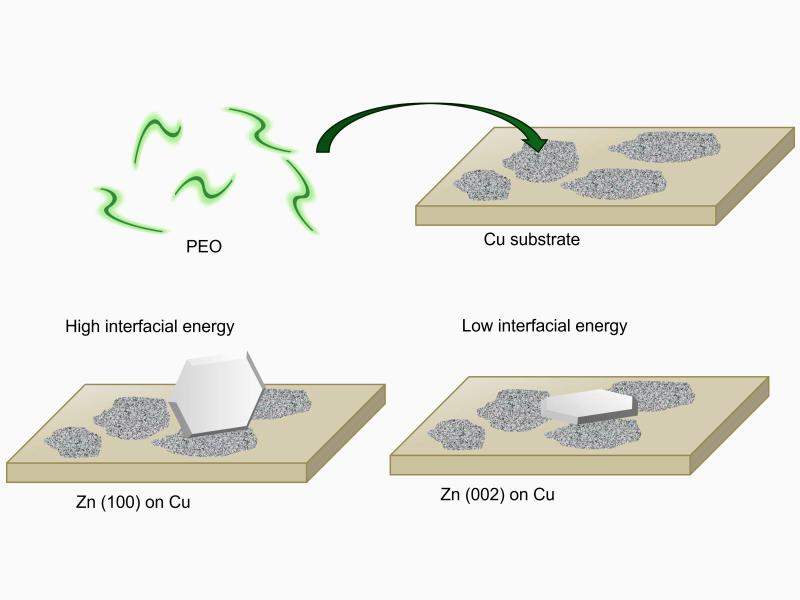
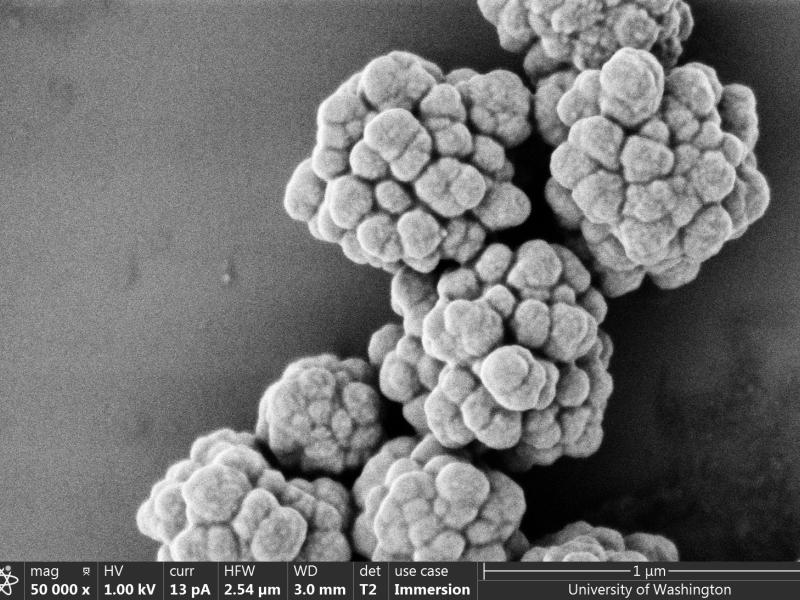
Researchers discovered that a polymer additive promotes smooth, layer-by-layer deposition on metal electrodes by tuning interactions with the substrate.
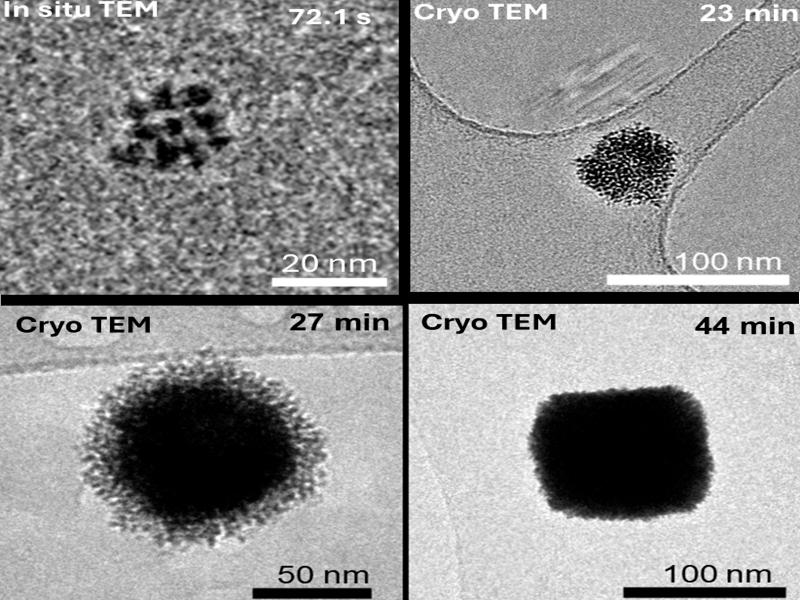
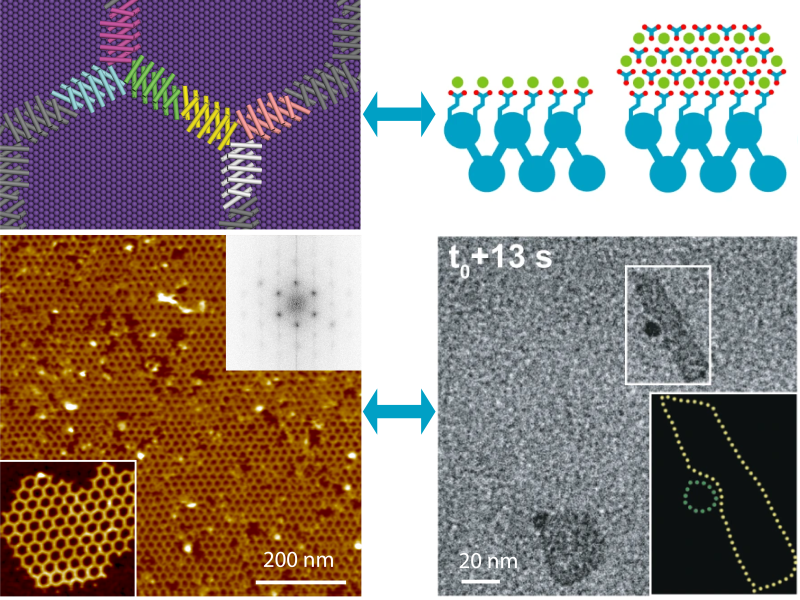
Summarizing the state of designed protein hybrid materials, researchers celebrate both the 50th anniversary of the MRS Bulletin and the 2025 Fred Kavli Distinguished Lecturers in Materials Science, Jim De Yoreo and David Baker.
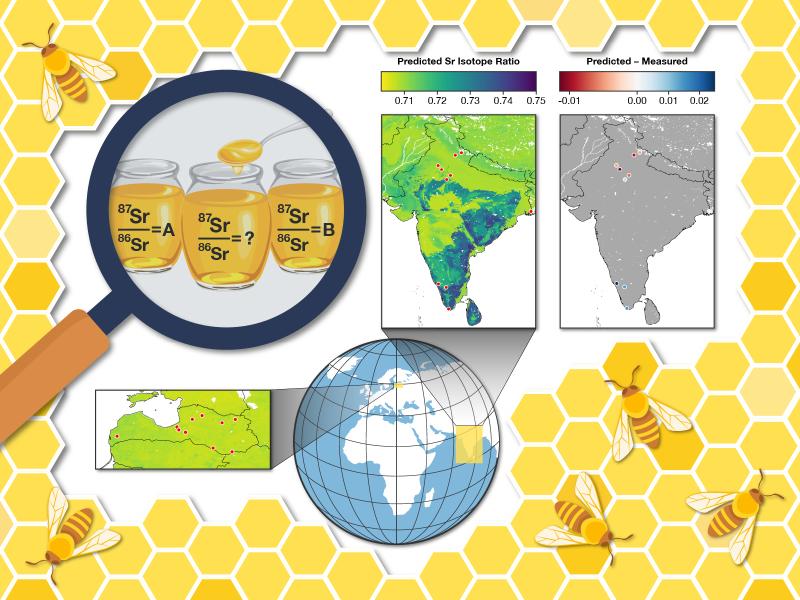
A study by researchers at PNNL assessed the feasibility of using strontium isotope ratios and an existing machine learning–based model to predict and verify a product’s source—in this case, honey.
PNNL researchers are exploring the kinds of flicker waveforms that the eye and brain can detect, seeking to understand the different visual and non-visual effects that result.
In the latest issue of the Domestic Preparedness Journal, Ashley Bradley and Kristin Omberg share how new research is shedding light on the scientific and technological challenges with detecting fentanyl.
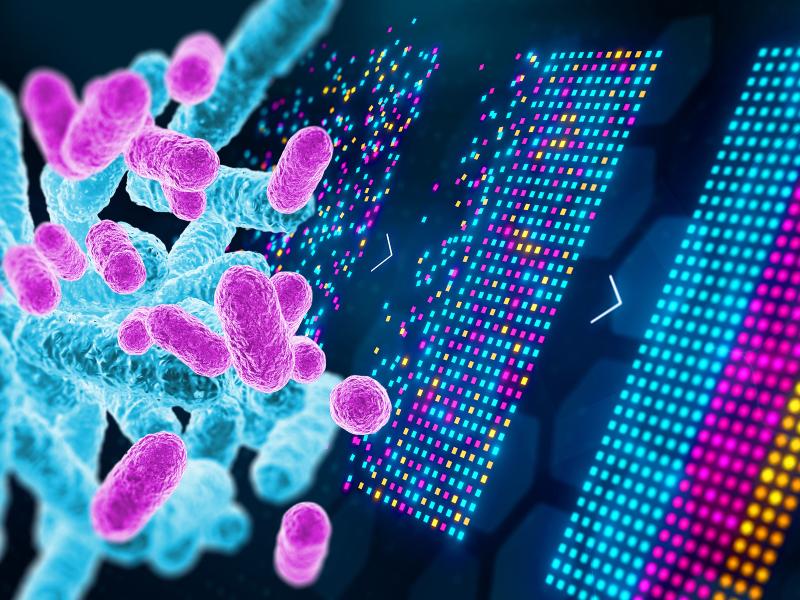
Research at PNNL and the University of Texas at El Paso are addressing computational challenges of thinking beyond the list and developing bioagent-agnostic signatures to assess threats.
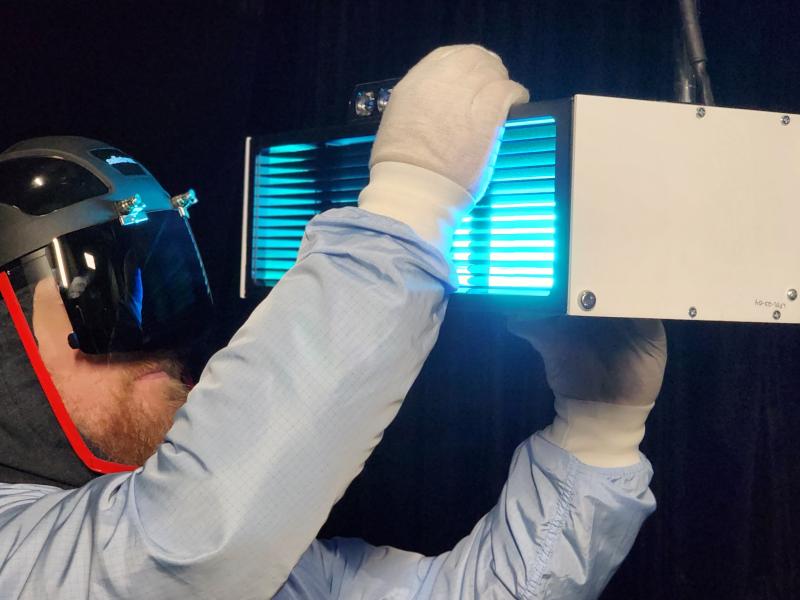
GUV can reduce transmission of airborne disease while reducing energy use and carbon emissions. But fulfilling that promise depends on having accurate and verifiable performance data.