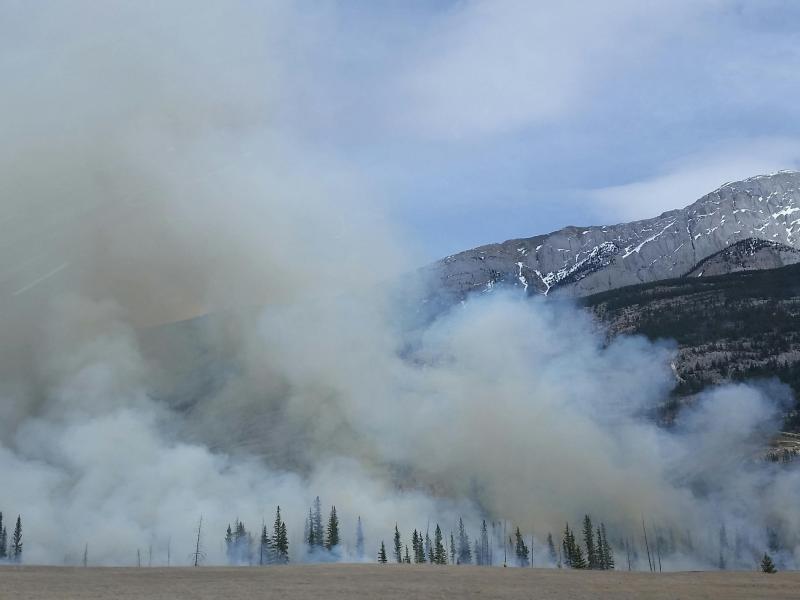
Early life exposure to polycyclic aromatic hydrocarbons (PAHs), found in smoke, has been linked to developmental problems. To study the impacts of these pollutants, PAH metabolism in infants and adults were compared.
Recycling polyolefin materials is challenging. One waste management strategy is plastic upcycling. New work demonstrates a single-step upcycling route coupling cracking and alkylation, recycling carbon and keeping valuable resources active.
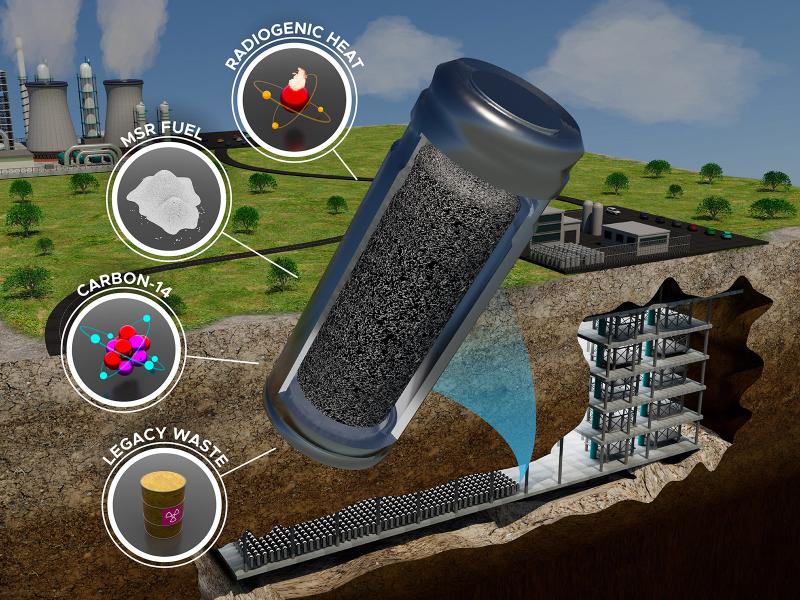
The Department of Energy Office of Nuclear Energy acting assistant secretary makes his first visit to a national laboratory in his new role, touring PNNL's Radiochemical Processing Laboratory.
Researchers used a combination of sophisticated laboratory incubations and field measurements to determine the role of microbial production and consumption of methane in soils with different exposure to tidal inundation
Researchers devised a quantitative and predictive understanding of the cloud chemistry of biomass-burning organic gases helping increase the understanding of wildfires.
Spatial proteomics enables researchers to link protein measurements to features in the image of a tissue sample, which are lost using standard approaches.
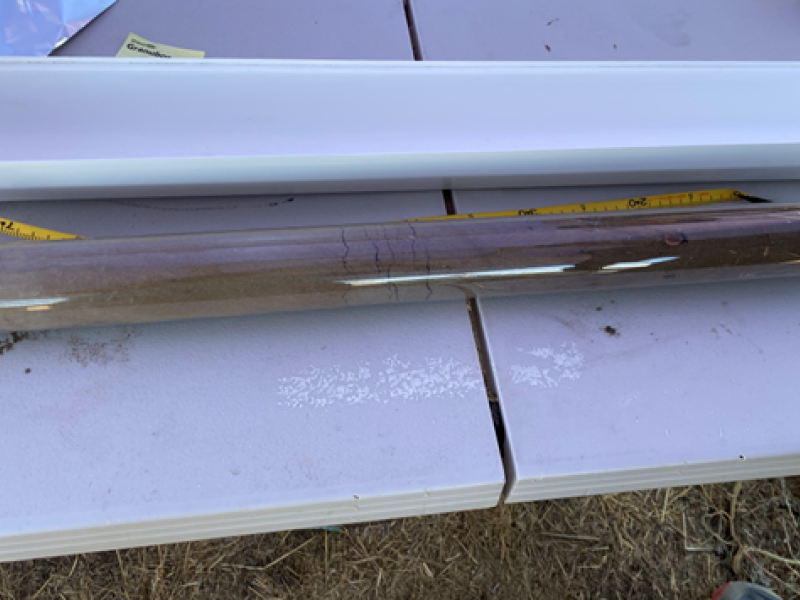
Soil is a massive reservoir of carbon, holding three times the amount of carbon than in the atmosphere. Soil is a massive reservoir of carbon, holding three times the amount of carbon than in the atmosphere.
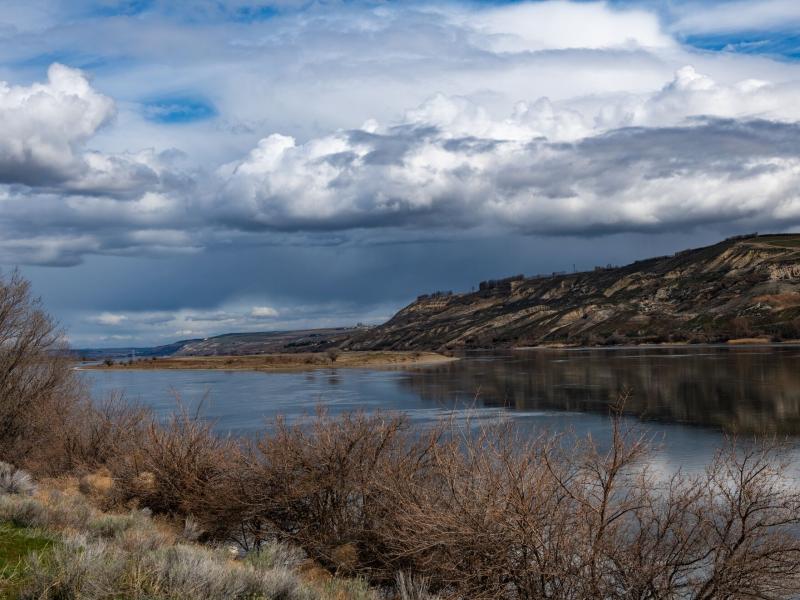
Metabolism metrics provide information about biological activity and carbon cycling in rivers. Conditions in large rivers differ from smaller rivers and require adjustments to existing methods.
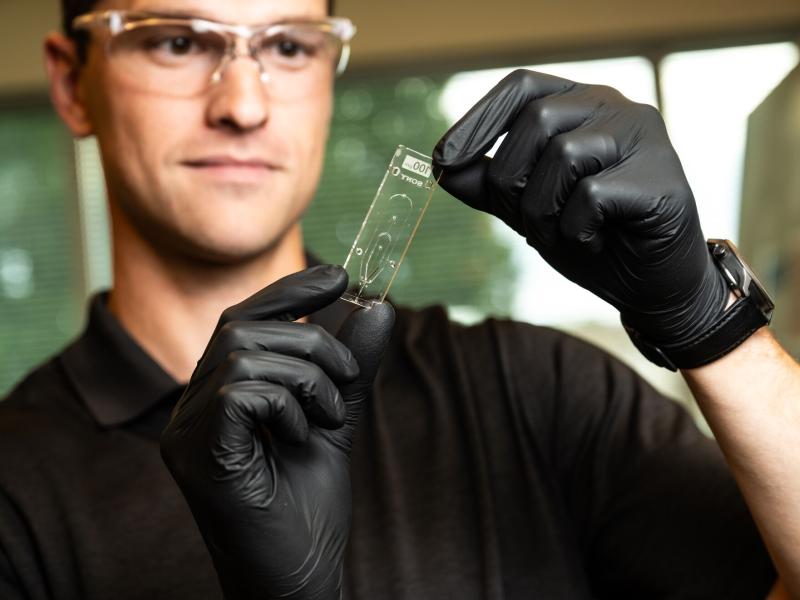
Scientists developed a process (or pipeline) that combined molecular probes—a specific chemical that binds to microbes carrying out a particular function—with a method that isolated these cells from their complex community.
High fidelity simulations enabled by high-performance computing will allow for unprecedented predictive power of molecular level processes that are not amenable to experimental measurement.
The diversity and function of organic matter in rivers at a large scale are influenced by factors, such as the types of vegetation covering the land, the energy characteristics, and the breakdown potential of the molecules.

![Image of the [4Fe-4S] cluster.](/sites/default/files/styles/thumbnail/public/media/image/Raugei%2C%20hero.jpg?h=08b866d1&itok=EJ1D9uUX)