Eric Smith, a Laboratory Fellow and program manager at PNNL, was selected for induction into the Academy of Distinguished Engineers at the 2026 Oregon Stater Awards Ceremony.
Chair of the NAE Materials Section, Jim De Yoreo brought together experts to explore how decades of materials innovation transformed the transistor into the foundation of modern technology.
The new Washington State Academy of Sciences electees from PNNL represent expertise in nuclear forensics, soil sciences, electricity infrastructure, and more.
PNNL recently led a team effort that secured external accreditation for the Office of Radiological Security Radiological Security Awareness and Response Communications Workshop.
Early career researchers recognized with Team Science Award by the Department of Energy for presentation highlighting the collaborative science performed by IDREAM.
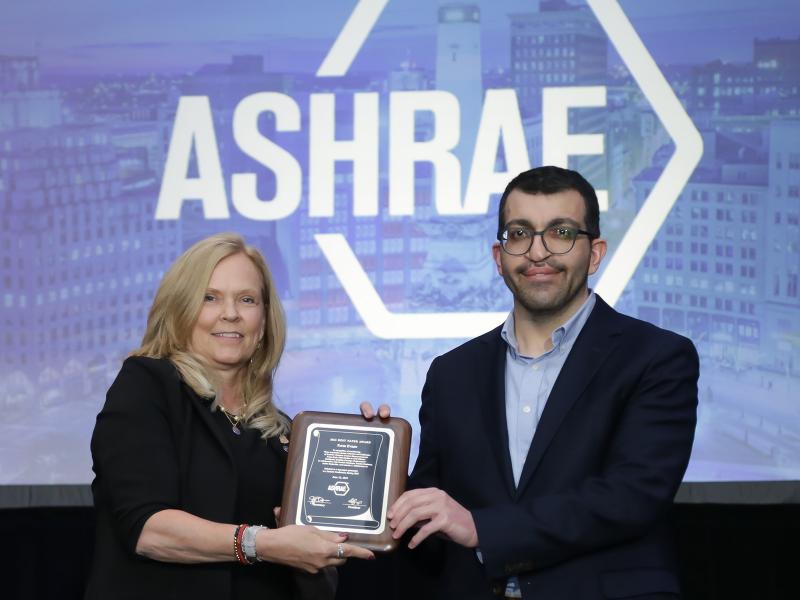
PNNL researchers continue to deliver high-quality, high-impact research on radioactive waste and nuclear materials management, earning “Papers of Note” and “Superior Paper” awards.
Four engineers at PNNL received awards for nuclear science presentations related to Hanford Site cleanup at the annual meeting of the world's leading organization for chemical engineering professionals.
PNNL researchers earned five Papers of Note, 17 Superior Papers, and one poster award for their environmental remediation, radioactive waste, and nuclear energy-related presentations.
Kriston Brooks received the 2023 Department of Energy Office of Classification Outstanding DC Award, which is given to those in the classification community who have made significant contributions.
Andrew White goes back to his alma mater, Georgia Tech, as young alumni keynote speaker for the Sustainability Showcase, part of the university’s larger Sustainable Development Goals Action & Awareness Week.
Harish Gadey, David Peeler, and Tom Brouns named to Waste Management Symposia Program Advisory Committee positions to help develop radioactive waste management discussions.
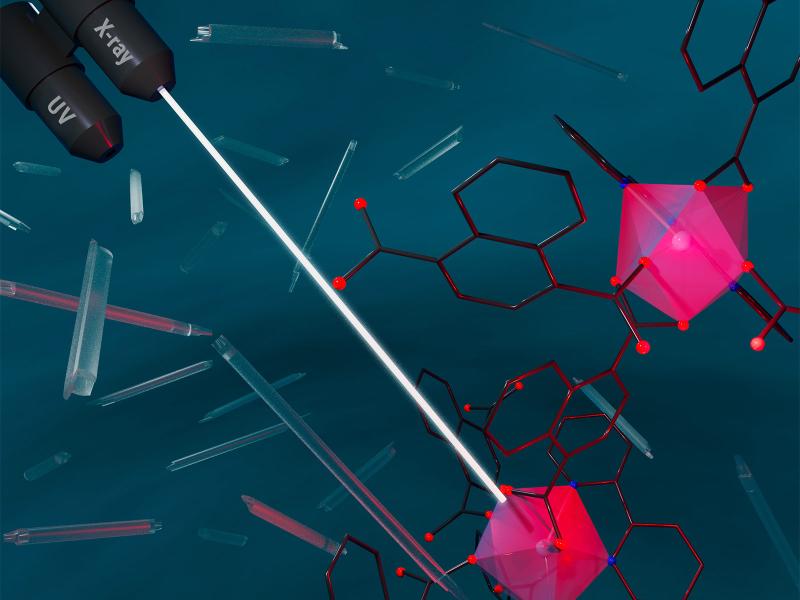
Making it on CrystEngComm’s HOT list, the article, “Designing scintillating coordination polymers using a dual-ligand synthetic approach,” highlights research on existing materials that are non-traditional scintillators.