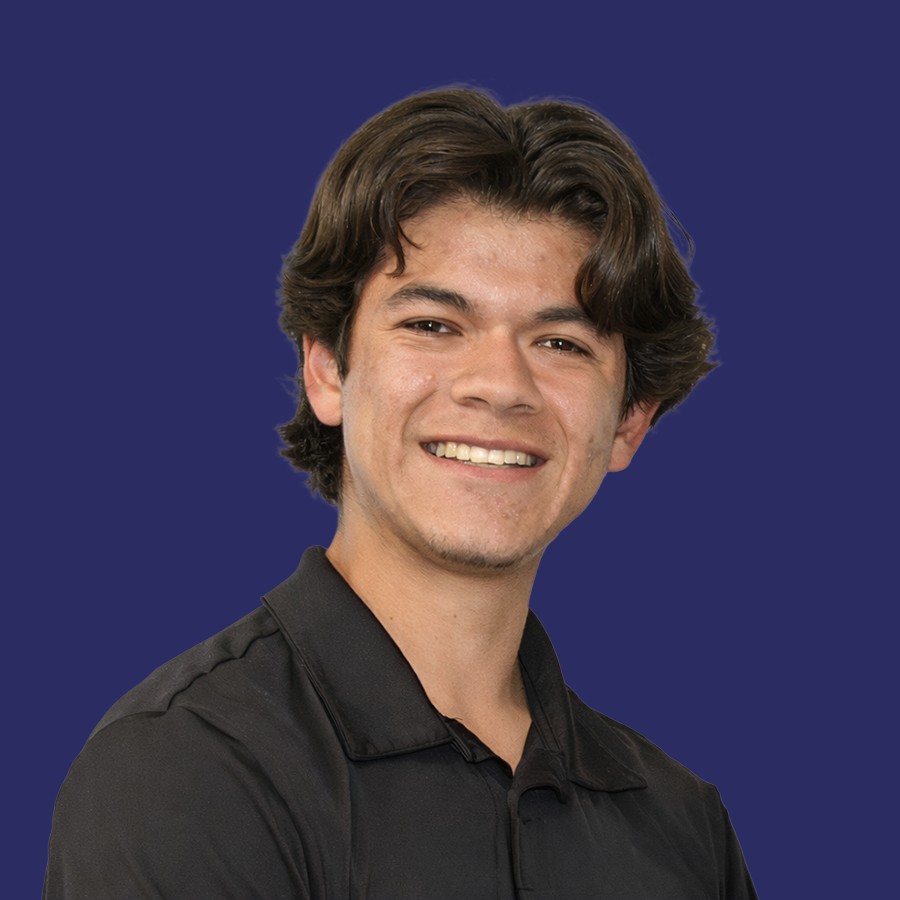
 | My name is Eli Alaniz. I have been a part of the Materials Control & Accountability (MC&A) Academy for just about two years thus far, and the internship opportunities it has facilitated have been some of the best professional experiences a college undergrad could ask for. I have had the great pleasure to intern at Los Alamos and Oak Ridge National Laboratories, while also getting to tour several other DOE-related facilities. These experiences have certainly prepared me for my career after I graduate, and I will always be thankful for what the Academy has done for me. |
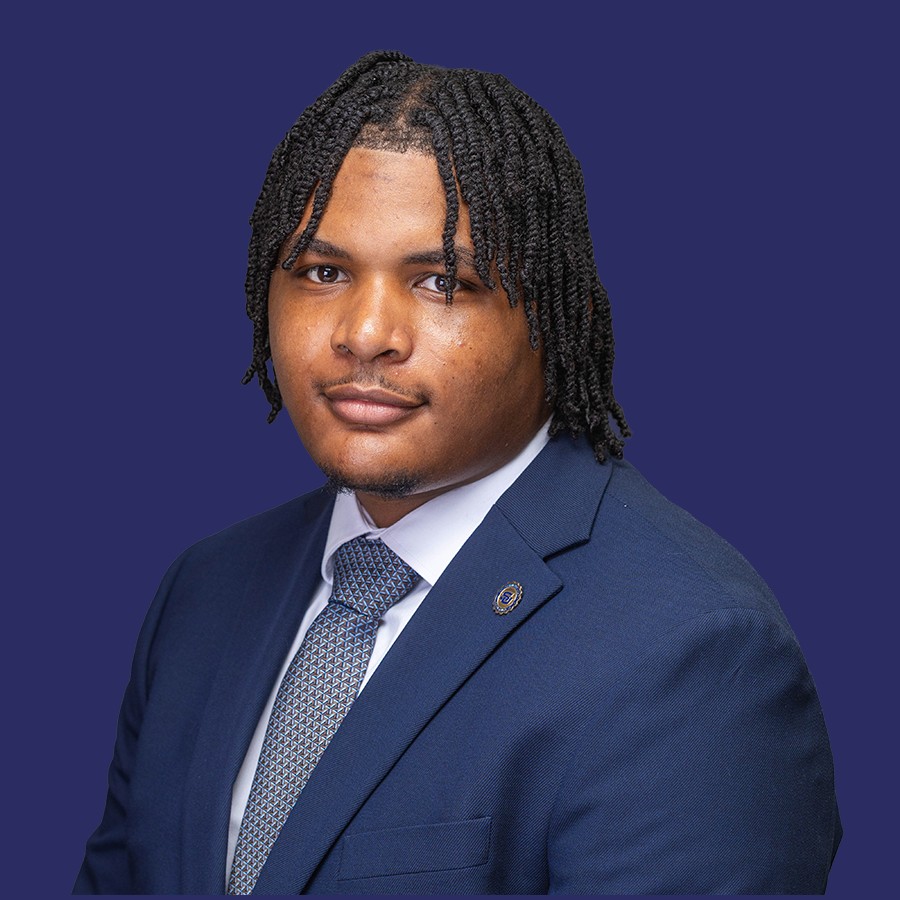 | Hi, I’m Ivan Anderson, a business management student at Southern University and A&M College. After completing the MC&A Academy, I strengthened my understanding of material control, accountability processes, and how accurate documentation supports the nation’s nuclear security mission. During my internship with Los Alamos National Laboratory, I supported MC&A operations through data entry, verification, and compliance-focused documentation. This experience confirmed my interest in contributing to national security through strong analytical, organizational, and operational support skills. |
 | Hi, my name is Joseph Antonetti, and I am a chemical engineering student at Texas A&M University. After completing the MC&A Academy, I spent the remainder of my summer at Lawrence Livermore National Laboratory (LLNL). The Academy provided a strong foundation in MC&A, while also allowing me to build valuable connections with peers and mentors. At LLNL, I saw how these principles are applied in real-world environments, deepening my understanding of the complexities of the nuclear security enterprise, while also giving me a series of opportunities to see some of the coolest places in the world of engineering. This experience strengthened my interest in continuing with MC&A, and I highly recommend the MC&A Academy to students interested in materials control or any national nuclear industry. |
 | Hi! I’m Krish Anand, an aerospace engineering student at Auburn University. After completing the MC&A Academy, I spent the summer working in MC&A, where I applied a rigorous technical mindset to real-world nuclear security challenges. The Academy’s fast-paced, hands-on curriculum—spanning safeguards, accountability systems, and case studies—gave me a strong foundation that I immediately put to use supporting our nation’s nonproliferation mission. At Los Alamos National Laboratory, I built on that training by learning how measurement methods and accounting systems work together to ensure nuclear material is accurately tracked and protected. Collaborating with experienced mentors and peers, I strengthened my quantitative problem-solving, attention to detail, and systems thinking—skills that translate naturally from aerospace to MC&A. This experience confirmed my passion for applying a technical engineering background to national security. It’s been pivotal to my professional and academic growth, and I’m excited to keep contributing in this space. If you’re considering the MC&A Academy, I highly recommend it—the instructors, pace, and practical exposure make it an exceptional launchpad. |
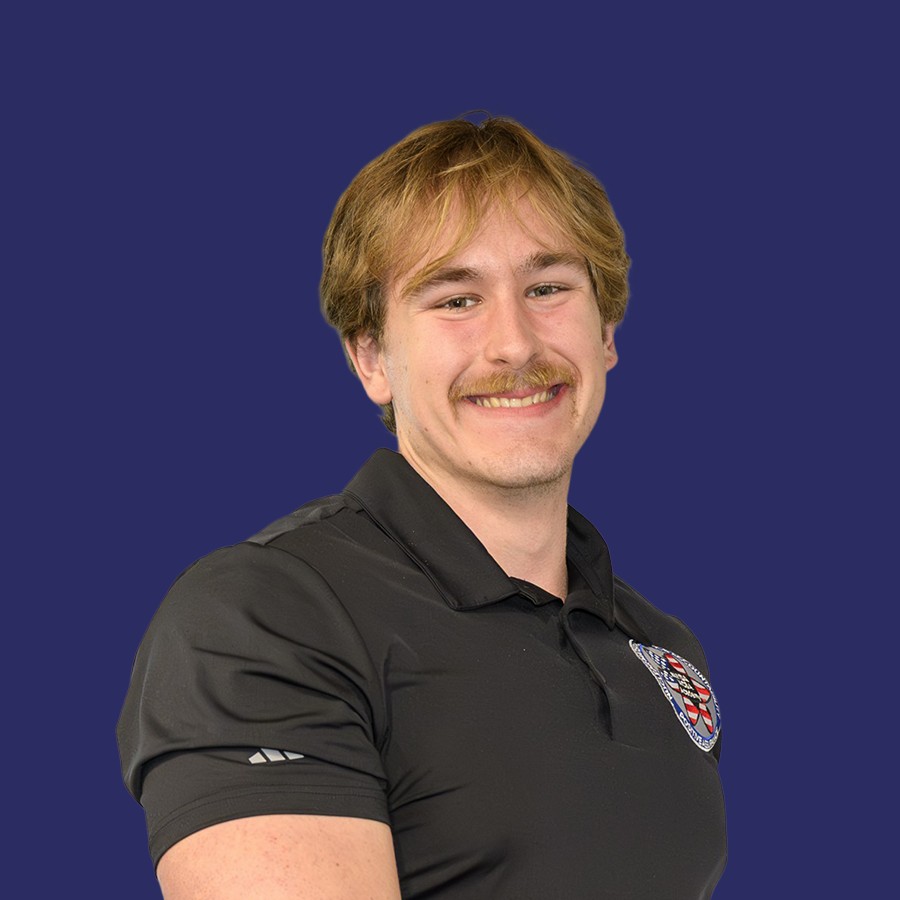 | My name is Matthew Cory, and the MC&A Academy was an exceptionally valuable experience through both my internship at the host site and the academy coursework. The internship provided meaningful exposure to the full scope of MC&A operations, allowing me to develop practical skills while gaining insight into real-world applications alongside a knowledgeable and supportive team of professionals. The academy courses, taught by an experienced team, added significant depth to the material. Additionally, collaborating with peers from diverse academic backgrounds enriched the experience and fostered a strong sense of community. |
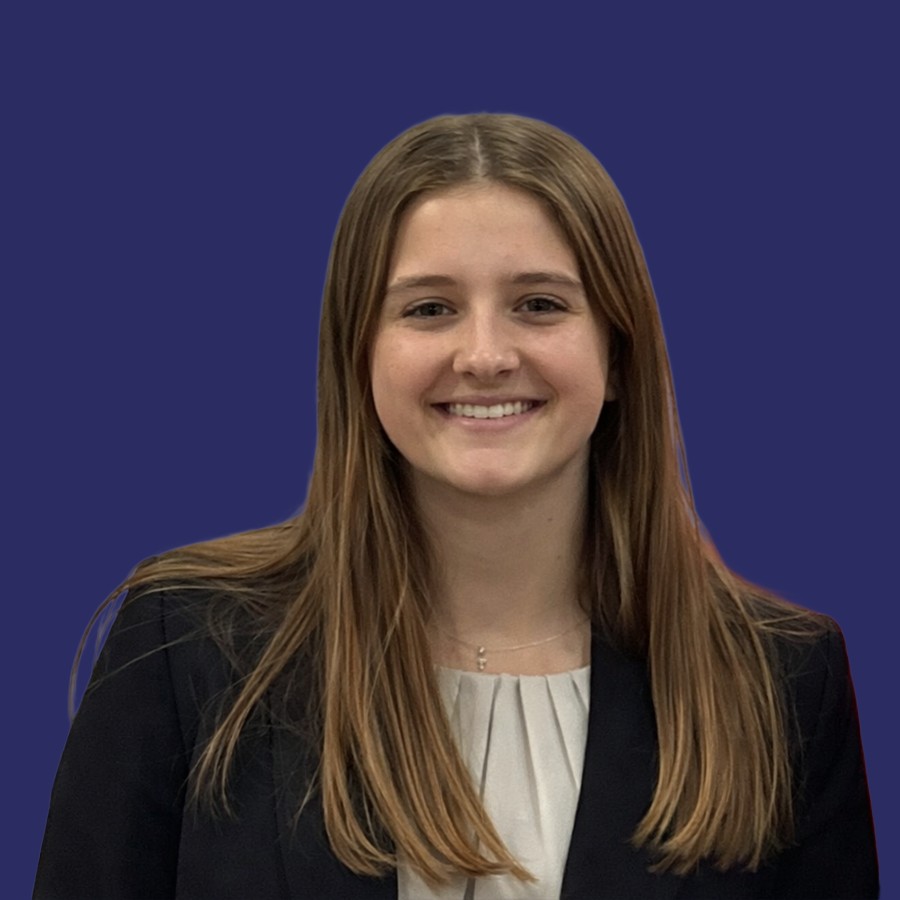 | Hello all. My name is Bri Lannerd, a nuclear engineering and physics student at the University of Tennessee in Knoxville. I had the opportunity after my freshman year to be a part of the MC&A Academy and internship program. I learned about the academy from an email sent out to our department by the associate department head. I had the opportunity to join Zoom sessions about the academy and decided to apply immediately after that. My internship site was at Y-12 National Security Complex, and the academy was hosted at Oak Ridge National Lab. My internship allowed me to explore all sides of MC&A, but I was particularly drawn to the measurements team because of its application to my major. I spent the summer learning about the use of radiation detection in material control and accountability. I gained hands-on experience with sodium iodide detectors such as Flir Identifinders and RadEaglets. Almost daily, I had the opportunity to go in the field with the measurements team to actively learn about door openings, holdup measurements, and go-no-go decisions. As a final project, I collaborated with the other interns to create a loss of material control scenario that we ran as the administrators of the scenario. We had members from almost every subgroup of MC&A at Y-12 participate. My time at the academy, which occurred a week and a half after my first day at Y-12, allowed me to fully understand the scope and importance of MC&A. I met other interns from across the complex and became fast friends with many of them. We were instructed in DOE classes such as nondestructive assay for assessors and metallurgy. The academy offered many fun tours, such as a visit to the high-flux isotope reactor at Oak Ridge National Laboratory. There are also fun, optional trips on the weekends such as visits to nature areas or theme parks. After the summer was over, I was given the opportunity to continue my on-site internship part-time during the school year. This has allowed me to truly apply all the knowledge I learned over the summer in MC&A. Although I had been assigned one mentor at the beginning of the summer, I always felt like I had 5 mentors constantly willing to answer questions and guide me in what they do. I currently serve as an ambassador for the academy, because I am passionate about promoting an experience that had such a positive impact on me personally and professionally. |
 | Greetings! My name is Casey MacDonald Risner, and I’m pursuing a BS in Nuclear Engineering with a minor in Nuclear Safety from the University of Tennessee, Knoxville. I joined the MC&A Academy the summer after my sophomore year of college. My first host site was Oak Ridge National Laboratory, where I had the opportunity to study gamma spectroscopy techniques from the Nondestructive Measurement Science and Technology Group. I then attended classes at the National Training Center in Albuquerque, New Mexico, and I was provided with learning experiences at both Sandia National Laboratories and Los Alamos National Laboratory. My junior year, I was allowed to continue my internship at Oak Ridge National Laboratory part-time between classes. During winter break, the MC&A Academy provided a weeklong experience at Lawrence Livermore National Laboratory, where we got to tour the National Ignition Facility and The Superblock. I then had the opportunity to switch host facilities to the Y-12 National Security Complex the summer after my junior year. My senior year, I continued during the school year part-time at Y-12 while participating as an ambassador for the program. I attended both the STEM Expo at the University of Tennessee, Knoxville, and National Security Day at Tennessee Tech University to recruit potential applicants to the MC&A Academy program. I have now accepted a full-time offer to work at Y-12 upon my graduation in their MC&A department. The MC&A Academy program was instrumental in developing a beneficial career trajectory for me post-graduation, and I highly recommend the program to all undergraduates interested in nuclear material control and nonproliferation opportunities! |
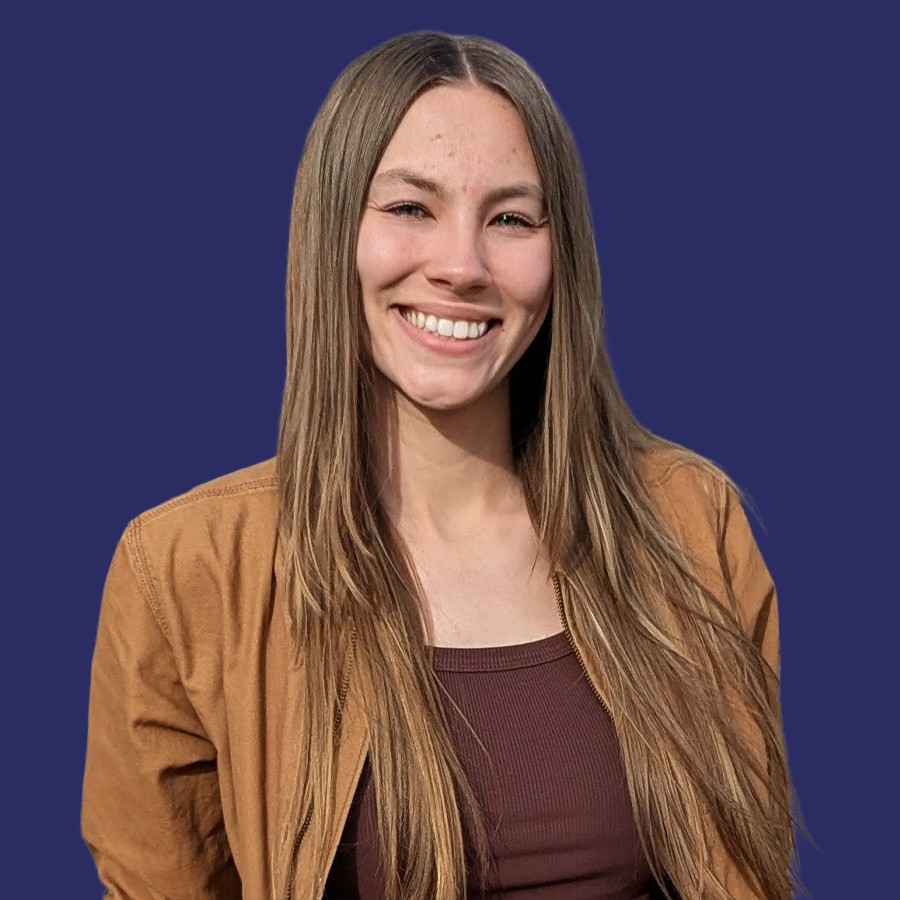 | Hi! My name is Marissa McCulloch, and I’m pursuing a degree in Chemistry and minors in information systems and management at Eastern New Mexico University. I’ve spent my past three summers working at Los Alamos National Laboratory (LANL) supporting our country’s nonproliferation mission on the program management side. Last summer, I was looking to transition into work that better aligned with my technical degree; thus, the MC&A Academy provided an incredible opportunity to learn about the technical side of nuclear security and to support our nation. During my internship at LANL, I focused on understanding MC&A through the lens of program management, including how the lab utilizes its accounting systems and measurement methods to ensure nuclear material is properly tracked and safeguarded. Next, I traveled to Oak Ridge, Tennessee, to begin the 2.5-week long MC&A Academy. I met other interns with similar experiences and truly enjoyed the fast-paced learning and interactive environment of the Academy. We covered everything from nuclear safeguards and accountability systems to real-world case studies. This experience was exemplified by the incredibly knowledgeable instructors who were so passionate about sharing their experiences. Overall, this experience inspired me to apply my chemistry background to contribute my skills to our nation’s security. It was such a valuable experience in both my professional and academic journey. If you’re thinking about applying to the MC&A Academy, I can’t recommend it enough! |
 | Hi! My name is Hallie Motley, and I’m a management student at George Mason University interested in nuclear security. During the MC&A Academy, I focused on the accounting side of material control and accountability, learning how nuclear materials are tracked, verified, and safeguarded. The program gave me a deeper appreciation for the systems and the attention to detail that is required to support national security. Overall, it was an incredibly valuable experience that strengthened my interest in contributing to this mission in the future. |
 | Hi! I’m Nathan Stout. After serving in the Navy for almost a decade, I left to pursue a degree in Electrical Engineering at Arizona State University. During my search for an internship, I discovered the MC&A Academy. I was immediately drawn to the technical side of nuclear security because of my background in engineering, and I was excited to be involved with a program that made a real difference for the nation. I was interviewed and placed at the Savannah River Site in South Carolina for the summer of 2025 to work on a project supporting nuclear security on-site. After a week of check-in processing—I was flown to Oak Ridge, Tennessee, for the MC&A Academy for a few weeks. There, the Academy students met at Oak Ridge National Laboratory and learned, among other things, about the different classifications of nuclear material, how to perform measurements on nuclear material, and how material is inventoried and accounted for. We toured the Y-12 National Security Complex and saw firsthand the first stages of reactor fuel fabrication before spending our weekend at the Dollywood Theme Park. After flying back to South Carolina, I spent the rest of the summer developing performance tests for a robotic inspection system currently in R&D. My team was incredibly kind and knowledgeable, and I really felt like my experience and input was valued. I’m excited to be involved again in 2026 and learn from the team at the Nevada National Security Site. |
Where Are They Now
 | Hi, my name is Ben Passyn. I am currently a Virginia Tech graduate student. I finished my BS in mechanical engineering in Spring 2025 and am now pursuing a PhD in nuclear engineering with the nuclear materials and fuel cycle group. My time with the NNSA MC&A Academy was extremely valuable to my educational and professional development. I established many valuable connections, as well as learned about key aspects regarding the handling and management of nuclear materials that will serve me well throughout my career. The NNSA staff in charge of the MC&A Academy were the best possible team to provide me insight on the inner workings of the NNSA and learn from about best practices in regards to proper control and accountability standards with regards to nuclear materials. |