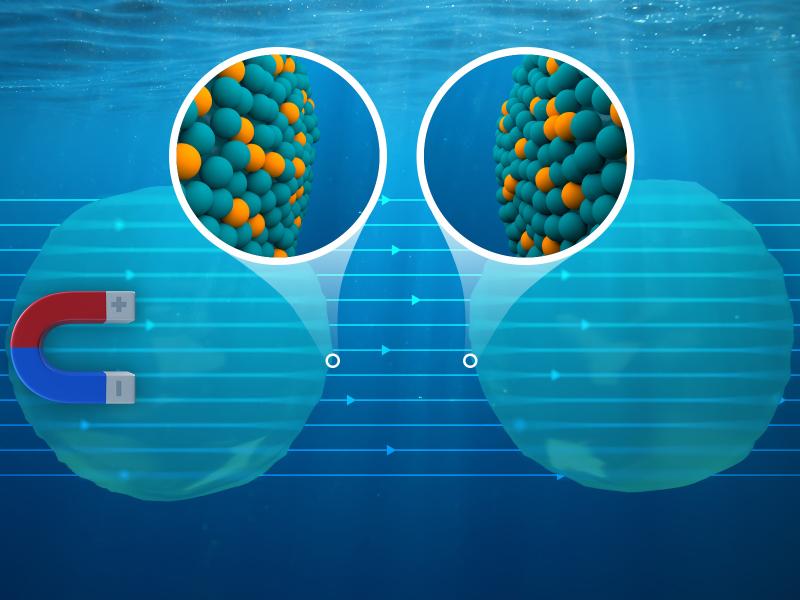
Localized gradients in magnetic fields have long-range effects on the concentration of rare earth ions in solution, facilitating field-driven extraction of critical minerals.
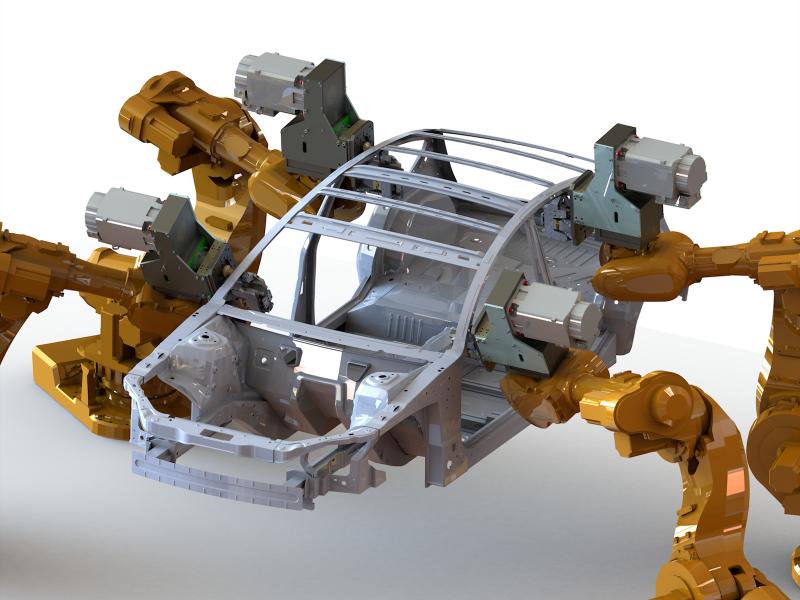
A breakthrough at PNNL could free friction stir from current constraints—and open the door for increased use of the advanced manufacturing technique on commercial assembly lines.
Nanoscale domains of magnetically susceptible critical materials encounter enhanced magnetic interactions under external magnetic fields, providing a promising new avenue for separations.
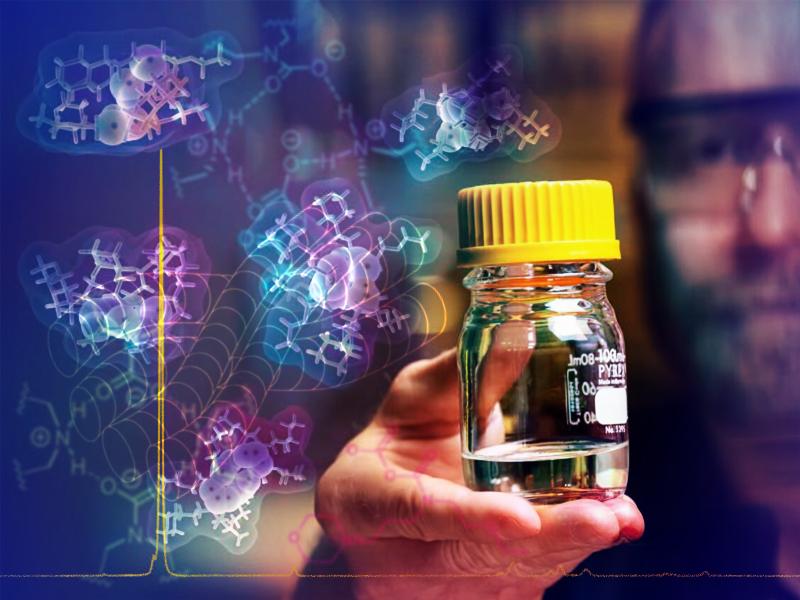
David Heldebrant was selected for the 2025 Distinguished Service Award from the American Chemical Society Division of Energy & Fuels, recognizing his impact to energy and fuels chemistry.
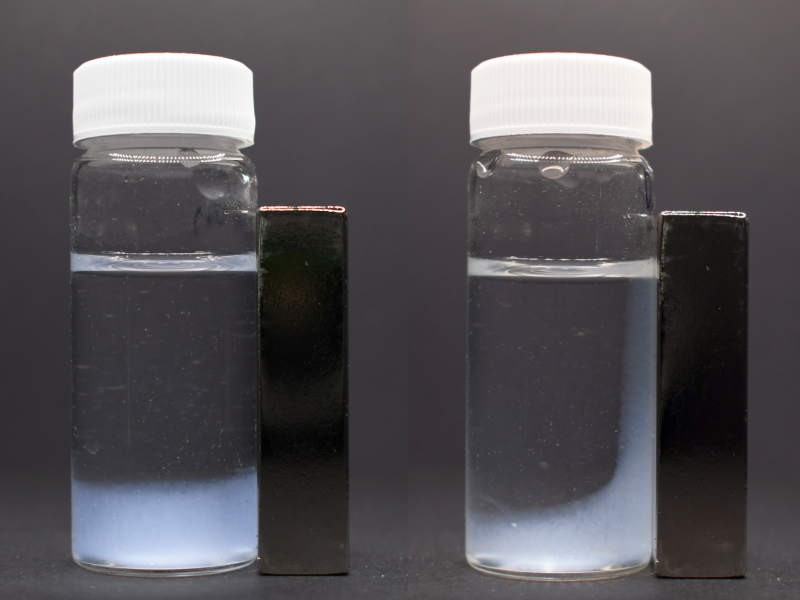
A PNNL team has developed an energy- and chemical-efficient method of separating valuable critical minerals from dissolved solutions of rare earth element magnets.
By combining computational modeling with experimental research, scientists identified a promising composition that reduces the need for a critical material in an alloy that can withstand extreme environments.
PNNL researchers have developed a new, physics-informed machine learning model that accurately predicts how heat accumulates and dissipates during friction stir processing.
The surface oxygen functionality of graphene oxide may be tuned using ultraviolet light, affecting how differently charged ions move through the material.
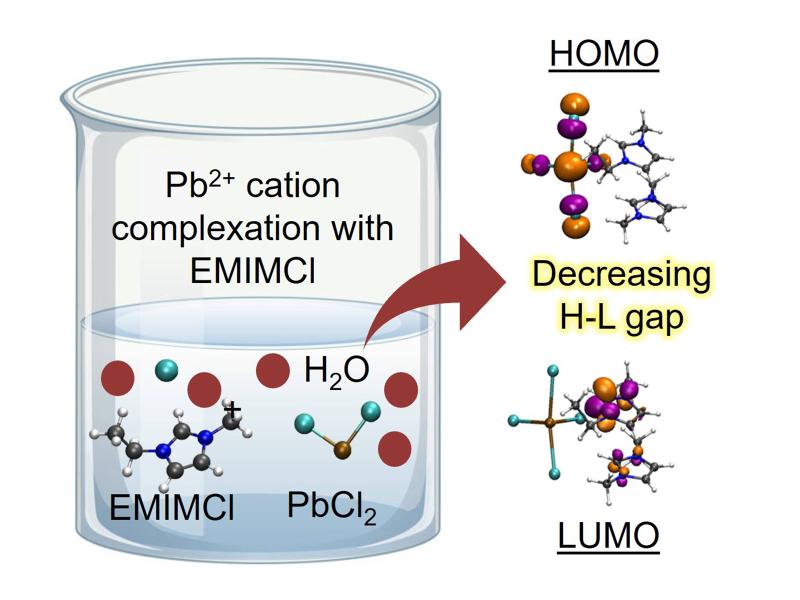
Practical decontamination of industrial wastewater depends on energy-efficient separations. This study explored using ionic liquids as part of the process, enabling efficient electrochemical separation from aqueous solutions.
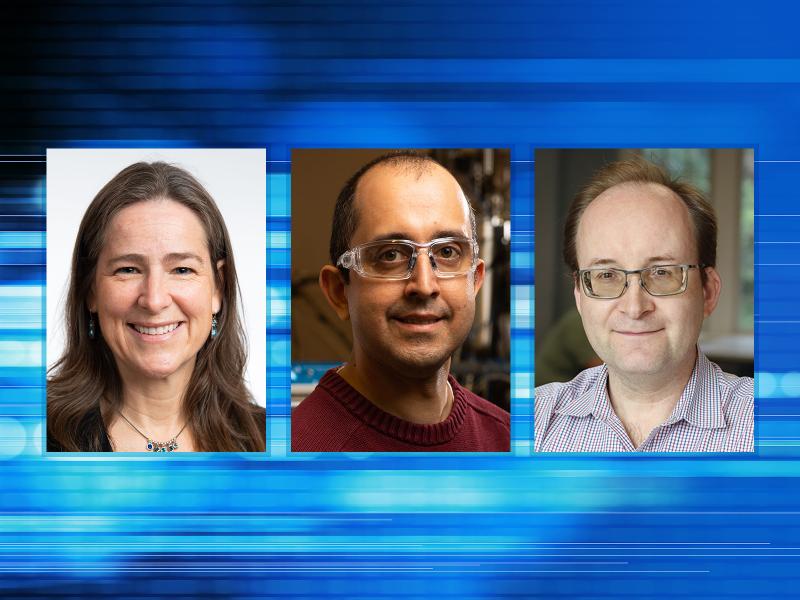
Three PNNL-affiliated researchers have been named fellows of the American Association for the Advancement of Science, the world’s largest multidisciplinary scientific society.