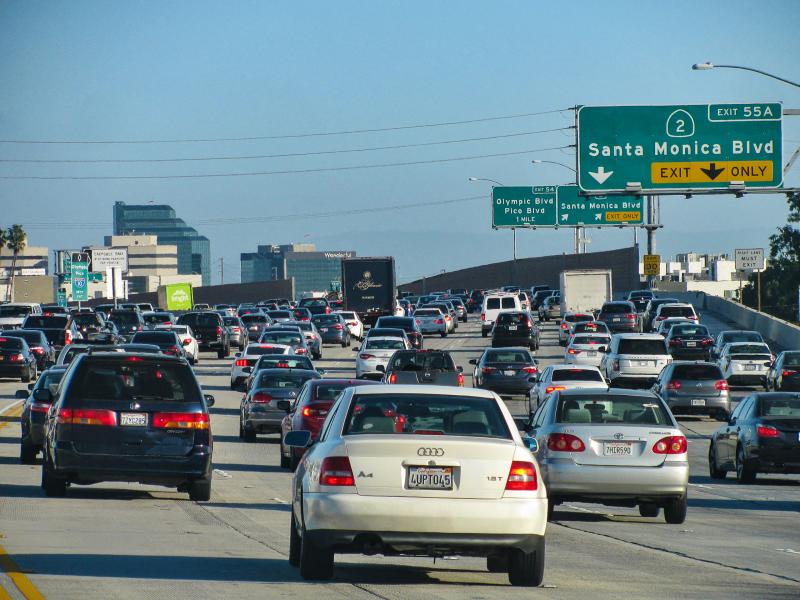
Using public data from the entire 1,500-square-mile Los Angeles metropolitan area, PNNL researchers reduced the time needed to create a traffic congestion model by an order of magnitude, from hours to minutes.
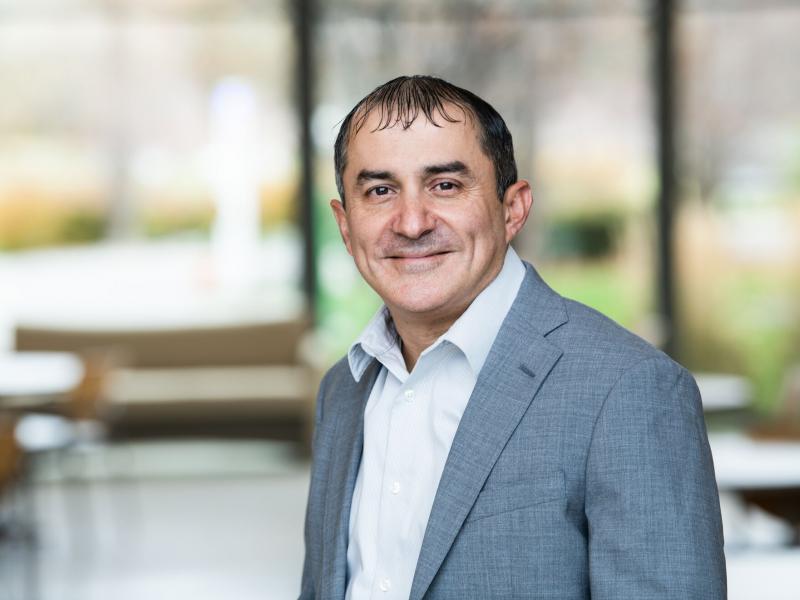
Rey Suarez was the keynote speaker at the Preparatory Commission of the Comprehensive Nuclear-Test-Ban Treaty Organization’s Specialized Technical Meeting on Preventive and Predicative Maintenance of the International Monitoring System.
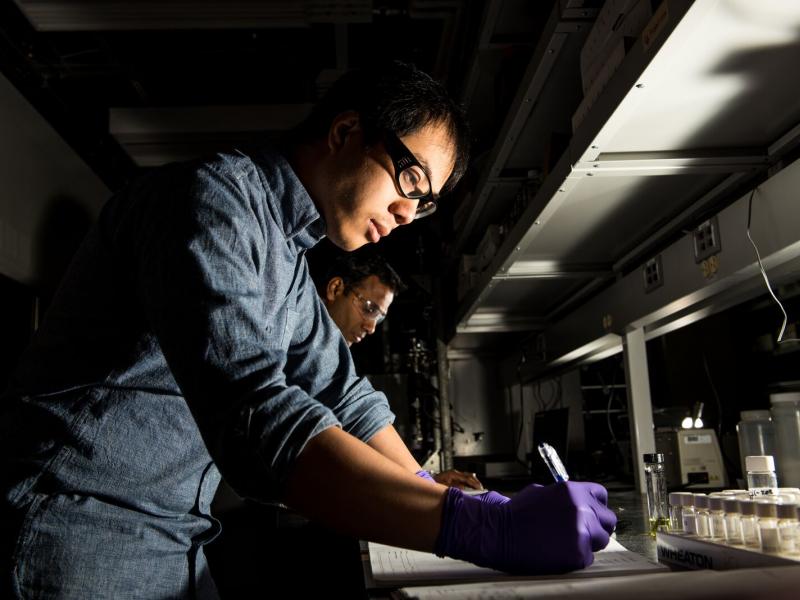
PNNL scientists have developed a catalyst that converts ethanol into C5+ ketones that can serve as the building blocks for everything from solvents to jet fuel.
Brian Milbrath, a physicist in PNNL’s National Security Directorate, was named a senior member of the Institute of Electrical and Electronics Engineers (IEEE).
In recognition of Nuclear Science Week on Oct. 19-23, Pacific Northwest National Laboratory reflects on more than half a century of advancing nuclear science for the nation’s energy, environment, and security frontiers.
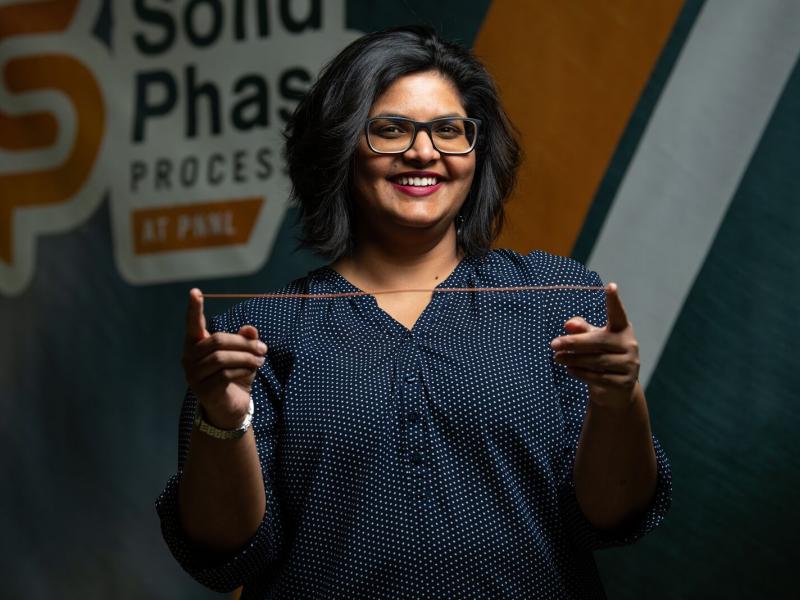
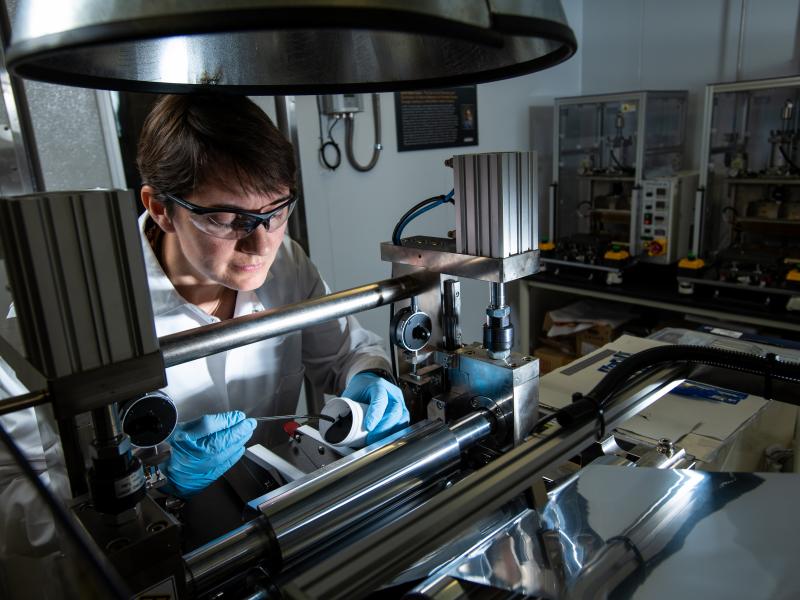
Researchers at PNNL have increased the conductivity of copper wire by about five percent via a process called Shear Assisted Processing and Extrusion. General Motors tested the wire for application in vehicle motor components.
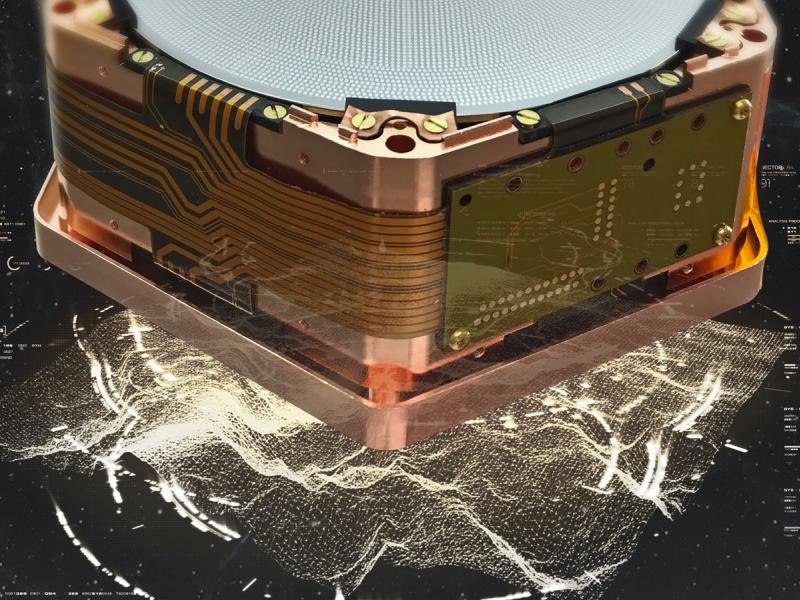
Radiation from natural sources in the environment can limit the performance of superconducting quantum bits, known as qubits. The discovery has implications for quantum computing and for the search for dark matter.
A cadre of physical scientists, engineers and computing experts at Pacific Northwest National Laboratory is poised to participate in the launch of three new DOE Office of Science-sponsored quantum information science research centers.
Yong Wang, associate director of PNNL’s Institute for Integrated Catalysis, has been recognized with 2021 American Chemical Society’s E.V. Murphree Award in Industrial and Engineering Chemistry.
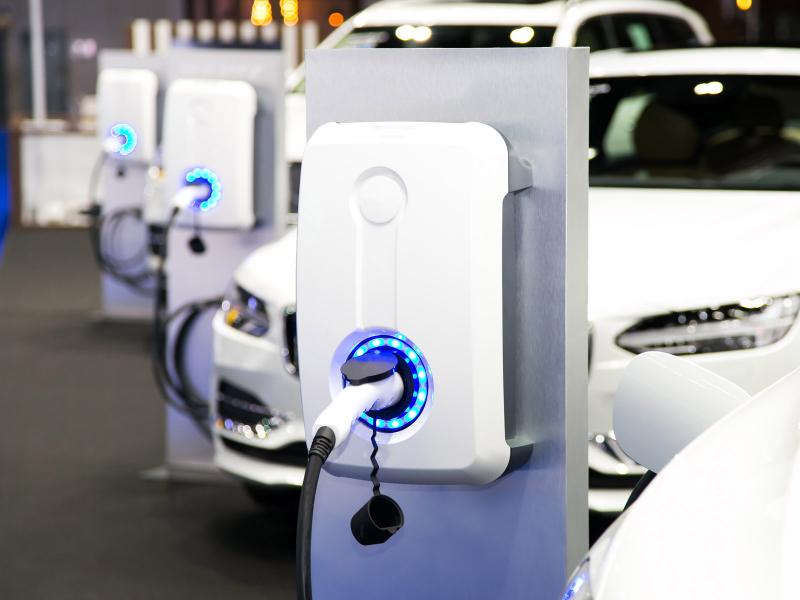
A new PNNL report says the western U.S. power system can handle large-scale vehicle electrification up to 24 million vehicles through 2028, but more than that and cities could start feeling the squeeze.
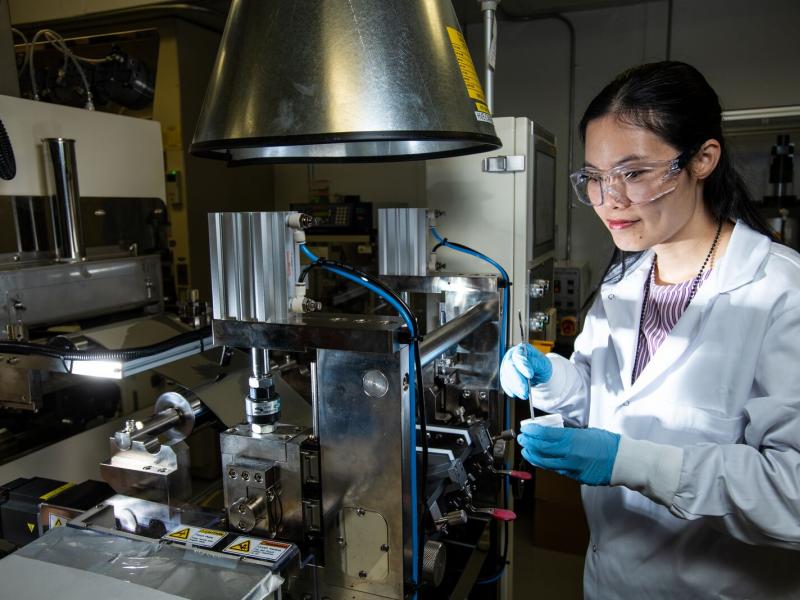
Researchers at PNNL have developed a software tool that helps universities, small business, and corporate developers to design better batteries with new materials that hold more energy.
Darrell Herling and two national laboratory collaborators were recently recognized by DOE for their leadership in the Powertrain Materials Core Program.
PNNL’s Karthikeyan Ramasamy was elected to a three-year term as a director in the American Institute of Chemical Engineers’ Fuels and Petrochemicals Division.
PNNL and WSU researchers have improved the performance and life cycle of sodium-ion battery technology to narrow the gap with some lithium-ion batteries.