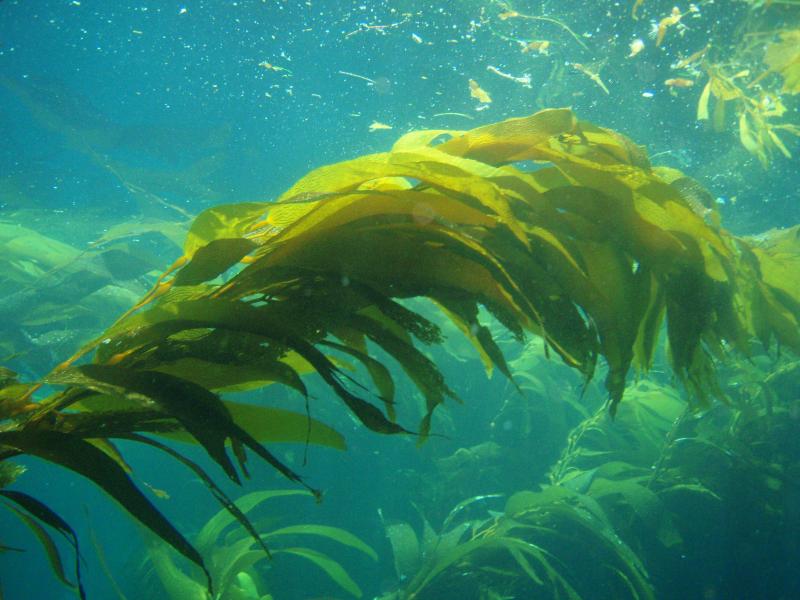
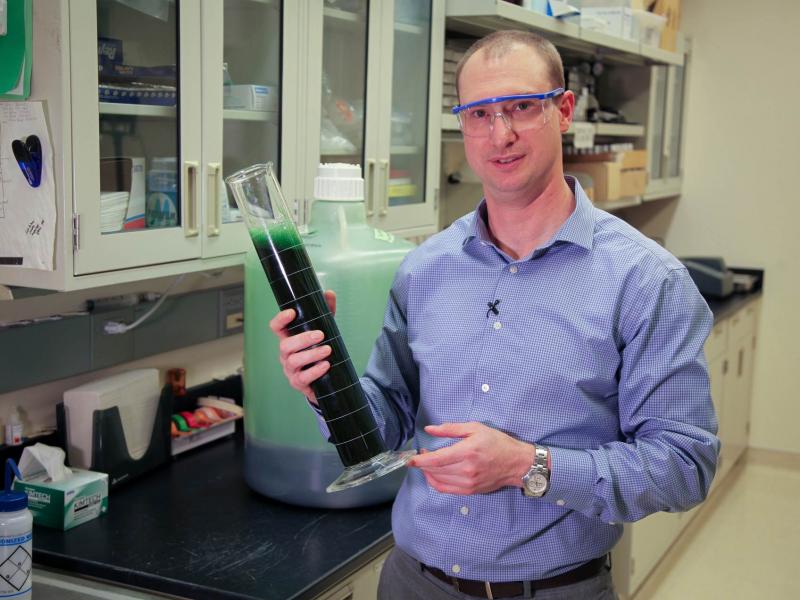
New ARPA-E funding in enabling PNNL to develop two different technologies that could one day enable cars to run on biofuel made from seaweed grown in the open ocean.
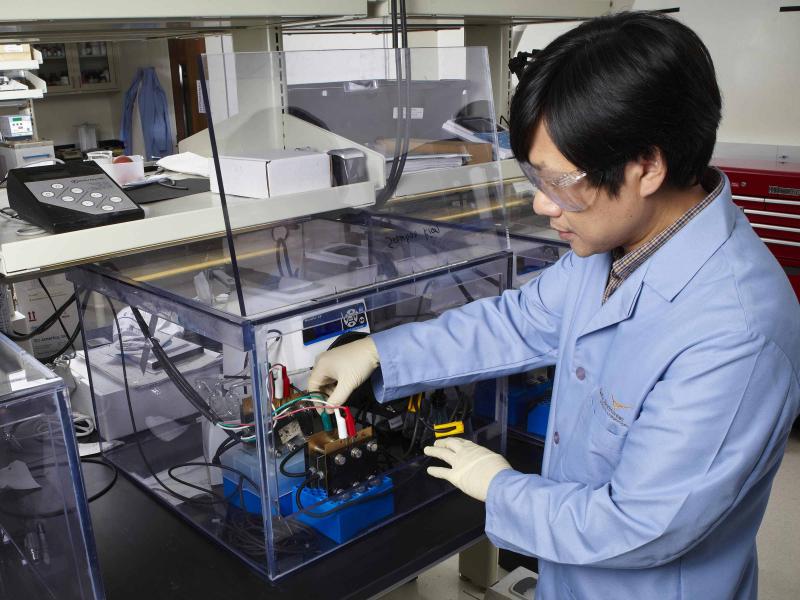
Six energy technologies that do everything from protect fish to monitor the health of flow batteries are getting a boost at PNNL with support from DOE's Technology Commercialization Fund.
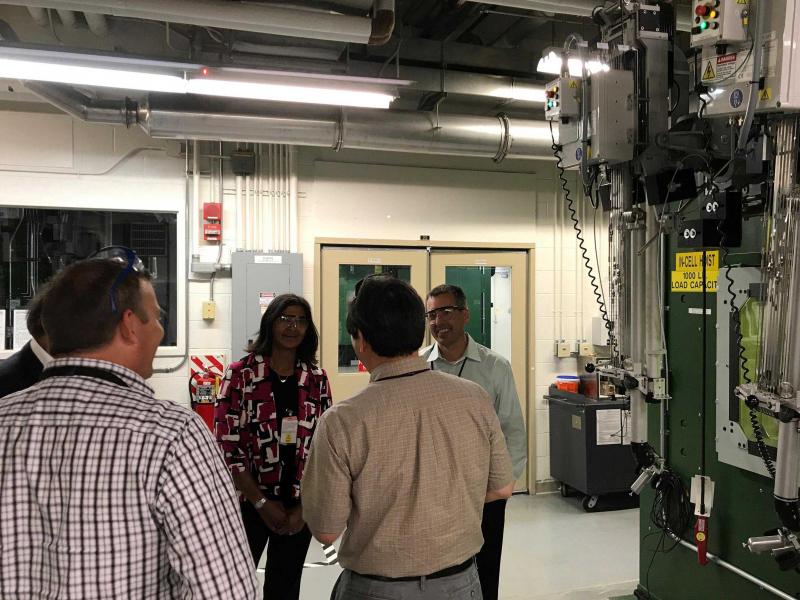
Steve Short, a nuclear engineer at Pacific Northwest National Laboratory, has been selected as a fellow of the National Society of Professional Engineers.
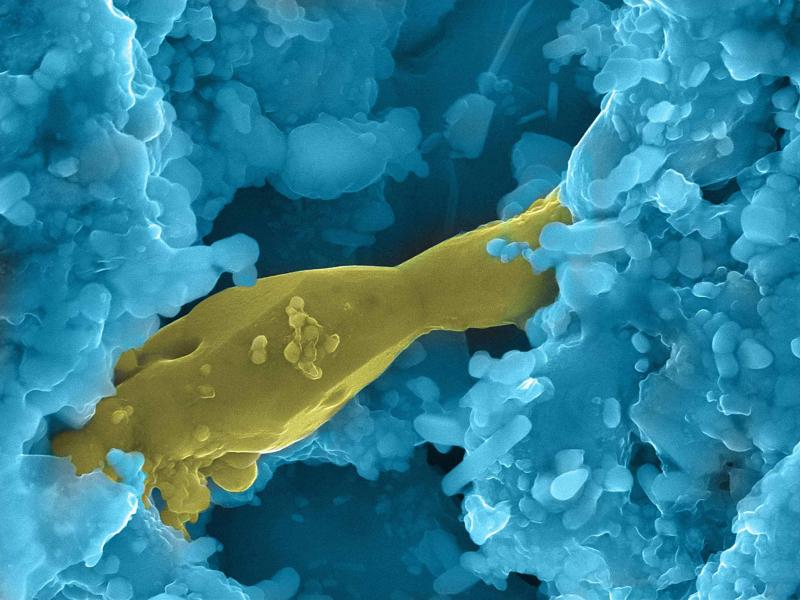
Scientists are taking their cues from fungi in the digestive tracts of cows, goats and sheep in the search for new ways to create sustainable fuels and medicines.
A genetic modification in fungi is more common than has been thought, offering scientists a new tool as they explore the use of fungi to convert biomass to fuels, chemicals and enzymes.
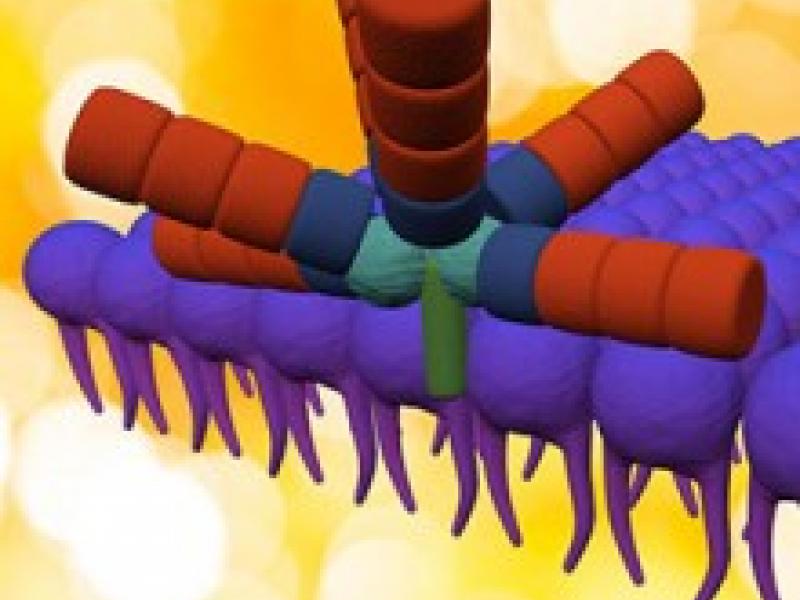
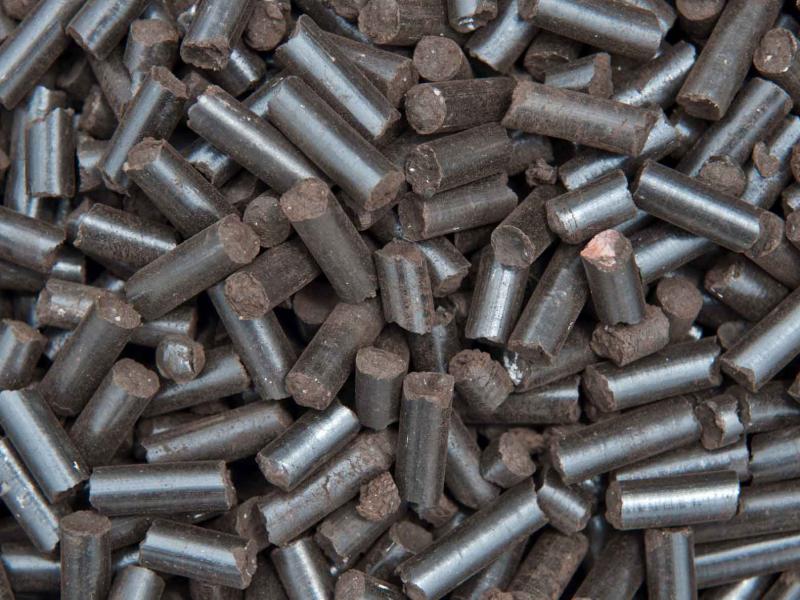
PNNL is collaborating with three small businesses to address technical challenges concerning hydrogen for fuel cell cars, bio-coal and nanomaterial manufacturing.
PNNL scientists have developed a system to convert methane into an energy-rich substance that can be used as the basis for biofuels and even feed for cows that create the gas in the first place.