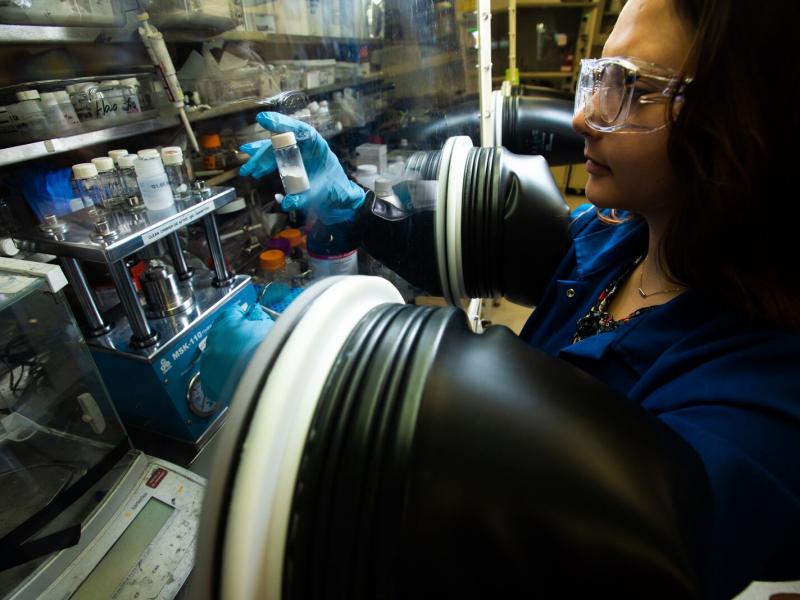
Johnson is among the PNNL scientists preparing to move into the Energy Sciences Center, the new $90 million, 140,000-square-foot facility that is expected to open in late 2021.
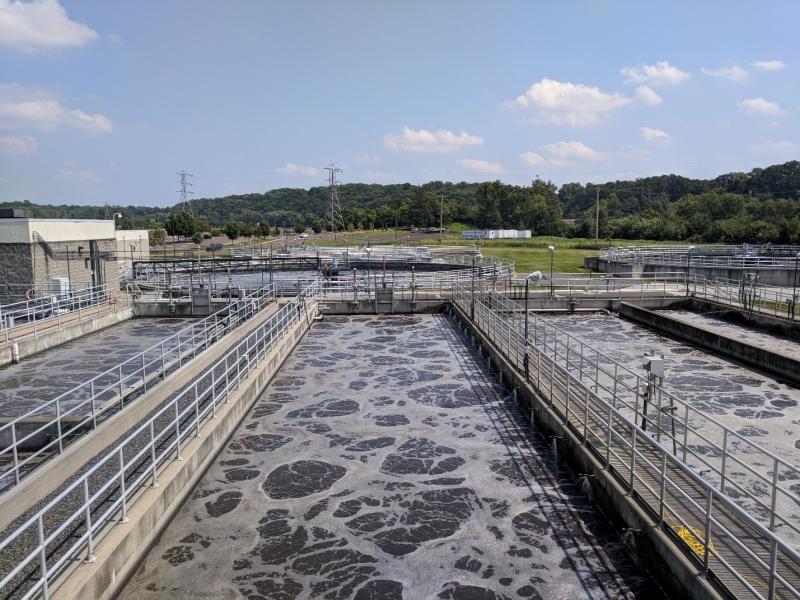
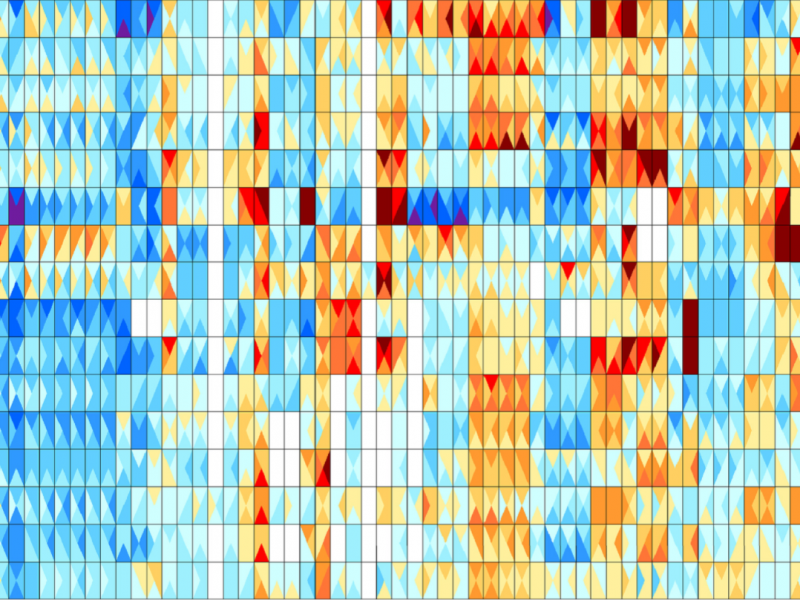
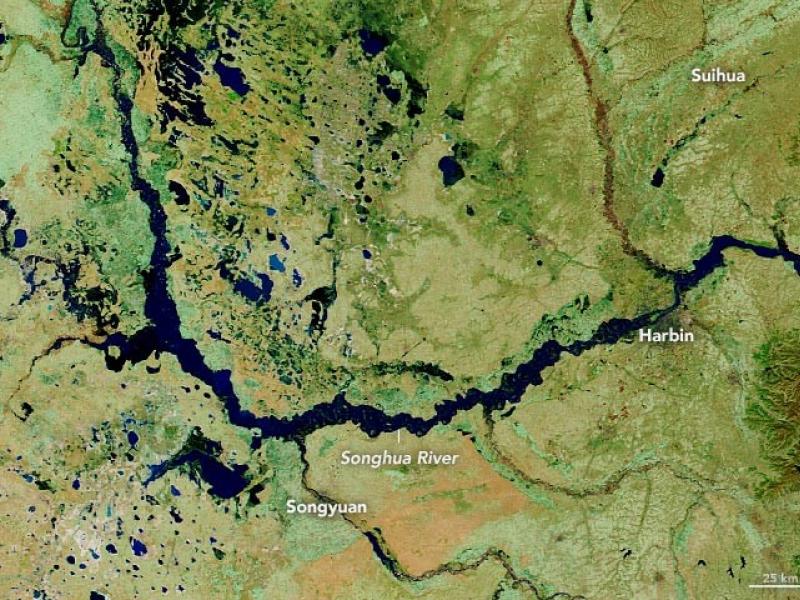
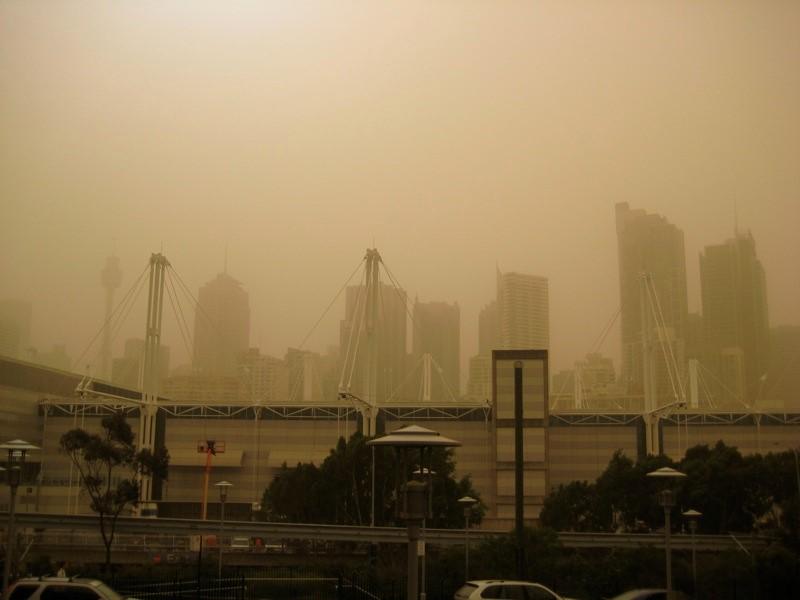
Calculating the multi-region and multisector effects of water scarcity for thousands of possible future socioeconomic, climate, and hydrologic scenarios.
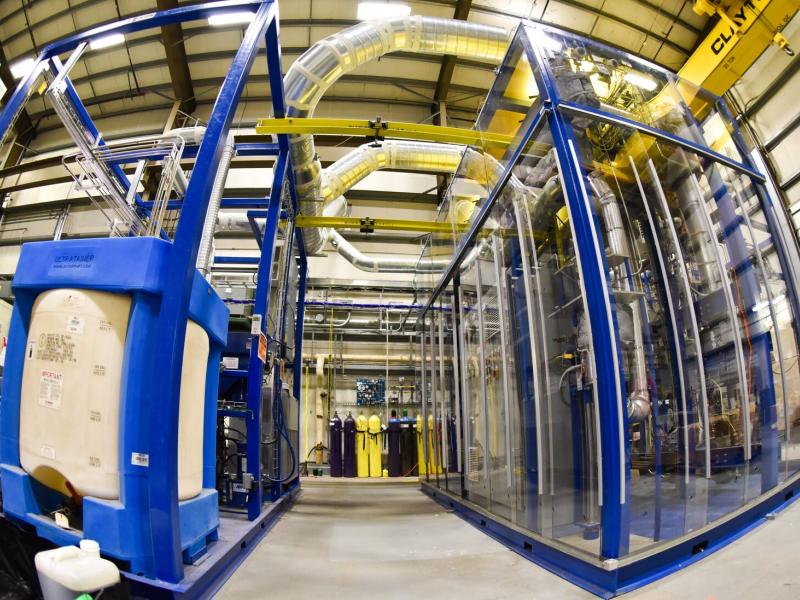
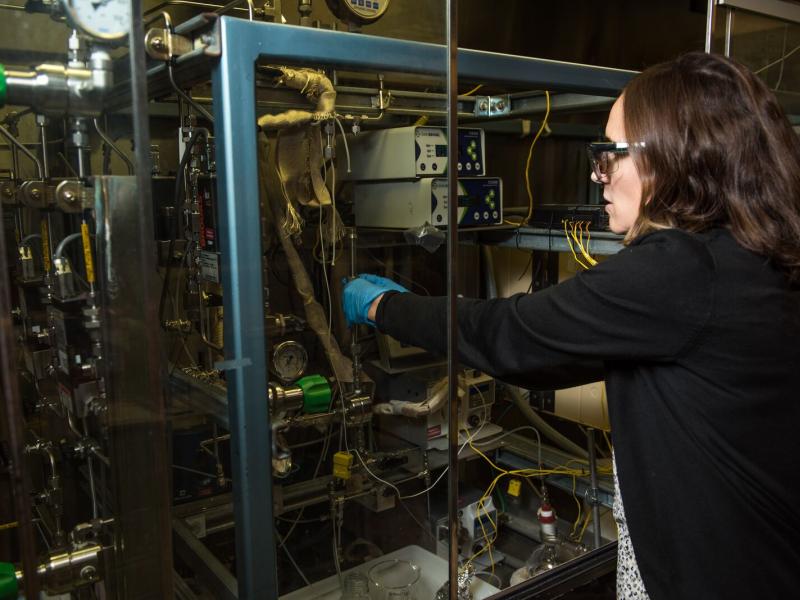
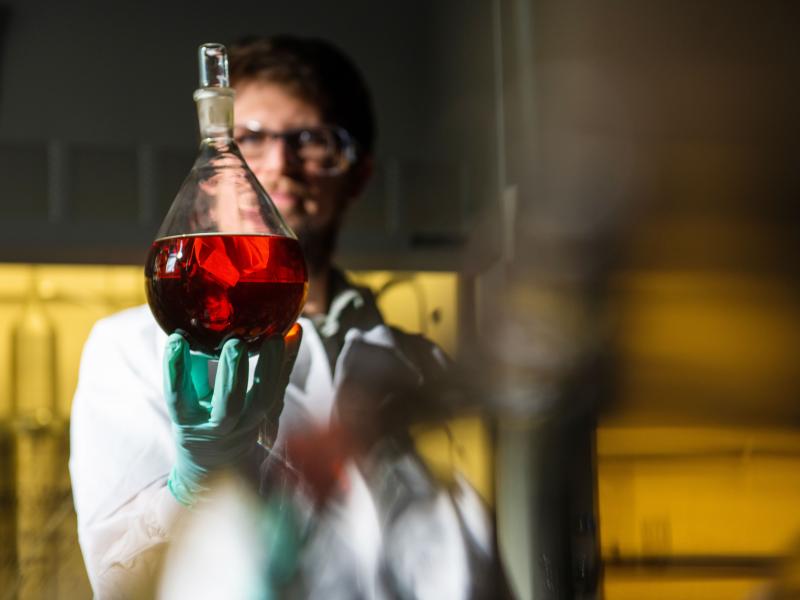
A demonstration converting biocrude to renewable diesel fuel has passed a significant test, operating for more than 2,000 hours continuously without losing effectiveness.
PNNL teamed with academia and industry to develop a novel zero-emission methane pyrolysis process that produces both hydrogen and high-value carbon solids suitable for an array of manufacturing applications.
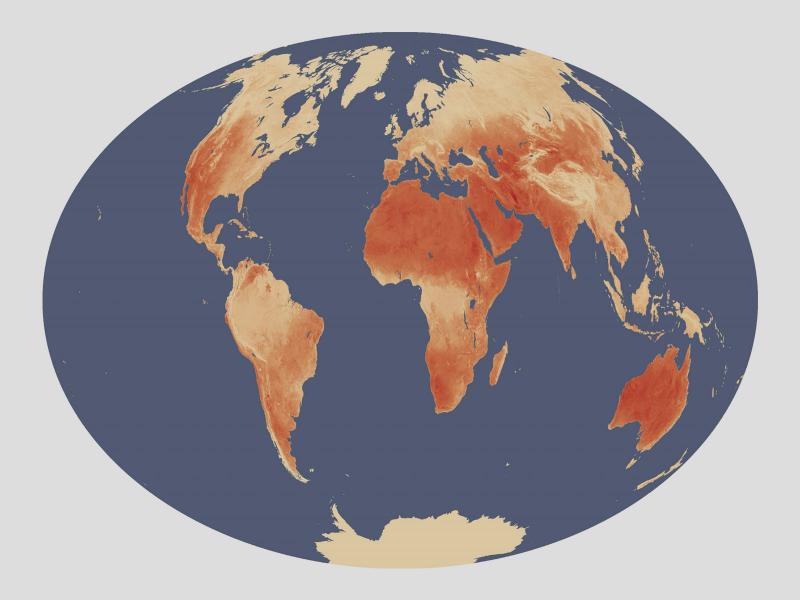
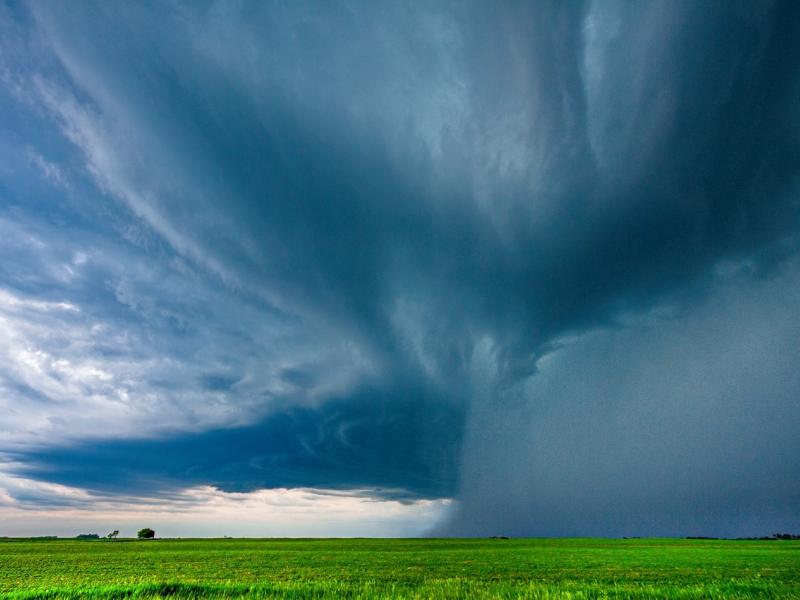
An overview of the Energy Exascale Earth System Model project describing its goals, science drivers, and development and highlighting its key findings.
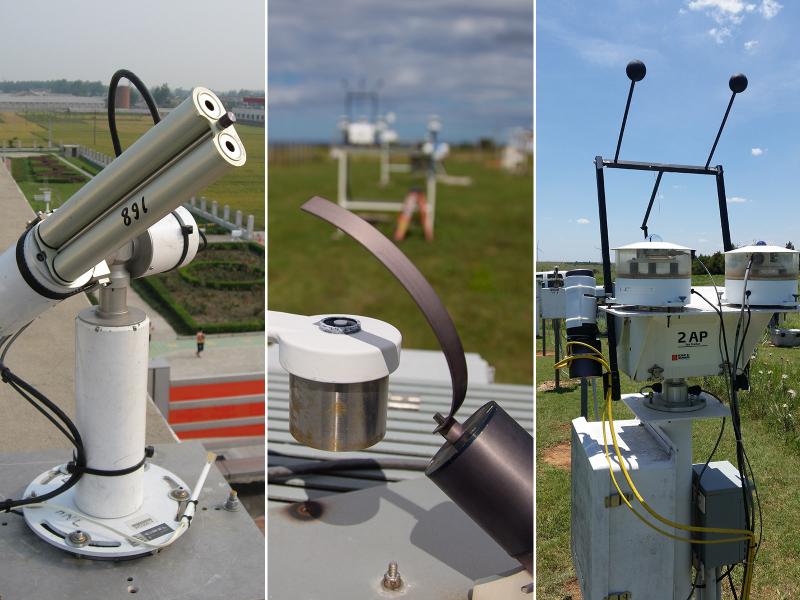
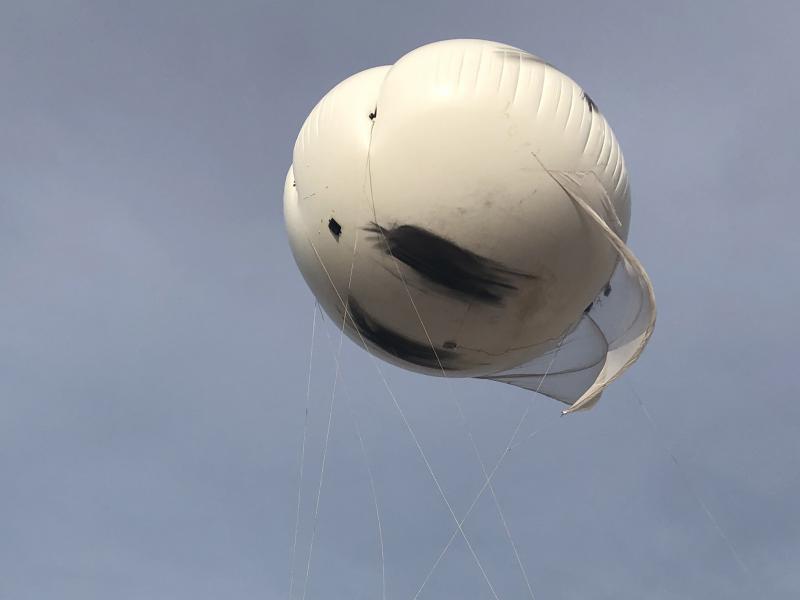
Demonstrating methods for using a portable optical particle spectrometer, a miniaturized and highly sensitive instrument, to measure atmospheric aerosol size distributions.